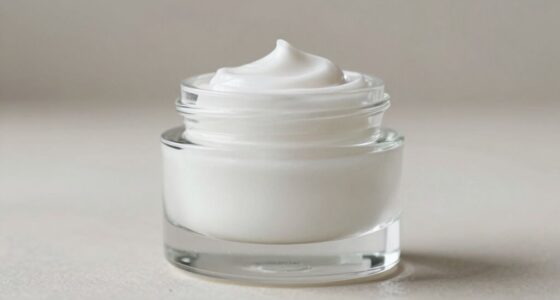
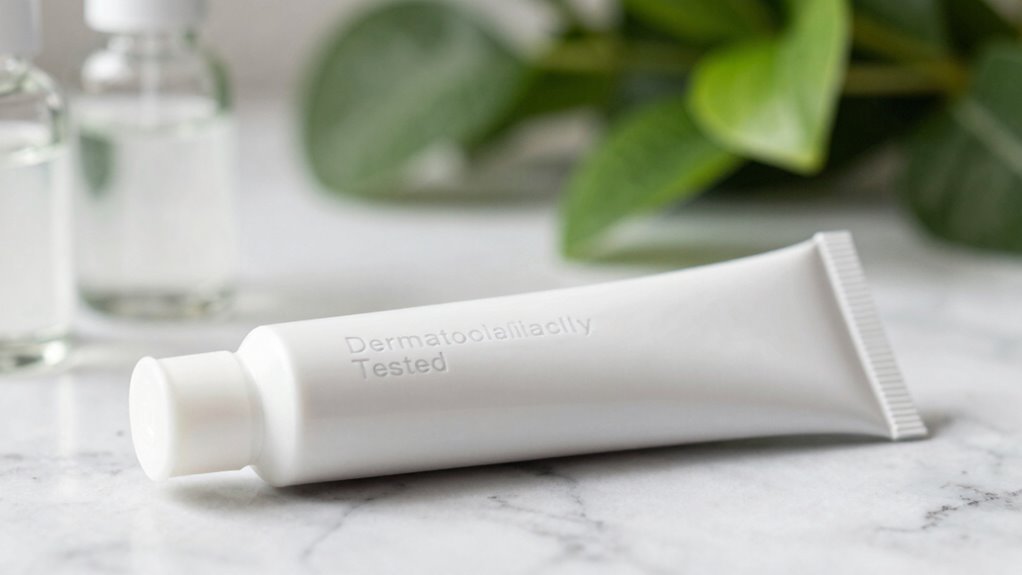
In the EU, “dermatologically tested” on cosmetics means some form of skin evaluation has been done, but it doesn’t guarantee strict standards or independent validation. Manufacturers can use the phrase if they’ve conducted limited testing, which may not fully reflect safety or hypoallergenic qualities. Labels are regulated to be truthful, but the claim’s meaning can be vague. To fully understand what it signifies for you, there’s more to explore beyond the label.

Turn your quiet moments into listening time
- Thousands of audiobooks, podcasts and originals
- Listen on your phone, tablet or Echo — also offline
- Cancel anytime
Key Takeaways
- “Dermatologically tested” indicates some skin testing, but the EU does not specify standards or proof requirements.
- The claim suggests safety but does not guarantee hypoallergenic or suitability for sensitive skin.
- Manufacturers must ensure the claim is truthful and supported by evidence, though standards are not explicitly defined.
- EU regulations aim to prevent misleading claims and promote label accuracy for consumer protection.
- Consumers should evaluate additional information like ingredients, reviews, and dermatologist advice beyond the label.
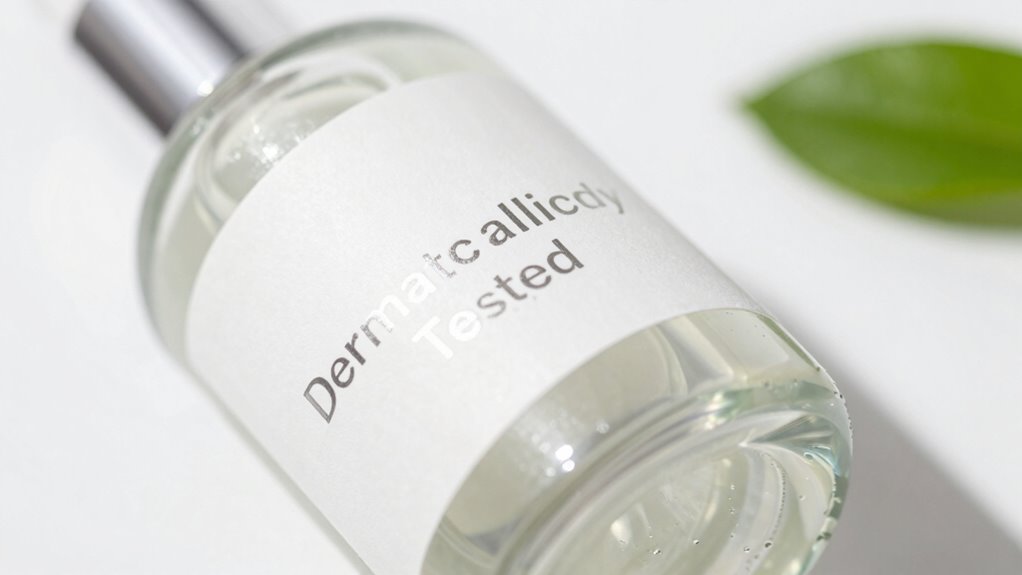
In the European Union, cosmetic claims are tightly regulated to guarantee consumers receive accurate and truthful information about products. When you see a label claiming a product is “dermatologically tested,” it’s essential to understand what that actually means within the context of EU laws. Label accuracy is a cornerstone of these regulations, ensuring that what’s stated on the packaging reflects the product’s true characteristics. The EU’s marketing regulations are designed to prevent misleading claims that could deceive you into believing a product has benefits it may not possess.
EU regulations ensure cosmetic claims like “dermatologically tested” are truthful and accurately reflect the product’s characteristics.
The phrase “dermatologically tested” is often used to suggest that a cosmetic product has been evaluated on human skin for potential irritation or safety. However, the EU doesn’t require specific standards or independent testing for this claim to be made. Instead, manufacturers can use it if they’ve conducted some form of testing on the product or its ingredients, but the scope and rigor of that testing aren’t always clear. This means that while the claim might give you some reassurance, it doesn’t automatically guarantee that the product is hypoallergenic or suitable for sensitive skin. It’s a reassurance, but not an absolute one, and the labeling must still adhere to strict rules about accuracy and not being misleading.
EU regulations emphasize that any claims made on labels or in marketing materials must be truthful and substantiated. If a company claims a product is “dermatologically tested,” they are expected to have evidence supporting that statement. However, the standards for evidence aren’t always explicit, which can lead to varying degrees of testing and validation. This is why some brands might use the term more loosely, potentially giving a false impression of thorough testing. That’s why you should look beyond the label and consider other factors such as ingredient lists, reviews, and recommendations from dermatologists.
The key takeaway is that the EU’s marketing regulations are designed to protect you from false or exaggerated claims. While “dermatologically tested” can be a positive indicator, it shouldn’t be the sole factor in your decision to buy a product. Instead, focus on the overall transparency and the evidence behind the claims. Knowing that label accuracy is strictly enforced helps you make more informed choices. The regulations aim to clarify what claims mean and prevent companies from making misleading statements that could influence your perception of safety and effectiveness. Ultimately, understanding these rules empowers you to scrutinize product labels more critically and choose skincare that genuinely aligns with your needs.
Additionally, understanding the standards for evidence behind claims can help you better evaluate the safety and suitability of cosmetic products.
hypoallergenic skincare products
As an affiliate, we earn on qualifying purchases.
As an affiliate, we earn on qualifying purchases.
Frequently Asked Questions
Can “Dermatologically Tested” Claims Be Misleading to Consumers?
Yes, “dermatologically tested” claims can be misleading to consumers. Marketers often use this phrase as part of their strategies to boost product appeal, but it doesn’t guarantee safety or suitability for all skin types. As a consumer, your awareness is essential; always scrutinize the claims and look for independent testing or certifications. Don’t rely solely on marketing strategies—ask questions and research to guarantee product safety.
Are There Specific Regulations for “Dermatologically Tested” Labels in the EU?
Yes, there are specific regulations for “dermatologically tested” labels in the EU. You must guarantee regulatory compliance by following established testing standards, which require products to be tested under controlled conditions by qualified professionals. The label must accurately reflect the testing process without misleading consumers. Manufacturers are responsible for maintaining transparency and adhering to these standards to avoid regulatory issues and ensure consumer trust in the product’s safety and claims.
How Does “Dermatologically Tested” Differ From “Hypoallergenic”?
You’re about to uncover a revelation: “dermatologically tested” doesn’t guarantee hypoallergenic status. It means the product underwent a safety assessment and ingredient comparison, but it’s not necessarily less likely to cause allergies. “Hypoallergenic” claims are more specific, indicating the product is formulated to minimize allergy risks. Always remember, “dermatologically tested” offers reassurance of safety, but it doesn’t promise the product won’t trigger sensitivities, unlike truly hypoallergenic options.
What Types of Tests Are Conducted to Verify “Dermatologically Tested”?
You’ll find that “dermatologically tested” products undergo clinical trials and patch testing to verify skin safety. Clinical trials involve controlled use on volunteers to monitor reactions, while patch testing applies small amounts of the product to skin areas to check for irritation or allergies. These tests help guarantee the product is safe for sensitive skin, giving you confidence in its dermatological approval.
Can a Product Be “Dermatologically Tested” Without Independent Verification?
While it might seem tempting to claim your product is “dermatologically tested” without independent verification, it’s not entirely straightforward. Testing standards and certification processes set by regulatory bodies require third-party validation to ensure credibility. Without independent verification, your claim could be seen as a gentle suggestion rather than a verified fact. To truly stand out and build trust, it’s best to follow proper testing standards and obtain certified confirmation.
dermatologically tested face moisturizer
As an affiliate, we earn on qualifying purchases.
As an affiliate, we earn on qualifying purchases.
Conclusion
Understanding what “dermatologically tested” really means helps you make smarter choices. Think of it like reading a restaurant menu—you want to know if that dish is safe and suitable for you. Just like a chef’s special isn’t always perfect for everyone, not all claims are guaranteed. So, next time you see that label, remember it’s like a green light, but always double-check the ingredients. Your skin deserves the best, informed decision every time.
sensitive skin cosmetic products
As an affiliate, we earn on qualifying purchases.
As an affiliate, we earn on qualifying purchases.
As an affiliate, we earn on qualifying purchases.
Halloween Picks
halloween
As an affiliate, we earn on qualifying purchases.