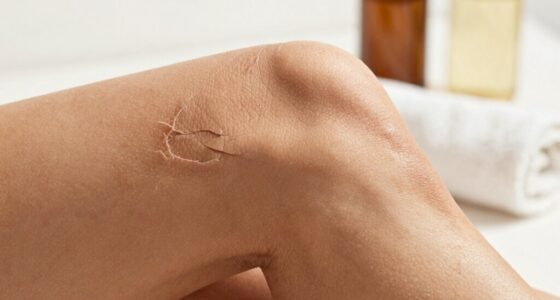

Your bikini line skin is more sensitive because it’s thinner, with fewer oil glands and less elasticity, making it prone to irritation and ingrown hairs. To keep it healthy, use gentle products, proper prep like cleaning and exfoliating, and avoid harsh chemicals or tight clothing afterward. Choosing soothing treatments and proper techniques can help prevent discomfort. To discover the best ways to protect and care for your skin, keep exploring these gentle rules.
Key Takeaways
- Use gentle, fragrance-free cleansers and exfoliate carefully to prevent irritation of sensitive, thinner bikini line skin.
- Choose soft waxes, depilatory lotions, or electric trimmers designed for delicate areas to minimize trauma.
- Apply soothing, calming products like aloe vera post-removal and avoid tight clothing or harsh chemicals.
- Recognize signs of irritation or infection early and seek professional advice if issues persist or worsen.
- Tailor hair removal techniques considering pore size and hair growth patterns for safer, more effective results.
Why Is Your Bikini Line Skin More Sensitive Than Other Areas?
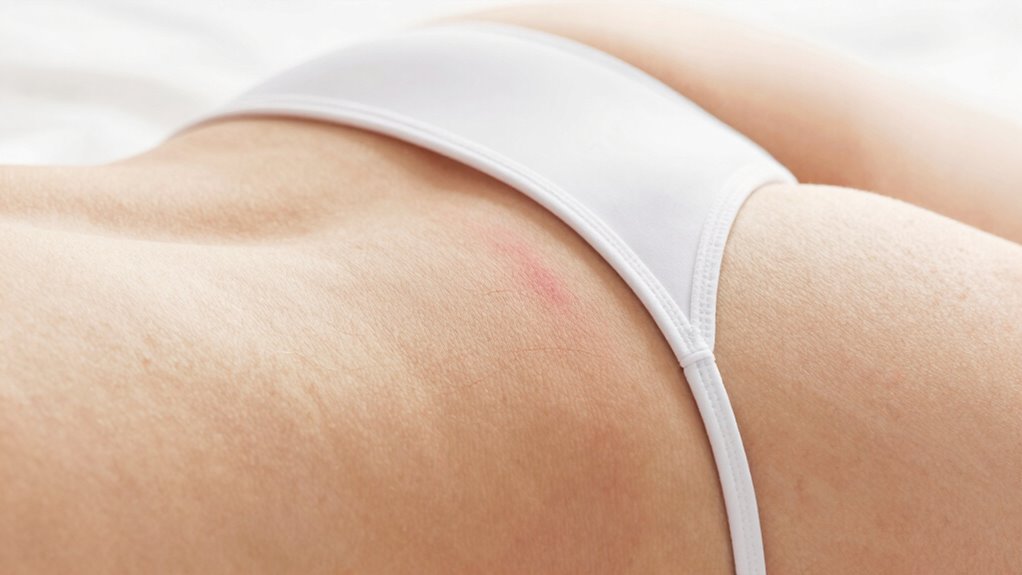
The skin on your bikini line is more sensitive than other areas because it’s thinner and has fewer oil glands, making it more prone to irritation. This delicate skin also has a lower pH balance, which helps protect against bacteria and infections but can be disrupted easily. When hair removal methods disturb this balance, your skin becomes inflamed or itchy. Additionally, skin elasticity in this area is less robust, so it’s less able to stretch and recover from irritation or minor injuries. Because of these factors, you need to be gentle and mindful when choosing hair removal techniques. Maintaining a healthy pH balance and supporting skin elasticity are essential to prevent discomfort and keep your skin smooth and resilient. Skin sensitivity practices can also help in minimizing irritation and supporting overall skin health in sensitive areas. Using gentle skincare routines tailored for delicate skin can further enhance your comfort and results. To protect this vulnerable skin, it’s important to avoid harsh chemicals and irritation-causing products that can exacerbate sensitivity.
How Can You Prepare Your Bikini Area Safely Before Hair Removal?
Before hair removal, make sure to cleanse your bikini area thoroughly to remove oils and dirt. Gently exfoliate the skin to prevent ingrown hairs and reduce irritation. Taking these steps helps guarantee a safer, more comfortable hair removal experience. Additionally, being mindful of piercing care and hygiene can help prevent infections if you have any body piercings in the area. Ensuring proper skin preparation can also improve the results of your hair removal process and minimize potential complications. Incorporating modern skin care techniques can further enhance safety and effectiveness during hair removal, especially considering the wave and wind conditions that can affect skin sensitivity.
Cleanse the Area Thoroughly
Ensuring your bikini area is clean before hair removal is essential to prevent irritation and reduce the risk of infection. Start by gently washing the area with a mild, fragrance-free cleanser to remove dirt, oils, and sweat. Avoid harsh soaps that can strip moisture and cause dryness. After cleansing, pat the skin dry with a soft towel, leaving it slightly damp to support your moisturizing routines. Proper skin hydration helps keep the skin elasticity and less prone to irritation during hair removal. Maintaining clean, well-hydrated skin creates a smooth surface, making hair removal more effective and comfortable. Additionally, preparing your skin with gentle exfoliation can help prevent ingrown hairs and ensure a smoother removal process. Regular exfoliation can also promote skin cell renewal, leading to healthier skin over time. Remember, a clean and hydrated bikini area minimizes bacteria and prepares your skin for gentle, safe hair removal. Hydrating skin is also crucial, as well-hydrated skin can better withstand the hair removal process and reduce discomfort. Incorporating a seasonal skincare routine can further enhance skin health and resilience over time.
Exfoliate Gently Beforehand
Exfoliating gently before hair removal helps remove dead skin cells that can trap hair and cause ingrown hairs. For sensitive skin, gentle exfoliation is especially important to prevent irritation. Use a soft washcloth or a mild exfoliating scrub designed for sensitive skin, and avoid harsh scrubs that can damage your skin. Incorporating electric power generation can further enhance your prep routine by promoting smoother skin without irritation. Regular exfoliation not only prepares your skin but also supports skin health by maintaining a healthy, barrier function. Incorporating proper skin barrier maintenance can help prevent irritation and keep your skin resilient during hair removal routines. Paying attention to high-quality protein sources in your diet can also improve your skin’s overall resilience, making it less prone to irritation during routines like shaving or waxing. This step ensures smoother removal and reduces the risk of irritation, making exfoliation importance clear for a safe bikini line routine.
What Are the Best Gentle Hair Removal Methods for Your Bikini Line?

Gentle waxing techniques can minimize irritation and keep your skin smooth, making them a good choice for the bikini line. You should also consider effective hair removal products that are specifically formulated for sensitive areas. Choosing the right method helps you achieve results without unnecessary discomfort or damage.
Gentle Waxing Techniques
When it comes to removing hair from your bikini line, choosing gentle waxing techniques can make a significant difference in minimizing discomfort and skin irritation. For sensitive skin, opt for soft, warm waxes designed for delicate areas. Here are some tips to guarantee a gentle experience:
- Use a low-temperature wax to reduce skin stress.
- Apply a pre-wax oil or barrier to protect sensitive skin.
- Pull the wax strip quickly and in the direction of hair growth.
- Always follow with soothing, fragrance-free aloe or calming lotions.
These hair removal techniques help minimize redness, ingrown hairs, and irritation, making waxing a more comfortable option for your bikini line. Being gentle and prepared ensures your skin stays healthy and irritation-free.
Effective Hair Removal Products
Choosing the right hair removal products can make a big difference in achieving a comfortable, irritation-free bikini line. Look for gentle options like soothing creams, depilatory lotions, or electric trimmers designed for sensitive skin. These products help with abrasion prevention by reducing friction and skin trauma. To prevent ingrown hairs, use exfoliating scrubs or serums regularly, and consider products containing salicylic acid or glycolic acid to keep pores clear. Avoid harsh chemicals or aggressive waxing that can cause irritation. After hair removal, apply calming lotions or aloe vera gel to soothe your skin. Proper product selection minimizes discomfort, reduces the risk of ingrown treatment issues, and keeps your bikini line smooth and healthy. Incorporating essential oils for skin care, such as lavender or tea tree oil, can also provide additional soothing and healing benefits.
How Can You Minimize Irritation During Bikini Hair Removal?

To minimize irritation during bikini hair removal, it’s essential to prepare your skin properly beforehand. If you have sensitive skin, identifying irritation triggers can help prevent flare-ups. Follow these steps:
- Take a warm, gentle shower to soften hair and open pores.
- Exfoliate lightly to remove dead skin, reducing ingrown hairs.
- Apply a soothing, alcohol-free antiseptic or numbing gel to reduce sensitivity.
- Make certain your hair is at least ¼ inch long for easier removal and less tugging.
- Using a high-quality air purifier in your bathroom can help reduce airborne irritants and allergens that may exacerbate skin sensitivity during hair removal. Incorporating performance cookies to analyze your skin response can also help refine your hair removal routine over time. Additionally, choosing tools with precise control settings can help you avoid unnecessary skin trauma. These steps help reduce irritation triggers and create a smoother surface. Being aware of skin sensitivities can further help you select appropriate products and techniques for your hair removal routine. Avoid harsh chemicals or tight clothing afterward, which can aggravate sensitive skin. Proper preparation ensures a more comfortable hair removal experience with less irritation.
Aftercare Tips: How to Soothe and Protect Your Bikini Skin Post-Removal

After your bikini hair removal, soothing and protecting your skin is crucial to prevent irritation and guarantee quick recovery. Post removal care involves gentle skin soothing techniques to calm redness and reduce discomfort. Use a cool compress or apply an aloe vera gel to the area to help soothe irritated skin. Avoid tight clothing and harsh products that can cause further irritation. Keep the area clean and dry, and opt for fragrance-free, gentle moisturizers to support healing. Refrain from scratching or picking at the skin, which can delay recovery and cause infection. Protect your bikini area from sun exposure by wearing loose, breathable clothing or applying a broad-spectrum sunscreen if necessary. Proper post removal care ensures your skin remains calm, healthy, and irritation-free.
Common Mistakes That Can Irritate Your Bikini Area and How to Avoid Them
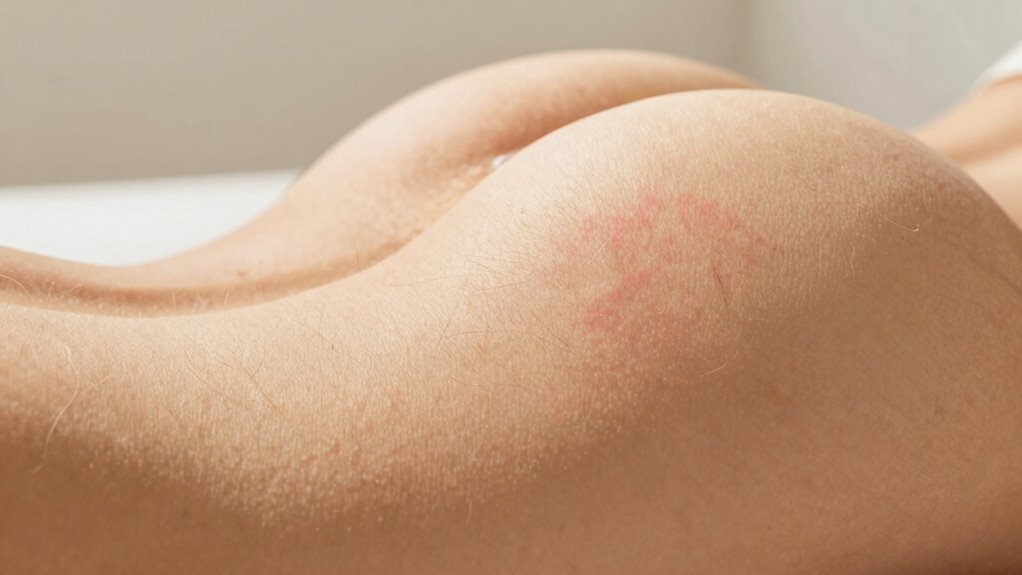
One common mistake that can irritate your bikini area is using harsh or fragrant products on the skin after hair removal. These products can clog pores, causing bumps and inflammation, especially since pore size in this area is smaller. Additionally, ignoring your hair growth patterns can lead to ingrown hairs and irritation. To avoid issues, be mindful of these mistakes:
- Using scented soaps or lotions that can trigger allergies or irritation.
- Applying alcohol-based products that dry out the skin and increase sensitivity.
- Ignoring the natural hair growth direction, which can cause ingrowns.
- Overlooking pore size differences, leading to blocked follicles and bumps.
Adjusting your routine to respect pore size and hair growth patterns minimizes irritation and promotes smoother skin.
Which Products Are Best for Gentle Bikini Line Hair Removal?
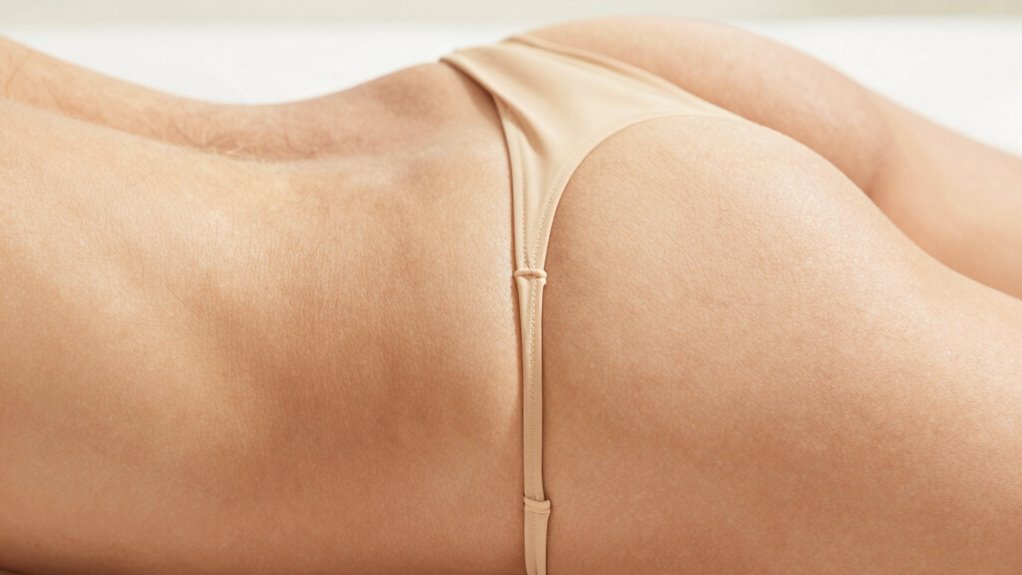
Choosing the right products for gentle bikini line hair removal is essential to prevent irritation and achieve smooth results. If you have sensitive skin, look for options specifically formulated for delicate areas, such as those labeled “gentle” or “for sensitive skin.” Products like soothing creams, gentle waxes, or razors designed for sensitive skin can minimize redness and discomfort. Pay attention to your hair growth patterns; some products work better depending on whether your hair grows in thick or fine patterns. For example, depilatory creams are effective but may cause irritation if your skin is very sensitive. Always do a patch test first and choose products with calming ingredients like aloe or chamomile to protect your skin during hair removal.
When Should You See a Professional for Bikini Skin Concerns?
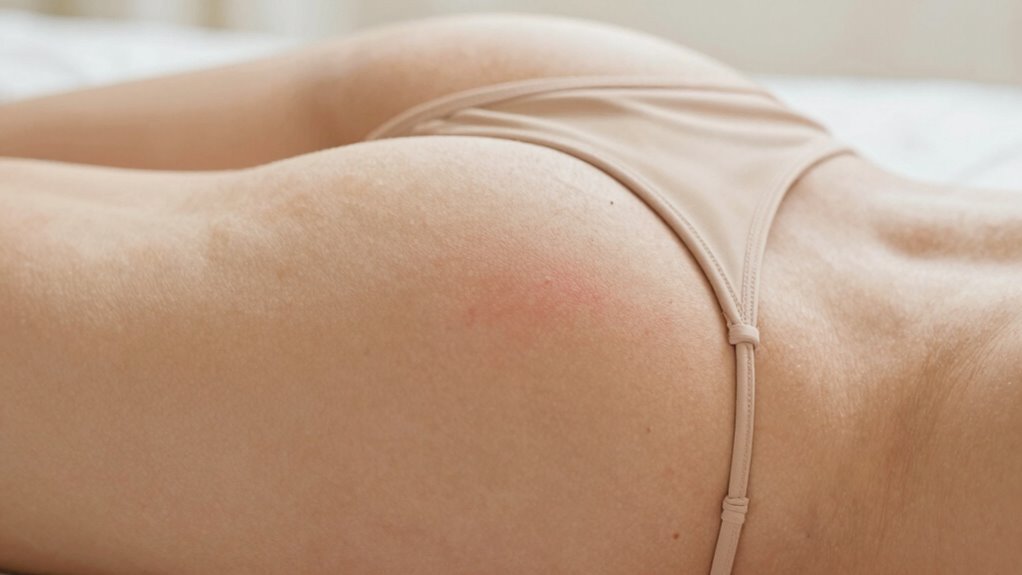
While selecting gentle products helps minimize irritation, there are times when skin issues require professional attention. If you notice persistent redness, severe irritation, or bumps that won’t heal, it’s time to see a specialist. You should consider professional help if:
- You experience ingrown hairs that worsen or lead to infections.
- Your skin reacts badly to home treatments, showing signs of allergic reactions.
- You suspect hormonal imbalance causing persistent skin issues or unusual hair growth.
- You’re considering laser therapy for long-term hair removal or skin improvement.
A dermatologist can diagnose underlying issues and recommend treatments like laser therapy or hormonal adjustments. Addressing these concerns with a professional ensures your bikini skin stays healthy and irritation-free.
Frequently Asked Questions
How Often Should I Exfoliate My Bikini Area Before Hair Removal?
You should exfoliate your bikini area about 2-3 times a week, depending on your skin sensitivity. If your skin feels tender or irritated, cut back to once a week or every other week. Exfoliation helps prevent ingrown hairs and keeps the skin smooth, but overdoing it can cause irritation. Always use a gentle scrub or chemical exfoliant designed for sensitive skin, and listen to how your skin reacts.
Are There Specific Fabrics I Should Avoid Wearing Post-Removal?
You should avoid tight, rough, or synthetic fabrics like polyester or nylon immediately after hair removal, as they can cause irritation. Instead, opt for loose, breathable cotton clothing to reduce fabric sensitivity and promote healing. Your clothing choices matter because tight or abrasive materials can worsen redness or irritation, so prioritize soft, natural fabrics during your recovery to keep your skin comfortable and aid in faster healing.
Can I Use Natural Remedies to Soothe Bikini Skin Irritation?
Yes, you can use herbal remedies and soothing lotions to calm bikini skin irritation. Apply aloe vera gel or chamomile extract for natural relief, as they have anti-inflammatory properties. You might also try coconut oil or witch hazel, which can reduce redness and soothe sensitive skin. Just make sure you do a patch test first to avoid any allergic reactions, and avoid harsh chemicals that could worsen irritation.
Is It Safe to Wax at Home on Sensitive Bikini Skin?
Waxing at home on sensitive bikini skin isn’t just risky—it’s like walking a tightrope over a volcano! You might think you’re a home hair removal pro, but wax can easily cause severe irritation or burns if you’re not careful. Always prioritize waxing safety: use gentle, skin-specific wax, follow instructions meticulously, and consider consulting a professional. If unsure, it’s safer to seek expert help rather than risking a fiery disaster.
How Do Hormonal Changes Affect Bikini Line Hair Growth?
Hormonal fluctuations can markedly impact your bikini line hair growth by altering your hair cycle. During hormonal changes, you might notice increased or coarser hair due to heightened androgen levels. These fluctuations can extend the growth phase, making hair thicker and more stubborn. To manage this, consider adjusting your hair removal routine and consulting a dermatologist if hair changes are sudden or severe. Staying consistent helps maintain smoother skin despite hormonal shifts.
Conclusion
Remember, your bikini line skin is more sensitive than other areas—so gentle care is key. Did you know that up to 60% of women experience irritation from hair removal? By choosing the right methods, preparing properly, and following aftercare tips, you can keep your skin smooth and irritation-free. Pay attention to your body’s signals, and don’t hesitate to see a professional if you notice persistent issues. Your skin deserves the best care!