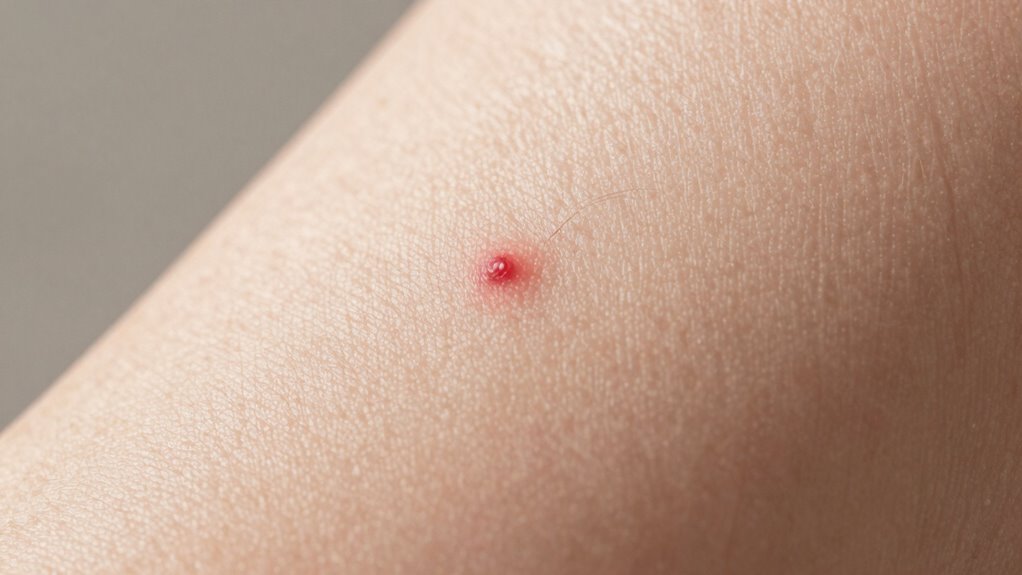

Ingrown hairs happen when your hair grows back into the skin rather than outward, causing irritation, bumps, and sometimes inflammation. To prevent them, consider laser hair removal, which destroys hair roots, reducing the chance of hair curling back. Proper skin preparation, like cleaning and avoiding sun exposure, also helps. Post-treatment, keep your skin moisturized, exfoliate gently, and wear loose clothes to minimize friction. Keep exploring for more tips to keep your skin smooth and clear.
Key Takeaways
- Ingrown hairs occur when hair grows back into the skin, causing irritation and inflammation.
- Laser hair removal destroys hair follicles at the root, preventing hair from curling back into the skin.
- Regular exfoliation and moisturization help prevent dead skin buildup that can trap hair and cause ingrowns.
- Avoiding tight clothing and proper post-treatment skin care reduce friction and irritation that promote ingrown hairs.
- Using preventive skincare products with salicylic or glycolic acid helps keep pores clear and reduces ingrown hair formation.
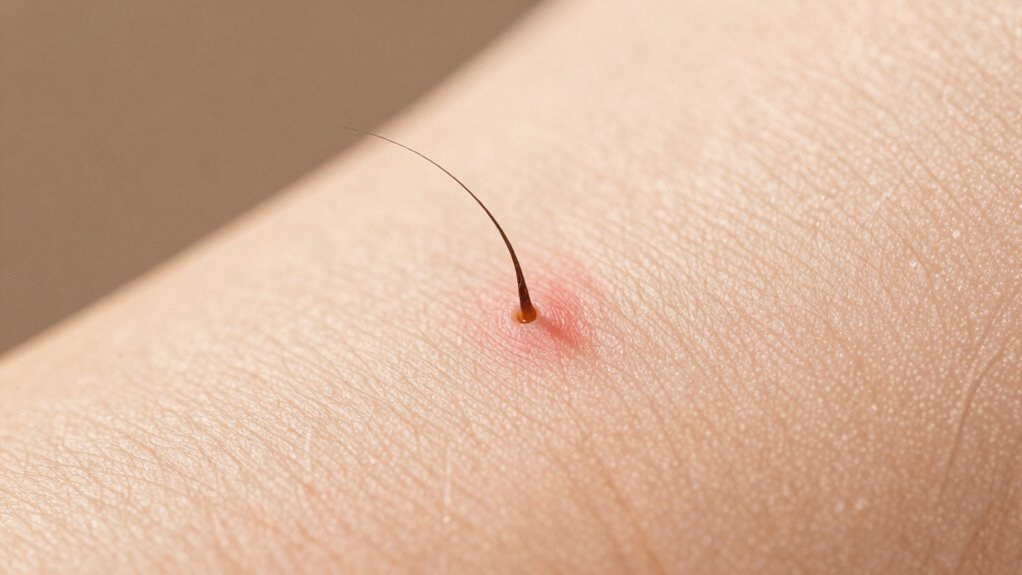
Ingrown hairs occur when hair grows back into the skin instead of outward, causing irritation and sometimes inflammation. If you’ve dealt with this issue, you know how uncomfortable and unsightly it can be. One effective way to reduce the chances of ingrown hairs is by exploring laser hair removal. Unlike traditional shaving or waxing, laser hair treatment targets hair follicles directly, destroying the root and preventing hair from regrowing in the same spot. This process can considerably decrease the risk of hair curling back into the skin, which is often the cause of ingrown hairs. When you opt for laser hair removal, you’re not only addressing hair growth but also minimizing skin irritation that typically accompanies other hair removal methods. Shaving, waxing, and plucking often lead to tiny cuts or micro-traumas on your skin, which can exacerbate irritation and promote ingrown hairs. Laser treatments, on the other hand, offer a smoother, more precise approach, reducing the chances of inflammation and skin irritation that can make ingrown hairs worse.
To get the most out of laser hair removal, preparation is key. Make sure your skin is clean and free of lotions, oils, or makeup before your session. Avoid sun exposure for a few days beforehand, as tanned skin can increase the risk of side effects. Once you’ve completed your treatments, you may notice some redness or mild swelling, which is normal and should subside quickly. These reactions are typically less severe than the skin irritation caused by shaving or waxing, making laser hair removal a gentler option for sensitive skin.
Implementing proper post-treatment care can further reduce skin irritation and prevent ingrown hairs. Keep your skin moisturized with soothing creams, and avoid tight clothing that can cause friction or chafing. Exfoliating gently once or twice a week can help prevent dead skin buildup, which often traps hair and encourages ingrowth. Many people find that using products with ingredients like salicylic acid or glycolic acid helps keep pores clear and reduces the likelihood of ingrown hairs.
Frequently Asked Questions
Can Ingrown Hairs Lead to Infections or Other Health Issues?
Yes, ingrown hairs can lead to infections or other health issues. When your skin gets irritated from trapped hairs, it creates an entry point for bacteria, increasing the risk of bacterial infections. If you notice redness, swelling, or pus, it’s a sign of infection. To prevent this, avoid picking at ingrown hairs and keep the affected area clean. Proper skincare helps reduce skin irritation and lowers infection chances.
Are There Specific Products Recommended for Preventing Ingrown Hairs?
Think of preventing ingrown hairs as gardening—using the right tools keeps everything healthy. You should try moisturizing creams to keep your skin soft and exfoliating scrubs to remove dead skin that traps hairs. Look for products containing salicylic acid or glycolic acid, which help prevent ingrowns. Regular use of these products helps maintain smooth, healthy skin and reduces the chance of hairs curling back into your skin.
How Long Does It Typically Take for an Ingrown Hair to Resolve?
It usually takes about a few days to a week for an ingrown hair to resolve, but this depends on your skin’s healing timeline and how well you care for it. You can speed up skin recovery by gently exfoliating and avoiding irritation. Keep the area clean, moisturized, and resist picking at it. If it persists beyond two weeks or worsens, see a dermatologist for proper treatment.
Are Some Skin Types More Prone to Ingrown Hairs Than Others?
Yes, some skin types are more prone to ingrown hairs, especially if you have sensitive skin or curly, coarse hair. Sensitive skin reacts more easily to irritation, increasing the chance of hairs growing inward. Curly or thick hair tends to curl back into the skin more often. To reduce your risk, use gentle exfoliation and avoid tight clothing, especially if your skin is prone to irritation or your hair is naturally textured.
Does Shaving or Waxing Increase the Risk of Ingrown Hairs?
Shaving and waxing can turn your skin into a battleground, increasing your risk of ingrown hairs. Hair removal methods like these often cause irritation and hair breakage, especially if you have sensitive skin. When your skin’s delicate, it’s more prone to trapping hair beneath the surface. To keep ingrown hairs at bay, choose gentle techniques and always prep your skin properly before hair removal.
Conclusion
Now that you understand ingrown hairs, picture your skin as a well-tended garden. When you prevent and care for it properly, you’re guiding each hair to grow straight and free, like a delicate flower reaching toward the sun. With patience and consistent effort, you’ll create smooth, blemish-free skin—your personal oasis of confidence. Keep nurturing your skin, and watch it flourish, turning everyday grooming into a peaceful act of self-love.