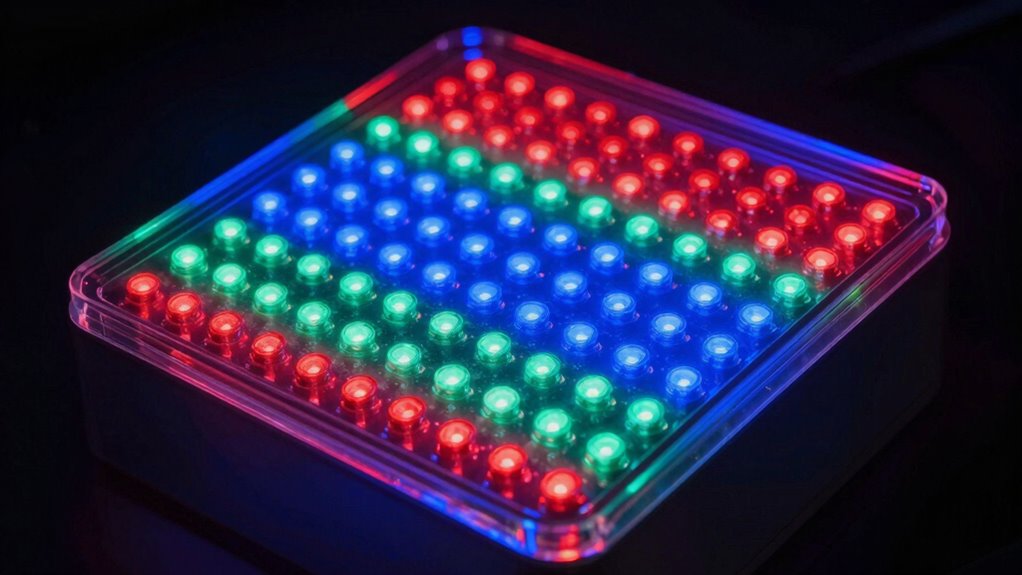

LED light therapy uses specific wavelengths, like red (620-750 nm) for skin rejuvenation and collagen production, and blue (450-495 nm) to target acne-causing bacteria near the surface. Longer wavelengths penetrate deeper for tissue repair, while shorter ones treat superficial issues. Different colors promote various cellular responses with proven effects supported by scientific studies. To make informed choices, it’s important to understand how these wavelengths interact with skin beyond marketing claims. If you’re curious about how it all works, keep exploring.
Key Takeaways
- Different wavelengths penetrate skin to varying depths, targeting specific cellular processes like collagen production or bacteria destruction.
- Red and near-infrared wavelengths promote tissue repair, skin rejuvenation, and anti-aging by stimulating cellular energy and collagen synthesis.
- Blue light effectively targets bacteria in superficial skin layers, reducing acne and inflammation without drugs.
- Green and yellow lights calm pigmentation, reduce redness, and improve skin tone through cellular modulation and inflammation reduction.
- Scientific evidence supports wavelength-specific benefits, but treatment outcomes depend on proper selection, protocols, and individual skin responses.
What Are the Main Wavelengths Used in LED Light Therapy
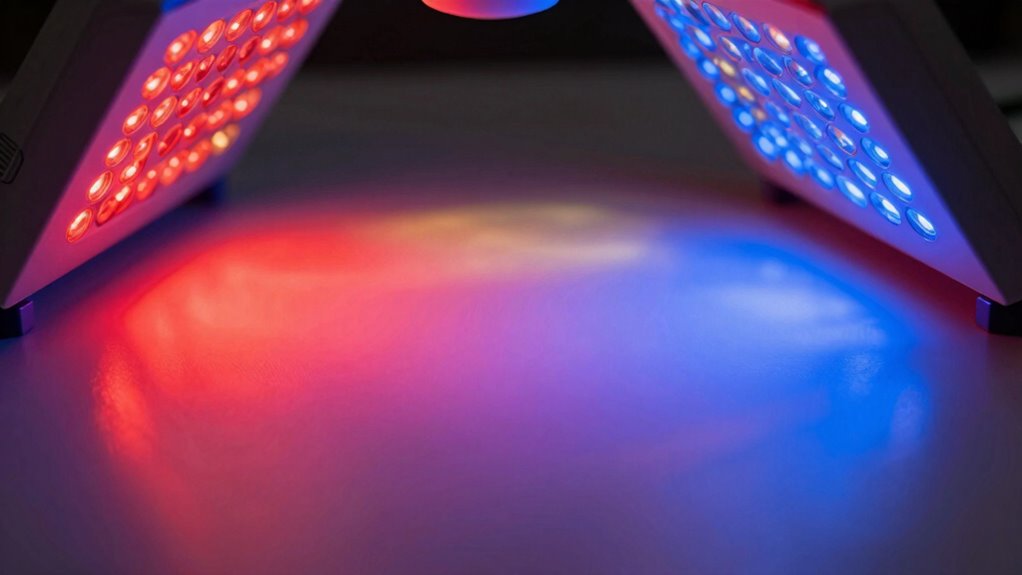
The main wavelengths used in LED light therapy typically fall into specific ranges that target different skin concerns. Historically, phototherapy has evolved from traditional light treatments to modern LED device design, allowing precise control over wavelength delivery. These wavelengths are chosen based on their ability to penetrate skin layers and stimulate cellular activity. For example, red light (around 620-750 nm) promotes collagen production and healing, while blue light (around 450-495 nm) effectively targets acne-causing bacteria. The development of LED devices has focused on optimizing these ranges for safety and efficacy. Advancements in LED technology have enhanced the precision and effectiveness of these treatments, highlighting ongoing research into wavelength optimization for specific skin issues. Understanding the phototherapy history helps explain why these specific wavelengths are favored, as they have been proven to produce beneficial skin responses without invasive procedures.
How Do Different Wavelengths Interact With Skin and Tissues
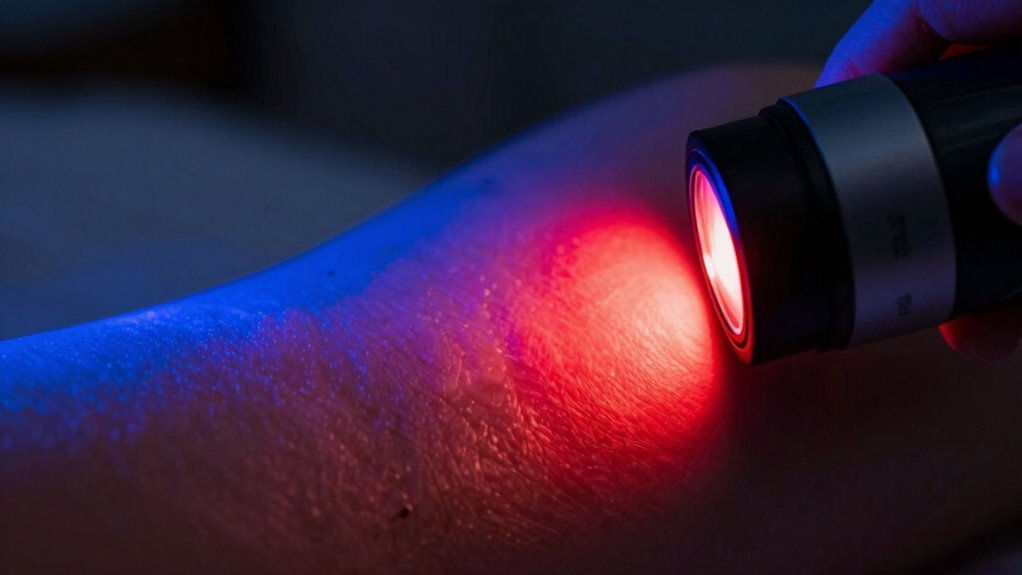
Different wavelengths penetrate skin and tissues to varying depths, influencing how they interact with your cells. This variation activates specific cellular responses that promote healing and rejuvenation. Understanding tissue interaction helps you choose the right wavelength for targeted tissue repair and skin benefits. Recognizing these penetration depths allows for more precise treatment planning and better therapeutic outcomes. A deeper knowledge of these interactions enhances your ability to select effective LED therapies based on scientific principles, including how wavelength-specific absorption impacts cellular processes.
Penetration Depth Variations
Since wavelength determines how deeply light penetrates into skin and tissues, choosing the right LED light is essential for targeted therapy, whether you’re aiming for superficial or deeper effects. Wavelength measurement helps you understand this, as shorter wavelengths like blue light are absorbed near the surface, making them ideal for skin surface issues. Longer wavelengths, such as near-infrared, penetrate deeper because of reduced light absorption by superficial layers. This variation in penetration depth depends on how different wavelengths interact with skin components. Light absorption by tissues influences how far the light travels; less absorption means deeper penetration. Understanding tissue optical properties and light-tissue interactions can help optimize treatment plans. By understanding these dynamics, you can select wavelengths that reach specific tissue depths, optimizing your treatment for desired outcomes.
Cellular Response Activation
Wavelengths determine not only how deeply light penetrates skin and tissues but also how they activate cellular responses. Different wavelengths stimulate specific cellular pathways, leading to effects like collagen production or pigment regulation. For instance, certain wavelengths target photoaging effects by encouraging collagen synthesis, reducing fine lines, and improving skin elasticity. Others focus on pigmentation targeting, helping to break down excess melanin and even skin tone. Your skin’s response depends on these interactions, which trigger cellular mechanisms such as increased ATP production and modulation of inflammatory processes. Key points include:
- Activation of fibroblasts for collagen and elastin synthesis
- Modulation of melanocyte activity for pigmentation control
- Reduction of oxidative stress at specific wavelengths
- Enhancement of cellular repair processes
- Regulation of inflammatory responses for overall skin health
- Cellular signaling is influenced by wavelength-specific interactions, further shaping the skin’s healing and rejuvenation processes. Additionally, different wavelengths can influence cellular energy production, impacting how effectively skin repairs itself. A deeper understanding of wavelength-specific responses helps optimize therapy outcomes, especially when considering the role of photobiomodulation in stimulating cellular functions.
Tissue Repair Processes
Light therapy promotes tissue repair by interacting directly with skin and underlying tissues, stimulating cellular processes that accelerate healing. Different wavelengths penetrate to various depths, targeting cells involved in repair and regeneration. For cosmetic applications, this enhances skin texture, reduces scars, and diminishes wrinkles, providing notable aesthetic benefits. Red and near-infrared light, for example, boost collagen production, helping skin maintain firmness and elasticity. Blue light, meanwhile, can reduce inflammation and kill bacteria, supporting clearer skin. By activating mitochondria within cells, light therapy increases energy production, speeding up tissue regeneration. This process not only improves skin appearance but also supports deeper healing of damaged tissues. Incorporating balanced designs can further optimize the overall effectiveness of light therapy environments by promoting harmony and comfort. Understanding wavelength penetration helps in selecting the most effective light for specific tissue repair goals. Additionally, knowledge of tissue repair processes enhances the ability to choose appropriate wavelengths for targeted healing, ensuring more precise and efficient treatment outcomes. Recognizing the importance of cellular response can lead to more tailored and effective therapy protocols. Moreover, understanding the types of tissues involved allows practitioners to customize treatments for different skin conditions. Overall, selecting the right wavelength optimizes tissue repair, making LED therapy a versatile tool for both healing and cosmetic enhancement.
How Red and Near-Infrared Light Help Rejuvenate Skin
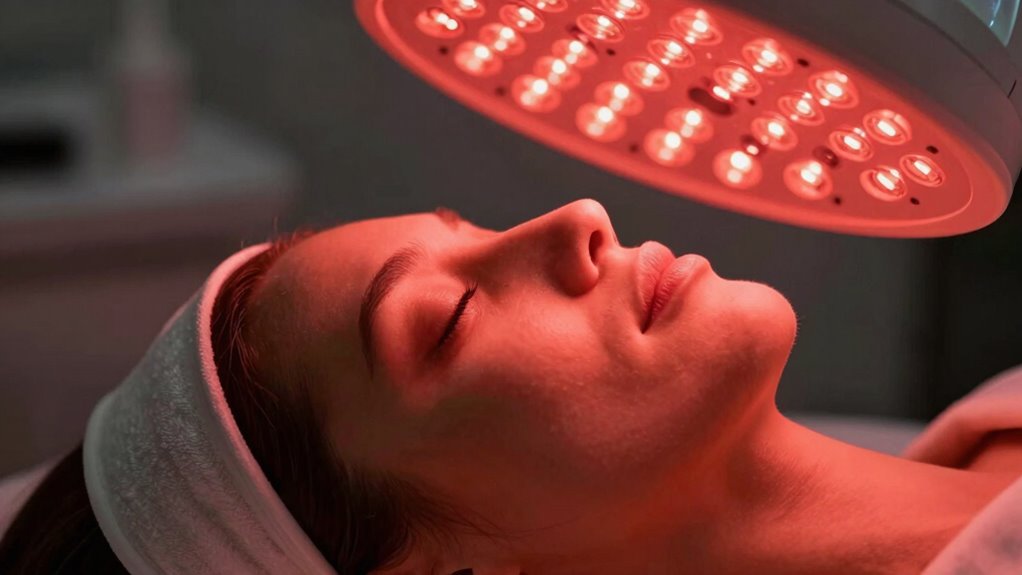
Red and near-infrared light stimulate your skin cells to repair themselves more effectively, helping to reverse signs of aging. They also encourage your body to produce more collagen, which keeps your skin firm and youthful. As a result, your skin looks smoother, brighter, and healthier. Additionally, understanding light therapy wavelengths can help you make informed decisions about safe and effective treatments. Knowing how these wavelengths interact with specific skin layers can optimize treatment effectiveness and reduce potential risks. Recognizing how glycolic acid enhances skin renewal can further support these rejuvenation processes, leading to improved skin texture and clarity. Being aware of filtration systems can also improve the overall safety and performance of your light therapy devices.
Cellular Repair Stimulation
When red and near-infrared wavelengths penetrate your skin, they stimulate cellular repair processes that can promote rejuvenation. This process enhances your skin’s ability to recover from damage, addressing issues like uneven skin pigmentation and scars. These wavelengths activate mitochondrial function, increasing energy production in your cells. As a result, your skin improves its natural healing capacity. Additionally, understanding biography details can provide insight into how perseverance and resilience are cultivated, which parallels the regenerative effects of light therapy. Mitochondrial activation plays a crucial role in supporting cellular energy and overall skin health.
- Boosts cellular energy to accelerate tissue repair
- Supports reduction of hyperpigmentation and uneven skin tone
- Promotes scar healing by encouraging tissue regeneration
- Enhances blood flow, delivering nutrients and oxygen
- Reduces inflammation, aiding recovery and skin health
This targeted stimulation helps your skin repair itself more efficiently, contributing to a smoother, healthier appearance over time.
Collagen Production Boost
Since red and near-infrared wavelengths penetrate deep into your skin, they stimulate the production of collagen—the protein responsible for maintaining skin’s firmness and elasticity. LED therapy harnesses specific wavelengths backed by wavelength science to activate your skin’s natural repair processes. When exposed to these wavelengths, your cells respond by increasing collagen synthesis, which helps reduce fine lines, wrinkles, and sagging. This rejuvenating effect is why many skincare routines incorporate red and near-infrared light treatments. Unlike superficial methods, LED therapy targets deeper layers, promoting long-term skin health. By understanding the science behind wavelength selection, you can effectively boost collagen production without harsh chemicals or invasive procedures, leading to smoother, more youthful-looking skin.
How Blue Light Treats Acne and Bacterial Skin Conditions
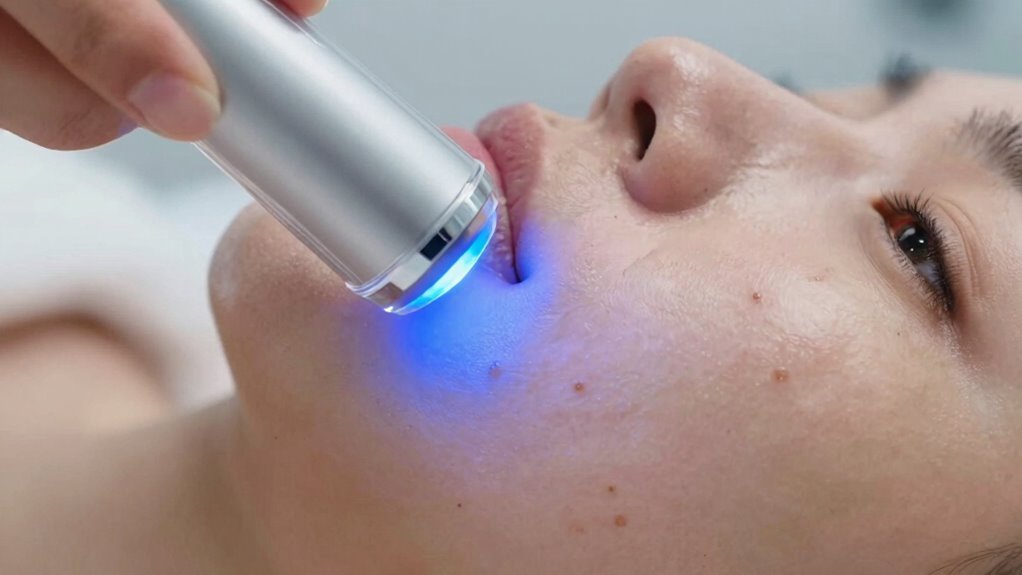
Blue light therapy effectively targets acne and bacterial skin conditions by penetrating the skin’s surface and destroying the bacteria responsible for breakouts. It works by activating porphyrins within bacterial cells, producing reactive oxygen species that kill these bacteria. This process reduces inflammation and prevents future breakouts without harsh chemicals or antibiotics.
Blue light therapy targets acne by destroying bacteria and reducing inflammation naturally.
- Penetrates deep into pores to reach bacteria hiding beneath the surface
- Reduces inflammation and redness associated with acne
- Offers a non-invasive, drug-free treatment option
- Helps prevent antibiotic resistance caused by traditional treatments
- Can be combined with other therapies for enhanced results
Are Green and Yellow Lights Effective for Pigmentation and Skin Soothing?
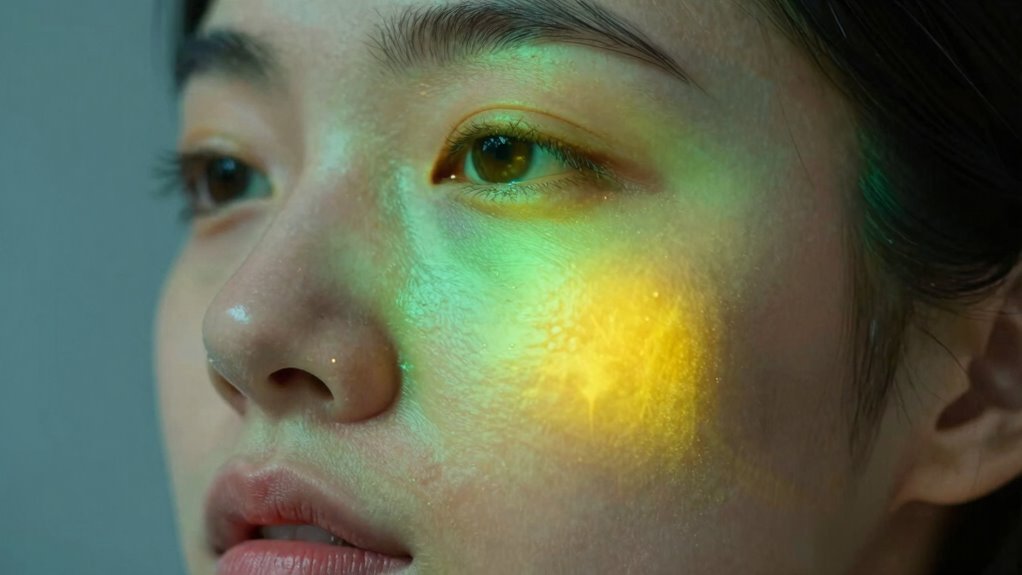
Green and yellow light therapies are gaining attention for their ability to address pigmentation issues and soothe the skin. Green light specifically targets excess pigmentation, helping to reduce redness and even out skin tone by calming overactive pigmentation cells. Yellow light, on the other hand, is known for its soothing properties, promoting skin relaxation and reducing inflammation. While some studies suggest these wavelengths can improve skin appearance, their effectiveness varies based on individual skin types and conditions. Unlike red or blue light, green and yellow lights are less extensively researched for pigmentation and soothing benefits. However, many users report a calming sensation and visible improvements in skin tone after regular use. Keep in mind, consistent treatment and realistic expectations are key to seeing results with these wavelengths.
How Wavelength Choices Impact LED Therapy Results

Your choice of wavelengths determines how deeply the light penetrates your skin and which specific issues it targets. Different wavelengths offer unique therapeutic effects, whether for healing, reducing inflammation, or boosting collagen production. Understanding these differences helps you select the most effective LED therapy for your goals.
Wavelengths and Skin Penetration
The wavelength of LED light determines how deeply it penetrates the skin, directly influencing the therapy’s effectiveness. Different wavelengths cause specific wavelength interactions that affect how light is absorbed by skin tissues. Shorter wavelengths, like blue light, mostly target surface layers, offering limited skin absorption but effective for surface conditions. Longer wavelengths, such as near-infrared, penetrate deeper, reaching underlying tissues and promoting cellular activity. This variation impacts treatment outcomes based on your goals. Consider these factors:
- Wavelengths determine skin absorption depth
- Shorter wavelengths target surface issues
- Longer wavelengths reach deeper tissues
- Wavelength interactions influence therapy results
- Deeper penetration can enhance cellular repair
Correct wavelength choices optimize skin absorption, maximizing the benefits of LED therapy.
Targeted Therapy Effects
Choosing the right wavelength for LED therapy directly influences the specific effects you can achieve. Different wavelengths target various skin layers and cellular functions, making precise wavelength calibration essential. For example, red light often promotes collagen production and reduces inflammation, while near-infrared penetrates deeper to support tissue repair. Ensuring LED safety means using devices with accurate wavelength calibration to prevent ineffective or potentially harmful exposures. When selecting wavelengths, consider your skin type and treatment goals; improper choices can diminish results or cause adverse effects. By understanding how specific wavelengths impact targeted therapy effects, you can optimize your LED treatments for better skin health. Ultimately, careful wavelength selection enhances safety, efficacy, and desired outcomes in your LED therapy routine.
Are There Risks or Side Effects From Specific LED Wavelengths?

While LED light therapy is generally considered safe, certain wavelengths can cause side effects or pose risks if not used properly. Understanding safety considerations helps you manage potential issues effectively. Some risks include skin irritation, dryness, or temporary redness, especially with overuse or sensitive skin. To guarantee safe use, keep these points in mind:
- Always follow device instructions for exposure time
- Avoid shining LEDs directly into your eyes
- Use protective eyewear if recommended
- Monitor your skin’s response and adjust frequency accordingly
- Consult a professional if you experience persistent side effects
Proper safety considerations help minimize risks, and effective side effect management ensures you benefit from LED therapy without adverse effects. Being cautious enhances your overall experience and safety.
How to Choose the Best Wavelengths for Your Skin Goals

Selecting the right LED wavelengths can considerably enhance your skin’s appearance and health, especially when you understand your specific goals. Wavelength selection is key to effective skin targeting, ensuring you focus on the issues you want to improve. For example, if you aim to reduce inflammation or redness, blue light at around 415 nm is ideal. For collagen boosting and anti-aging, opt for red light near 630-660 nm. If you’re targeting deeper skin layers or promoting healing, near-infrared wavelengths around 810-850 nm work best. Understanding your skin goals helps you choose the most appropriate wavelengths, making your LED therapy more efficient. Remember, matching the wavelength to your skin targeting needs guarantees you get the best results without unnecessary treatments.
What Does Science Say About How Effective LED Wavelengths Are?
Scientific studies have demonstrated that specific LED wavelengths can effectively target various skin concerns, providing measurable improvements. While some cosmetic claims may sound promising, it’s important to distinguish between scientific evidence and marketing hype. Research supports LED therapy’s ability to reduce inflammation, promote collagen production, and improve skin texture. However, results vary depending on individual factors and treatment protocols. Be cautious of overstated claims that promise quick fixes or dramatic results without solid backing. The effectiveness depends on proper wavelength selection, consistent treatments, and realistic expectations. It’s essential to evaluate scientific studies rather than marketing promises. Remember, not all wavelengths deliver the same benefits, and some claims may be exaggerated or misleading, emphasizing the need for critical assessment of what science actually shows.
Debunking Marketing Myths About LED Wavelengths
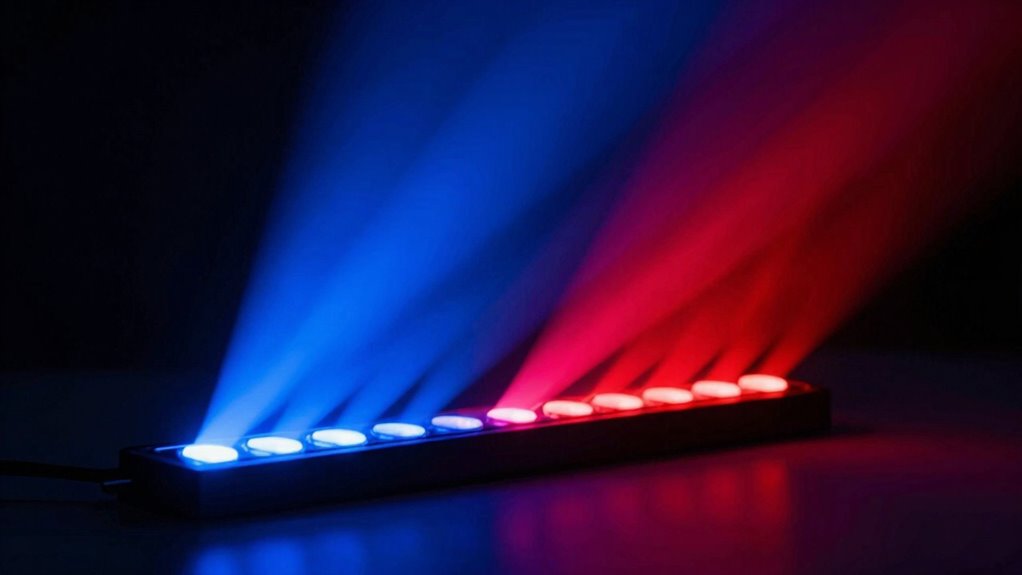
Many marketing claims about LED wavelengths promise quick, dramatic results, but these assertions often lack solid scientific backing. The marketing hype surrounding specific wavelengths fuels wavelength myths, suggesting that certain colors instantly cure skin issues or accelerate healing. However, science shows that the effectiveness of LED therapy depends on multiple factors, including wavelength, dosage, and treatment duration, not just the color of light. Be cautious of exaggerated promises that oversimplify complex biological responses. Manufacturers often highlight specific wavelengths as “miracle cures” to boost sales, but these claims rarely match the evidence. To make informed decisions, focus on credible research rather than marketing hype. Remember, no single wavelength guarantees instant results—consistent, properly administered treatments are key.
Frequently Asked Questions
Can LED Light Therapy Be Effective for All Skin Types?
Yes, LED light therapy can be effective for all skin types because of wavelength diversity. Different wavelengths target various skin concerns, making it versatile across diverse skin types. You’ll find that specific wavelengths stimulate collagen, reduce inflammation, or improve acne, regardless of your skin’s color or sensitivity. Just choose the right wavelength for your skin type and concern, and you’ll likely see positive results without worrying about skin suitability issues.
How Long Does It Take to See Results From LED Therapy?
You might be surprised how quickly you notice visible improvements from LED therapy, often within a few sessions. Typically, consistent treatment duration of 4 to 6 weeks yields noticeable results, but individual responses vary. If you stick to your regimen, you’ll likely see subtle changes early on, with more significant benefits developing over time. Patience and regular sessions are key to releasing the full potential of LED light therapy.
Are There Any Contraindications for Specific Wavelengths?
Yes, there are contraindications for specific wavelengths. If you have skin sensitivity, certain wavelengths might cause irritation or discomfort, so it’s crucial to test first. Also, consider medication interactions; some medications, like photosensitizing drugs, can increase sensitivity to light and lead to adverse effects. Always consult with a healthcare professional before starting LED therapy, especially if you have skin issues or are on medication.
How Does LED Therapy Compare to Other Skin Treatments?
You’ll find LED light therapy effective for skin rejuvenation and acne treatment, offering a non-invasive, painless alternative to traditional methods. Unlike chemical peels or laser treatments, it minimizes downtime and side effects. While it’s gentle, it still promotes collagen production and reduces inflammation, making it suitable for sensitive skin. However, for severe skin issues, consulting a dermatologist guarantees you select the best treatment plan tailored to your needs.
Is Professional LED Therapy More Effective Than At-Home Devices?
Professional LED therapy is generally more effective than at-home devices because of higher device quality and customizable treatment settings. You benefit from stronger light intensities and precise adjustments tailored to your skin’s needs. At-home devices may be more convenient, but they often lack the power and versatility that professionals offer. To see better results, investing in professional sessions ensures you get ideal wavelengths and treatment protocols suited for your skin.
Conclusion
Think of LED light therapy as a garden where each wavelength is a different seed. When you plant the right one, it nurtures your skin’s unique needs—whether it’s red for renewal or blue to keep pests at bay. By understanding these wavelengths, you’re tending your skin’s garden wisely, avoiding false promises. With patience and knowledge, you’ll nurture a healthier, more radiant bloom—your skin’s true potential flourishing beneath the light.