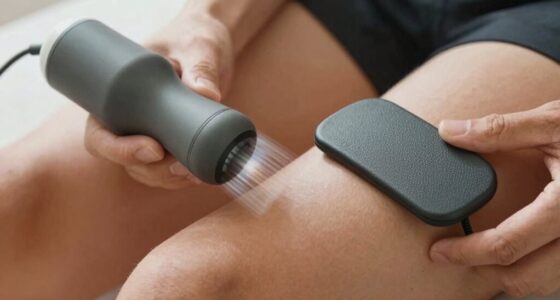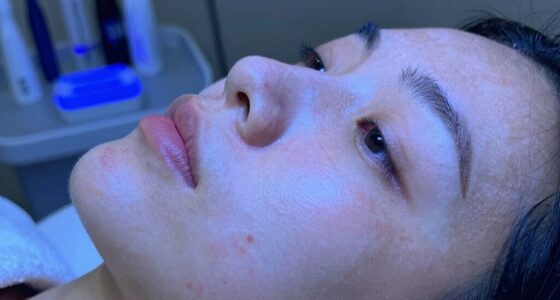
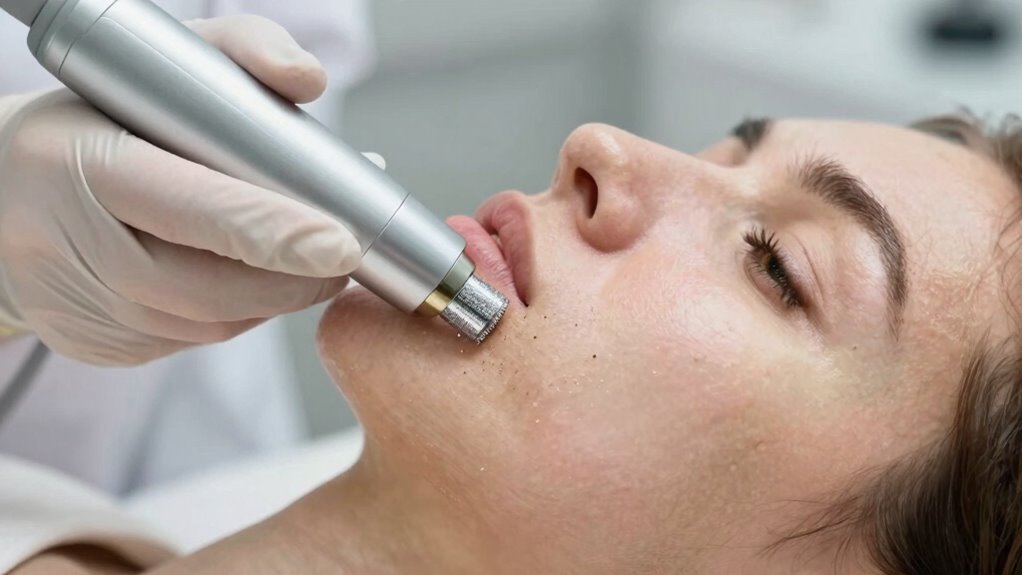

Microdermabrasion removes dead skin cells from your skin’s surface, improving texture, brightness, and reducing superficial fine lines. It also helps with uneven tone, sun damage, age spots, and enlarged pores. However, it can’t fix deep scars, severe pigmentation, or deep wrinkles. For noticeable results, multiple sessions are often needed. To discover how to get the best outcomes and what to expect, keep exploring further.
Key Takeaways
- Microdermabrasion removes surface dead skin cells, improving skin texture and brightness but does not target deep scars or pigmentation.
- It effectively reduces superficial fine lines and superficial discoloration but cannot treat deep wrinkles or severe scars.
- The treatment stimulates collagen production, enhancing skin elasticity over time, yet it offers limited tightening of sagging skin.
- Microdermabrasion is a surface-level procedure, so it cannot remodel deep tissue or significantly improve deep skin issues.
- For deep scars, pigmentation, or severe skin concerns, more advanced treatments like laser therapy or microneedling are recommended.
What Does Microdermabrasion Remove From Your Skin?
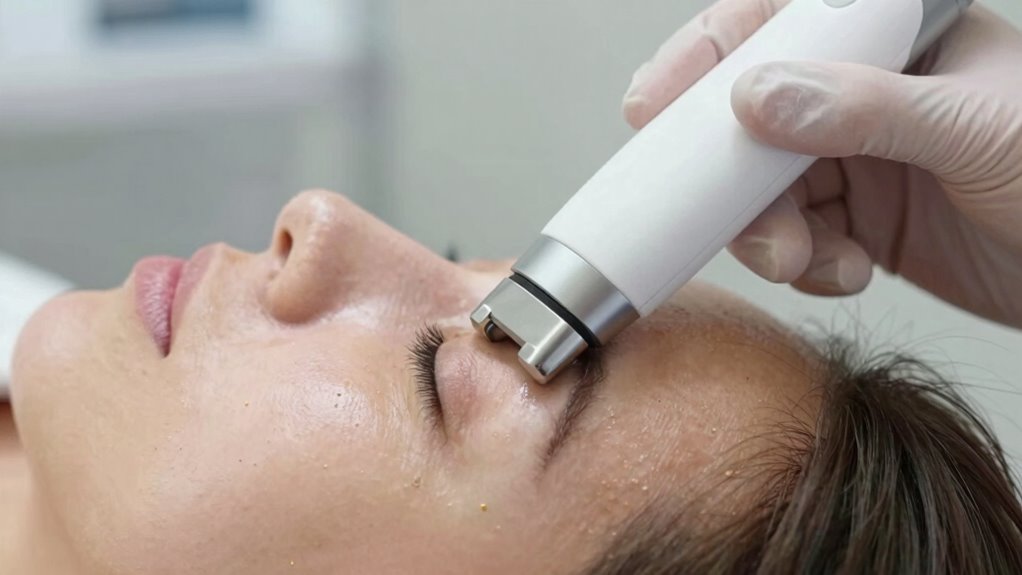
Microdermabrasion effectively removes dead skin cells, revealing fresher, smoother skin underneath. This treatment targets surface imperfections like sun damage and age spots, making your skin look brighter and more even. If you have dull skin from prolonged sun exposure, microdermabrasion can help lift away the damaged outer layer, reducing the appearance of dark spots caused by aging or sun spots. It’s especially effective for diminishing superficial discoloration, giving your skin a more uniform tone. Keep in mind, though, microdermabrasion primarily addresses surface issues and isn’t a cure-all for deeper pigmentation problems. Regular treatments can gradually improve your skin’s overall look, but it’s important to set realistic expectations about what it can and can’t remove. Understanding skin health can help you better manage your expectations and choose appropriate skincare treatments. Additionally, understanding skin rejuvenation techniques can aid in selecting complementary procedures that target deeper skin concerns. Proper skincare following treatments can also enhance results and protect your skin from environmental damage. Incorporating professional skincare advice can further optimize your microdermabrasion results by guiding you on suitable post-treatment routines. Being aware of skin barrier health can also help prevent irritation and promote faster recovery after treatments.
How Microdermabrasion Can Improve Fine Lines, Texture, and Hyperpigmentation
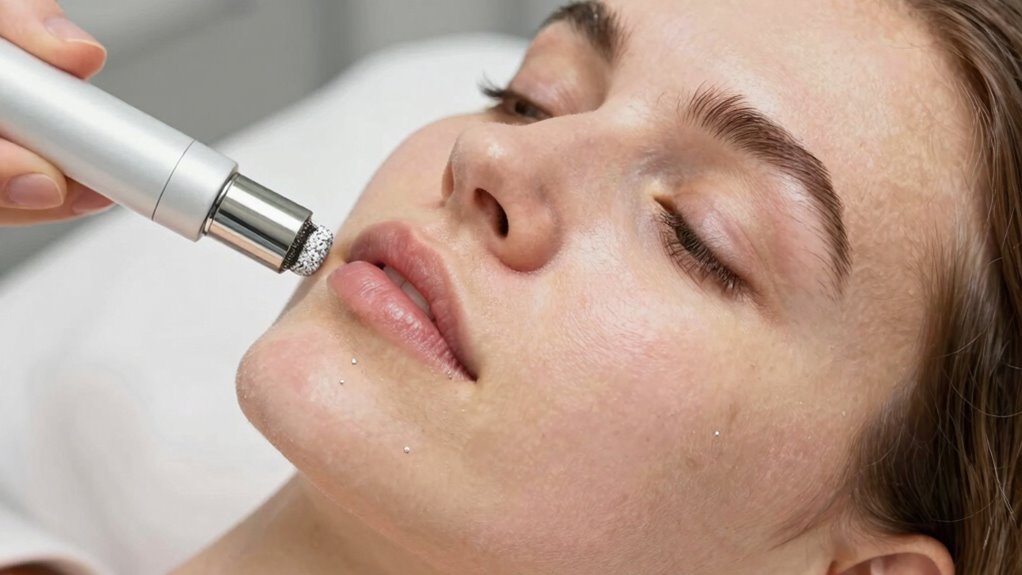
If you’re looking to reduce fine lines, improve skin texture, and address hyperpigmentation, microdermabrasion offers a promising solution. Unlike chemical exfoliation, which uses acids or enzymes, microdermabrasion physically buffs away dead skin cells, revealing fresher, smoother skin underneath. This process stimulates collagen production, helping to diminish fine lines over time. It also evens out skin tone, reducing hyperpigmentation and giving your skin a more uniform appearance. Regular treatments can make your skin feel softer and look brighter. Keep in mind, though, that after microdermabrasion, sun protection is essential. Your skin becomes more sensitive to UV rays, so applying broad-spectrum sunscreen helps maintain your results and prevents new hyperpigmentation from forming. Understanding the exfoliation process can help you appreciate how microdermabrasion enhances skin renewal and overall complexion. Additionally, knowing about skincare maintenance can help prolong the benefits of your treatments and keep your skin healthy. Incorporating proper post-treatment care can further optimize your results and support your skin’s recovery.
What Microdermabrasion Can’t Fix: Its Limitations
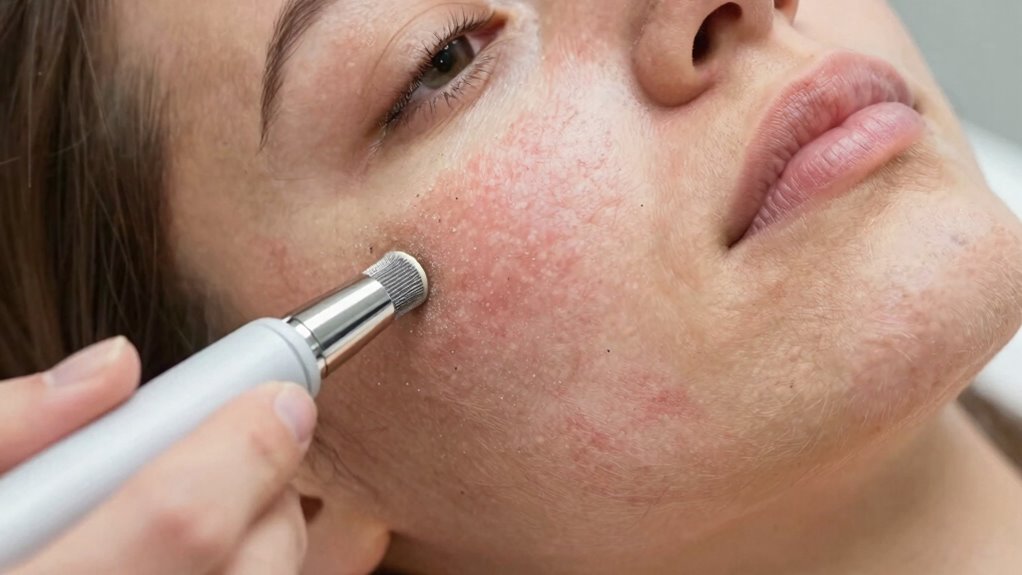
Microdermabrasion isn’t a solution for deep scars or severe skin issues. If your skin has significant scarring or certain conditions, this treatment may not produce noticeable improvements. Knowing its limitations helps you set realistic expectations and explore other options if needed. Additionally, sticking wall decor techniques can help you enhance your space without relying solely on skin treatments.
Deep Scarring Limits
Deep scars often pose a substantial challenge because their depth and texture can be too severe for microdermabrasion to effectively improve. When scar tissue extends deep into the skin, surface treatments can’t fully address the irregularities or break down dense collagen. Microdermabrasion primarily targets surface-level issues, so it has limited impact on deep scarring. Additionally, scar tissue can cause pore size to remain enlarged, as the skin’s structure is permanently altered. If you have deep scars, you’ll likely need more advanced procedures like laser therapy or microneedling for noticeable results. Microdermabrasion is great for superficial scars and surface imperfections, but it isn’t designed to remodel deep tissue or considerably reduce the texture of severe scars. Since deep scarring often involves complex changes to skin structure, understanding the contrast ratio of your treatments can help set realistic expectations for results. Furthermore, the inability of microdermabrasion to penetrate deeply is due to its surface-level mechanism, limiting its effectiveness on more severe skin issues. The depth of the scars also influences how well the skin responds to non-invasive treatments. Recognizing the limitations of microdermabrasion helps in choosing appropriate skincare strategies or professional interventions.
Skin Conditions Not Corrected
While microdermabrasion can improve many surface imperfections, it has clear limitations when it comes to certain skin conditions. It isn’t effective for removing age spots that are deep or caused by sun damage, as these often require more advanced treatments like laser therapy. Additionally, microdermabrasion doesn’t provide skin tightening benefits; it only exfoliates the surface. If you’re hoping to address sagging or loose skin, you’ll need procedures specifically designed for skin tightening, such as radiofrequency or ultrasound treatments. Microdermabrasion mainly targets superficial issues like fine lines or minor pigmentation, but it can’t correct deeper or more complex conditions. Understanding these limits helps set realistic expectations for what microdermabrasion can and can’t do for your skin. skin conditions that involve deeper layers often require more intensive treatments beyond surface exfoliation. For example, it is not a substitute for treatments targeting deep scars or significant sun damage.
How Many Treatments Are Needed to See Results?
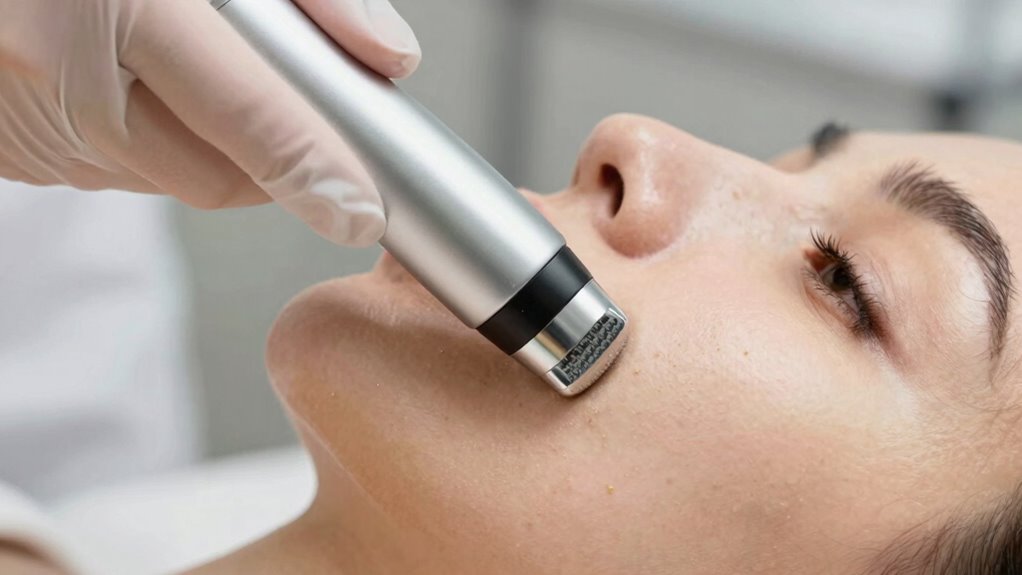
Most people start to notice improvements after just one or two treatments, but achieving ideal results usually requires a series of sessions. Typically, you might need 4-6 treatments spaced a few weeks apart to see significant changes. Consistency is key to reducing age spots and minimizing pore size effectively. With each session, you’ll notice your skin becoming clearer, smoother, and more even-toned. Patience pays off, and the results will build gradually. Keep in mind that individual results vary based on skin type and concerns. Staying committed to your treatment plan will help you enjoy long-lasting improvements. Don’t get discouraged if you don’t see dramatic changes immediately—microdermabrasion works gradually to reveal healthier, more radiant skin. Proper aftercare can also enhance your results and support skin healing, ensuring that the benefits of the treatment are maintained over time. Additionally, understanding skincare routines can help you maximize the benefits of your treatments. Recognizing the importance of dermatological treatments like microdermabrasion can lead to better overall skin health.
Which Skin Concerns Benefit Most From Microdermabrasion?
If you’re looking to brighten dull skin or reduce fine lines, microdermabrasion can be highly effective. It targets surface imperfections and encourages healthier skin renewal. This treatment is ideal if you want a more radiant, youthful appearance. Additionally, microdermabrasion can help improve skin texture by removing dead skin cells and promoting a smoother surface media literacy. The process also stimulates collagen production, which can enhance skin elasticity over time Youngster Choice. Regular treatments may also help in controlling excess oil and reducing the appearance of enlarged pores, contributing to a clearer complexion glycolic acid benefits. It’s important to note, however, that microdermabrasion does not remove deep scars or significant pigmentation, which may require other specialized treatments skin concerns.
Dull Skin Brightening
Dull, tired-looking skin often responds well to microdermabrasion because the treatment effectively exfoliates dead surface cells that contribute to a lackluster appearance. If you’re seeking brighter, more radiant skin, this procedure can give you noticeable results. It removes dull skin layers, revealing a fresh, luminous layer underneath. Microdermabrasion boosts your skin’s natural brightening process, leaving you with a vibrant glow. Imagine waking up every day with skin that looks more energized and healthy. This treatment is especially beneficial if you feel your complexion has lost its radiance over time. Experience the confidence of a more luminous look, and say goodbye to dullness and uneven tone. Your skin’s natural brightness can be restored with consistent microdermabrasion sessions.
- Reclaim your youthful glow
- Feel confident in your radiant skin
- Brighten your complexion effortlessly
Fine Lines Reduction
Microdermabrasion is particularly effective for reducing fine lines and wrinkles, especially around the eyes, mouth, and forehead. It targets early aging signs by stimulating collagen production, which helps improve skin elasticity. This treatment smooths superficial lines, making them less noticeable and restoring a more youthful appearance. While it’s best suited for mild to moderate aging signs, deeper wrinkles may require advanced procedures. To understand its benefits better, consider this comparison:
| Benefit | Details |
|---|---|
| Collagen Boost | Enhances skin firmness and elasticity |
| Surface Smoothing | Reduces fine lines and superficial wrinkles |
| Skin Renewal | Promotes cell turnover for fresher skin |
| Limitations | Less effective on deep wrinkles or sagging |
| Ideal Candidates | Those with early aging signs seeking subtle improvement |
How Does Microdermabrasion Compare to Other Skin Resurfacing Treatments?
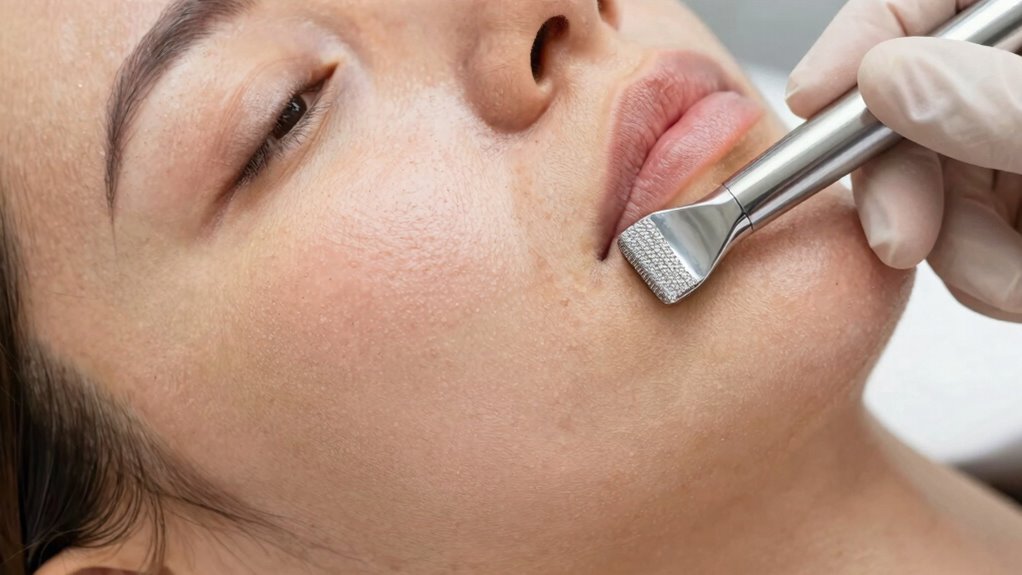
While microdermabrasion is often considered a gentle and quick skin treatment, it differs markedly from other skin resurfacing options like chemical peel or laser therapy in its depth and purpose. Microdermabrasion offers a mild exfoliation that refreshes your skin without significant downtime, making it ideal for light surface issues. Chemical peels penetrate deeper, targeting more stubborn discoloration and fine lines, while laser therapy can address scars and deeper wrinkles with precision. Choosing between these depends on your skin goals and sensitivity.
- Feel the confidence of smoother, brighter skin after each session
- Experience the thrill of revealing a fresh, youthful glow
- Rest easy knowing microdermabrasion is gentle yet effective for subtle improvements
Tips to Maximize Your Microdermabrasion Results and When to Seek Additional Care
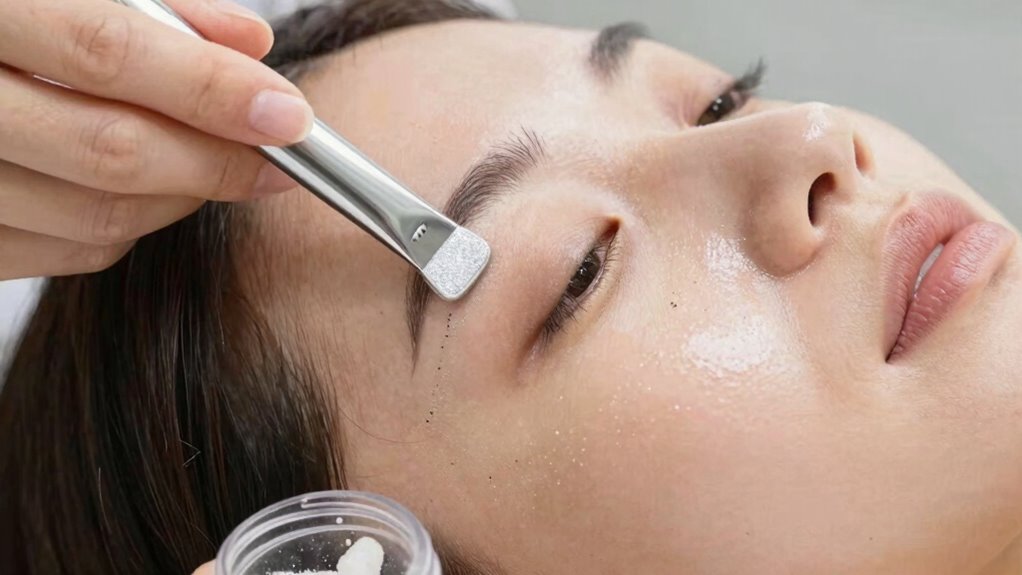
To get the best results from your microdermabrasion treatments, it is vital to follow a few simple tips. First, avoid overdoing it, as excessive treatments can increase skin sensitivity and cause irritation. After each session, protect your skin from the sun by applying broad-spectrum sunscreen daily; sun exposure can worsen redness and damage. Keep your skin hydrated and use gentle skincare products to support recovery. If you notice persistent redness, extreme sensitivity, or worsening skin condition, it’s time to seek additional care from a dermatologist. Be cautious with at-home treatments if your skin is especially sensitive, and always follow professional advice. Proper post-treatment care ensures maximum results and minimizes risks, helping your skin look healthier and more radiant.
Frequently Asked Questions
Is Microdermabrasion Safe for Sensitive Skin Types?
Yes, microdermabrasion can be safe for sensitive skin, but you need to take into account skin sensitivity and follow treatment precautions. Make sure to consult with a skincare professional who can customize the procedure for your skin type. They might use gentler techniques or avoid certain areas, reducing the risk of irritation. Always communicate your skin concerns beforehand, and follow post-treatment care instructions to ensure safe, effective results.
Can Microdermabrasion Help With Acne Scars?
Yes, microdermabrasion can help with acne scars by promoting scar fading and pore refinement. It gently exfoliates the skin, encouraging new cell growth, which decreases the appearance of scars over time. Keep in mind, consistent treatments are key, and while it improves skin texture, deeper scars may need additional procedures. Always consult a dermatologist to verify microdermabrasion suits your skin type and scar severity.
How Does Weather Affect Microdermabrasion Results?
Weather considerably impacts your microdermabrasion results. High humidity levels during seasonal changes can cause your skin to become more oily or inflamed, which may reduce the treatment’s effectiveness or cause irritation. Conversely, dry, cold weather can make your skin more sensitive and prone to redness. To get the best results, schedule treatments when humidity levels are stable, and follow post-care advice to protect your skin from weather-related stress.
Are There Any Side Effects After Treatment?
After your microdermabrasion, you might experience some skin irritation and temporary redness. These side effects are common and usually fade within a few hours to a couple of days. To minimize discomfort, follow your practitioner’s aftercare instructions, avoid sun exposure, and use gentle skincare products. If irritation persists or worsens, contact your skincare professional promptly to guarantee proper healing and avoid complications.
What Skincare Should I Use Post-Microdermabrasion?
After microdermabrasion, you should use a gentle, post-treatment moisturizer to hydrate your skin and aid recovery. It’s also essential to follow sun protection tips, like applying broad-spectrum sunscreen daily, to prevent irritation and damage. Avoid harsh products, and opt for soothing ingredients like aloe vera or hyaluronic acid. This care helps your skin heal faster and maintains your glow, ensuring you get the best results from your treatment.
Conclusion
Microdermabrasion can effectively refresh your skin by removing dead cells and improving texture. Did you know over 70% of users see noticeable results after just a few treatments? While it’s great for smoothing fine lines and reducing hyperpigmentation, it’s not a cure-all. To get the best results, follow your dermatologist’s advice and consider complementary treatments. With consistent care, you’ll enjoy healthier, more radiant skin that boosts your confidence every day.