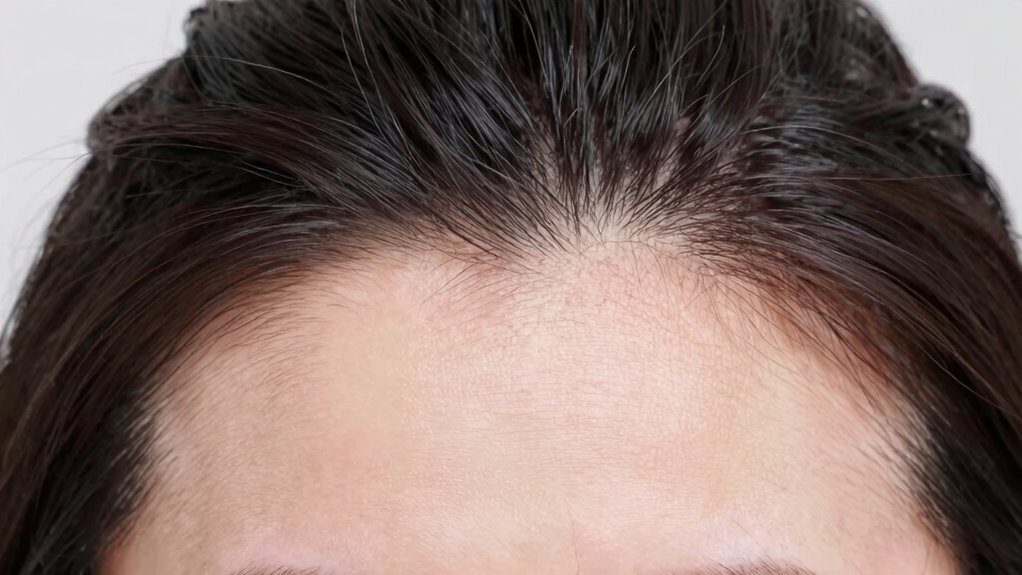

Your scalp is skin too, so it needs daily care like your face. Many people forget to exfoliate, nourish, or use gentle products that match their scalp type. Regularly cleaning, massaging, and paying attention to signs of dryness or oiliness can prevent issues like dandruff and irritation. If you want healthier hair and a happier scalp, understanding these simple rules is key—keep going to uncover more about what your scalp truly needs.
Key Takeaways
- Regular scalp exfoliation prevents buildup and promotes healthy hair growth by removing dead skin cells.
- Gentle cleansing with appropriate products maintains scalp pH balance and prevents dryness or excess oil.
- Scalp massage boosts circulation, nourishes follicles, and enhances product absorption.
- Monitoring scalp signs like redness, flakiness, or irritation enables early intervention and prevents worsening.
- Tailoring hair and scalp care based on individual scalp type and ethnicity optimizes overall scalp health.
Why Your Scalp Needs Skincare Just Like Your Face
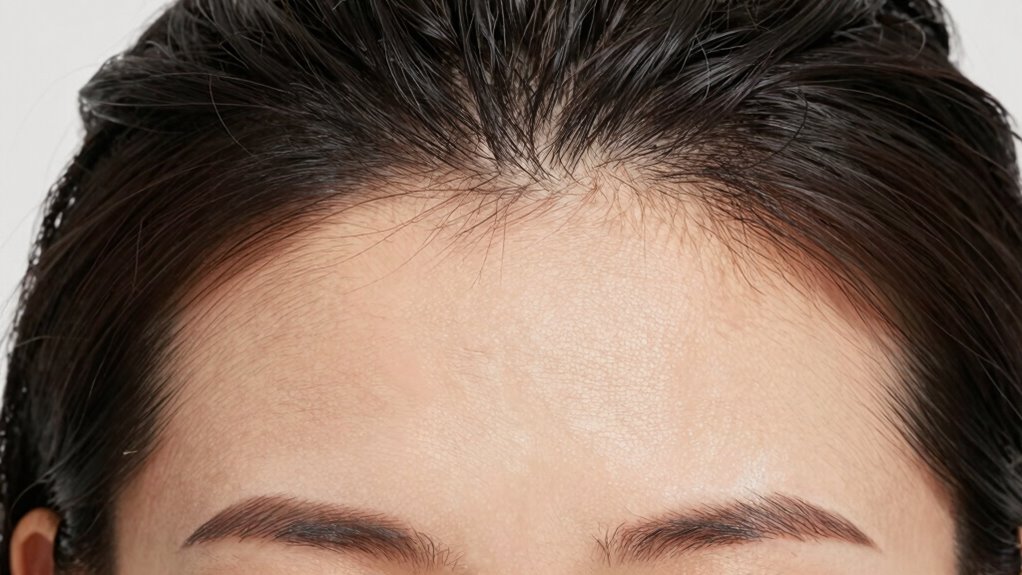
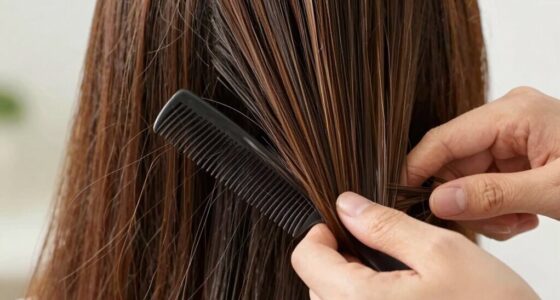
Since your scalp is also skin, it’s just as important to care for it daily. Regular scalp exfoliation helps remove dead skin cells and product buildup, preventing clogged pores and promoting healthier hair growth. Incorporate gentle exfoliating treatments or brushes into your routine a few times a week to keep your scalp fresh. Additionally, don’t underestimate the power of scalp massage. Massaging your scalp stimulates blood flow, which nourishes hair follicles and promotes relaxation. It also helps distribute natural oils evenly, maintaining a healthy scalp environment. Just like your face, your scalp benefits from consistent care. By exfoliating and massaging regularly, you’re supporting a cleaner, healthier scalp that’s ready to grow strong, beautiful hair. Paying attention to color accuracy in your scalp care products can ensure you’re choosing the right formulations for your skin type, enhancing overall results. Incorporating at-home beauty tech devices designed for scalp care can further optimize your routine and support healthier hair growth. Additionally, choosing products with sustainable ingredients can help protect both your scalp and the environment. Being aware of product safety standards can help you select safer, more effective options for your scalp care routine.
Common Scalp Problems: Dryness, Dandruff, and Excess Oil
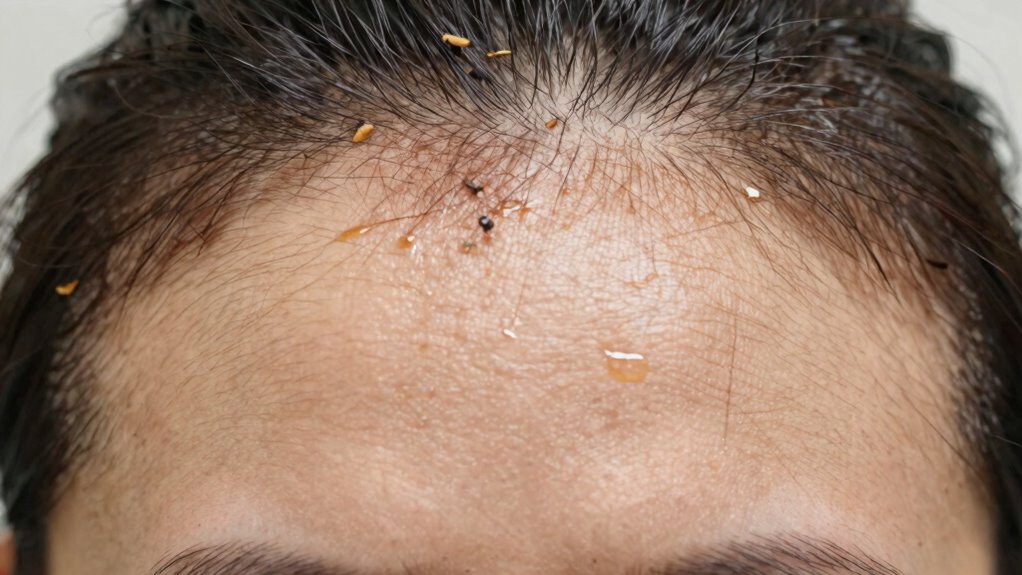
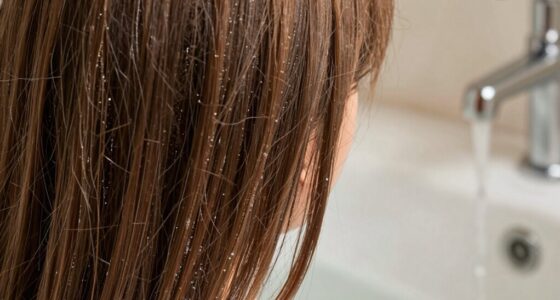
Just as your scalp needs regular exfoliation and massage, it’s also prone to specific issues that can affect your hair health. Dryness, dandruff, and excess oil are common problems caused by imbalances in your scalp microbiome and disrupted scalp pH balance. When your scalp’s pH is off, it can lead to dryness or oil buildup. Dandruff often results from a yeast overgrowth, while dryness can stem from over-washing or harsh products. Excess oil, on the other hand, clogs follicles and promotes dandruff. Recognizing these issues early helps you restore balance. Use gentle, pH-balanced products to support your scalp’s microbiome and keep it healthy. Here’s a quick overview:
| Problem | Cause |
|---|---|
| Dryness | pH imbalance, over-washing |
| Dandruff | Yeast overgrowth |
| Excess Oil | Overactive sebaceous glands |
Maintaining a healthy scalp also involves proper hygiene and avoiding harsh chemicals that can disrupt the natural balance. Incorporating scalp microbiome support through targeted products can further enhance scalp health and prevent these common issues.
How to Spot the Signs of Scalp Issues and What They Mean
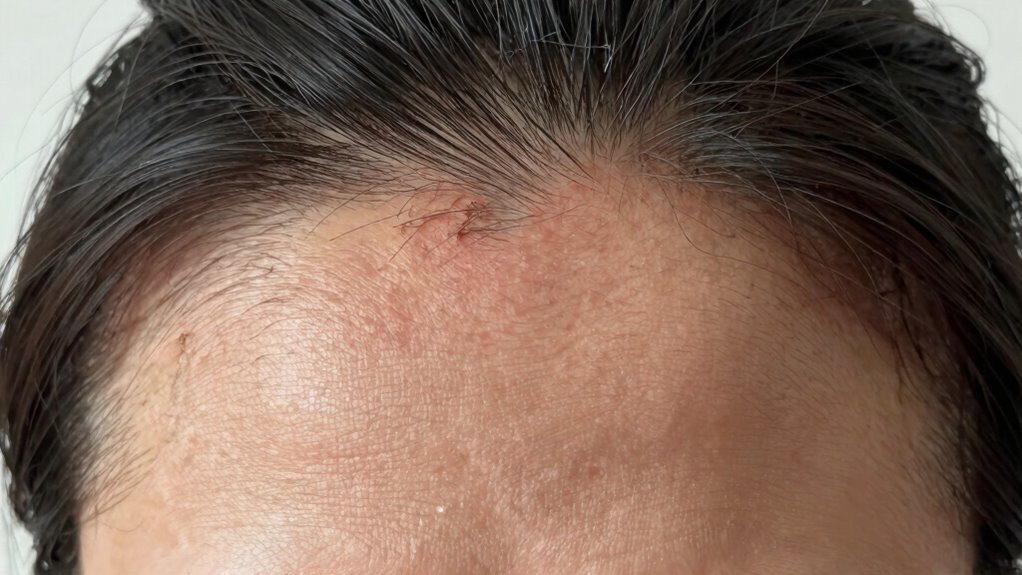
Recognizing the signs of scalp issues is essential for maintaining healthy hair. If you notice persistent redness, swelling, or pus, you might have a scalp infection that needs treatment. Itching and burning sensations can signal allergic reactions to hair products or environmental factors. Look for flaky patches or sores that won’t heal, as these could indicate underlying problems like dermatitis or infection. Excessive oiliness combined with inflammation may also point to seborrheic dermatitis. Pay attention to changes in texture or color—discoloration, scaly areas, or unusual bumps signal that your scalp isn’t healthy. Promptly identifying these signs helps you address issues early, preventing further damage and discomfort. Additionally, understanding common scalp conditions can help you better recognize and respond to these signs. Being aware of scalp health indicators can lead to more effective treatments and healthier hair in the long run. If you suspect an infection or allergic reaction, consult a professional for accurate diagnosis and treatment. Regular scalp inspections and understanding proper scalp care should be part of your routine to maintain optimal scalp health, especially considering the impact of modern hair products and environmental factors on scalp integrity.
The Best Products and Treatments for Your Scalp Type
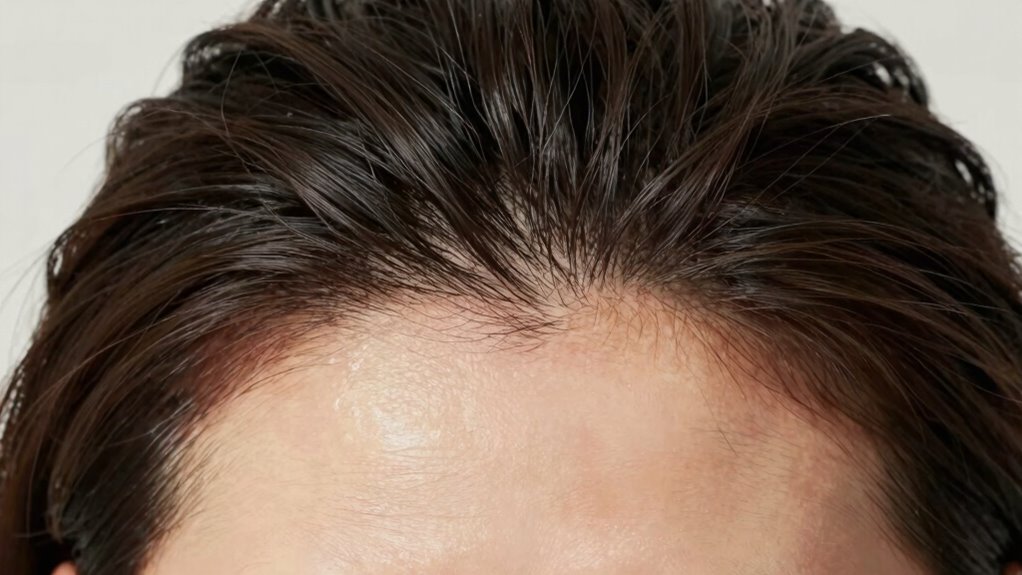
Choosing the right products for your scalp starts with understanding your specific needs. Tailored scalp cleansers can help remove buildup without stripping moisture, while nourishing treatments soothe and strengthen your skin. By selecting options suited to your scalp type, you’ll support healthier hair and a more comfortable scalp. Incorporating scalp health practices into your routine can further enhance overall aesthetics and promote a balanced scalp environment. Additionally, using smart appliance technology such as scalp massagers or cleansing devices can optimize your care routine and improve product absorption. Employing vacuum features like adjustable suction power can also aid in deep cleansing and product penetration. Being aware of scalp type helps ensure you choose the most effective products and treatments for your individual condition.
Tailored Scalp Cleansers
Finding the right scalp cleanser starts with understanding your specific scalp type. If you have oily scalp, look for formulas that promote scalp exfoliation to remove excess oil and buildup. For dry or sensitive scalps, opt for gentle, hydrating cleansers that soothe irritation. Tailored scalp cleansers often include ingredients like salicylic acid or tea tree oil to target your unique needs. When cleansing, incorporate scalp massage to stimulate blood flow and loosen dead skin cells, enhancing the effectiveness of the product. Regular scalp exfoliation helps prevent clogged follicles and promotes healthier hair growth. Additionally, proper ventilation and sanitation of your scalp care products and tools can prevent bacterial buildup and scalp issues. Proper scalp hygiene practices, including avoiding sharing tools and regularly cleaning brushes, are essential for maintaining a healthy scalp. Remember, choosing a product suited to your scalp type guarantees you don’t strip away natural oils or cause irritation, keeping your scalp balanced and your hair looking its best. Maintaining proper scalp hygiene also supports overall scalp health and reduces the risk of infections, especially when combined with appropriate product storage practices. Incorporating scalp health knowledge can further optimize your hair care routine for lasting results.
Nourishing Treatment Options
After selecting a scalp cleanser that suits your specific needs, nourishing treatments can further enhance scalp health and support hair growth. These treatments help restore your scalp’s microbiome and promote scalp detoxification, creating a balanced environment for strong, healthy hair. Choose products like scalp oils, serums, or masks designed to hydrate and nourish without clogging pores. Look for ingredients such as antioxidants, vitamins, and natural extracts that soothe inflammation and foster microbial balance. Think of your scalp as a garden—proper nourishment keeps it thriving. Incorporating vetting products ensures safety and effectiveness for your scalp care routine. Additionally, understanding your ethnicity can help you select targeted treatments that address specific scalp and hair needs. Being aware of your scalp’s microbiome can guide you toward products that support its natural diversity and resilience.
Daily Habits to Keep Your Scalp Healthy and Happy

Maintaining a healthy scalp starts with simple daily habits that promote cleanliness and balance. First, prioritize scalp hydration by using gentle, moisturizing shampoos that prevent dryness and flakiness. Drinking plenty of water also helps keep your scalp’s skin supple and healthy. Incorporate scalp exfoliation into your routine a few times a week to remove dead skin cells and prevent buildup, which can clog hair follicles. Use a soft brush or exfoliating treatment designed for the scalp to stimulate circulation and maintain clear pores. Avoid over-washing, which can strip natural oils and cause dryness, and be mindful of harsh products that upset your scalp’s pH. Consistent, gentle care helps keep your scalp balanced, happy, and ready for healthy hair growth.
When to See a Dermatologist for Persistent Scalp Concerns
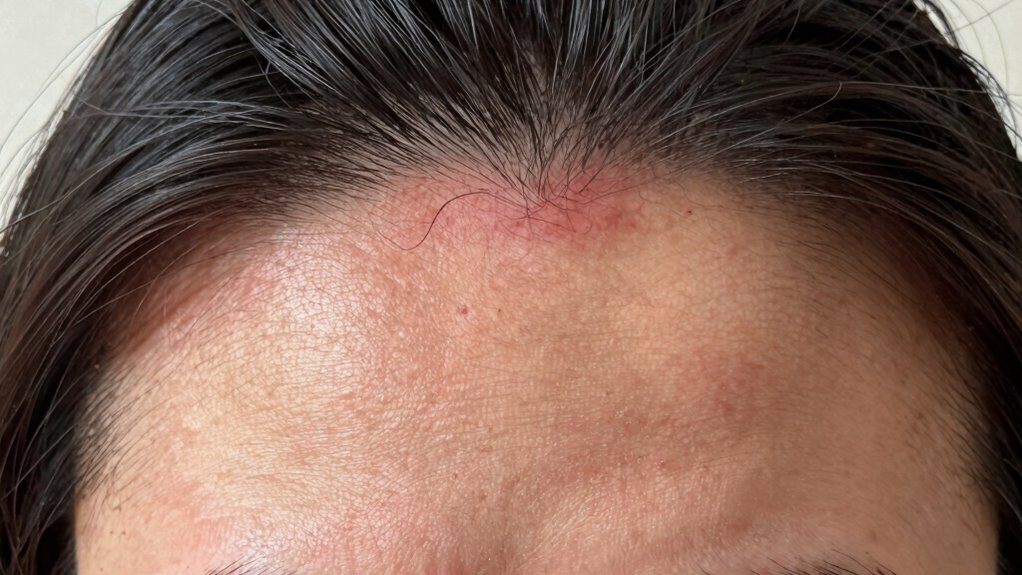
If you notice persistent itching or flaking that doesn’t improve with usual treatments, it’s time to see a dermatologist. Sudden hair loss or unusual discoloration on your scalp shouldn’t be ignored either, as they could signal an underlying issue. Addressing these concerns early can help prevent more serious problems down the line.
Persistent Itching or Flaking
Persistent itching or flaking on your scalp that doesn’t improve with over-the-counter treatments is a clear sign you should see a dermatologist. Your scalp’s sensitivity can cause discomfort, but persistent symptoms might also indicate fungal infections or other underlying conditions. If your scalp feels inflamed, inflamed, or if flakes persist despite medicated shampoos, it’s time to seek professional help. Fungal infections like dandruff or seborrheic dermatitis often need targeted treatments that only a dermatologist can prescribe. Ignoring these symptoms can lead to worsening irritation or secondary infections. Don’t delay consulting a specialist if your symptoms persist, especially if you notice redness, swelling, or discomfort. Early diagnosis guarantees proper care and relief, preventing minor issues from becoming more serious.
Sudden Hair Loss
Sudden hair loss can be alarming and often signals an underlying scalp issue that needs professional attention. It might be caused by factors like scalp genetics, which influence how your hair responds to stress or aging. You could notice patches of thinning or a rapid drop in hair volume. If you recently used harsh hair dye or skipped patch tests, chemical damage might be to blame.
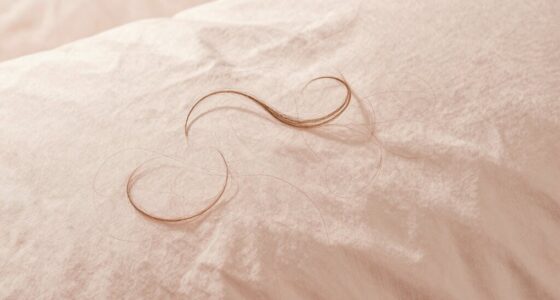
- Clumps of hair on your pillow or shower drain
- Sudden thinning in specific areas
- Burning or itching sensations on your scalp
- Noticeable changes after chemical treatments or styling
If these signs persist, it’s time to see a dermatologist. They can evaluate your scalp health and rule out conditions like alopecia or scalp infections. Addressing issues early ensures better outcomes.
Unusual Scalp Discoloration
Unusual discoloration on your scalp can be a sign that you need professional evaluation, especially when it doesn’t fade or improve over time. Persistent scalp pigmentation changes, such as dark patches, light spots, or uneven discoloration, shouldn’t be ignored. These signs could indicate underlying conditions like infections, dermatitis, or pigmentary disorders. If you notice an unusual discoloration that persists, consult a dermatologist promptly. They can determine whether it’s harmless or requires treatment. Sometimes, pigmentation issues are linked to scalp conditions or skin diseases that need medical attention. Don’t delay seeking help if you’re concerned about persistent scalp pigmentation, as early diagnosis can prevent complications and ensure your scalp stays healthy. Your scalp’s appearance is a crucial indicator of overall skin health.
Frequently Asked Questions
Can Scalp Care Improve Hair Growth?
Yes, scalp care can improve hair growth. When you maintain proper scalp pH balance, you prevent issues like dryness and irritation that can hinder hair follicles. By using gentle cleansers and avoiding harsh chemicals, you support hair follicle health, leading to stronger, thicker hair. Regular scalp massages and treatments boost circulation, promoting growth. Taking good care of your scalp creates a healthy environment for hair to thrive.
Are Natural Oils Beneficial or Harmful for My Scalp?
Did you know that 60% of people with dry scalps find natural oils beneficial? Natural oils can boost your scalp health by moisturizing and reducing inflammation, but only if used correctly. They help maintain the skin’s barrier and prevent dryness or irritation. However, too much or wrong oils can clog pores. Use lightweight, non-comedogenic oils in moderation to support your scalp health and avoid harm.
How Often Should I Wash My Scalp?
You should wash your scalp 2 to 3 times a week, adjusting based on your hair type and scalp condition. Regular hair washing helps remove excess oils, dirt, and product buildup, but avoid overdoing it, as it can strip natural oils. Incorporate scalp exfoliation once a week to prevent buildup and maintain healthy hair. Finding the right hair washing frequency balances cleanliness with natural oil preservation for ideal scalp health.
Do Scalp Conditions Affect Hair Color?
Yes, scalp conditions can affect hair color by impacting scalp health and pigment retention. An imbalanced scalp pH balance can lead to dryness or oiliness, which may dull or alter your hair color over time. Regular scalp exfoliation helps remove buildup and promotes healthy follicles, maintaining vibrant color. Keep your scalp clean and balanced to preserve your hair’s true hue and prevent color fading caused by scalp issues.
What Ingredients Should I Avoid in Scalp Products?
An ounce of prevention is worth a pound of cure. You should avoid ingredients like alcohol, sulfates, and parabens in scalp products, especially if you have scalp sensitivity. These can irritate your skin and compromise ingredient safety. Always check labels carefully, and opt for gentle, natural options. Staying vigilant helps protect your scalp’s health, ensuring your hair stays vibrant and your scalp stays comfortable.
Conclusion
Remember, your scalp deserves just as much care as your face. Ignoring signs of dryness, dandruff, or oiliness can lead to bigger problems down the line. Are you giving your scalp the attention it needs every day? By following simple routines and choosing the right products, you can keep your scalp healthy and your hair looking its best. Don’t wait for discomfort—your scalp’s health is worth it!