
Your scalp may itch the day after washing because it’s becoming dry from over-washing or harsh shampoos that strip natural oils. Product buildup from styling products can also clog pores and cause irritation. If you overuse strong shampoos or wash too frequently, your scalp may struggle to stay balanced. To fix this, switch to gentle, hydrating products and avoid over-washing. Keep going to learn more tips to soothe your scalp and prevent future discomfort.
Key Takeaways
- Overwashing can strip natural oils, leading to scalp dryness and itchiness the next day.
- Residual styling products left after washing can cause irritation and itching.
- Using harsh shampoos may disrupt the scalp’s oil balance, resulting in dryness and discomfort.
- Buildup from products or dirt may clog hair follicles, causing itching post-wash.
- Inadequate rinsing or infrequent washing can leave residues that irritate the scalp overnight.
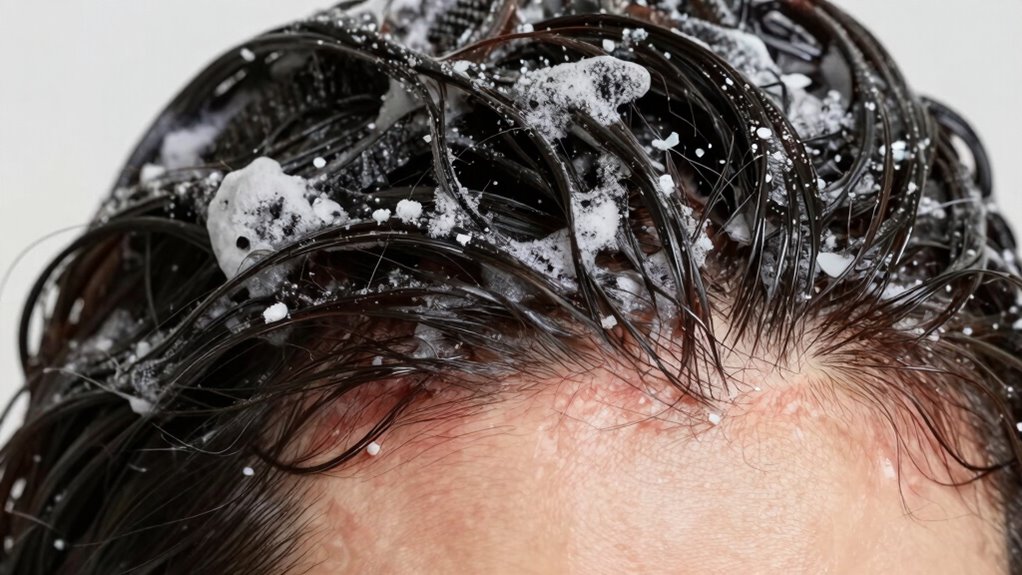
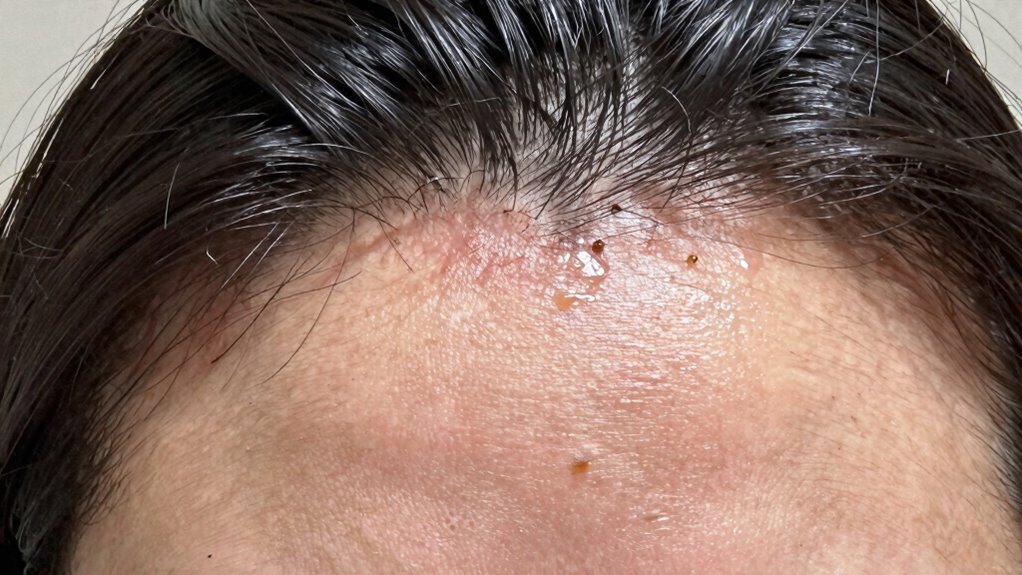
Ever wonder why your scalp often itches right after washing? It’s a common frustration, and the answer usually lies in the way your scalp reacts to the cleaning process. When you wash your hair, you’re removing dirt, oil, and product residue, but sometimes, that’s not all you’re eliminating. If you’re experiencing an itchy scalp the day after washing, it could be due to scalp dryness or product buildup lingering behind.
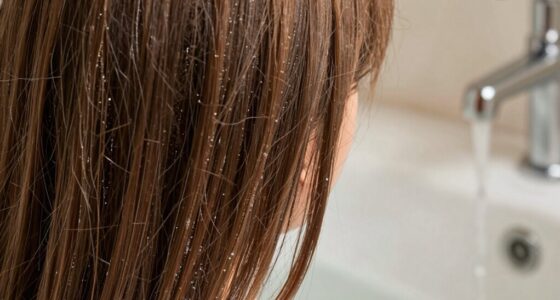
Scalp dryness is a frequent culprit. When you wash your hair too often or use harsh shampoos, you strip away your scalp’s natural oils. These oils are essential for maintaining moisture and protecting your skin. Without enough oil, your scalp becomes dry, tight, and itchy. This dryness isn’t just uncomfortable; it can also lead to flakiness and irritation. If your scalp feels tight or flaky after washing, it’s a sign that you’re disrupting your scalp’s natural balance. Using overly harsh shampoos or washing daily can exacerbate this problem, so switching to gentle, hydrating products might help. Look for shampoos with ingredients like aloe vera or glycerin, which help lock in moisture and soothe the skin.
Another factor that causes itching after washing is product buildup. If you use styling products, serums, or leave-in conditioners regularly, residues can accumulate on your scalp. When you wash your hair, these residues may not entirely wash away, especially if you’re using a shampoo that isn’t strong enough to cut through the buildup. This leftover product can clog hair follicles, leading to irritation and itchiness. Over time, product buildup can also suffocate your scalp, trapping dirt and oils underneath, which worsens the problem. To combat this, consider using a clarifying shampoo once a week. Clarifying shampoos are designed to remove stubborn residues and help restore your scalp’s natural health. Just be careful not to overuse them, as they can also strip away natural oils if used excessively.
If you notice your scalp itching the day after washing, examine your routine. Are you washing too frequently? Are your shampoos too harsh? Do you regularly use styling products? Making small adjustments—like switching to gentler shampoos, reducing wash frequency, or incorporating clarifying treatments—can profoundly help. Remember, your scalp needs a balance of cleanliness and moisture. Over-cleansing or using the wrong products can throw off that balance and cause discomfort. Paying attention to scalp health and how often you wash can make a significant difference in reducing post-wash itchiness. By paying attention to what you’re using and how often, you can reduce post-wash itchiness and enjoy a healthier, more comfortable scalp.
Frequently Asked Questions
Can Using Hot Water Cause Scalp Itching After Washing?
Yes, using hot water can cause scalp itching after washing. Hot water strips natural oils, leading to scalp dryness, which causes itching. It also opens up pores, making your scalp more prone to product buildup if you don’t rinse thoroughly. To prevent this, use lukewarm water and avoid excessive scrubbing. Proper rinsing helps keep your scalp balanced, reducing dryness and buildup that cause itching.
Does Hair Type Affect Post-Wash Scalp Itchiness?
Think of your scalp as a delicate garden, where hair porosity and scalp sensitivity are the soil and weather. If your hair has high porosity, it absorbs moisture quickly, which can lead to dryness and itchiness after washing. Conversely, sensitive scalps react more intensely to products or water temperature, causing irritation. Adjust your routine accordingly, using gentle shampoos and lukewarm water, to nurture your scalp’s unique needs and reduce itchiness.
Are There Specific Ingredients That Trigger Scalp Irritation?
Certain ingredients can trigger scalp irritation, especially if you have ingredient sensitivity or scalp allergies. Common culprits include fragrances, sulfates, parabens, and alcohols, which can cause redness, itching, or flakiness. To avoid irritation, choose gentle, hypoallergenic shampoos free of these harsh ingredients. Always read labels carefully and consider patch testing new products to identify and prevent potential scalp allergies.
How Long Does Scalp Itching Typically Last After Washing?
Your scalp itching after washing usually lasts a few hours to a day, but it can persist longer if you experience scalp dryness or product buildup. To soothe it, try using a gentle, moisturizing shampoo and avoid heavy styling products. Keep your scalp hydrated with scalp oils or conditioners, and consider washing less frequently if buildup is causing irritation. If itching continues, consult a dermatologist for personalized advice.
Can Diet Influence Scalp Health and Itching?
Your diet impact can definitely influence your scalp health and itching. Nutritional deficiencies, like lack of vitamins A, E, and biotin, may cause dryness and irritation. Eating a balanced diet rich in these nutrients supports scalp moisture and reduces itchiness. Avoid processed foods and make sure you get enough zinc and omega-3 fatty acids, which help maintain healthy skin. A healthy diet keeps your scalp nourished and less prone to irritation.
Conclusion
So, after all that fuss about avoiding itchy scalps, it turns out washing might be the culprit. Ironically, you’re probably just trying to keep your hair fresh and clean, but instead, you end up with an irritated scalp. Next time, maybe skip the harsh shampoos or rinse thoroughly—who knew that good hygiene could be so tricky? Sometimes, the simplest solutions are the ones that make us scratch our heads the most!