
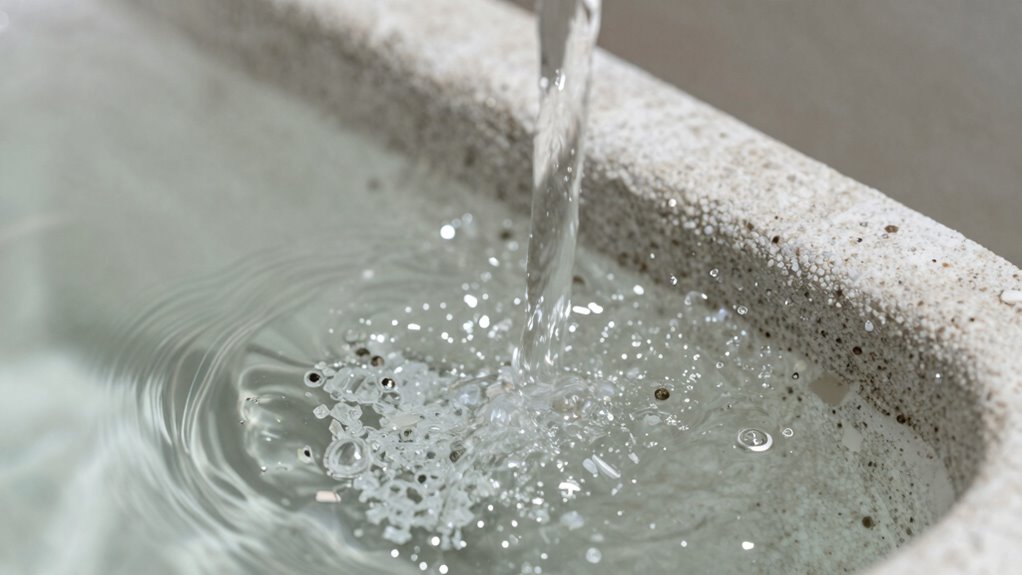

When water filters remove minerals like calcium and magnesium, it can hurt taste, hydration, and nutritional value. That’s why some filters include remineralization features—adding these essential minerals back into the purified water. These systems use mineral-rich media or cartridges to restore proper mineral levels, helping improve water quality, flavor, and health benefits. If you want to understand how these filters work and choose the right one, there’s more to explore ahead.

Turn your quiet moments into listening time
- Thousands of audiobooks, podcasts and originals
- Listen on your phone, tablet or Echo — also offline
- Cancel anytime
Key Takeaways
- Remineralization restores essential minerals like calcium and magnesium that are removed during filtration processes such as reverse osmosis.
- It improves water taste, making it more palatable and encouraging adequate hydration.
- Reintroducing minerals supports overall health, electrolyte balance, and bone strength.
- Remineralization helps maintain water pH balance, preventing overly acidic or alkaline water.
- It protects plumbing and appliances from corrosion caused by mineral deficiencies in purified water.
water filter with remineralization cartridge
As an affiliate, we earn on qualifying purchases.
As an affiliate, we earn on qualifying purchases.
Why Is Mineral Content Important in Drinking Water?

Mineral content in drinking water matters because these minerals are essential for your health and well-being. Water mineralization provides vital nutrients like calcium, magnesium, and potassium, which support your body’s functions. Proper mineral levels in your water contribute to healthy hydration, helping your body absorb fluids more effectively. Without adequate minerals, drinking pure water can feel bland and may not deliver the same health benefits. These minerals also help balance electrolytes and promote bone strength. When your water contains the right minerals, it enhances taste and encourages you to drink enough throughout the day. Maintaining mineral content ensures you’re not just staying hydrated but also nourishing your body with the nutrients it needs for excellent health. Additionally, free floating minerals can naturally increase through specific filtration or mineralization processes, ensuring your water remains nutrient-rich. Understanding water mineralization helps you make informed choices about your drinking water to optimize health benefits. Proper mineralization can also mitigate the effects of water quality issues, making your drinking water safer and more beneficial. Furthermore, certain filtration methods are designed to retain or add these essential minerals, supporting overall health. Recognizing how mineral retention occurs can help you select the best water treatment options for your needs.
reverse osmosis water filter with mineral restoration
As an affiliate, we earn on qualifying purchases.
As an affiliate, we earn on qualifying purchases.
How Do Water Filters Remove Minerals and Why Is That a Problem?

Water filters often use processes like ion exchange or reverse osmosis to remove minerals from your water. While they effectively reduce contaminants, they can also strip away essential minerals that support your health. This mineral removal impacts the water’s nutritional value and may require you to find other sources of these nutrients. Additionally, some filters incorporate remineralization steps to restore beneficial minerals and improve water quality. Proper ventilation considerations can help maintain water quality and prevent issues related to mineral buildup. Understanding European cloud innovation and sustainable practices can also inform better water treatment solutions that align with eco-friendly principles. Incorporating sustainable filtration technologies can further enhance water quality while minimizing environmental impact. Being aware of mineral loss effects can help consumers choose the right filtration system for their needs.
Mineral Removal Process
Many water filters remove minerals through processes like reverse osmosis, activated carbon filtration, or ion exchange. Reverse osmosis forces water through a semi-permeable membrane, effectively stripping away minerals along with contaminants. Ion exchange exchanges mineral ions like calcium and magnesium for sodium or hydrogen ions, which can alter the water’s pH balance. Activated carbon filters primarily target chemicals and organic compounds but may also remove some minerals. This removal can lead to issues like pH adjustment problems, making water more acidic or alkaline, and potentially encouraging bacterial contamination if beneficial minerals are absent. Additionally, filtering methods can influence the overall mineral content and water quality. While these processes improve water safety by eliminating harmful substances, they often strip away essential minerals, leaving water with reduced nutritional value and potential taste changes. In some cases, the mineral removal can also impact the water’s corrosion potential, which is important for plumbing systems. Recognizing the mineral composition of water is crucial for maintaining optimal health and taste preferences. Understanding mineral content helps consumers make informed decisions about their water quality and filtration choices. Additionally, the absence of minerals can impact the water’s taste profile and overall quality, prompting some users to seek remineralization options. Recognizing the mineral composition of water is crucial for maintaining optimal health and taste preferences.
Impact on Water Nutrition
Since water filters often use methods like reverse osmosis and ion exchange that target minerals, they can unintentionally strip essential nutrients from your drinking water. This removal can lead to mineral deficiencies, especially if you rely on filtered water as a primary nutrient source. When beneficial minerals like calcium and magnesium are reduced, your water’s contribution to maintaining water balance decreases, potentially affecting overall health. Water mineral content can vary depending on the filtration method, impacting the nutritional quality of your drinking water. Without these minerals, your body may struggle to regulate hydration and electrolyte levels properly. While filtering improves taste and removes contaminants, it can also diminish water’s nutritional value. To avoid this, consider remineralizing your water or choosing filters that retain beneficial minerals, ensuring you maintain water nutrition and support your health. Additionally, understanding the water chemistry can help you select the most suitable filtration system for preserving essential minerals, especially since different filtration technologies have varying effects on mineral retention. Some advanced filters are designed specifically to remineralize water, helping to restore the natural mineral balance after filtration.
alkaline water filter with mineral boost
As an affiliate, we earn on qualifying purchases.
As an affiliate, we earn on qualifying purchases.
What Is Water Remineralization, and How Does It Improve Water Quality?
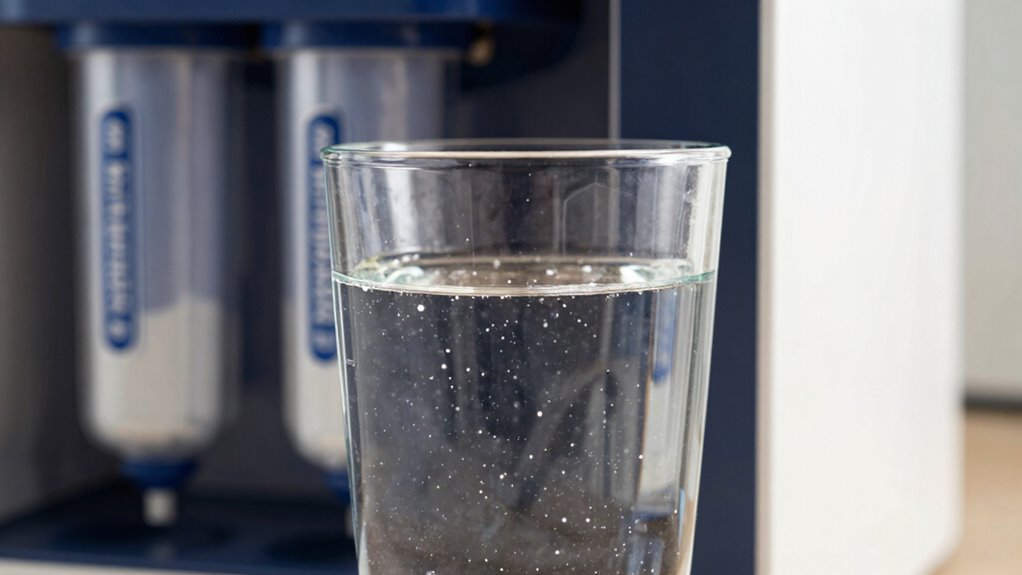
Remineralization involves adding essential minerals back into purified water to restore its natural balance. This process enhances water quality by replacing minerals lost during filtration, which can occur through ionic exchange or mineral leaching. Without it, water may taste flat and lack beneficial nutrients. Remineralization improves water by:
- Restoring taste and palatability, making water more enjoyable to drink.
- Enhancing health benefits through essential mineral content like calcium and magnesium.
- Protecting appliances and pipes from corrosion caused by mineral deficiency.
- Improving color accuracy and overall visual appeal by maintaining mineral balance in water used for various applications. Mineral content is a key factor in ensuring water remains healthy and safe for consumption, especially when considering its impact on water quality standards. Additionally, maintaining proper mineral levels can prevent issues related to corrosion, ensuring the longevity of plumbing systems and appliances.
water purification system with mineral addition
As an affiliate, we earn on qualifying purchases.
As an affiliate, we earn on qualifying purchases.
Which Minerals Are Reintroduced During Remineralization?
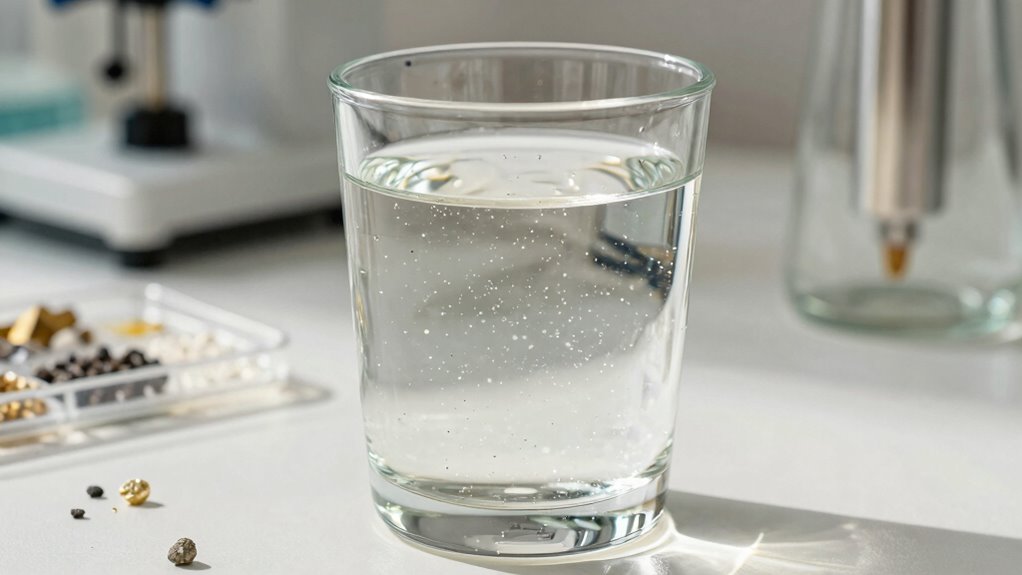
During the remineralization process, specific minerals are added back into purified water to restore its natural composition. The primary minerals reintroduced are calcium and magnesium. Calcium addition helps improve water taste and supports bone health, making it more palatable and beneficial. Magnesium supplementation, on the other hand, enhances water’s flavor and provides essential mineral nutrients for your body. These minerals are carefully chosen because they naturally occur in healthy water sources and are crucial for maintaining proper bodily functions. By reintroducing calcium and magnesium, remineralization filters ensure your drinking water isn’t just clean but also mineral-rich, mimicking natural water sources. This process helps prevent mineral deficiencies and improves overall water quality for better health and taste.
How Do Remineralization Filters Work to Add Minerals Back?

Remineralization filters work by passing purified water through mineral-rich media that release essential minerals into the water. This process enhances water mineralization, ensuring your water isn’t just clean but also healthy to drink. Modern filter technology uses specific media, like calcite or mineral stones, that dissolve slowly, adding minerals such as calcium and magnesium. To understand how this works:
Remineralization filters add essential minerals back into purified water for healthier, better-tasting hydration.
- The filter media interacts with the water, releasing minerals through ion exchange or dissolution.
- The media’s composition determines which minerals are added and in what quantities.
- The process balances pH levels, preventing overly acidic or alkaline water, making it more natural and palatable.
What Are the Different Types of Remineralization Technologies?

There are several mineral addition methods used to restore essential minerals in water, each with its own advantages. Common technologies include remineralization filters and mineral cartridges that effectively boost mineral levels. Understanding these options helps you choose the right solution for maintaining healthy, mineral-rich water.
Mineral Addition Methods
Various technologies exist to add minerals back into your teeth, each designed to effectively strengthen enamel and prevent decay. These mineral enhancement methods use additive techniques to restore mineral content and improve oral health.
- Calcium and phosphate supplements – These are added to water or dental products to promote natural remineralization.
- Mineral-enriched filters – These filters release calcium, magnesium, and other minerals directly into your water.
- Ion exchange resins – These devices exchange ions to boost mineral levels in your drinking water, supporting your teeth’s mineral balance.
Common Remineralization Technologies
Have you ever wondered how different technologies help restore minerals to your teeth? Common remineralization technologies include activated alumina filters, calcite filters, and remineralization cartridges. These systems work by adding essential minerals like calcium and magnesium back into your water, boosting mineral concentration. To guarantee optimal performance, regular filter maintenance is crucial; neglecting it can reduce efficiency and compromise water quality. Some filters use mineral packs or cartridges that dissolve slowly, releasing minerals over time. Others rely on mineral-rich media to naturally boost mineral levels. Each technology varies in effectiveness, so choosing the right one depends on your water’s mineral content and your health needs. Proper maintenance ensures consistent remineralization, helping you enjoy healthier teeth and better overall hydration.
How to Choose the Best Remineralization Filter for Your Home?
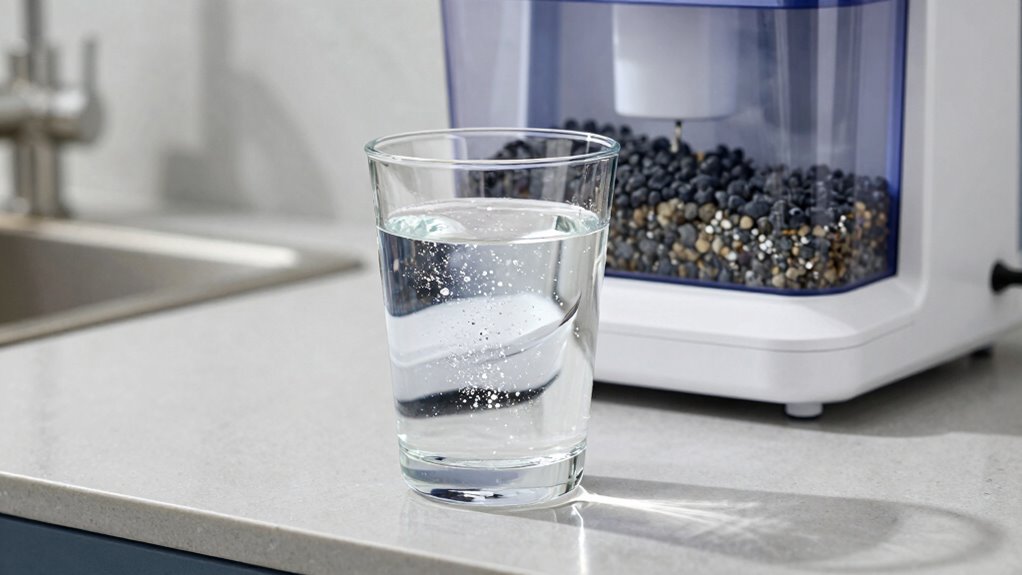
Choosing the right remineralization filter for your home starts with understanding your specific water needs and quality. First, assess your water’s pH balance to guarantee the filter can restore ideal levels. Next, consider how the filter affects water taste—look for options that add minerals naturally for a fresh, clean flavor. Finally, evaluate compatibility with your existing filtration system to avoid over-filtering or mineral buildup.
Choose a remineralization filter that balances pH, enhances taste, and fits your system for better water quality.
To help you decide:
- Match the filter’s mineral content to your preferred taste and health goals.
- Check if it maintains or improves your water’s pH balance.
- Ensure it’s easy to maintain and fits your household’s water usage.
Making informed choices ensures better water quality and a more enjoyable drinking experience.
Are Mineral-Rich Waters Safe and Beneficial to Drink?

You might wonder if mineral-rich waters are safe and good for your health. It’s important to contemplate their mineral content and potential risks, along with how they affect your body’s water balance. Understanding these factors helps you make informed choices about drinking mineral-enhanced water.
Mineral Content and Safety
Are mineral-rich waters safe to drink? Generally, yes, but it’s important to take into account mineral content and pH balance. Excessive minerals can affect taste and may impact health if consumed in high amounts. When drinking mineral-rich water, keep in mind:
- pH balance: Water with a balanced pH (around 7) is safer and less corrosive to your teeth and pipes.
- Taste enhancement: Minerals like calcium and magnesium improve flavor, making water more invigorating.
- Mineral levels: Too many minerals can lead to health issues; ensure levels stay within safe limits.
Health Benefits and Risks
Mineral-rich waters can offer notable health benefits, such as providing essential minerals like calcium, magnesium, and potassium that support bone health, muscle function, and metabolic processes. These minerals enhance mineral absorption, helping your body utilize nutrients more effectively. Drinking mineralized water also aids water detoxification by flushing out toxins and impurities, promoting better overall health. However, it’s important to contemplate potential risks; excessive mineral intake can lead to imbalances or kidney issues in some individuals. While most mineral-rich waters are safe and beneficial, moderation is key. When choosing mineralized water, ensure it’s sourced from reputable providers to avoid contaminants. Overall, properly balanced mineral-rich waters can be a valuable part of your hydration routine, supporting your health without undue risk.
Proper Water Balance
While mineral-rich waters can be a healthy addition to your hydration routine, it’s essential to evaluate their safety and benefits carefully. The key is understanding proper water balance, which involves water pH and mineral absorption. Drinking water with a balanced pH supports your body’s natural functions, while excessive minerals can upset this balance. To guarantee safety and benefits, consider these points:
- Monitor water pH to prevent acidity or alkalinity issues.
- Check mineral levels to avoid overloading your system.
- Recognize how minerals are absorbed, ensuring they support health without harm.
Maintaining proper water balance helps your body optimize mineral absorption and keeps your hydration safe and effective. Always be mindful of the mineral content to avoid potential health risks.
Troubleshooting Common Issues With Water Remineralization?

Troubleshooting common issues with water remineralization can seem intimidating, but many problems have straightforward solutions. If your water’s pH isn’t balancing correctly, check your filter’s pH adjustment settings or the mineral dosage. Contaminant removal may be incomplete if filters aren’t functioning properly or if mineral levels are too low. Make certain your system is regularly maintained and replaced as needed. Here’s a quick reference:
| Issue | Solution |
|---|---|
| Water too acidic or alkaline | Adjust pH levels or mineral dosage |
| Poor contaminant removal | Check filter integrity and replace if needed |
| Mineral levels too low | Increase remineralization rate |
Addressing these issues helps keep your water balanced, safe, and mineral-rich.
Final Tips for Ensuring Your Water Is Pure and Mineral-Rich?
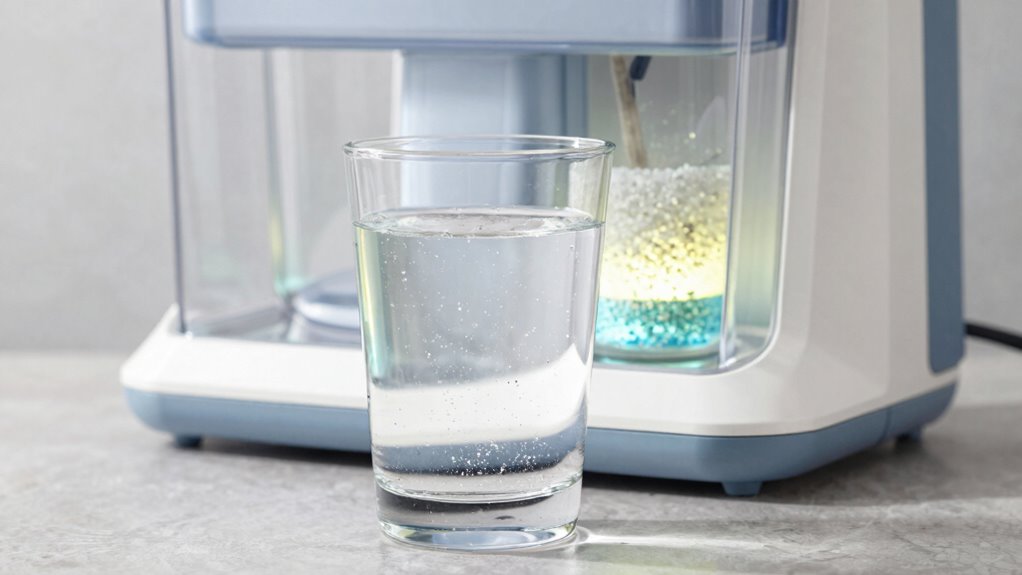
To guarantee your water remains pure and mineral-rich, regular maintenance and careful monitoring are essential. Focus on maintaining proper pH balancing and water alkalinity, which directly affect water quality and taste. To achieve this, consider these tips:
- Test water regularly to ensure ideal pH levels and alkalinity, adjusting filters or adding minerals as needed.
- Clean and replace filters according to manufacturer instructions to prevent buildup that can alter mineral content.
- Use mineral supplements or remineralization filters to restore essential minerals and maintain a balanced pH.
Frequently Asked Questions
Can Remineralization Filters Remove Harmful Contaminants Besides Minerals?
Remineralization filters primarily focus on mineral balancing and may not remove all harmful contaminants. For all-encompassing contaminant filtration, you’ll need specialized filters like activated carbon or reverse osmosis units. These work together to target chemicals, bacteria, and heavy metals, ensuring your water is both safe and properly mineralized. So, while remineralization filters enhance water quality, they’re best used alongside other filtration systems for complete contaminant removal.
How Often Should I Replace My Remineralization Filter?
Think of your remineralization filter as a superhero sidekick, only so long it’s got your back. You should substitute it based on the filter lifespan and your replacement schedule—typically every 6 to 12 months. Ignoring this turns your trusty sidekick into a rusty, ineffective relic. Keep track of usage and manufacturer recommendations to guarantee your water stays healthy and delicious. Don’t let your filter become a villain in disguise!
Are There Any Health Risks Associated With Mineral Reintroduction?
You might have some health concerns about mineral reintroduction, but generally, it’s safe. However, if your water contains excessive minerals, it could cause mineral imbalance or other health issues. To stay safe, make sure your filter adds minerals in appropriate amounts and get your water tested regularly. If you have specific health conditions, consult a healthcare professional to avoid potential risks related to mineral levels.
Does Water Temperature Affect the Remineralization Process?
Water temperature can critically influence the remineralization process, like a dance where each step depends on the rhythm. When water is warmer, mineral solubility increases, allowing minerals to dissolve more readily and be absorbed into the water. Conversely, colder water slows this process, reducing mineral retention. As a result, maintaining ideal water temperature is essential for effective remineralization, ensuring your water is balanced, healthy, and tastes just right.
Can Remineralization Improve the Taste of Filtered Water?
Yes, remineralization can improve the taste of filtered water by enhancing taste and mineral balance. When minerals like calcium and magnesium are added back, the water gains a more natural, invigorating flavor. This process not only improves taste but also creates a healthier mineral profile, making your water more enjoyable. With proper remineralization, you’ll notice a smoother, better-balanced flavor that encourages you to drink more water daily.
Conclusion
To enjoy clean, mineral-rich water, you need to understand its importance, choose the right filtration system, and maintain it properly. You should prioritize mineral balance, guarantee safe reintroduction, and troubleshoot issues promptly. You must stay informed, stay vigilant, and stay committed to your water quality. By doing so, you’ll protect your health, enhance your taste, and enjoy the benefits of water that’s pure, balanced, and beneficial every time you drink.
Fall Picks
fall essentials
As an affiliate, we earn on qualifying purchases.