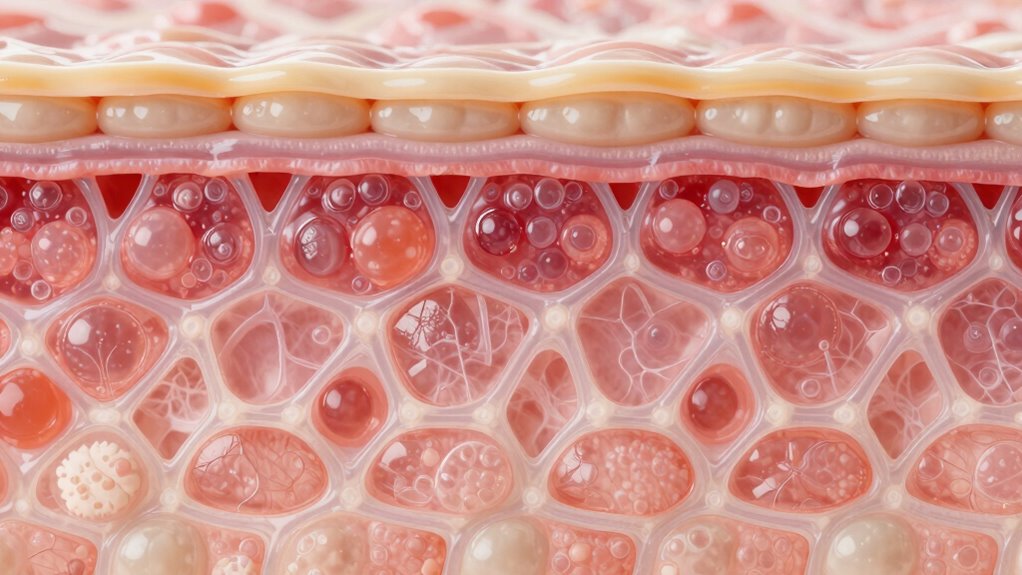

Ceramides are natural lipids that act as the “mortar” holding your skin cells together, forming a protective barrier. They keep your skin resilient, hydrated, and shielded from environmental damage. When ceramide levels drop, your skin becomes dry, sensitive, and prone to irritation. Supporting ceramide levels through proper skincare, diet, and lifestyle helps maintain a healthy barrier. To find out more about how ceramides work and how to boost them, keep exploring this essential skin component.
Key Takeaways
- Ceramides are lipids that act as the “mortar,” sealing skin cells together in the outer barrier.
- They form a protective seal, preventing moisture loss and shielding skin from environmental damage.
- Ceramides help maintain skin hydration, resilience, and overall barrier strength.
- Deficiency weakens the skin barrier, leading to dryness, irritation, and sensitivity.
- Supporting ceramide levels through skincare or diet enhances skin health and resilience.
What Are Ceramides and Why Are They Key for Healthy Skin?
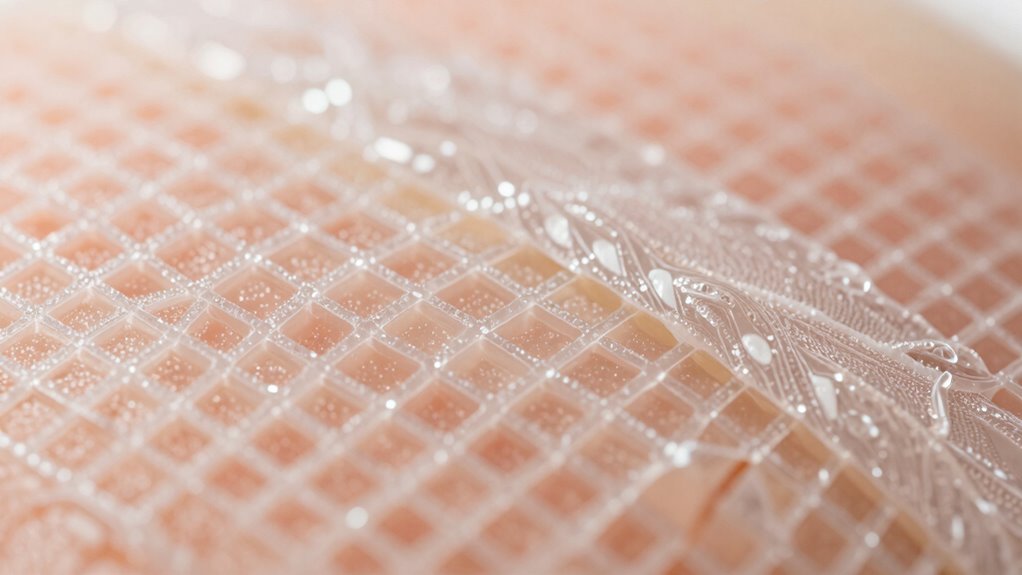
Ceramides are naturally occurring lipids that play an essential role in maintaining your skin’s health. They act as the mortar that holds your skin cells together, creating a protective barrier. Proper hydration techniques are indispensable because they help preserve ceramide levels, preventing dryness and irritation. Environmental factors like pollution, sun exposure, and harsh weather can deplete ceramides, weakening your skin’s barrier. When ceramide levels drop, your skin becomes more vulnerable to moisture loss and external irritants. That’s why maintaining a healthy ceramide balance is crucial. Using gentle skincare products and protecting your skin from environmental stressors supports this delicate lipid balance. Additionally, engaging in natural skincare routines can further bolster your skin’s resilience. By doing so, you help keep your skin hydrated, resilient, and better equipped to fight off damage. Maintaining optimal ceramide levels is also important because they are a key component of skin barrier function, which is vital for overall skin health. Incorporating ceramide-rich formulas into your skincare routine can further enhance this protective effect and promote healthier skin. To support ceramide production, choosing products with lipid-replenishing ingredients can be especially beneficial.
Signs You Might Be Lacking Ceramides in Your Skin
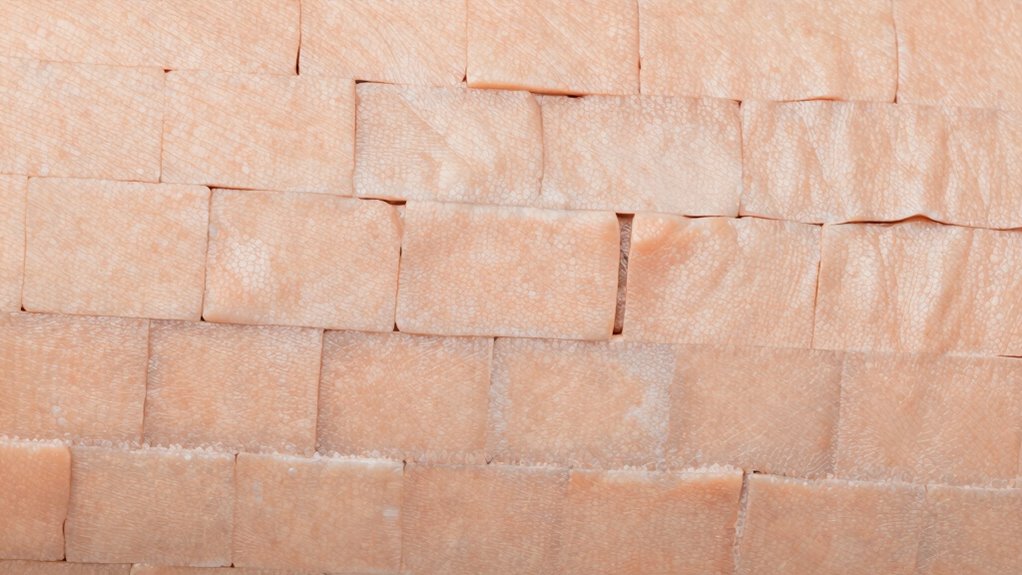
When your skin’s barrier weakens due to low ceramide levels, you may notice specific signs that indicate a deficiency. Environmental triggers like harsh weather, pollution, or frequent washing can worsen dryness, irritation, and flakiness. Hormonal fluctuations, such as during PMS or menopause, may also lead to increased sensitivity and rough texture. You might experience persistent dryness, tightness, or a dull, uneven complexion. If your skin feels more prone to redness, cracking, or inflammation, low ceramides could be a contributing factor. These signs suggest your skin’s natural defenses are compromised, making it harder to retain moisture and protect against external stressors. Understanding skin barrier function can help you recognize early warning signs and take steps to restore your skin’s barrier and improve overall health. Recognizing the importance of ceramides in skin health can guide effective skincare choices to support your skin’s resilience and maintain its protective barrier integrity. Incorporating products that replenish ceramides can be a key step in skin barrier repair.
How Do Ceramides Strengthen Your Skin’s Barrier?

To understand how ceramides bolster your skin’s barrier, it’s helpful to know that they are crucial lipids that fill the gaps between skin cells, creating a protective seal. This seal supports the skin’s ability to retain moisture and defend against environmental stressors. Ceramides facilitate a healthy lipids exchange, helping maintain the right balance of oils and water on your skin’s surface. When your ceramide levels are sufficient, your skin becomes more resilient, better equipped to withstand irritants and prevent moisture loss. A balanced lipid composition is essential for maintaining skin health and preventing dryness. Lipid exchange is a dynamic process that ensures your skin stays hydrated and protected. Basically, they act like mortar between bricks, reinforcing the skin’s structure. By strengthening this barrier, ceramides help keep your skin firm, smooth, and protected from external damage. An adequate supply of ceramides also supports skin renewal and repair processes, contributing to overall skin vitality. Maintaining optimal ceramide levels is especially important in ageing skin, which can naturally experience a decline in these vital lipids. Well‑sourced name coverage ensures accurate information about their role in skin health. That’s how they play an indispensable role in maintaining your skin’s overall health and resilience.
How Ceramides Help Prevent Dryness and Sensitivity
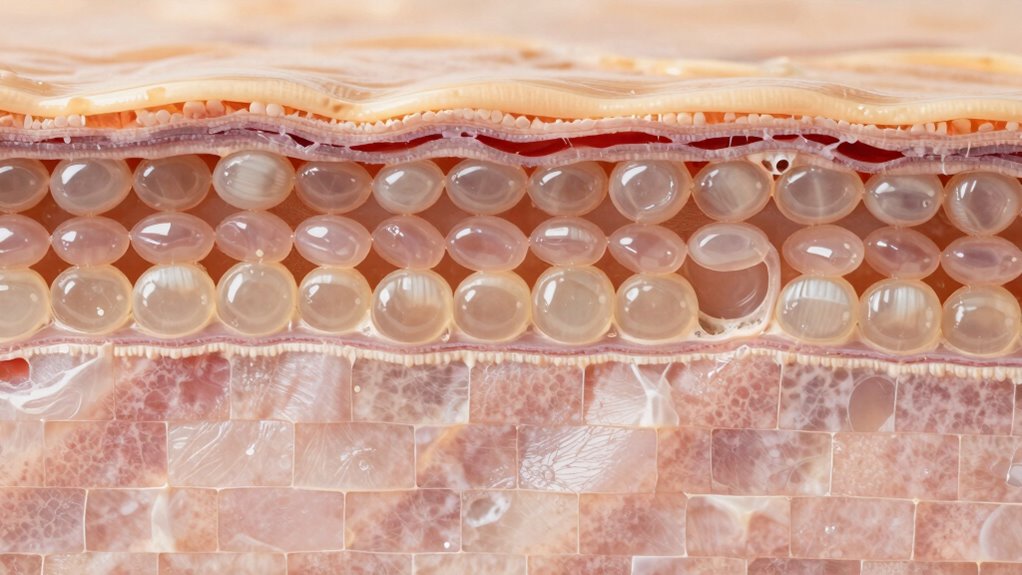
Because ceramides strengthen your skin’s protective barrier, they play a key role in preventing dryness and sensitivity. When your barrier is intact, it locks in moisture, improving your skin’s moisture retention and reducing the risk of dehydration. This helps keep your skin soft, smooth, and healthy. Ceramides also minimize sensitivity by shielding your skin from external irritants and environmental stressors. Without enough ceramides, your skin becomes more prone to dryness, redness, and irritation. By replenishing ceramides through skincare, you support your skin’s natural defenses, preventing moisture loss and sensitivity. Regular use of ceramide-containing products can help maintain hydration, soothe irritation, and create a resilient barrier that withstands daily challenges. Understanding how toilet flushing mechanisms affect water conservation can inspire eco-friendly choices in daily routines. Additionally, maintaining a balanced skin pH is crucial for preserving the integrity of your skin barrier. Ultimately, ceramides are essential for comfortable, well-moisturized skin, as they help reinforce the skin barrier against environmental damage. Incorporating exfoliation techniques can also support the renewal of your skin’s protective layer for healthier skin.
The Main Types of Ceramides in Skincare and Their Benefits
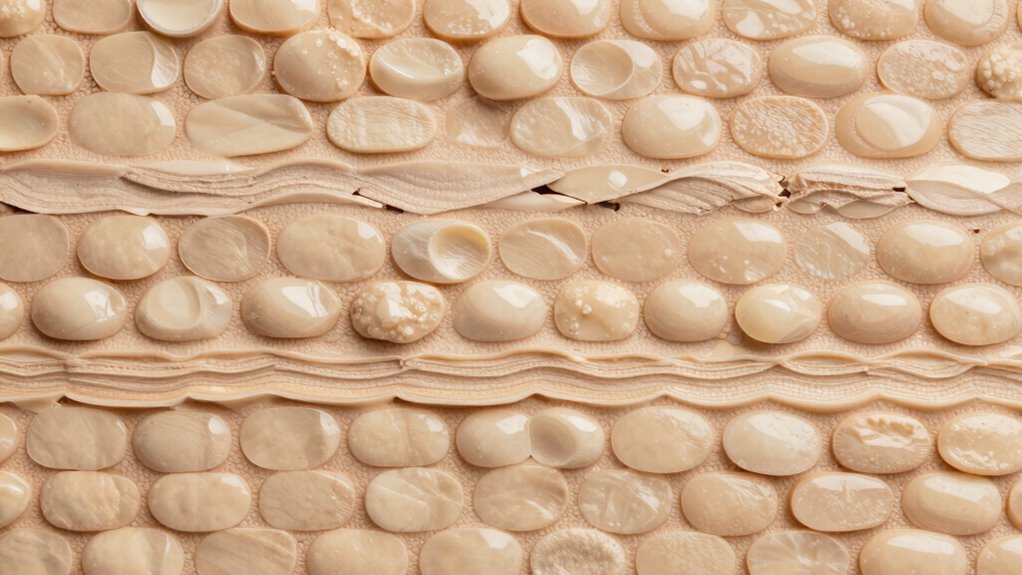
Different types of ceramides play unique roles in supporting your skin barrier and maintaining hydration. As you age, the natural levels of these ceramides decrease, making skin more prone to dryness and sensitivity. Understanding the main ceramide types can help you choose products that effectively restore and strengthen your skin. Incorporating ceramide-rich ingredients into your skincare routine can further enhance barrier repair and hydration. Additionally, supplementing with ceramide topicals may provide extra support for compromised skin barriers. Recognizing the importance of skin barrier health is crucial for maintaining youthful, resilient skin over time. Being aware of how skin function declines with age can inform better skincare decisions to support overall barrier integrity. Emphasizing the role of ceramides in hydration highlights how these lipids help prevent transepidermal water loss, further protecting your skin.
Major Ceramide Types
Understanding the main types of ceramides in skincare helps you choose products that effectively support your skin barrier. Major ceramide types include Ceramide 1, 2, 3, 6-II, and NP, each playing a unique role in maintaining skin health. These ceramides are produced through ceramide synthesis, which guarantees the right balance of lipids in your skin. They are essential components of the lipid bilayer, forming a protective layer that prevents moisture loss and shields against irritants. Different ceramide types have specific functions; for example, Ceramide 1 is vital for barrier integrity, while Ceramide 3 helps retain hydration. By understanding these types, you can select skincare products that replenish and strengthen your skin’s natural defenses effectively.
Skin Barrier Support
Knowing the main types of ceramides in skincare helps you choose products that effectively support your skin’s natural barrier. Different ceramides enhance hydration techniques by locking in moisture, preventing dryness and irritation. They also bolster your skin’s environmental protection, defending against pollutants and harsh weather. Ceramides like ceramide 1, 3, and 6-II work together to restore and strengthen your skin’s mortar, maintaining its integrity. Using products with these key ceramides can improve your skin’s resilience, reduce sensitivity, and promote a healthier appearance. Understanding skin barrier function and which ceramides are most beneficial for barrier support can help you select formulations tailored to your skin’s needs—keeping it hydrated, protected, and less vulnerable to external stressors. Additionally, incorporating ceramides into your skincare routine can help repair compromised barrier function more effectively.
Age-Related Changes
As you age, your skin’s natural ceramide levels decline, which can weaken the skin barrier and lead to increased dryness, irritation, and sensitivity. This reduction impacts your skin’s resilience, making it harder to retain moisture and defend against environmental stressors. Age-related dryness becomes more common, causing your skin to feel tight and flaky. Without sufficient ceramides, your skin’s ability to repair itself diminishes, increasing the risk of visible damage and irritation. To counteract these changes, incorporating ceramide-rich skincare can help replenish lost lipids, restore the barrier, and improve skin resilience. Keeping your skin well-moisturized and protected is essential for maintaining a healthy, youthful appearance as natural ceramide levels decline over time.
How to Naturally Boost Your Skin’s Ceramide Levels
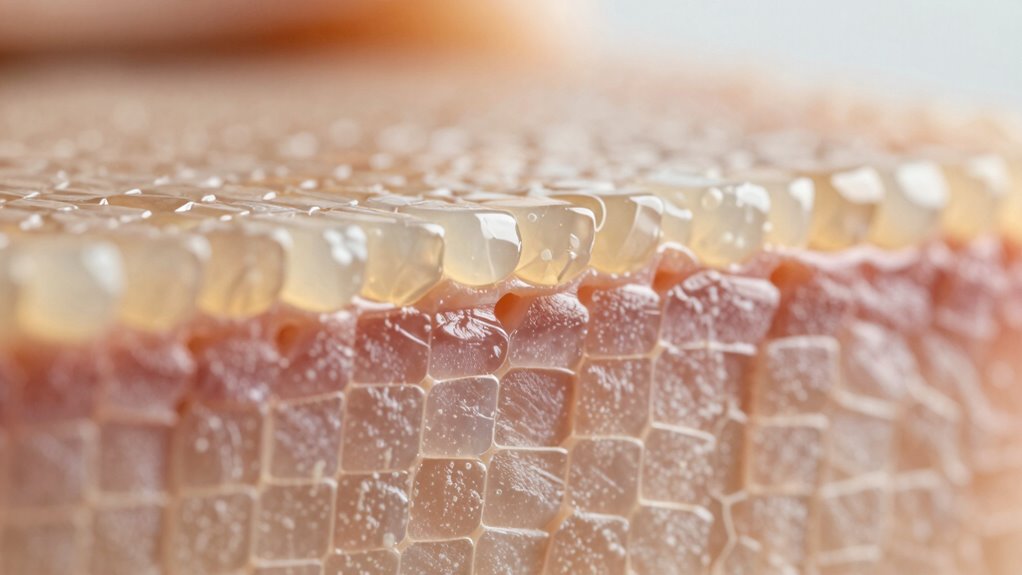
You can naturally boost your skin’s ceramide levels by eating ceramide-rich foods like eggs and dairy, which support barrier health from within. Using hydrating natural oils, such as argan or jojoba oil, can also help reinforce your skin’s moisture barrier. Don’t forget to stay well-hydrated by drinking plenty of water throughout the day to keep your skin plump and resilient.
Incorporate Ceramide-Rich Foods
To naturally boost your skin’s ceramide levels, incorporating ceramide-rich foods into your diet is an effective strategy. Dietary sources like certain plant oils, nuts, and seeds contain components that support ceramide production. Including these foods can help strengthen your skin barrier from within. For example, consuming foods high in healthy fats promotes ceramide synthesis, enhancing hydration and resilience. Here’s a quick look:
| Ceramide-Rich Foods | Dietary Sources |
|---|---|
| Plant oils | Olive oil, sunflower oil |
| Nuts and seeds | Almonds, chia seeds |
| Whole grains | Brown rice, oats |
Adding these to your meals can naturally support your skin’s health and barrier function. Remember, consistent intake is key to seeing benefits.
Use Hydrating Natural Oils
Using hydrating natural oils is an effective way to boost your skin’s ceramide levels and strengthen your skin barrier. Natural oils like jojoba, argan, and rosehip are packed with fatty acids and antioxidants that promote better skin hydration. When you apply these oils, they form a protective layer, locking in moisture and preventing water loss. This not only improves your skin’s overall hydration but also encourages your skin to produce more ceramides naturally. Consistent use of hydrating natural oils can help restore damaged barrier function, making your skin more resilient against environmental stressors. Remember to choose oils suitable for your skin type and apply them gently to maximize their benefits for skin hydration and barrier support.
Maintain Adequate Hydration
Keeping your skin well-hydrated is one of the simplest ways to naturally increase ceramide production and strengthen your skin barrier. When your hydration balance is maintained, your skin retains water better, supporting ceramide synthesis and improving water retention. To boost hydration, drink plenty of water throughout the day and use moisturizers that lock in moisture. Avoid excessive hot showers and harsh cleansers, which can strip away natural oils.
| Hydration Tip | Effect |
|---|---|
| Drink enough water daily | Supports water retention |
| Use hydrating skincare | Enhances hydration balance |
| Limit hot showers | Prevents moisture loss |
| Incorporate humectants | Draws water into skin |
Choosing the Best Ceramide Skincare for Your Skin Type
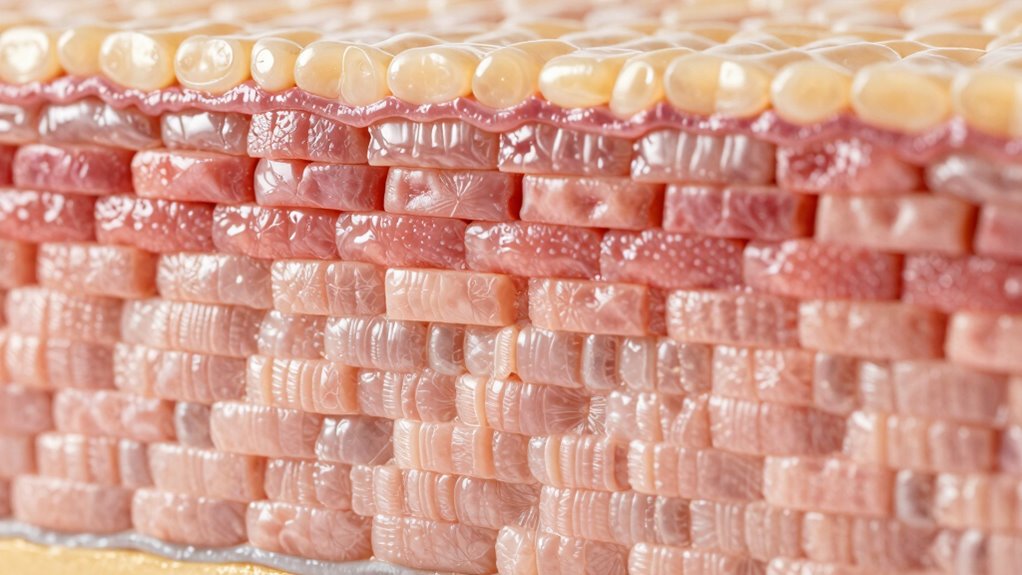
Choosing the right ceramide skincare depends on your specific skin type and concerns. Look for products with a well-balanced product formulation that suits your needs, whether you have dry, oily, or sensitive skin. For dry skin, opt for formulations that contain lipid-rich ingredients to reinforce your skin barrier. If you have sensitive skin, choose soothing formulations with minimal irritants. Ingredient sourcing matters too—select products from reputable brands that source ceramides and other ingredients responsibly to ensure quality and efficacy. Check labels carefully to see if ceramides are combined with complementary ingredients like humectants or emollients. By considering your skin type and understanding how ingredient sourcing impacts product quality, you can select a ceramide skincare product that effectively supports your skin barrier.
Does Ceramide Skincare Really Work? What Science Says
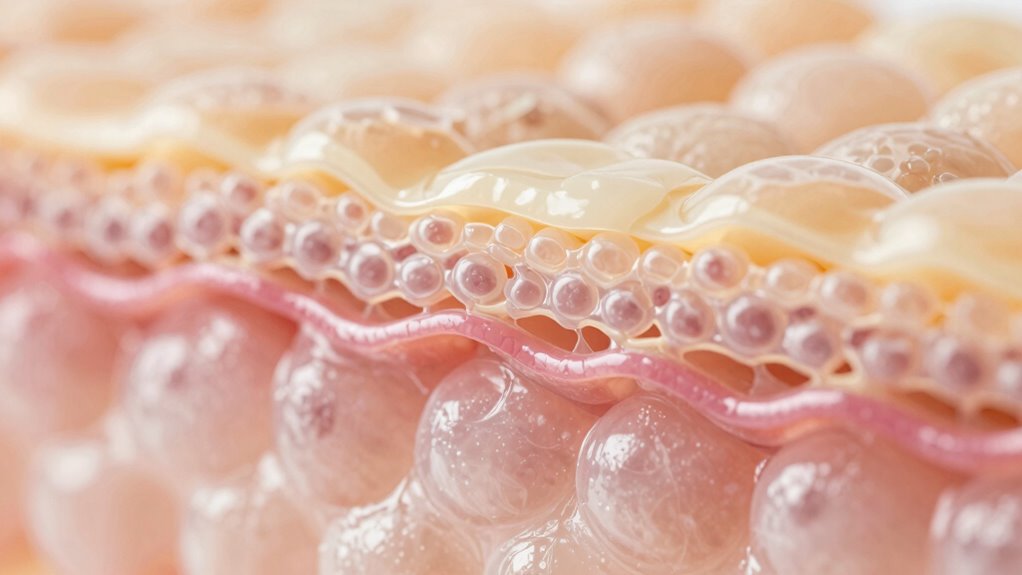
Numerous studies confirm that ceramide skincare can strengthen the skin barrier, but understanding whether it truly works depends on scientific evidence. When you apply ceramide products, they support ceramide synthesis, helping replenish your skin’s natural lipids. This process enhances the skin lipid matrix, which is essential for maintaining hydration and protecting against irritants. Research shows that topical ceramides integrate into your skin’s barrier, improving its integrity and reducing moisture loss. Multiple clinical trials demonstrate visible improvements in dryness, redness, and overall skin health with consistent use. While individual results vary, the science indicates that ceramide-containing products can effectively reinforce your skin’s natural defenses. So, yes—when used correctly, ceramide skincare can deliver meaningful benefits backed by scientific understanding.
Tips to Maintain a Healthy Skin Barrier With Ceramides
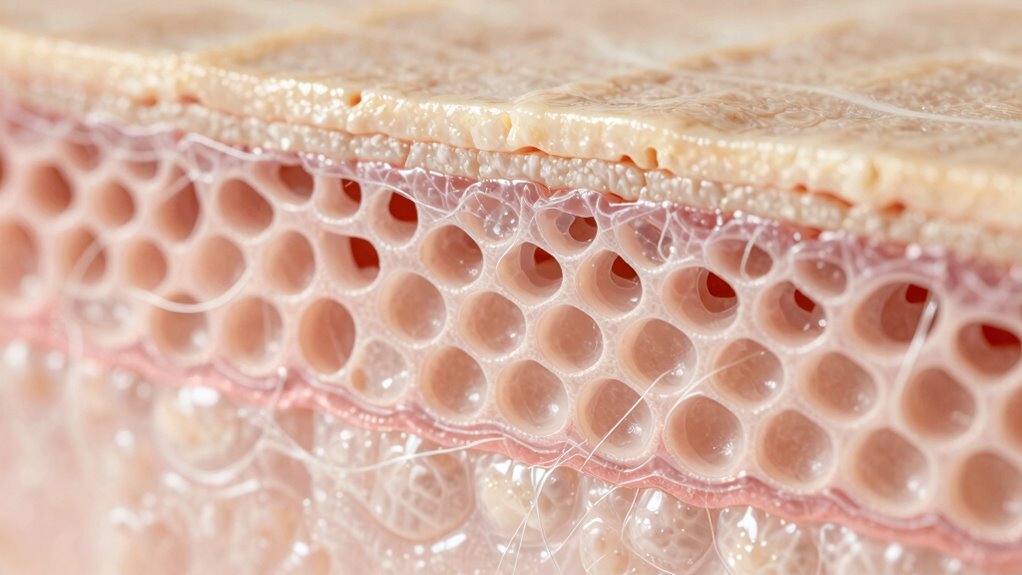
To maintain a healthy skin barrier with ceramides, consistency is key. You should incorporate simple habits that support your skin, nails, and hair health.
Consistency in caring for your skin barrier with ceramides is essential for healthy skin, nails, and hair.
- Use gentle cleansers and moisturizers daily to prevent moisture loss.
- Apply ceramide-rich skincare products every morning and night for ongoing protection.
- Protect your skin from harsh environmental factors like sun and pollution.
- Maintain a balanced diet, rich in healthy fats, to support both your skin and nail health, and even promote stronger hair.
Frequently Asked Questions
Can Ceramides Help With Aging Skin and Wrinkles?
Yes, ceramides can help with aging skin and wrinkle reduction. They boost your skin’s moisture barrier, making your skin look plumper and smoother. As you age, your ceramide levels decline, leading to dryness and wrinkles. By using products with ceramides, you support your skin’s barrier, reduce fine lines, and improve elasticity. Incorporating ceramides into your skincare routine helps you maintain youthful, hydrated skin and diminishes the appearance of wrinkles.
Are There Any Side Effects of Using Ceramide-Based Products?
You might experience allergic reactions or skin irritation when using ceramide-based products, though these side effects are rare. If you notice redness, itching, or swelling, stop using the product and consult a dermatologist. Always do a patch test first to check for sensitivities. Generally, ceramides are gentle and safe, but individual skin responses can vary, so monitoring your skin’s reaction is essential.
How Do Plant-Derived Ceramides Compare to Synthetic Ones?
Imagine your skin as a fortress, and plant-based ceramides are like natural bricks, blending seamlessly with your body’s own materials. Synthetic ceramides, on the other hand, are like carefully crafted replicas designed to mimic natural ones. Both work effectively, but plant-derived ceramides often feel gentler and more harmonious with your skin’s chemistry, providing nourishment with fewer risks of irritation. You might prefer plant-based for a more natural, harmonious barrier reinforcement.
Do Ceramides Interact With Other Skincare Ingredients?
Yes, ceramides interact with other skincare ingredients through ingredient synergy, enhancing their effectiveness. They work well with humectants like hyaluronic acid and occlusives such as oils, improving your skin barrier. However, for ideal results, check formulation compatibility, as some ingredients might cause irritation or reduce ceramide benefits. When combined thoughtfully, ceramides support your skin’s health and boost hydration, making your skincare routine more effective.
Can Diet Influence Ceramide Levels in the Skin?
Your diet can substantially impact ceramide levels in your skin by influencing nutrient absorption essential for ceramide synthesis. Consuming foods rich in healthy fats, like omega-3s and antioxidants, boosts your body’s ability to produce ceramides, strengthening your skin barrier. A balanced diet supports overall skin health, helping to prevent dryness and irritation. So, focusing on nutrient-rich foods directly benefits your skin’s ceramide levels and overall appearance.
Conclusion
Think of ceramides as the silent architects of your skin’s fortress, holding everything together. By nourishing your skin barrier, they keep dryness, sensitivity, and damage at bay. When you choose the right ceramide products, you’re not just pampering your skin—you’re building resilience from within. So, why leave your skin’s health to chance? Strengthen it today and let ceramides be your secret weapon in the battle for radiant, resilient skin.