
Panthenol (Pro-Vitamin B5) is your skin and hair’s best barrier friend because it deeply hydrates by attracting moisture and restoring your natural moisture barrier. It supports healing and cell renewal, helping soothe irritation and repair damage. Plus, it creates a protective film that shields against environmental stressors like pollution and harsh weather. For healthier, more resilient skin and hair, discover how panthenol keeps your moisture locked in and damage at bay.
Key Takeaways
- Panthenol deeply hydrates skin and hair by attracting and retaining moisture, strengthening the natural barrier.
- It supports skin repair and cell regeneration, helping to heal irritation and damage effectively.
- Forms a protective film that shields against environmental stressors, locking in moisture and preventing water loss.
- Promotes scalp health and improves hair strength, reducing brittleness and enhancing shine.
- Enhances overall skin resilience, making it a versatile barrier booster for sensitive and damaged skin.

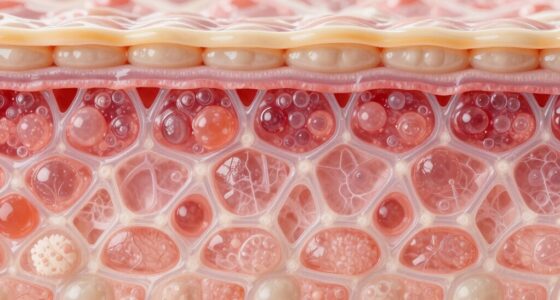
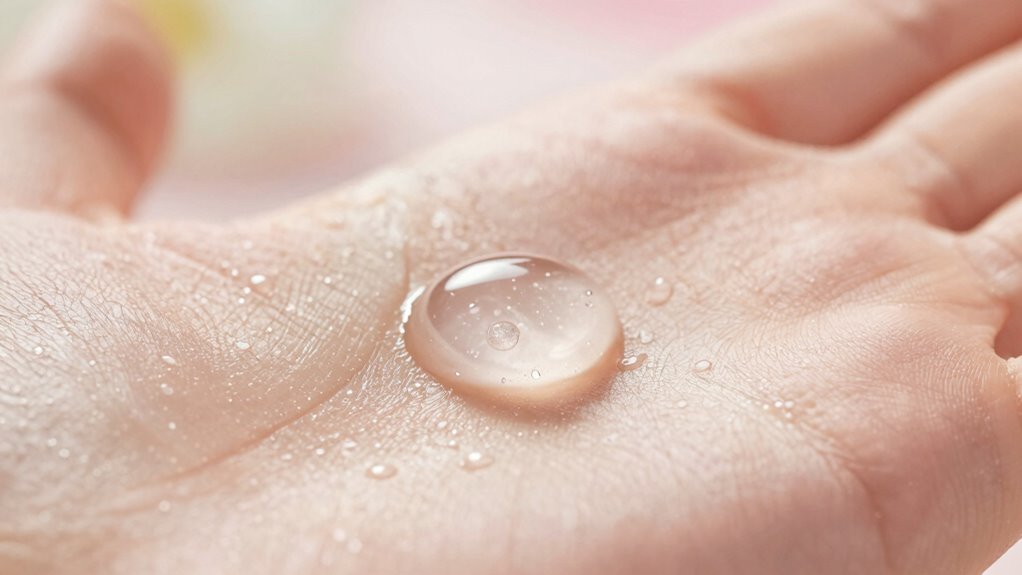
Panthenol, also known as Pro-Vitamin B5, is a popular ingredient in skincare and haircare products because of its ability to deeply hydrate and improve the health of your skin and hair. When you incorporate products containing panthenol into your routine, you’ll notice how effectively it boosts hydration levels. Its hydrating benefits penetrate the skin’s surface, attracting and retaining moisture, which leaves your skin feeling plump, soft, and supple. This makes it especially valuable if your skin tends to be dry, flaky, or sensitive. You’ll find that regular use helps to restore your skin’s natural moisture barrier, preventing water loss and maintaining a healthy, balanced complexion.
Beyond hydration, panthenol plays a *essential* role in skin healing. When your skin faces irritation, redness, or minor injuries, this ingredient actively supports the repair process. Its ability to promote cell regeneration means your skin can recover more quickly from damage. Whether you’re dealing with sunburn, dermatitis, or even shaving irritation, products with panthenol help soothe discomfort and accelerate healing. You might notice that your skin feels calmer and looks more even after consistent use, as it encourages the renewal of damaged cells and restores your skin’s integrity. Incorporating skin barrier repair into your skincare routine can further enhance these benefits.
Panthenol actively supports skin repair and promotes faster recovery from irritation and minor injuries.
Additionally, panthenol’s soothing properties make it a go-to ingredient for sensitive or compromised skin. It forms a protective film over your skin, locking in moisture and shielding against environmental stressors like pollution and harsh weather. This barrier-forming effect not only enhances hydration but also minimizes the risk of further irritation. If you often struggle with redness or irritation, incorporating panthenol into your skincare can provide that extra layer of defense your skin needs to stay resilient.
In haircare, panthenol’s hydrating benefits extend to your hair strands as well. It penetrates the hair shaft, helping to retain moisture, which results in smoother, shinier, and less brittle hair. Its skin healing properties also benefit your scalp, especially if you deal with dryness or flakiness. By supporting scalp health, panthenol encourages stronger, healthier hair growth over time. Whether you have curly, straight, or color-treated hair, products infused with panthenol can improve overall hair *vitality*.
In essence, panthenol is a versatile ingredient that actively works to hydrate and heal your skin and hair. Its ability to boost moisture levels and support skin repair makes it a true barrier best friend, ensuring your skin remains resilient, moisturized, and healthy through every season.
Frequently Asked Questions
Can Panthenol Cause Allergic Reactions or Sensitivities?
Panthenol can cause allergic reactions or skin sensitivities in some people, especially if they have sensitive skin or allergies. You might notice redness, itching, or irritation after using products with it. To avoid issues, do a patch test before widespread use. If you experience any adverse reactions, discontinue use and consult a dermatologist. Overall, while generally safe, it’s important to be cautious if you have known sensitivities.
How Long Does It Take to See Results From Using Panthenol?
You can expect to see visible improvements within a few days to a week of consistent use, but it varies depending on your skin type and condition. Panthenol’s healing and moisturizing effects typically become noticeable after regular application over time. For best results, be patient and stick to your routine, as the timing expectations for seeing results may range from immediate hydration to gradual barrier restoration over a few weeks.
Is Panthenol Suitable for All Skin Types, Including Sensitive Skin?
They say, “the proof is in the pudding,” and panthenol proves to be quite compatible with sensitive skin. It’s generally gentle and soothing, making it suitable for most skin types. However, everyone’s skin reacts differently, so it’s smart to test a small patch first. If you have sensitive skin or specific concerns, consult with a dermatologist to guarantee ingredient compatibility and avoid any unwanted reactions.
Can Panthenol Be Used Alongside Other Active Skincare Ingredients?
Yes, you can use panthenol alongside other active ingredients, but pay attention to ingredient interactions and formulation compatibility. Some actives, like acids or retinoids, may cause irritation when combined with panthenol, so it’s best to apply them at different times or choose products specifically formulated together. Always patch test new combinations to verify your skin responds well and avoid any potential irritation or reduced efficacy.
What Are the Potential Side Effects of Prolonged Panthenol Use?
They say, “Too much of a good thing can be bad,” and that applies to prolonged panthenol use. While it’s generally safe, chronic usage might cause skin irritation or breakouts in sensitive individuals over the long term. Keep an eye on your skin’s response, and if you notice any adverse effects, reduce usage or consult a dermatologist. Moderation guarantees you reap benefits without risking unwanted side effects.
Conclusion
Think of panthenol as a gentle shield wrapping your skin in a soothing embrace. It’s like a calming river that flows deep, repairing and strengthening from within. With every application, you’re nurturing a fortress that guards against harsh elements and everyday stress. Let it be your loyal companion, a barrier that not only protects but revitalizes, turning your skin into a soft, resilient landscape where comfort and health flourish effortlessly.