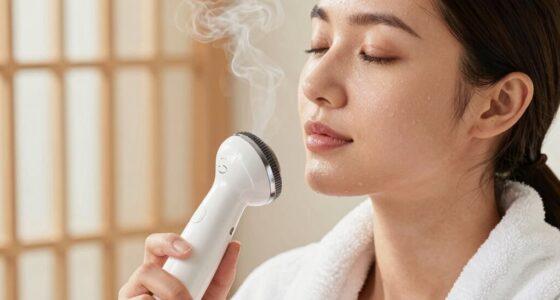


When you first face cold exposure, your body reacts with intense discomfort because your nervous system triggers vasoconstriction and shivering to conserve heat, causing pain and tightness. These early responses can be overwhelming, but your body quickly adapts by releasing adrenaline and endorphins, which boost your mood and energy. Over time, repeated exposure improves your tolerance and makes cold feel more manageable and even enjoyable. Keep going, and you’ll discover how your body transforms this initial challenge into a source of resilience and significance.
Key Takeaways
- Initial cold exposure triggers vasoconstriction and shivering, causing discomfort due to reduced blood flow and muscle contractions.
- The body’s nervous system reacts strongly at first, creating a shock response that heightens feelings of unpleasantness.
- Regular cold exposure trains the nervous system, reducing shock and making the experience feel more tolerable over time.
- Cold exposure stimulates the release of endorphins and adrenaline, leading to mood elevation and feelings of euphoria later.
- Adaptation improves circulation and thermoregulation, transforming initial discomfort into a sense of increased energy and well-being.
What Causes the Discomfort When You Expose Yourself to Cold?

When you expose your body to cold temperatures, your skin quickly detects the drop in warmth through specialized nerve endings. This triggers a series of responses designed to protect your core temperature. One immediate reaction is the shivering response, where your muscles involuntarily contract to generate heat. At the same time, blood vessel constriction occurs, narrowing blood flow to your skin to conserve warmth inside your body. This combination creates discomfort—your skin feels cold, tight, and sometimes painful. The constriction reduces heat loss but also limits blood circulation, contributing to the initial unpleasant sensation. This protective mechanism is essential for survival, but it’s what makes the early moments of cold exposure feel so uncomfortable. Additionally, the contrast ratio of the environment can influence how intense this sensation feels, as darker surroundings can make the cold seem more pronounced. Understanding the role of natural insulation can help explain why some people tolerate cold better than others. Moreover, individual differences in vasoconstriction response can significantly impact how quickly and intensely you feel discomfort during cold exposure. Researchers also note that adaptation over time can reduce these sensations as your body becomes accustomed to colder temperatures. Recognizing that cold adaptation varies among individuals can encourage a gradual approach to cold exposure for safer and more comfortable experiences.
How Your Body Reacts to Cold: Thermoregulation and Nervous System Responses

Your body actively works to maintain a stable internal temperature through a process called thermoregulation, which involves complex nervous system responses. When exposed to cold, your nervous system triggers the vasoconstriction response, narrowing blood vessels near your skin. This reduces blood flow to the surface, minimizing heat loss and helping core temperature stay steady. Thermoregulatory mechanisms also involve shivering, where your muscles generate heat through rapid contractions, and adjustments in metabolic rate. These responses are coordinated by your hypothalamus, acting as your internal thermostat. By activating vasoconstriction and other thermoregulatory responses, your body fights to preserve warmth, even though initial cold exposure can feel overwhelming. This intricate system works tirelessly to keep your core temperature within a safe, comfortable range. Additionally, your nervous system responses adapt over time, allowing your body to better tolerate cold exposure with repeated practice. Furthermore, energy expenditure increases during cold exposure as your body works harder to generate heat and maintain homeostasis. As you become more accustomed to cold, your body’s adaptation mechanisms improve, making cold exposure feel less intense over time. This process highlights the importance of gradual exposure to cold to enhance your body’s thermoregulatory efficiency.
Why Does Cold Exposure Make You Feel Good and Energized?

After the initial discomfort of cold exposure, many people notice a surprising boost in mood and energy. This feeling comes from a cold shock response that triggers your sympathetic nervous system, releasing an adrenaline rush. This adrenaline surge increases your heart rate, sharpens your focus, and elevates your mood. The cold stimulates your body’s stress response, making you feel more alert and alive. Additionally, the release of endorphins helps counteract the discomfort, leaving you with a sense of well-being. This combination of heightened alertness and mood lift is why cold exposure can leave you feeling energized and even euphoric afterward. It’s a natural, invigorating response that makes cold exposure not just bearable but actually enjoyable over time. Recognizing the body’s stress response can help you better manage and harness these effects for improved well-being. Furthermore, over repeated sessions, your body adapts, reducing the initial discomfort and enhancing the adaptation process, which can make future cold exposures more tolerable and beneficial. Regular practice can also promote the development of mental resilience, making it easier to handle stress in other areas of life. Over time, this process can contribute to stress management skills, which are valuable for overall mental health.
How Repeated Cold Exposure Changes Your Tolerance and Feelings
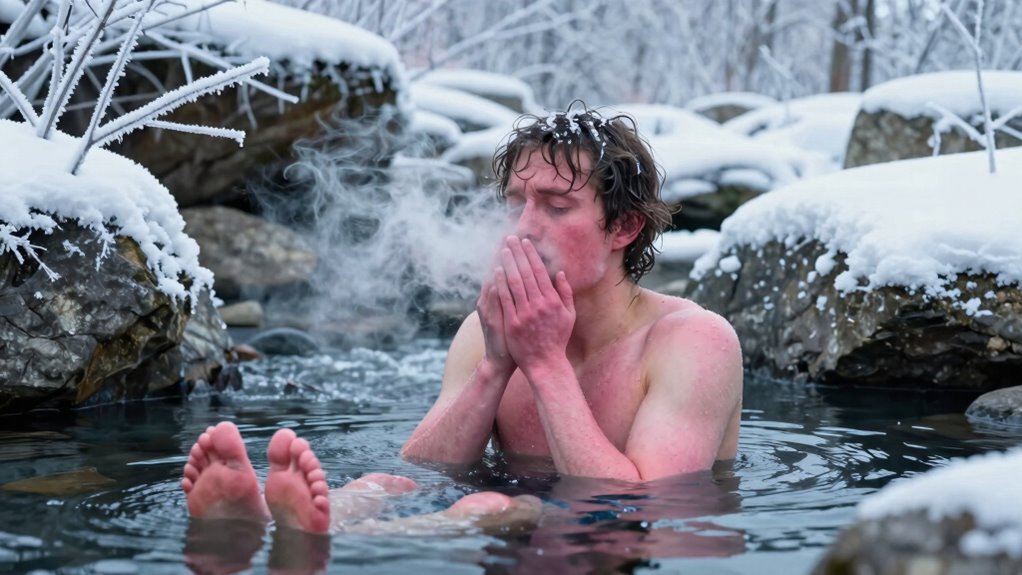
Repeated cold exposure gradually trains your body to handle lower temperatures more comfortably, reducing the initial shock and discomfort. This is part of the adaptation process, where your tolerance development makes cold less intimidating over time. As you consistently expose yourself, your body adjusts in key ways:
- Your blood vessels become more efficient at constricting and dilating, helping regulate core temperature.
- Your nervous system adapts, decreasing the intensity of the shock response.
- Your mental resilience grows, making cold feel less overwhelming and more manageable.
- Over time, you may notice improvements in your indoor air quality awareness, which can support your overall well-being during cold exposure routines.
- Additionally, your body’s thermal regulation system becomes more finely tuned, further easing your cold tolerance.
- This adaptation process can also lead to better stress management and overall health benefits as your body becomes more resilient to environmental challenges.
Furthermore, repeated exposure can enhance your autonomic nervous system responses, promoting quicker recovery from cold stress. This process doesn’t happen overnight, but with repeated exposure, your feelings toward cold change from alarm to calm. Your tolerance develops, and cold becomes a challenge you can meet with confidence. In addition, this adaptation may contribute to improved cardiovascular health, supporting your resilience to various environmental stresses.
How to Safely Start Cold Exposure and Overcome the Initial Discomfort

Starting cold exposure safely involves easing into the practice gradually and listening to your body’s signals. Begin with short, controlled sessions, such as a quick splash of cold water or a brief cold shower. Focus on breathing techniques—deep, slow breaths—to help manage initial discomfort and stay calm. Use gradual immersion by slowly increasing exposure time as your body adapts, rather than jumping straight into prolonged cold baths. Pay attention to how you feel; if you experience intense shivering or discomfort, end the session and warm up gradually. Consistency is key; over time, your body will adjust, making cold exposure feel less overwhelming. Patience and mindfulness will help you overcome the initial hurdle and build resilience safely.
Frequently Asked Questions
How Long Does the Initial Discomfort of Cold Exposure Typically Last?
The initial discomfort of cold exposure usually lasts about 3 to 5 minutes, depending on your discomfort threshold and how quickly you adjust. During this time, your body works to regulate temperature, causing shivering and sensations of cold. As you continue, your body adjusts, and the discomfort diminishes. With consistent exposure, you can extend this period and enhance your adaptation, making cold exposure more tolerable over time.
Can Cold Exposure Help Improve Mental Health or Reduce Anxiety?
Cold exposure can boost your mental health by releasing endorphins, which lift your mood and reduce anxiety. It also activates your nervous system, helping you build resilience against stress. Regular cold exposure may improve your overall mental well-being, making you feel more alert and calm. If you incorporate it safely into your routine, you’ll likely notice a decrease in anxiety and an enhanced sense of mental clarity over time.
Are There Specific Health Conditions That Make Cold Exposure Risky?
Certain health conditions, like cardiovascular risks and immune system considerations, make cold exposure risky for you. If you have heart problems, cold stress can strain your heart and increase risks. Similarly, if your immune system is compromised, cold exposure might weaken your defenses or trigger adverse reactions. Always consult your healthcare provider before starting cold exposure routines, especially if you have existing health concerns or conditions.
How Does Cold Exposure Affect Sleep Quality and Circadian Rhythms?
Cold exposure can improve your sleep quality by helping regulate your sleep cycle and melatonin production. When you’re exposed to cold, your body cools down, signaling it’s time to rest. This triggers melatonin release, making it easier to fall asleep and stay asleep. Regular cold exposure may enhance circadian rhythm alignment, leading to more restorative sleep and better overall health. Just be cautious if you have certain health conditions.
What Are the Best Practices for Gradually Increasing Cold Exposure Duration?
To gradually increase your cold exposure duration, start with short sessions, like a minute or two, and slowly add time as your body adapts. Follow safety protocols by listening to your body and avoiding extreme cold that causes discomfort or numbness. Practice gradual adaptation by extending exposure slowly over days or weeks, ensuring you build tolerance safely. This approach helps your body adjust without risking cold-related injuries.
Conclusion
As you gently embrace cold exposure, you’re inviting a subtle awakening within. At first, it may feel like a brisk awakening, but over time, your body blossoms with resilience and vigor. With patience and care, you’ll discover a invigorating serenity that transforms discomfort into invigorating clarity. Each chilly moment becomes a quiet invitation to deepen your connection with your inner strength, revealing a cool, calming glow that lingers long after the frost has passed.