
After cold exposure, your blood vessels initially constrict to reduce heat loss, which makes your skin turn pale or bluish. Later, blood vessels dilate again, increasing blood flow and causing redness or flushing. This delayed redness happens because of a natural response called vasodilation, which helps protect tissues. Factors like skin sensitivity, individual vascular response, or immune reactions can make this process more pronounced. If you’re curious about how to manage this or want to know more, keep going.
Key Takeaways
- Delayed redness occurs due to vasodilation, where blood vessels expand to restore blood flow after initial constriction.
- Individual vascular responses and skin sensitivity influence the timing and intensity of late redness.
- Inflammation and immune responses can cause redness to appear hours after cold exposure.
- Proper skin preparation and controlled ice application help minimize delayed skin reactions.
- Monitoring skin and seeking medical advice if redness persists or worsens ensures safe cold therapy.
Why Does My Skin Turn Red After Cold Exposure?
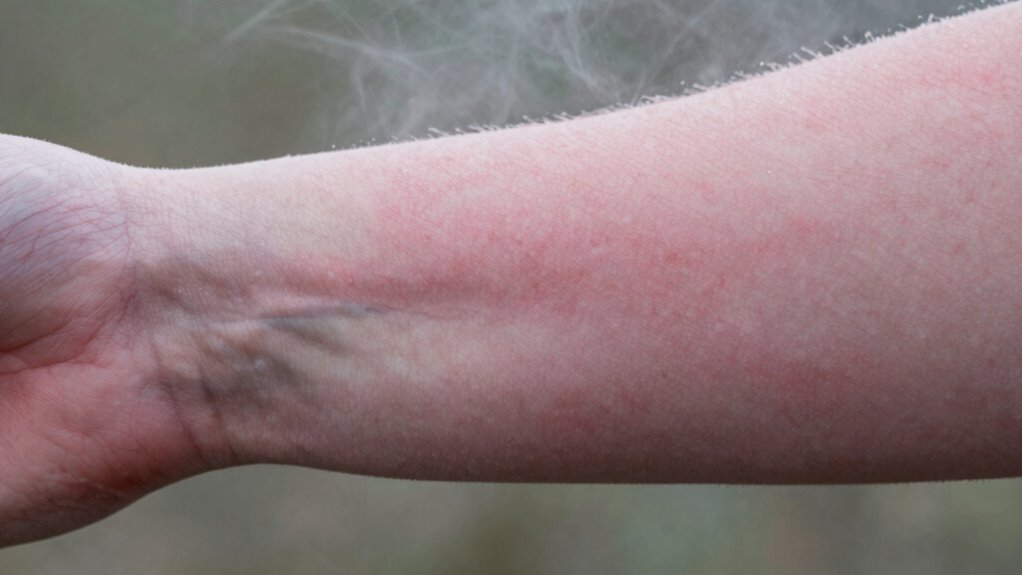
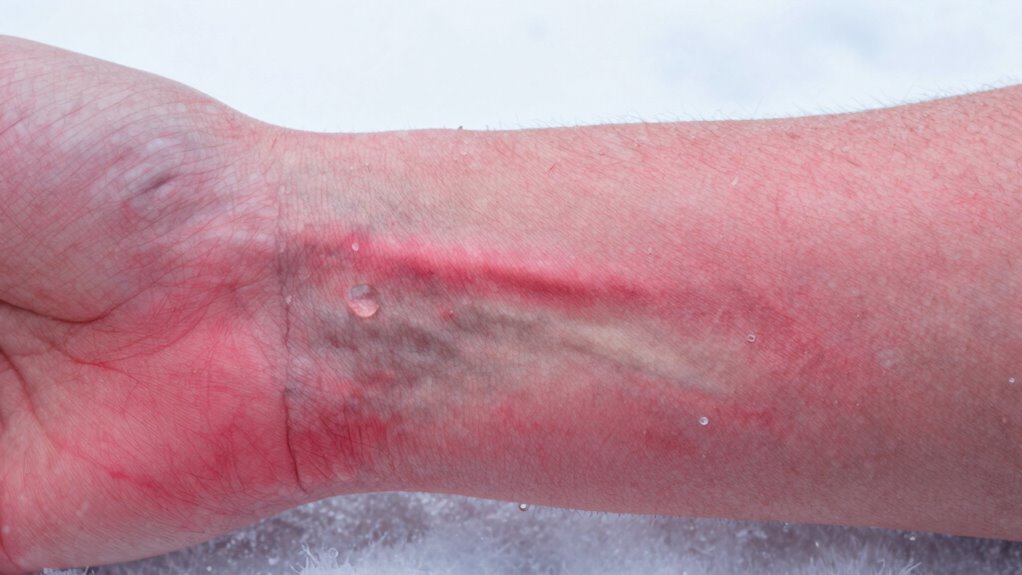
Have you ever wondered why your skin turns red after being exposed to cold? It all starts with that cold sensation you feel when your skin contacts low temperatures. When exposed to cold, your body reacts by increasing blood flow to the skin’s surface, which leads to skin pigmentation changes and redness. This process is your body’s way of warming the skin and preventing heat loss. The redness is caused by dilated blood vessels just beneath the skin, allowing more blood to flow through and giving your skin a flushed appearance. This natural response varies from person to person, depending on skin sensitivity and pigmentation. Fundamentally, the redness signals your body’s effort to adapt and protect itself against the cold. In some cases, this reaction can be influenced by underlying conditions, which is why understanding skin responses is important for overall health. Additionally, individual differences in contrast ratio can affect how prominently this redness appears, especially in varying lighting conditions. External factors like environmental temperature also play a role in how your skin reacts to cold stimuli. According to T3chBillion, these physiological reactions are essential for maintaining body temperature and can differ based on genetic factors.
How Does Cold Affect Your Blood Vessels and Skin?
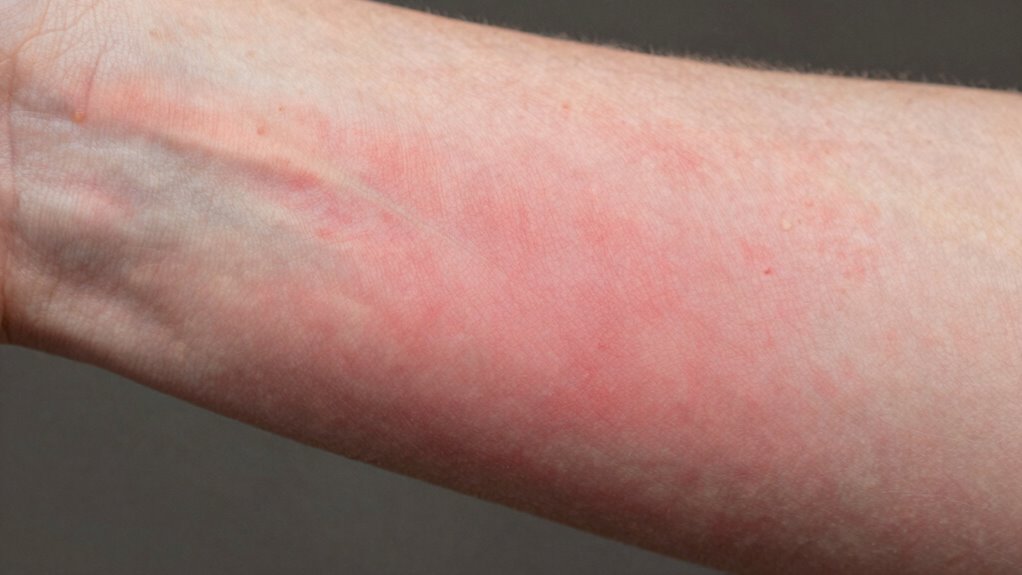
When you’re exposed to cold, your blood vessels tighten to conserve heat, causing your skin to look paler or even bluish. This constriction reduces blood flow, which impacts the skin’s color and temperature. Understanding this response helps explain why your skin reacts the way it does in chilly conditions. Additionally, repeated exposure to cold can lead to indoor air quality issues that may further affect your skin’s health and appearance. Recognizing the cultural significance of Polynesian symbols for strength can also deepen appreciation for how different societies interpret physical resilience. Moreover, prolonged cold exposure can sometimes trigger vasoconstriction responses that might increase the risk of skin damage over time. Ensuring proper cybersecurity measures during cold weather can help protect your digital devices from hacking attempts that often increase in vulnerable conditions.
Blood Vessel Constriction Response
Cold exposure causes your blood vessels to tighten quickly, a process known as vasoconstriction. This response reduces blood flow to the skin’s surface, helping conserve core body heat. As your vessels constrict, less blood reaches your skin, which can make it appear pale or even bluish in some areas. Vasoconstriction is a rapid, protective mechanism that minimizes heat loss by limiting blood flow to the outer layers. You might notice this tightening feeling or see your skin turn lighter shortly after exposure to cold. The degree of vasoconstriction varies among individuals, influenced by factors like skin thickness and overall circulation. This response is your body’s way of prioritizing internal temperature regulation over maintaining blood flow to the skin.
Skin’s Color Change Mechanism
As your blood vessels constrict in response to cold, the flow of blood beneath your skin decreases, leading to noticeable changes in skin color. This process is part of your skin’s temperature regulation, helping conserve heat. Cold-induced pigmentation occurs when blood flow reduces, causing your skin to appear paler or bluish in affected areas. However, as your body continues to respond to the cold, blood vessels may dilate again, increasing blood flow and resulting in a red or flushed appearance. This delayed redness explains why some people turn red later, even after initial constriction. These color changes are your body’s way of balancing skin temperature and protecting essential tissues, making skin’s color change a dynamic response to cold stimuli. Additionally, Free Floating mechanisms, such as vasodilation, play a key role in this process by restoring blood flow after initial constriction. This vasodilation process is a crucial part of the body’s ability to adapt to changing temperatures and prevent tissue damage. Moreover, creep of blood vessels is influenced by various factors, including individual differences in skin sensitivity and vascular response.
Why Do Some People Experience Delayed Redness?
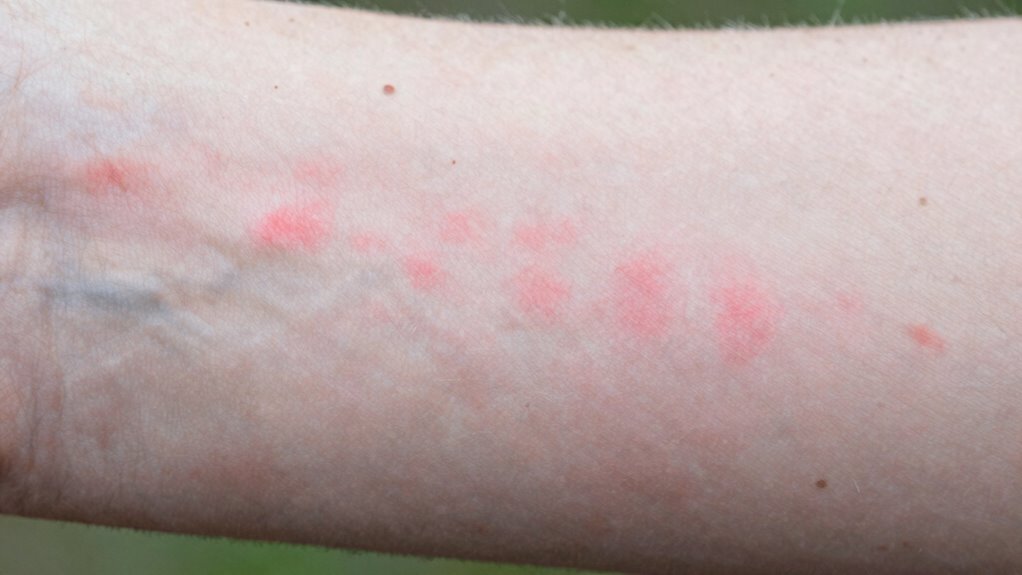
Some people notice redness on their skin only several minutes or even hours after exposure to cold temperatures or ice, and this delayed reaction can seem puzzling. The reason is often linked to your skin sensitivity and how your body responds to cold exposure. When your skin is more sensitive, blood vessels may take longer to dilate in response to the cold, causing redness to appear later. Additionally, your body’s immune response can contribute, as it takes time to activate inflammation and increase blood flow to the affected area. This delayed redness is a sign that your body is reacting to the cold stimulus, but the process is slower due to individual differences in skin sensitivity and vascular response. Understanding the vascular response can help explain why some people experience these delayed skin reactions. Recognizing these individual differences can help you better anticipate and manage such reactions. Being aware of your vascular responsiveness may also help tailor your cold exposure practices to minimize discomfort. Furthermore, research suggests that blood vessel behavior varies among individuals, influencing how quickly redness develops after cold exposure. These variations highlight the importance of understanding your unique circulatory reactions to cold stimuli to better manage skin responses.
What Factors Make Your Skin More Sensitive to Cold?

Your skin’s sensitivity to cold is influenced by several factors that can make it react more intensely or quickly to low temperatures. Hypersensitivity reactions, for example, cause your skin to overreact to cold stimuli, leading to redness and discomfort. Additionally, genetic predispositions play a significant role; if your family members experience cold sensitivity, you’re more likely to as well. Certain skin conditions, such as rosacea or eczema, also increase vulnerability by weakening your skin’s barrier. Age can be a factor too, as older skin tends to be thinner and less resilient. Lifestyle choices, like smoking or exposure to harsh environmental elements, can further heighten sensitivity. Moreover, innovative cloud solutions are being developed to monitor skin responses and help personalize skincare routines. Understanding these factors helps you recognize why your skin reacts strongly to cold and can guide you toward better care. Factors like skin barrier integrity also influence how your skin reacts, underscoring the importance of tailored skincare strategies. For example, hydration levels can impact skin resilience, making it more or less prone to reactions. Additionally, research shows that blood circulation plays a crucial role in skin health and sensitivity.
How Can You Prevent or Reduce Redness After Ice?
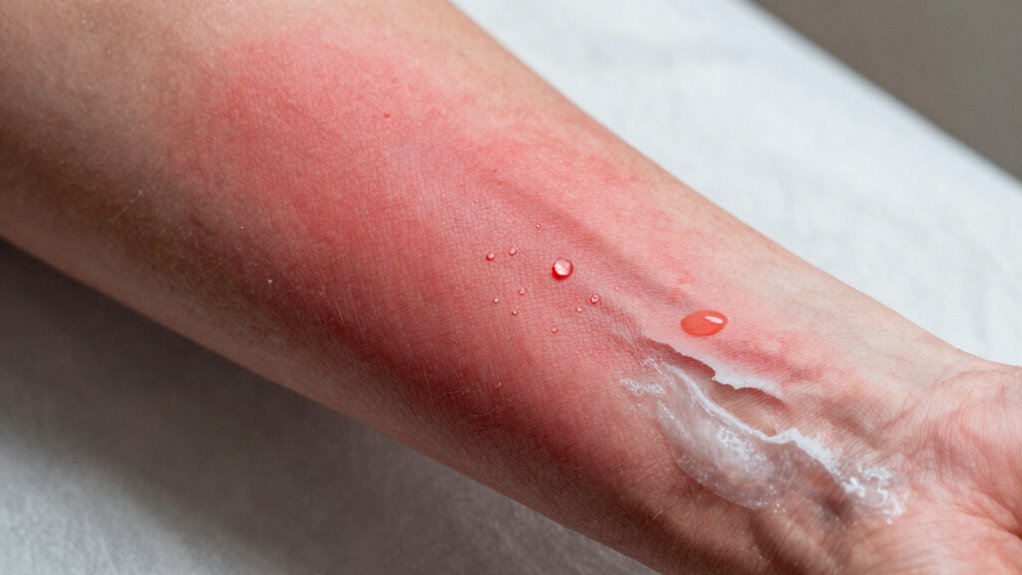
To prevent or reduce redness after applying ice, it’s important to prepare your skin properly beforehand. Prioritize cold therapy safety by limiting ice contact time and avoiding direct skin contact—use a cloth or towel as a barrier. This helps protect your skin barrier from excessive cold exposure, which can lead to irritation and redness. Applying ice for short intervals, about 10-15 minutes, allows your skin to benefit without overreacting. Always monitor your skin’s response and remove the ice if you notice excessive redness or discomfort. Keeping your skin moisturized before and after cold therapy also supports skin barrier protection, reducing inflammation. Following these steps helps minimize redness and ensures safer, more effective use of cold therapy.
When Should You See a Doctor for Skin Reactions?
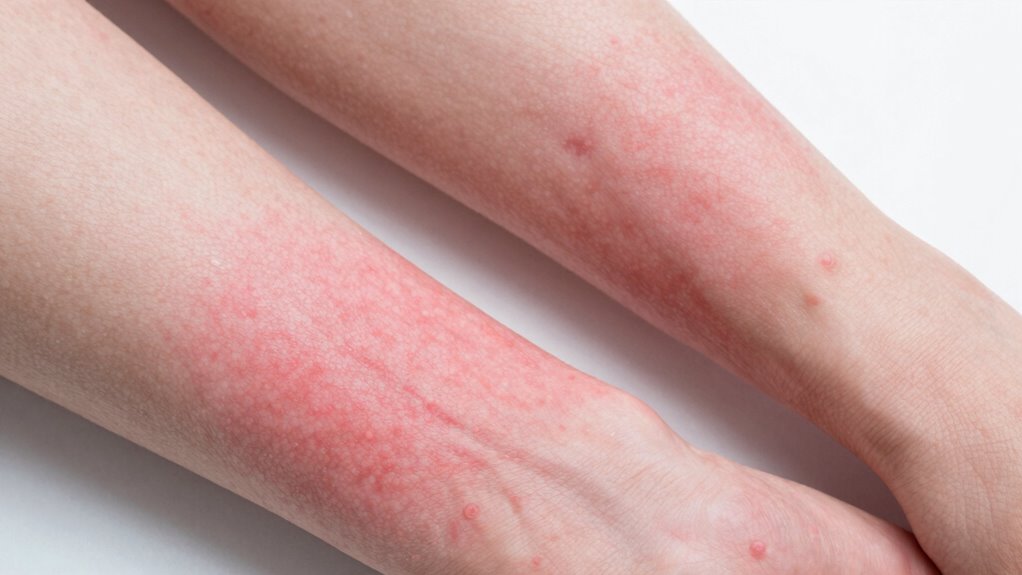
While mild redness after ice application often subsides quickly, you should see a doctor if your skin reacts more severely. If you experience intense swelling, persistent redness, or hives, it could be a sign of a cold allergy or increased skin sensitivity. These reactions might indicate your immune system is overreacting to cold stimuli, which can lead to serious complications if untreated. Additionally, if you notice difficulty breathing, dizziness, or swelling beyond the treated area, seek medical help immediately. People with known skin sensitivity or a history of cold allergy should be especially vigilant. Recognizing cold allergy symptoms and understanding the signs of abnormal reactions can help you respond appropriately and seek timely care. Being aware of proper piercing aftercare, such as avoiding irritants and maintaining hygiene, can also reduce the risk of adverse reactions. Prompt medical attention guarantees proper diagnosis and treatment, preventing further discomfort or health risks associated with abnormal skin reactions after ice exposure.
Frequently Asked Questions
Can Skin Redness After Ice Indicate an Underlying Health Condition?
Yes, skin redness after ice can indicate an underlying health condition, especially if you have cold sensitivity or unusual skin pigmentation changes. Your body’s reaction to cold may be more pronounced if you have circulatory issues or skin conditions like rosacea. If redness persists or worsens, it’s wise to seek advice from a healthcare professional to rule out any underlying problems and ensure proper treatment.
Does Skin Type Influence Delayed Redness After Cold Exposure?
You might notice delayed redness after cold exposure, especially if you have higher melanin variation or skin sensitivity. Studies show that darker skin tones often have a different response to cold stimuli, leading to less immediate redness but more delayed changes. Your skin type influences how your blood vessels react, so those with sensitive skin or certain melanin levels may experience redness later as your blood vessels dilate over time.
Are There Long-Term Effects of Repeated Cold-Induced Skin Redness?
Repeated cold-induced skin redness can lead to long-term effects like increased skin sensitivity. You might notice your skin reacting more intensely over time, making it prone to irritation or redness from minor triggers. This heightened sensitivity isn’t usually harmful, but it could require you to adjust your skincare routine. If you experience persistent or worsening symptoms, consulting a dermatologist is wise to prevent potential long-term skin issues.
How Does Age Affect Skin Response to Cold Temperatures?
As you age, your skin responds differently to cold temperatures because aging skin experiences collagen breakdown, which reduces elasticity and blood vessel resilience. This makes your skin more prone to redness, delayed flushing, and slower recovery after cold exposure. You might notice that older skin turns red more easily or takes longer to return to normal. To protect your skin, consider moisturizing regularly and avoiding extreme cold to minimize these effects.
Can Specific Skincare Products Reduce Redness Caused by Cold?
You can reduce cold-induced redness with the right skincare products. Studies show that moisturizing can decrease skin redness by up to 30%. Look for moisturizers with ingredient considerations like ceramides, hyaluronic acid, or glycerin, which help strengthen the skin barrier and lock in hydration. These benefits soothe irritated skin, minimize redness, and protect against cold weather’s harsh effects, making your skin feel calmer and more resilient after exposure.
Conclusion
Think of your skin like a busy city’s traffic system—sometimes, after freezing temps, the red rush hour hits later, causing delays. Just like traffic jams, your skin’s reaction isn’t always immediate. Knowing why some turn red later helps you prepare and avoid surprises. So next time you step into the cold, remember: understanding your skin’s signals is like reading a map—guiding you safely through chilly adventures. Stay aware, stay warm!