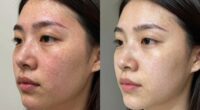
Healing your skin’s barrier isn’t quick or immediate—in fact, it’s a gradual process that demands patience and consistent care. Visible improvements usually show up within a few weeks, but full recovery can take several months, depending on the damage. During this time, your skin fluctuates, and setbacks are normal. Building resilience and sticking to a gentle routine helps. Keep going, because with time, you’ll see healthier, more resilient skin emerge—there’s much more to understand ahead.
Key Takeaways
- Skin barrier repair is a gradual process, often taking weeks to months, depending on damage severity.
- Visible improvements may fluctuate; patience and consistent care are essential for progress.
- The healing timeline varies individually, influenced by skincare habits, environmental factors, and skin health.
- Supporting the process with gentle, nourishing products accelerates recovery but does not produce instant results.
- Emotional resilience and realistic expectations help manage frustration during the slow healing journey.
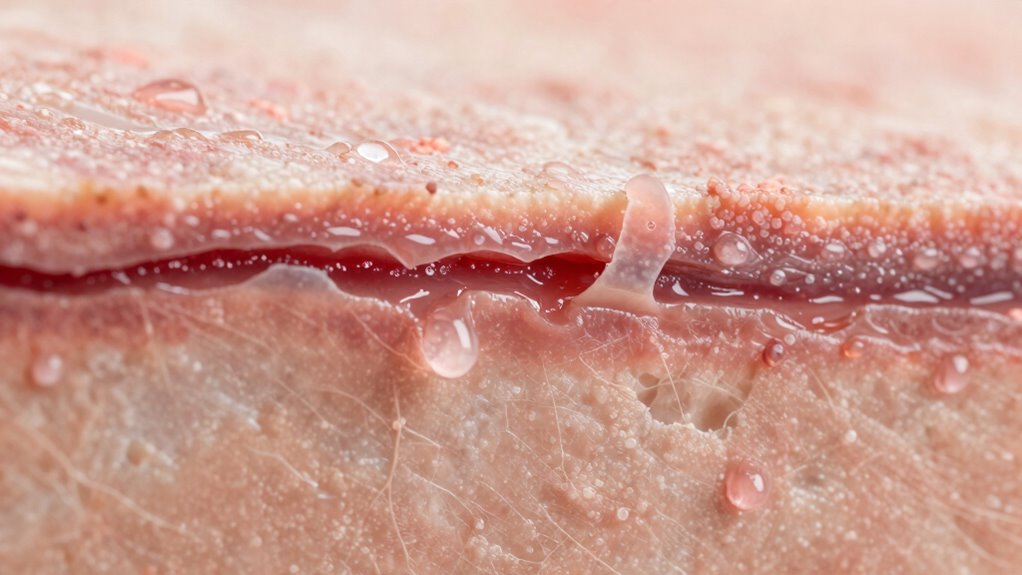
Understanding your skin’s barrier repair timeline is essential for effectively restoring your skin’s health. When your skin barrier becomes compromised—whether from harsh skincare, environmental stressors, or over-exfoliation—you might expect quick results. But the reality is, repairing your skin’s barrier takes time. It’s a gradual process that requires patience, emotional resilience, and often, community support. Knowing what to expect can help you stay committed and prevent frustration along the way.
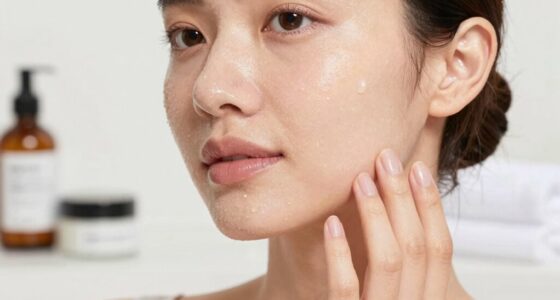
Your skin’s barrier isn’t just a physical shield; it’s a complex system that protects against pollutants, bacteria, and irritants. When damaged, it signals your body to initiate repair, but this isn’t an overnight process. Typically, visible improvements start showing within a few weeks, but full recovery can take several months depending on the severity of the damage. During this period, you might notice fluctuations—some days feeling like your skin is improving, other days seeming worse. That’s normal. Patience and persistence are key, and building emotional resilience helps you manage these ups and downs without losing hope.
Your skin’s healing is a complex process that takes patience and persistence.
Supporting your skin’s healing process also involves community. Whether that’s connecting with others who are going through similar issues or seeking advice from trusted skincare professionals, community support can be a powerful motivator. Sharing experiences, tips, and encouragement keeps you motivated and reassures you that you’re not alone in this journey. It’s also a reminder that healing isn’t linear, and setbacks don’t mean failure. They’re part of the process that everyone experiences.
During the repair timeline, it’s important to adopt a gentle skincare routine, avoid harsh products, and prioritize hydration. Consistency matters more than intensity. While it’s tempting to rush the process with aggressive treatments, doing so can further damage your barrier and prolong recovery. Instead, focus on nourishing your skin with calming ingredients like ceramides, niacinamide, or fatty acids. At the same time, nurture your emotional resilience by practicing patience, mindfulness, and self-compassion. Remember, your skin’s healing isn’t just physical—it’s also an emotional journey. Engaging with community support groups or online forums can offer encouragement and shared wisdom, making the process feel less isolating. Additionally, understanding skin barrier function empowers you to make better decisions during recovery.
Ultimately, understanding that barrier repair isn’t instant helps you set realistic expectations. Your skin needs time to rebuild its strength, just like any other healing process. By staying committed, leaning on community, and nurturing your emotional resilience, you’re giving your skin the best chance to recover fully. The timeline might be longer than you’d like, but with patience and support, you’ll see the results unfold gradually, leading to healthier, more resilient skin in the long run.
Frequently Asked Questions
Can Barrier Repair Happen Faster With Certain Skincare Products?
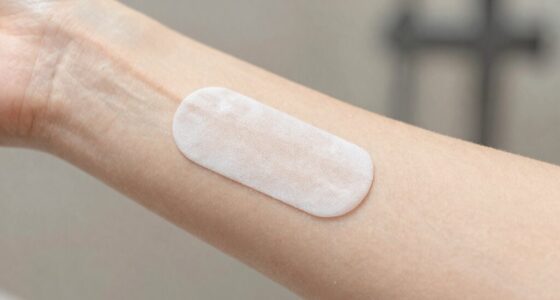
Yes, certain skincare products can speed up barrier repair. Hydrocolloid patches help protect your skin and promote healing, especially for acne or wounds. Barrier strengthening ingredients like ceramides, fatty acids, and niacinamide also support faster recovery by replenishing your skin’s natural oils. While you won’t see instant results, consistently using these products accelerates the healing process, helping your skin rebuild its protective barrier more efficiently over time.
Does Diet Impact the Skin’s Barrier Repair Process?
Did you know that your diet impacts your skin’s barrier repair process? Nutrients like vitamins A, C, E, and omega-3 fatty acids play a vital role in strengthening and healing your skin. When you consume a balanced diet rich in these nutrients, you support faster barrier recovery. So, what you eat directly influences how quickly your skin repairs itself, making diet an essential part of skincare.
Are There Specific Signs That Indicate Barrier Damage?
If your skin feels unusually sensitive, tight, or irritated, these are clear barrier indicators of damage. You might also notice redness, flakiness, or a burning sensation, especially after cleansing or exposure to harsh products. These signs suggest your skin’s protective barrier is compromised. Pay close attention to skin sensitivity and barrier indicators, as addressing them early can help restore your skin’s health and prevent further damage.
How Does Age Affect the Barrier Repair Timeline?
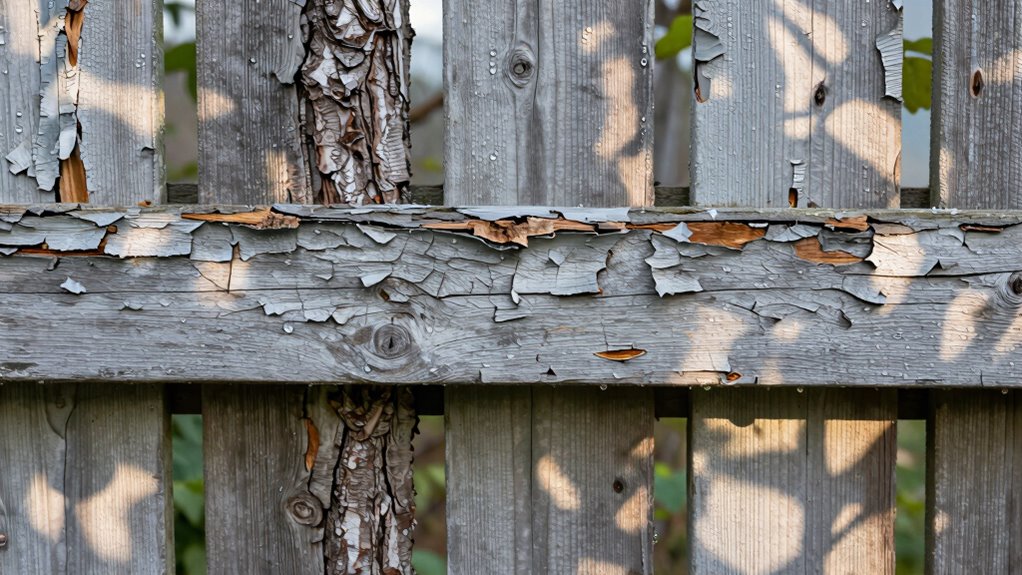
Think of your skin’s barrier as a delicate garden. As you age, age-related changes and barrier aging make it harder for your skin to bounce back quickly. The repair timeline lengthens because cell turnover slows and damage accumulates. You might notice it takes longer for your skin to heal or restore itself, but with patience and proper care, you can still support your barrier’s recovery, even as time passes.
Can Environmental Factors Delay Barrier Restoration?
Environmental factors like pollution exposure and environmental stress can delay your barrier restoration process. When you’re exposed to pollutants, it hampers your skin’s ability to repair itself efficiently, causing longer recovery times. Environmental stress, such as extreme weather or UV rays, can also weaken your skin’s barrier, making it harder to restore. To help your skin heal faster, protect it from pollution and environmental stressors whenever possible.
Conclusion
Remember, restoring your skin’s barrier isn’t a quick fix—it’s like tending a delicate garden that needs time to flourish. Patience is your best friend here; with consistent care, you’ll see your skin bounce back stronger than ever. Don’t get discouraged if results take a little longer than expected. Keep nurturing your skin, and soon enough, the barrier will be your fortress, standing tall and resilient against daily stresses.