Your skin renewal cycle typically takes about 28 to 30 days, but this can vary depending on your age, lifestyle, and skincare habits. Younger skin tends to renew faster, while factors like stress, sun exposure, and nutrition can slow down the process. Consistent care, hydration, and protection help support healthy turnover. If you want to understand more about how these factors influence your skin and what you can do to optimize renewal, keep exploring.
Key Takeaways
- The typical skin renewal cycle lasts about 28 to 30 days, but this varies with age and skin health.
- Younger skin renews faster, often completing the cycle in less than a month, while older skin may take longer.
- External factors like sun exposure, pollution, and skincare routines can influence the renewal timeline.
- Proper hydration, exfoliation, and sun protection support and potentially accelerate the renewal process.
- Visible improvements from skincare efforts usually appear after a full cycle, approximately one month or more.
What Is Skin Renewal and Why Is It Important?
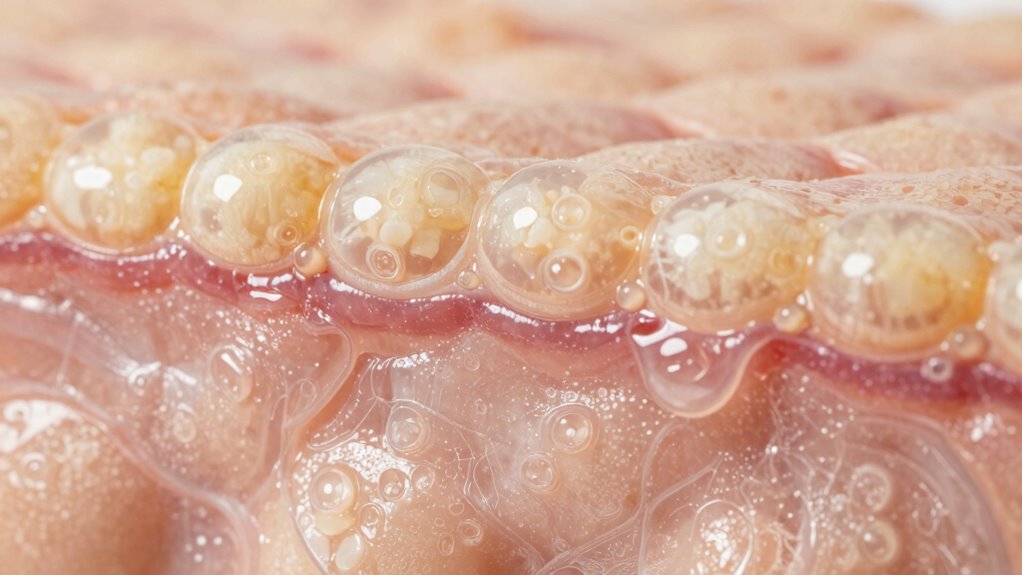
Have you ever wondered how your skin stays fresh and healthy? Skin renewal is the natural process where your body replaces old, damaged cells with new ones, keeping your skin vibrant and resilient. Recent dermatology innovations have enhanced our understanding of this process, emphasizing the importance of the skin microbiome—the collection of beneficial bacteria that reside on your skin’s surface. A healthy microbiome supports skin renewal by protecting against harmful microbes and reducing inflammation. When your skin renews itself regularly, it repairs damage from daily exposure, maintains moisture, and improves texture. Understanding skin renewal helps you better care for your skin and maintain its youthful glow, especially as microcurrent devices and other at-home treatments can influence this regenerative process. Regular review sessions and staying informed about skin health can further support your skin’s natural renewal cycle, which can vary depending on factors like age, lifestyle, and skincare routines. Additionally, factors such as cell turnover rates are crucial in determining how quickly your skin renews itself over time. Maintaining a balanced microbiome is essential for optimal skin renewal, as it directly impacts the skin’s ability to heal and regenerate efficiently.
How Long Does the Skin Renewal Cycle Usually Take?
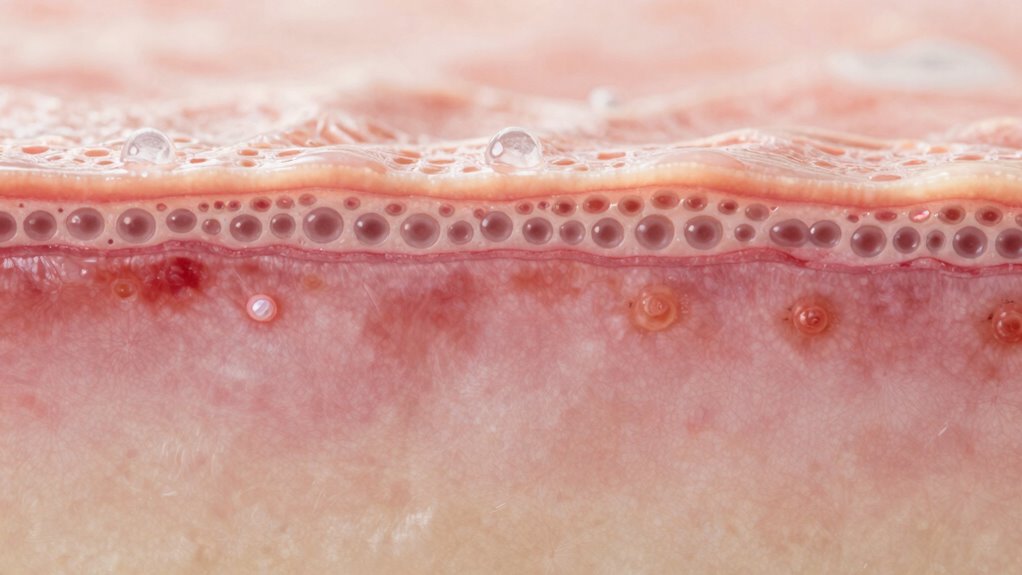
The skin renewal cycle typically takes about 28 to 30 days, though this timeframe can vary depending on age, skin type, and overall health. During this process, your skin cells are constantly shedding and being replaced, which influences skin hydration and overall appearance. Well-hydrated skin tends to renew more efficiently, helping maintain a healthy glow. Additionally, this cycle plays a fundamental role in pigment repair, reducing dark spots and uneven tone over time. As new cells reach the surface, they bring fresher, more even pigmentation, improving your skin’s clarity. The color accuracy of your skin can also improve as the renewal process replaces damaged cells with healthier ones. Keep in mind that factors like lifestyle, sun exposure, and skincare habits can affect how quickly your skin renews, but on average, it takes about a month for a full renewal cycle to complete. Recognizing the cell turnover rate is essential for understanding skin regeneration, which can help you tailor your skincare routines for optimal results. Incorporating products with glycolic acid can accelerate exfoliation and promote a faster renewal cycle.
What Factors Affect How Fast Your Skin Replaces Cells?
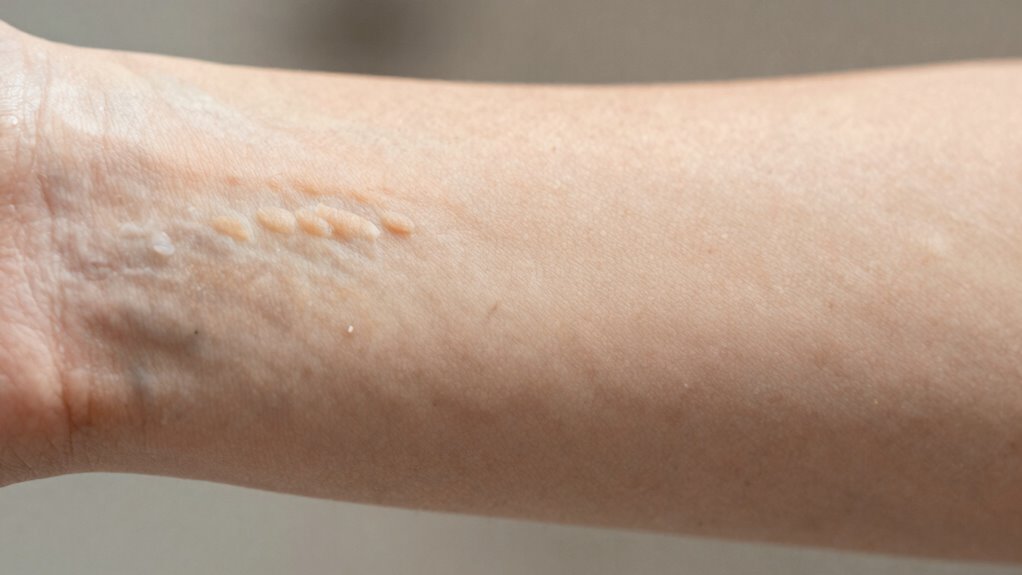
Several factors directly influence how quickly your skin replaces its cells. According to dermatologist insights, age plays a significant role—your renewal process slows down as you get older. Your skincare routines also impact cell turnover; regular exfoliation can speed up renewal by removing dead skin layers. Environmental factors like sun exposure, pollution, and climate can either accelerate or hinder the process. Lifestyle choices matter too: smoking, poor nutrition, and stress can delay cell production. Additionally, genetics influence your skin’s natural speed, making some people’s skin renew faster than others. Understanding these factors helps you tailor your skincare routine effectively. While you can’t control every element, adopting healthier habits and protecting your skin can support a more efficient renewal cycle. Skin renewal can be further optimized through proper hydration and targeted treatments, especially when combined with environmental protection strategies. Regular use of sunscreen can prevent damage that impairs cell regeneration, and using products formulated to promote cell turnover can also be beneficial.
The Key Stages of Skin Cell Turnover
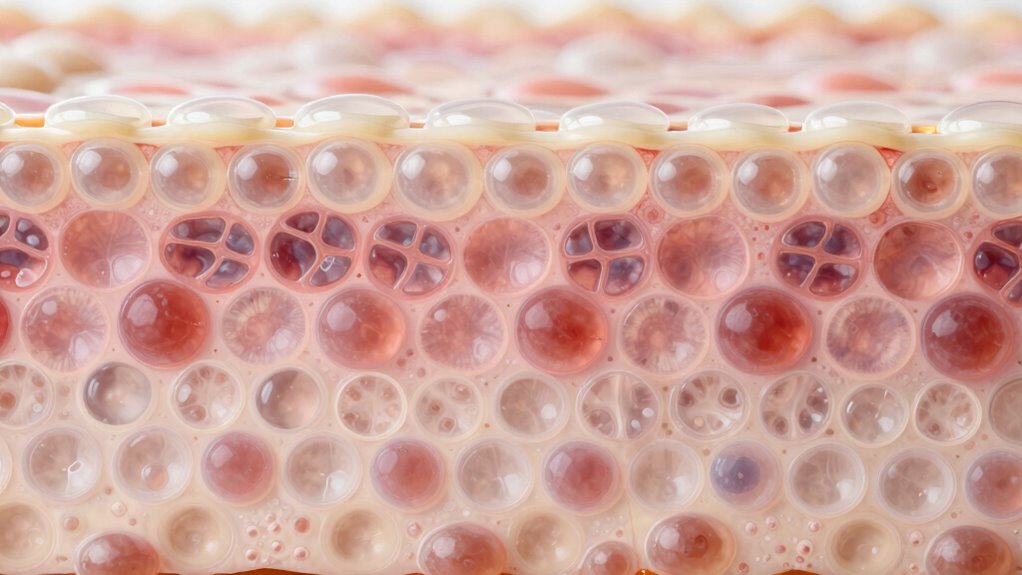
Understanding the key stages of skin cell turnover helps you see how your skin refreshes itself. First, new cells are produced deep within your skin, then they migrate upward toward the surface. Research shows that supporting this process through proper skin care routines can enhance skin health. Additionally, the rate of skin renewal can vary depending on age, health, and skincare habits. Incorporating proper skin care routines can support this natural process and improve overall skin health. It is also important to recognize that cell shedding plays a vital role in maintaining healthy skin appearance, which is closely connected to overall skin renewal processes influenced by lifestyle and environmental factors.
Cell Production Process
Ever wondered how your skin constantly renews itself? The cell production process begins deep in the basal layer of your epidermis, where new skin cells are formed through collagen synthesis, providing strength and support. These progenitor cells multiply rapidly, then mature into keratinocytes, which will eventually migrate upward. During this process, pigment regulation occurs, ensuring your skin maintains its tone and protection from UV damage. As the cells mature, they produce more keratin, a protein that forms a tough, protective outer layer. This process is tightly controlled to keep your skin healthy and resilient. Additionally, the use of essential oils such as lavender or rosemary can support skin health by promoting circulation and reducing inflammation, thereby aiding the renewal process. The entire cycle from cell creation to surface arrival takes about 28 to 30 days, but it starts with this complex, carefully coordinated production process at the cellular level. Understanding skin renewal involves recognizing how cellular activities and proper nourishment influence the overall skin health and regeneration rate.
Migration to Skin Surface
Have you ever wondered how those fresh skin cells make their way to the surface? It all begins with cell migration, where new cells move upward through the layers of your epidermis. This process, known as epidermal movement, involves the active migration of keratinocytes from the deeper layers toward the skin’s surface. As these cells migrate, they gradually flatten and become more specialized, preparing for their eventual shedding. The migration occurs over several weeks, during which cells navigate through tight spaces and adapt to their environment. This movement ensures a continuous supply of fresh, healthy cells at the surface, maintaining your skin’s protective barrier. Understanding this step highlights how your skin constantly renews itself, keeping you protected and vibrant. Additionally, **cell migration** is a highly coordinated process driven by various signaling pathways that regulate how efficiently skin renewal occurs.
Shedding and Renewal
Once skin cells reach the surface, they begin the final stage of their lifecycle: shedding and renewal. This process is essential for maintaining healthy, youthful skin and is guided by ongoing dermatology advances that improve our understanding of cell turnover. As old cells shed, new ones emerge from deeper layers, ensuring continuous renewal. Proper skin hydration plays a critical role here; well-hydrated skin supports efficient shedding and prevents issues like dryness or flakiness. During this stage, your skin’s surface refreshes itself, revealing a brighter, smoother appearance. Although shedding typically takes about 28 days, factors like age, skincare, and environmental influences can speed up or slow down this cycle. Staying informed about dermatology advances helps you optimize your skin’s renewal process for healthier, more resilient skin. Regular exfoliation, such as with glycolic acid, can also promote cell turnover and enhance skin renewal efficiency. Understanding skin biology can further help tailor skincare routines to support this natural process.
How Age, Lifestyle, and Skincare Impact Renewal Speed
As you age, your skin’s ability to renew itself naturally slows down, making it more challenging to maintain a fresh, youthful appearance. This slowdown is influenced by factors like reduced collagen production and cell turnover. Your lifestyle choices also play a role; smoking, poor diet, and stress can accelerate aging, while a balanced diet rich in antioxidants provides antioxidant benefits that support skin health. Proper hydration is essential, as it maintains skin elasticity and helps remove toxins, speeding up renewal. Skincare routines that include gentle exfoliation and moisturizing can enhance renewal speed, but they work best when combined with healthy habits. Ultimately, understanding how age, lifestyle, and skincare impact renewal helps you make informed choices for healthier, more vibrant skin.
Common Myths About Skin Renewal and Results Timeline
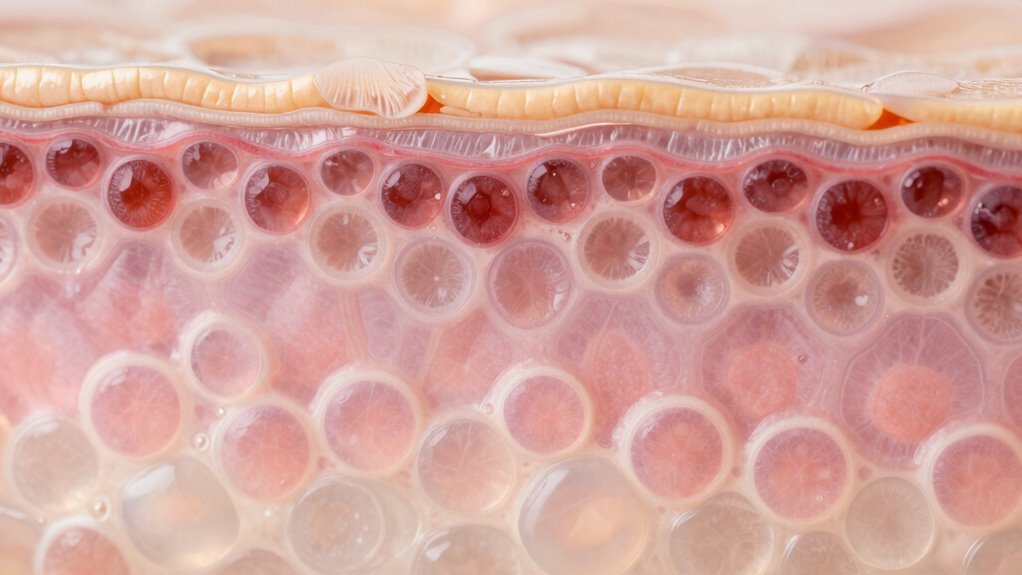
Many people believe skin renewal happens quickly or that results are immediate, but that’s a common misconception. Your expectations often don’t match reality, as various factors influence how fast your skin improves. Understanding these influences helps you set realistic timelines and avoid frustration.
Misconceptions About Speed
Despite common beliefs, skin renewal doesn’t happen overnight, and expecting rapid results can lead to disappointment. Many people think cosmetic procedures or skincare products will dramatically improve their skin in just days, but real skin health takes time to develop. Myths about quick fixes often cause frustration when results are slow or subtle. Remember, visible changes depend on your skin’s natural cycle, which varies from person to person. Patience is key; rushing or expecting instant transformation can undermine your progress. Focus on consistent skincare and realistic goals. Understanding that skin renewal is a gradual process helps you appreciate the effort involved and sets proper expectations, avoiding false hope that quick fixes can replace long-term care.
Expectation vs. Reality
Expectations about skin renewal often clash with reality, fueled by common myths and misconceptions. Many believe that visible results happen overnight or that products alone can instantly boost skin hydration and collagen production. In reality, skin renewal is a gradual process, often taking weeks to show noticeable improvements. You might expect radiant, flawless skin quickly, but the truth is that consistent care and patience are essential. Common myths include:
- Instant skin glow after a single application
- Rapid collagen boost from topical creams
- Complete skin turnover within days
Understanding that collagen production takes time and that skin hydration improves gradually helps set realistic expectations. Recognizing these myths ensures you stay patient and committed to your skincare routine, knowing real results come with persistence over time.
Factors Influencing Results
Understanding the factors that influence skin renewal helps you set realistic expectations and avoid falling for common myths. Chemical exfoliation accelerates the process by removing dead skin cells, but its effectiveness varies based on your skin type and product strength. Hormonal influences also play a significant role, as fluctuations can speed up or slow down renewal rates. For example, hormonal changes during puberty, pregnancy, or stress can lead to uneven or delayed skin turnover. Additionally, age impacts results; younger skin renews faster, while older skin takes longer. Lifestyle factors like diet, hydration, and sun exposure further affect how quickly your skin refreshes. Recognizing these variables helps you understand that skin renewal is a complex process, and results will differ from person to person.
Tips to Boost and Accelerate Your Skin’s Natural Renewal
To effectively boost and accelerate your skin’s natural renewal process, incorporating targeted skincare habits and lifestyle changes can make a significant difference. Prioritize hydration importance by drinking plenty of water daily, which helps keep your skin plump and promotes cell turnover. Sun protection is vital; always apply broad-spectrum sunscreen to shield your skin from UV damage that can hinder renewal. Additionally, consider these tips:
- Use gentle exfoliants to remove dead skin cells and encourage new growth.
- Incorporate antioxidants like vitamin C to support skin repair and brightness.
- Maintain a consistent skincare routine, focusing on nourishing and healing ingredients.
When Will You See Results? Tracking Your Skin’s Progress
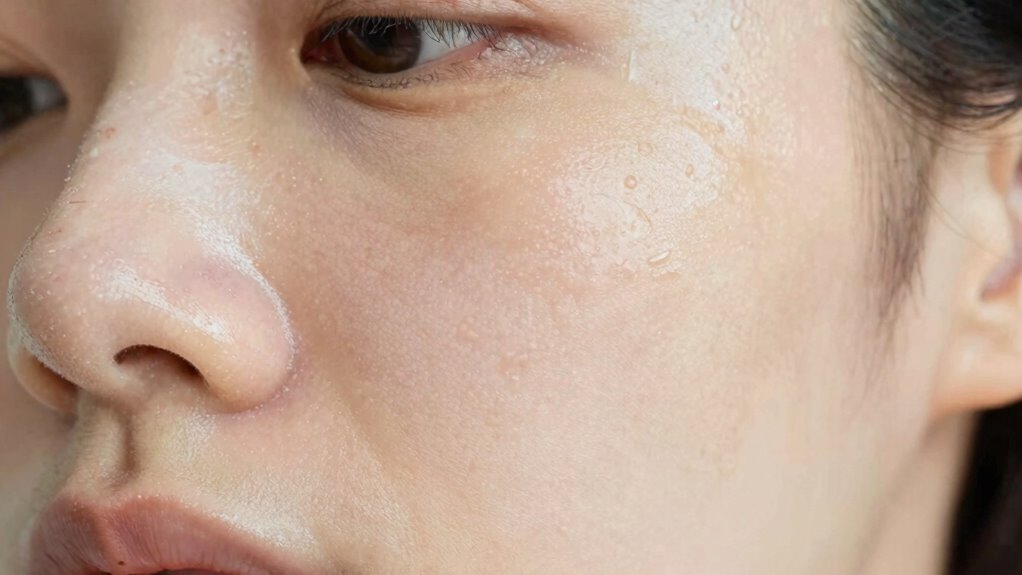
You’ll start noticing visible improvements in your skin’s texture and brightness within a few weeks of consistent skincare and lifestyle habits. Tracking your progress involves paying attention to changes in skin hydration, which helps plump and smooth your skin. Keep an eye on how your skin responds to sun protection—regular use of SPF prevents further damage and enhances renewal results. You may see a reduction in dullness and minor blemishes early on, but more significant improvements like reduced fine lines or even tone take longer. Take photos regularly and note how your skin feels daily. Consistency is key; with proper hydration, sun protection, and patience, you’ll gradually see your efforts pay off.
Frequently Asked Questions
Can Skincare Products Actually Speed up Skin Renewal?
Skincare products can help speed up skin renewal by boosting cell turnover, but they can’t completely override aging effects or hormonal influences. Ingredients like retinoids and AHAs promote faster shedding and regeneration, making your skin look fresher. However, factors like aging and hormonal changes slow down this process naturally. So, while your skincare can support renewal, it works best when complemented with a healthy lifestyle and consistent use over time.
Does Skin Renewal Rate Differ Across Different Body Areas?
Yes, skin renewal rates vary across different body areas due to skin variation and age differences. You’ll find that your face renews faster than rougher areas like elbows or knees. As you age, renewal slows down everywhere, but more noticeably on areas with thinner skin. This means your skin’s ability to regenerate and heal can differ, requiring tailored skincare for each area to maintain healthy, youthful skin.
How Does Dehydration Affect Skin Cell Turnover?
Dehydration subtly slows down your skin cell turnover, making your skin feel dull and less vibrant. When hydration levels drop, moisture retention becomes compromised, hindering the natural renewal process. As your body struggles to keep skin nourished, it takes longer for fresh, healthy cells to surface. To keep your skin glowing and renewal on track, guarantee consistent hydration—drink plenty of water and use moisturizing products to support ideal moisture retention.
Are There Specific Foods That Enhance Skin Renewal?
You can boost your skin renewal by eating foods rich in dietary antioxidants, which fight free radicals and support cell repair. Incorporate collagen-rich foods like bone broth, fish, and eggs to promote elasticity and regeneration. These nutrients help speed up your skin’s renewal process, making your complexion healthier and more youthful. Consistently including antioxidant and collagen sources in your diet can considerably enhance your skin’s renewal cycle.
How Do Environmental Pollutants Impact the Renewal Process?
Pollution effects your skin renewal process by introducing environmental toxins that slow down cell turnover, cause inflammation, and damage collagen. These pollutants clog pores, leading to dullness, breakouts, and premature aging. Environmental toxins create oxidative stress, making your skin struggle to repair itself efficiently. To protect your skin, minimize exposure, cleanse thoroughly, and use antioxidants. This way, you support your skin’s natural renewal cycle and keep it looking healthy and vibrant.
Conclusion
Understanding your skin’s renewal timeline is like watching a sunrise—you might not see the change instantly, but with patience and care, brighter, healthier skin will emerge. By knowing what affects your cycle and following tips to boost renewal, you’re nurturing your skin’s natural glow. Stick with your routine, and you’ll see results unfold gradually, just like dawn breaking over the horizon—gentle, steady, and worth the wait.