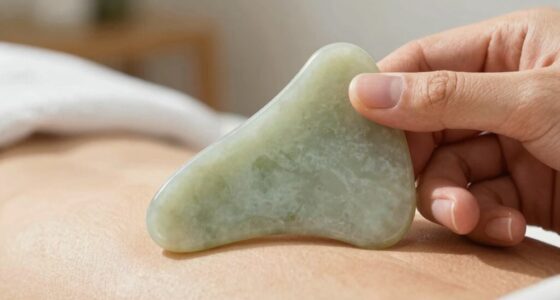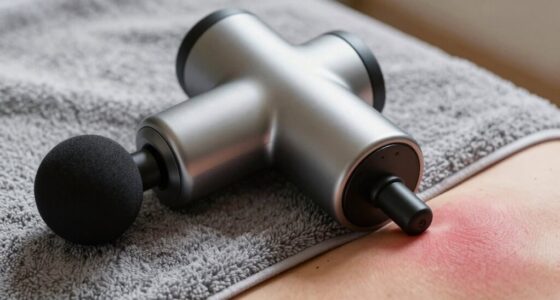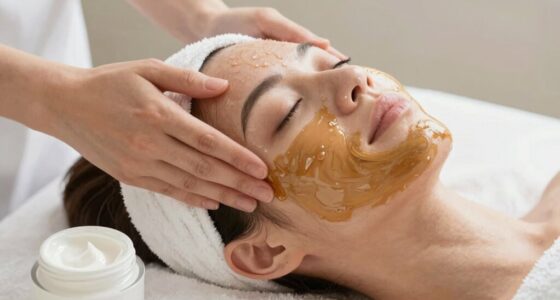
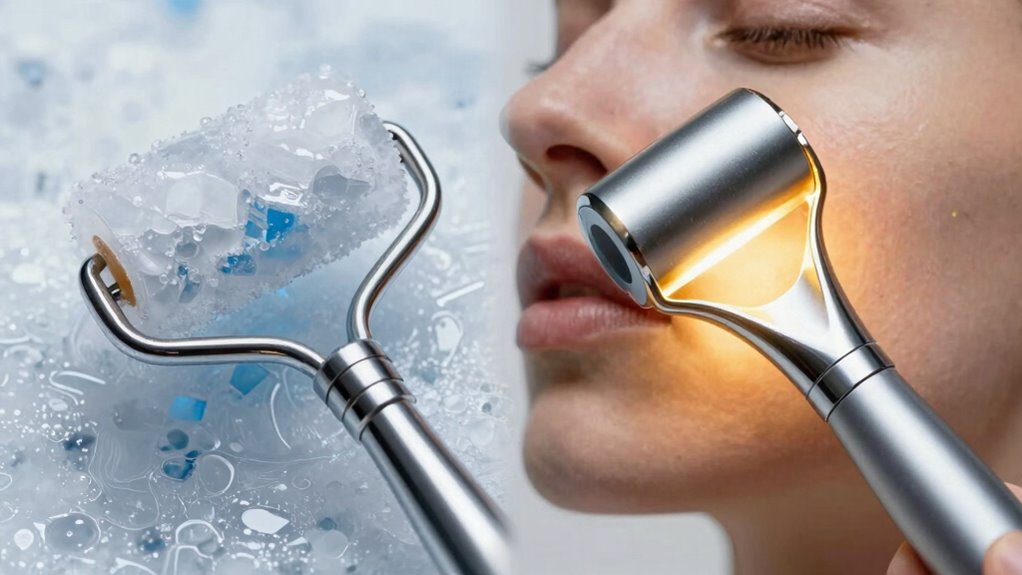
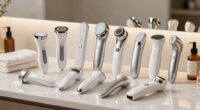
Hot tools increase blood flow, open pores, relax muscles, and boost skin elasticity, making your skin feel revitalized and more receptive to serums. Cold tools, on the other hand, calm inflammation, tighten skin, reduce redness, and improve firmness, giving your complexion a smooth, refreshed look. Alternating between hot and cold can stimulate circulation and enhance overall skin health. Want to discover how to best use each for your skin? Keep exploring to find out more.
Key Takeaways
- Hot tools increase blood flow, open pores, and relax muscles, promoting nutrient delivery and skin elasticity.
- Cold tools constrict blood vessels, reduce inflammation, tighten skin, and diminish redness and puffiness.
- Alternating hot and cold treatments stimulates circulation, detoxifies skin, and enhances overall skin resilience.
- Hot tools are ideal for rejuvenation and deep cleansing; cold tools are better for calming, soothing, and reducing swelling.
- Proper temperature adjustment and hygiene are essential to maximize benefits and prevent skin irritation or damage.
How Hot and Cold Facial Tools Affect Your Skin’s Circulation and Relaxation
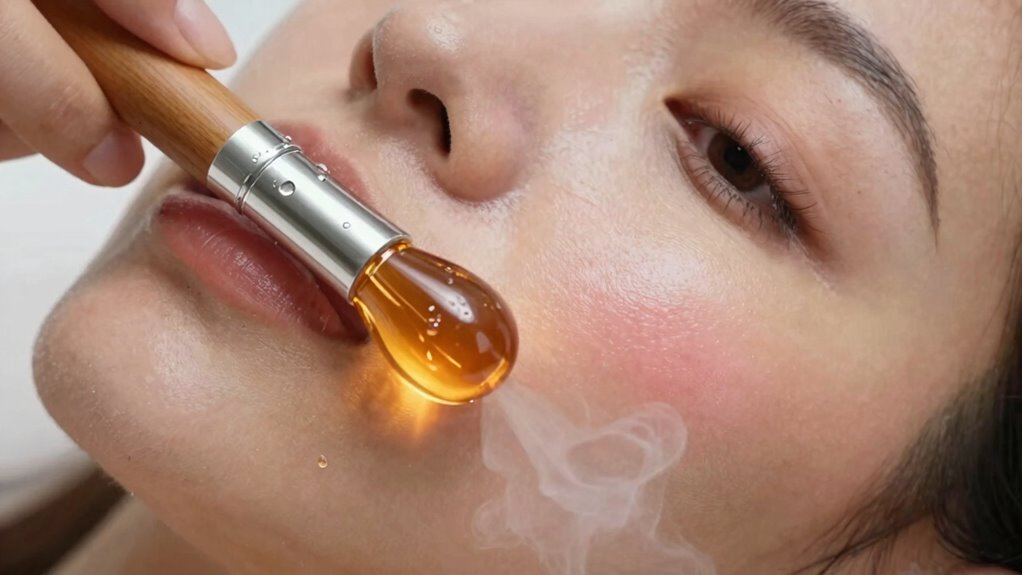
Hot and cold facial tools directly influence your skin’s circulation and relaxation. Thermal therapy with hot tools increases blood flow, promoting skin stimulation and helping to loosen tight muscles. This process can improve nutrient delivery and enhance your skin’s natural glow. Cold tools, on the other hand, constrict blood vessels, reducing inflammation and puffiness. This cooling effect soothes irritated skin and tightens pores, providing a calming sensation. By alternating between hot and cold, you can stimulate circulation more effectively, encouraging detoxification and revitalization. The temperature changes also help relax facial muscles, easing tension and stress. Temperature therapy can be a powerful addition to your skincare routine, further boosting these benefits. Incorporating natural cooling techniques into your routine can further enhance these benefits. Using these tools thoughtfully allows for targeted skin benefits that boost your skin’s health, making it look vibrant, refreshed, and more resilient.
Why Use Hot Skincare Tools? Benefits for Pores, Muscles, and Blood Flow
Using hot skincare tools offers targeted benefits that enhance your skin’s overall health and appearance. Thermal therapy helps open your pores, making it easier to clean out impurities and excess oil. This process also stimulates blood flow, delivering oxygen and nutrients to your skin cells, which can improve skin elasticity over time. Additionally, heat relaxes muscles beneath the skin, reducing tension and discomfort. By increasing circulation, hot tools promote a healthier, more vibrant complexion. They’re especially effective before treatments like extractions or massage, as they prepare your skin for better absorption of serums and moisturizers. Incorporating heat into your skincare routine can boost your skin’s resilience, improve texture, and support a more youthful, radiant look. Moreover, when used properly, hot tools can enhance the effectiveness of your skincare regimen by promoting blood flow, which is crucial for skin recovery and vitality. Proper use of heat can also help to expand pores, facilitating deeper cleansing and product penetration. Using heat wisely can also prevent skin damage by ensuring the temperature remains safe and comfortable. Additionally, understanding the role of heat in skincare can help you maximize benefits while minimizing risks, especially since the application of heat can influence skin health and overall effectiveness.
What Cold Facial Tools Do and Why They Matter
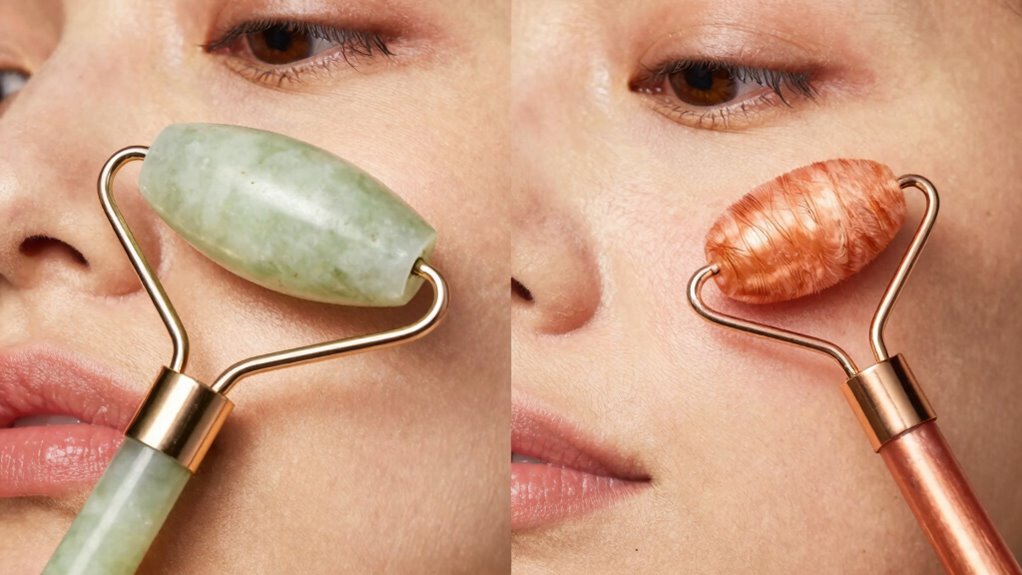
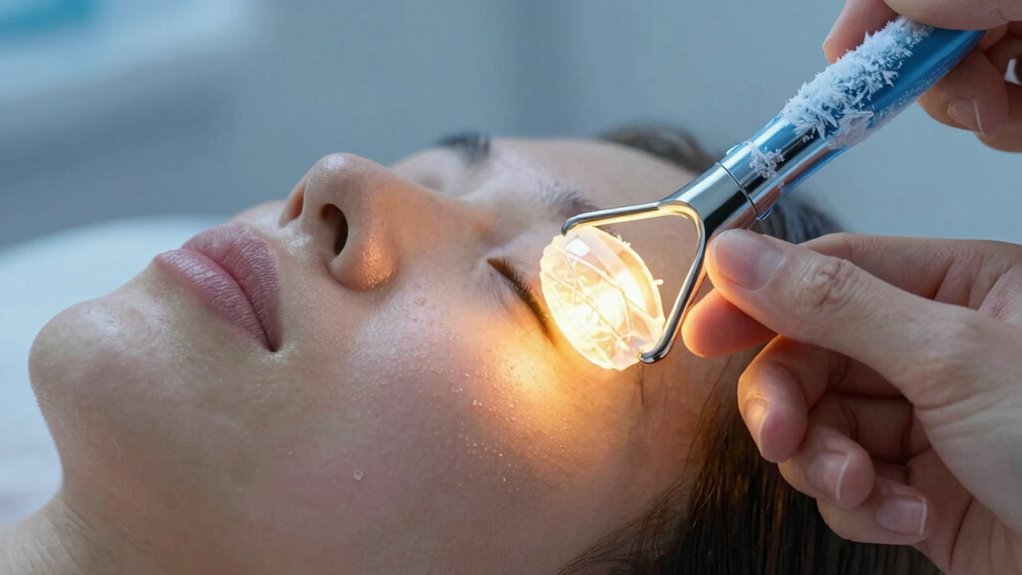
Cold facial tools help reduce inflammation and puffiness, leaving your skin looking refreshed. They also tighten and tone your skin, improving overall firmness. Incorporating them into your routine can make a noticeable difference in your skin’s appearance. Using proper cleaning techniques ensures these tools stay hygienic and effective over time.
Reduces Inflammation and Puffiness
When you apply cold facial tools, they work quickly to soothe your skin by constricting blood vessels, which reduces inflammation and puffiness. This cooling benefit helps calm irritation and diminishes swelling, making your skin look refreshed. Cold tools are especially effective after a late night or during allergy flare-ups. Here are three key points:
- They promote inflammation reduction, easing redness and swelling.
- Constriction of blood vessels prevents fluid buildup, reducing puffiness.
- The immediate cooling effect calms sensitive or irritated skin.
- Incorporating sleep environment factors can enhance the overall effectiveness of cold treatments. Additionally, the controlled temperature can support skin barrier health, improving long-term skin resilience. Proper ventilation considerations can also help maintain a comfortable environment for ongoing skin care routines. Maintaining an optimal indoor climate can further optimize the benefits of cold therapy on your skin.
Tightens and Tones Skin
Tightening and toning your skin is one of the primary benefits of cold facial tools. They use thermal therapy to stimulate blood flow, which enhances skin elasticity and firmness. Cold tools constrict blood vessels, reducing puffiness and creating a more sculpted appearance. This cooling effect helps tighten sagging skin, making your face look more lifted. Here’s a quick overview:
| Effect | Mechanism | Benefits |
|---|---|---|
| Skin tightening | Constriction of blood vessels | Firmer, more elastic skin |
| Reduced puffiness | Decreased fluid retention | Less swelling, refreshed look |
| Improved tone | Enhanced blood flow | Radiant, healthier glow |
| Collagen boost | Stimulates renewal | Youthful, resilient skin |
Additionally, cold therapy can enhance collagen production, supporting long-term skin health.
Choosing the Best Skincare Tools for Your Skin Type and Goals
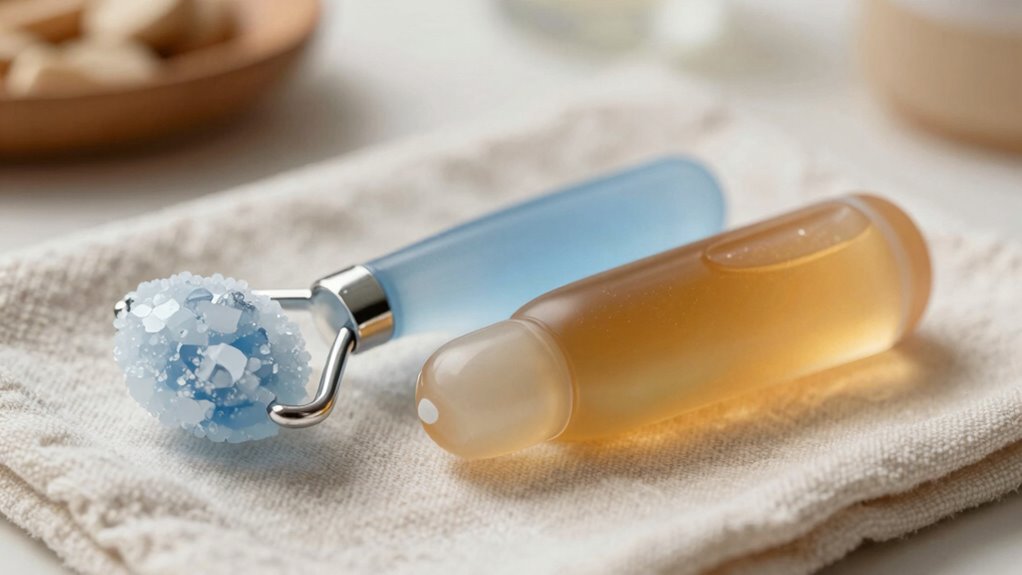
Choosing the right skincare tools depends heavily on your skin type and your specific goals. To guarantee optimal results, consider these tips:
- Match tools to your skin type—gentle brushes for sensitive skin, or more vigorous devices for oily or acne-prone skin.
- Focus on your goals—if you want to boost circulation, cold tools are great; for rejuvenation, warm tools might be better.
- Keep device maintenance in mind—regular cleaning prevents bacteria buildup and preserves tool effectiveness, especially when working with skincare ingredients.
- Understanding contrast ratio can help you select tools that optimize light reflection and image clarity, ensuring better visual results during treatments.
- Additionally, selecting tools that are compatible with essential oils can enhance your skincare routine and maximize their benefits.
- Being aware of temperature effects on skin can guide you in choosing the safest and most effective tools for your routine, reducing the risk of irritation or damage.
- Recognizing the skin’s response to temperature can help you avoid overexposure and maintain healthy skin while using these tools. Incorporating digital literacy into your routine can also help you stay informed about the latest skincare innovations and safety practices.
Always choose tools compatible with your skincare ingredients, as some devices may alter product absorption. By selecting appropriate tools and maintaining them properly, you’ll maximize benefits while protecting your skin.
How to Safely Incorporate Hot and Cold Tools Into Your Routine
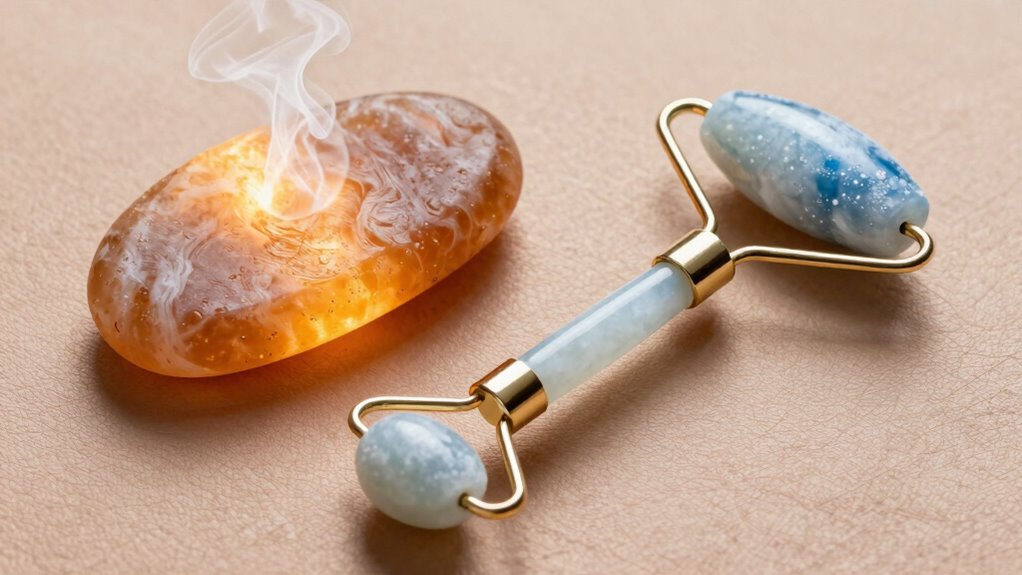
Start by gradually adjusting the temperature of your tools to prevent skin shock or burns. Always clean your tools thoroughly before and after each use to avoid infections. Remember, taking these safety steps helps you enjoy the benefits of hot and cold treatments without risks. Incorporating proper safety procedures can also protect your skin and enhance the effectiveness of your routine. For optimal results, consider understanding skin response to temperature changes to better tailor your treatments. Additionally, being aware of proper tool maintenance ensures longevity and safe use of your devices. Being mindful of micro-mobility safety tips, similar to skin safety, can help you ride confidently and avoid accidents.
Gradual Temperature Adjustment
To safely incorporate hot and cold tools into your routine, it’s essential to adjust the temperature gradually rather than making sudden changes. This allows your skin to adapt and reduces the risk of irritation or discomfort caused by temperature sensitivity. Start with lukewarm or cool settings, then slowly increase or decrease the temperature over time.
To verify safe temperature adjustments, keep these tips in mind:
- Test the tool on a small skin area before full application.
- Limit each use to a few minutes to prevent overstimulation.
- Observe how your skin reacts and adjust the temperature accordingly.
This approach promotes better skin adaptation and minimizes adverse reactions, making your routine safer and more effective.
Proper Tool Hygiene
Ensuring proper hygiene of your hot and cold tools is essential for safe and effective use. Regular tool sterilization prevents bacteria transfer and maintains skin health. Before each use, thoroughly clean your tools with alcohol or soap and water, especially if sharing with others. Proper temperature regulation isn’t just about comfort—overly hot or cold tools can cause skin damage or irritation. Always check the temperature before applying to your skin, and avoid extreme temperatures to prevent burns or frostbite. Store tools in a clean, dry place and avoid cross-contamination by keeping hot and cold tools separate. By maintaining good hygiene practices, you ensure your tools remain safe, effective, and ready for your routine.
Common Mistakes to Avoid When Using Hot and Cold Skincare Devices
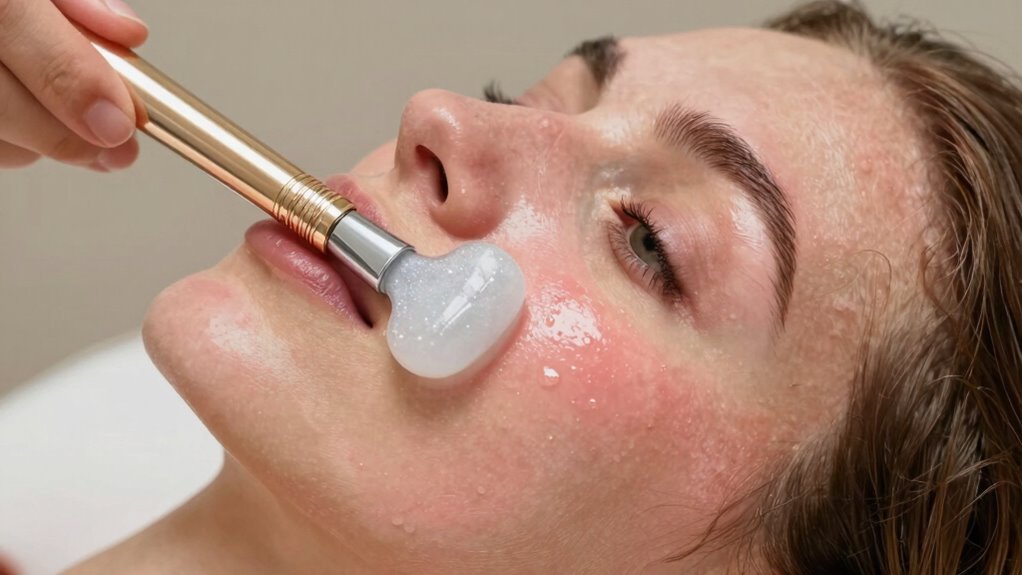
Using hot and cold skincare devices can deliver great benefits, but many people make simple mistakes that reduce their effectiveness or cause skin reactions. One common error is applying extreme temperatures without checking your skin’s temperature sensitivity, which can lead to irritation or burns. To avoid this:
Avoid extreme temperatures on skin to prevent irritation and burns. Always check your skin’s sensitivity first.
- Never use devices that are too hot or cold for your skin; always start with the lowest setting.
- Don’t leave the device on one spot too long; this can cause redness or discomfort.
- Avoid using devices on broken or inflamed skin, as it increases the risk of adverse skin reactions.
Pay attention to how your skin responds, and adjust accordingly. Proper technique ensures you gain benefits without risking irritation or damage.
Hot vs. Cold Facial Tools: Cost, Ease of Use, and Effectiveness Compared
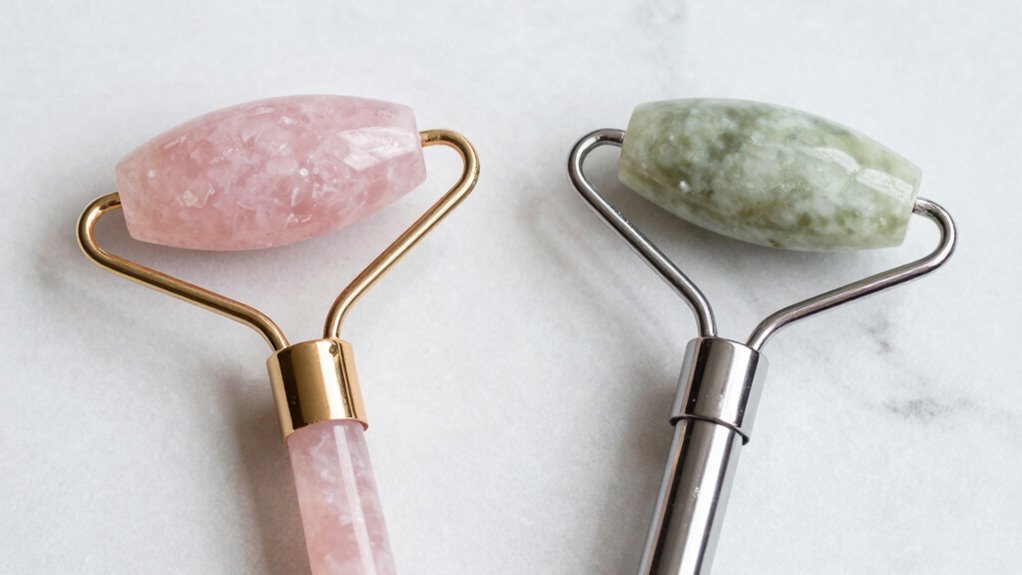
Hot and cold facial tools each have unique advantages and considerations when it comes to cost, ease of use, and effectiveness. Generally, hot tools tend to be more expensive upfront but can offer longer-lasting benefits, while cold tools are often more affordable and portable. Ease of use varies: cold tools are simple and quick to apply, requiring minimal preparation, whereas hot tools may need heating time and caution. Effectiveness depends on your skin goals, but both can improve circulation and reduce inflammation when used correctly. Here’s a quick comparison: hydraulics and water flow management can influence how effectively these tools deliver their benefits.
Should You Use Hot, Cold, or Combination Treatments for Better Results?
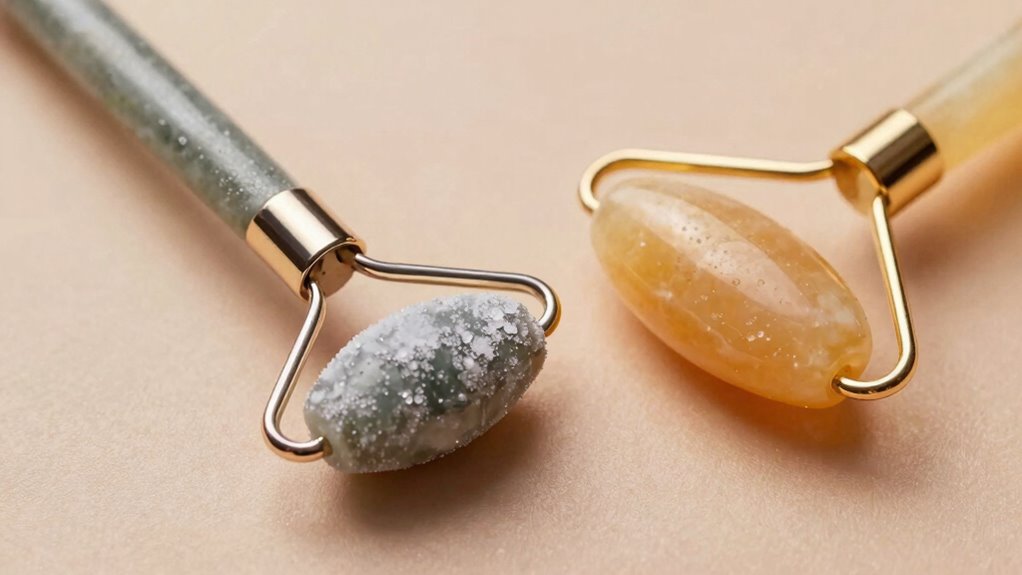
Choosing between hot, cold, or combination treatments depends on your skin’s needs and your goals. Temperature therapy can enhance blood flow, reduce inflammation, or soothe skin sensitivity. If your skin is prone to redness or irritation, cold treatments help calm and constrict blood vessels. For issues like dullness or muscle tension, hot tools stimulate circulation and relax facial muscles. Combining both can optimize results and address multiple concerns. Consider these points:
- Use cold therapy first to reduce inflammation and calm sensitive skin.
- Apply heat later for increased circulation and product absorption.
- Always listen to your skin’s response and avoid overdoing it to prevent irritation.
Choosing the right approach depends on your skin sensitivity and desired outcomes, ensuring safe and effective results.
Expert Tips to Maximize the Benefits of Hot and Cold Skincare Tools
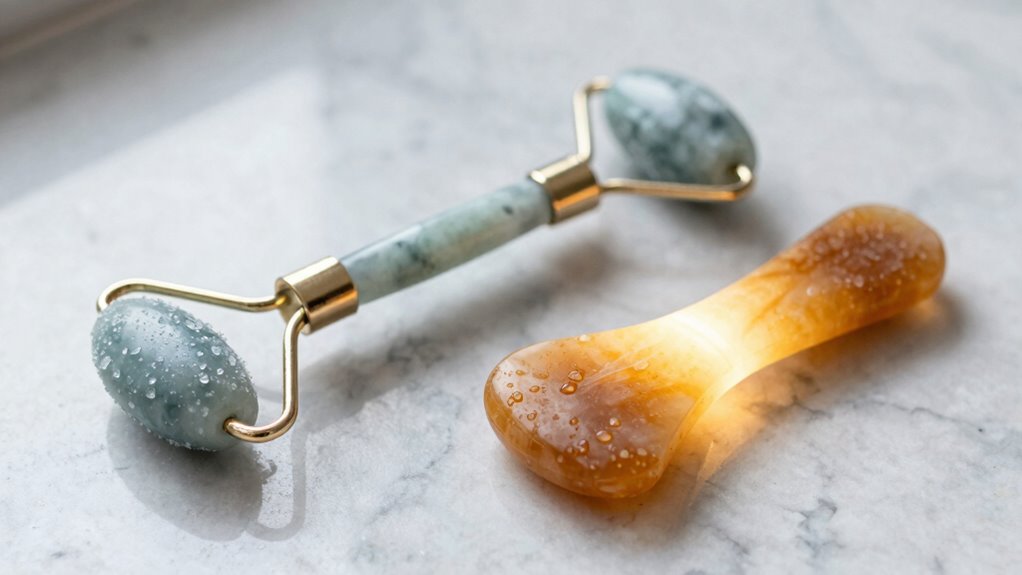
To get the most out of your hot and cold skincare tools, focus on proper technique and timing. Always prioritize temperature safety by avoiding extremes that could damage your skin or cause discomfort. Start with shorter sessions—about 1-2 minutes—and gradually increase as your skin adjusts. Pay close attention to skin sensitivity; if you notice redness, tingling, or irritation, stop immediately. Use gentle pressure and avoid pressing too hard, especially on delicate areas. Consistency is key—regular use helps improve results and builds your skin’s tolerance. Remember, hot tools are best for relaxing muscles and opening pores, while cold tools reduce inflammation and tighten skin. By following these expert tips, you’ll maximize benefits while keeping your skin safe and healthy.
Frequently Asked Questions
Can Hot and Cold Tools Be Used on Sensitive Skin Safely?
Yes, hot and cold tools can be used safely on sensitive skin if you follow proper precautions. Always start with lower temperatures and limit the duration to prevent irritation. Pay attention to your skin’s response and avoid using extreme temperatures or applying pressure. Using these tools thoughtfully guarantees you enhance your skincare routine while minimizing risks, making tool safety a priority for sensitive skin types.
How Often Should I Use Hot or Cold Facial Devices?
You should use hot or cold facial devices 2 to 3 times a week, following the recommended frequency guidelines. This helps avoid skin irritation and allows your skin’s natural cycle effects to benefit from the treatments. Pay attention to how your skin reacts—if you notice redness or discomfort, reduce usage. Consistent, moderate use supports improved blood circulation and helps your skin respond positively without overdoing it.
Are There Any Skin Conditions That Contraindicate Hot or Cold Treatments?
You should avoid hot treatments if you have a compromised skin barrier, as heat can worsen dryness and irritation. Cold tools might trigger rosacea flare-ups, so if you have rosacea, use them cautiously or skip cold treatments altogether. Always listen to your skin’s responses and consult a dermatologist if you’re unsure, especially with sensitive conditions, to prevent aggravating your skin issues.
What Is the Ideal Temperature Range for Facial Tools?
You should aim for a temperature range of 15-20°C (59-68°F) for facial tools, as it supports ideal temperature regulation without overwhelming your skin. This range stimulates a healthy skin response, tightening pores and boosting circulation without causing irritation. Always test the tool on a small area first, and adjust based on how your skin reacts, ensuring comfort and avoiding adverse effects.
Can Hot and Cold Tools Replace Professional Skincare Treatments?
Hot and cold tools are like a spark to your DIY skincare routine, but they can’t fully replace professional treatments. While they enhance your skincare at home, experts have the skills and equipment to target deeper issues effectively. Think of these tools as helpful sidekicks, not the main heroes. For best results, combine their use with professional advice rather than relying solely on hot and cold tools to achieve your skincare goals.
Conclusion
Now that you know how hot and cold tools impact your skin, imagine the possibilities when you combine them. Will you reveal your skin’s true potential? The secret lies in understanding your unique needs and experimenting safely. Ready to elevate your skincare routine? The next step could reveal surprising results—are you prepared to discover what your skin truly needs? The journey to glowing, healthy skin starts now—what will you uncover?