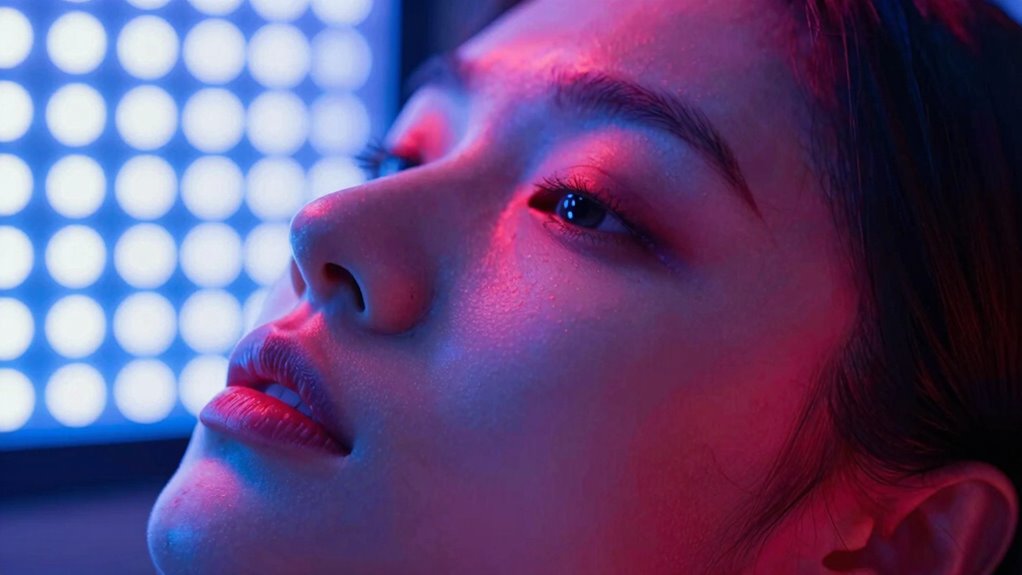

LED light therapy uses specific light wavelengths to stimulate your skin cells, boosting collagen and reducing inflammation without damage. Red light helps improve elasticity, while blue targets bacteria for acne control. Results vary depending on your skin type and routine but often include a clearer, more youthful glow within weeks. Keep in mind, it works best alongside good skincare habits. To understand how it can fit into your routine, explore more about its mechanisms and realistic outcomes.
Key Takeaways
- LED light therapy uses specific wavelengths to stimulate cellular activity, promoting skin healing and rejuvenation without damage.
- Different wavelengths target specific skin concerns: red for collagen, blue for bacteria, near-infrared for healing.
- Results typically include improved skin texture, reduced fine lines, and clearer skin, often visible after several sessions.
- Factors like skincare routine, skin type, and treatment consistency influence the effectiveness of LED therapy.
- It is a safe, non-invasive treatment that complements skincare but does not replace medical treatments for severe skin conditions.
What Is LED Light Therapy and How Does It Work?
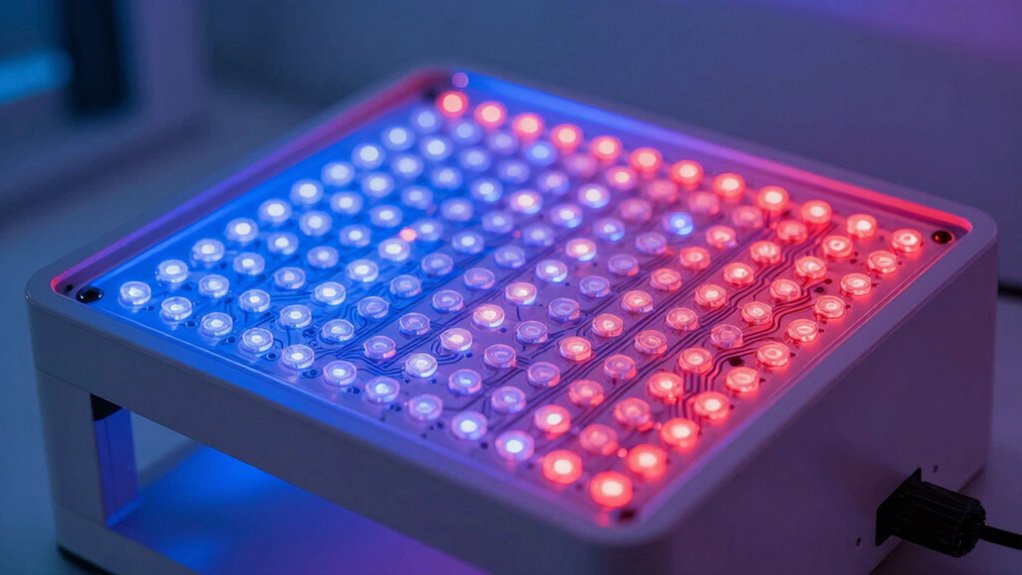
Have you ever wondered how LED light therapy can improve your skin and overall well-being? The history of phototherapy dates back decades, initially using UV light to treat skin conditions. Today, LED light therapy harnesses specific wavelengths to stimulate cellular activity without damaging skin. When you’re exposed to LED light, it penetrates your skin, allowing for effective skin absorption. This process activates your cells, boosting collagen production and reducing inflammation. Unlike traditional treatments, LED therapy is non-invasive and painless, making it accessible for many. The light’s ability to reach deeper layers of skin enhances healing and rejuvenation. Understanding this history helps you appreciate how modern LED technology optimizes skin absorption, leading to real, visible improvements in your skin’s health and appearance. Additionally, Free Floating techniques contribute to the effectiveness by ensuring proper light distribution across targeted areas. Recognizing how light penetration works helps you set realistic expectations for treatment outcomes. Moreover, understanding the role of wavelengths in LED therapy can help you select the most effective devices for your needs. Recent advancements in LED technology have improved light delivery, making treatments more efficient and tailored to individual skin types.
How LED Wavelengths Affect Your Skin
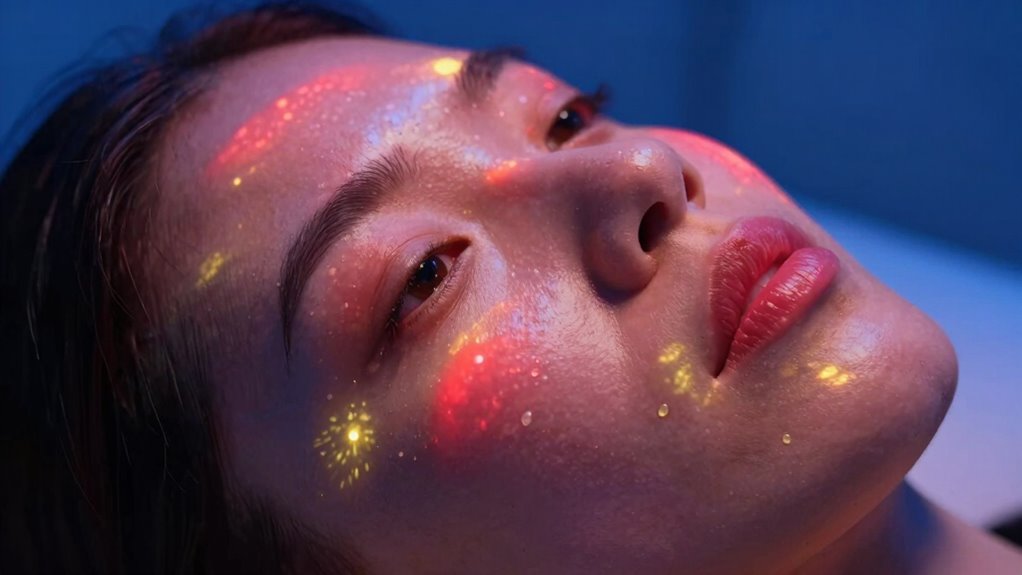
Different LED wavelengths target specific skin concerns by penetrating your skin to varying depths. For example, red light stimulates collagen production, helping improve skin elasticity and firmness, making your skin appear more youthful. Blue light, on the other hand, penetrates shallowly to target bacteria, reducing acne and inflammation. Near-infrared wavelengths reach even deeper, promoting overall skin healing and regeneration. When it comes to pigmentation reduction, specific wavelengths can help break down excess melanin, fading dark spots and discoloration over time. By selecting the right wavelength, you can address multiple skin issues effectively. Understanding how these wavelengths work allows you to tailor your LED therapy to your skin’s unique needs, maximizing benefits while minimizing potential side effects.
What Results Can You Expect From LED Therapy?
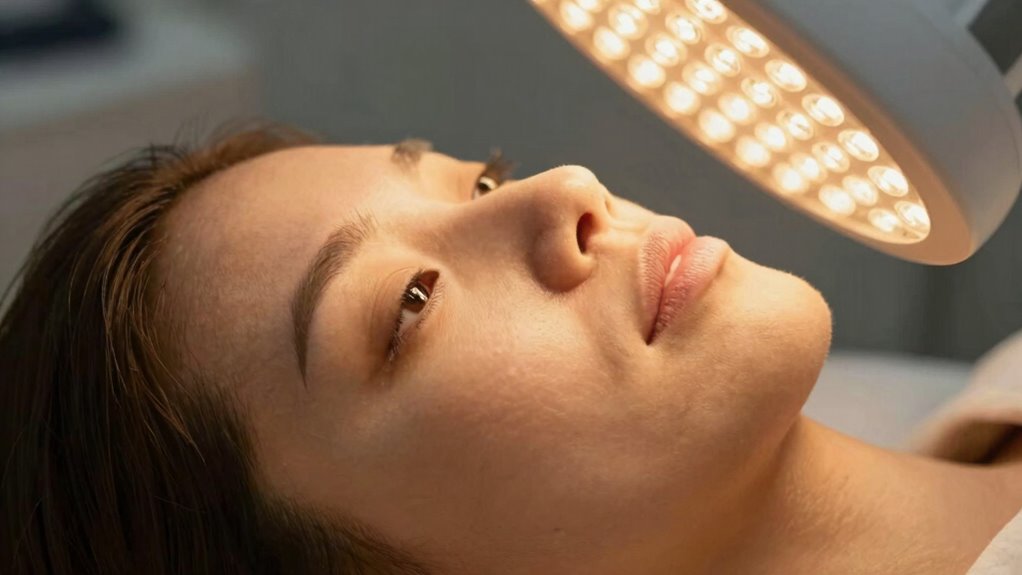
LED therapy can deliver noticeable improvements in your skin’s appearance and health. You can expect enhanced skin rejuvenation, leading to a more youthful, glowing complexion. Many people see smoother texture, reduced fine lines, and a brighter overall look after several sessions. If you struggle with acne, LED therapy offers effective acne reduction by targeting bacteria and reducing inflammation. While results vary based on your skin type and condition, consistent treatments typically yield visible improvements within a few weeks. Keep in mind that LED therapy isn’t a quick fix; it’s a gradual process that promotes natural healing. With regular sessions, you’ll likely notice clearer, healthier skin and a boost in confidence. Overall, LED therapy provides a safe, non-invasive way to improve your skin’s health and appearance. Understanding light therapy can help you set realistic expectations for your treatment outcomes. Additionally, collagen stimulation is a key factor in how LED therapy enhances skin firmness and elasticity over time. Recognizing the natural healing process involved can help you stay patient and consistent with your treatments. Incorporating proper skin care practices alongside LED therapy can further optimize your results and support your skin’s recovery. Developing a comprehensive treatment plan that includes consistent sessions and proper skincare can maximize your results and help maintain improvements over the long term.
Factors That Influence Your LED Light Therapy Outcomes
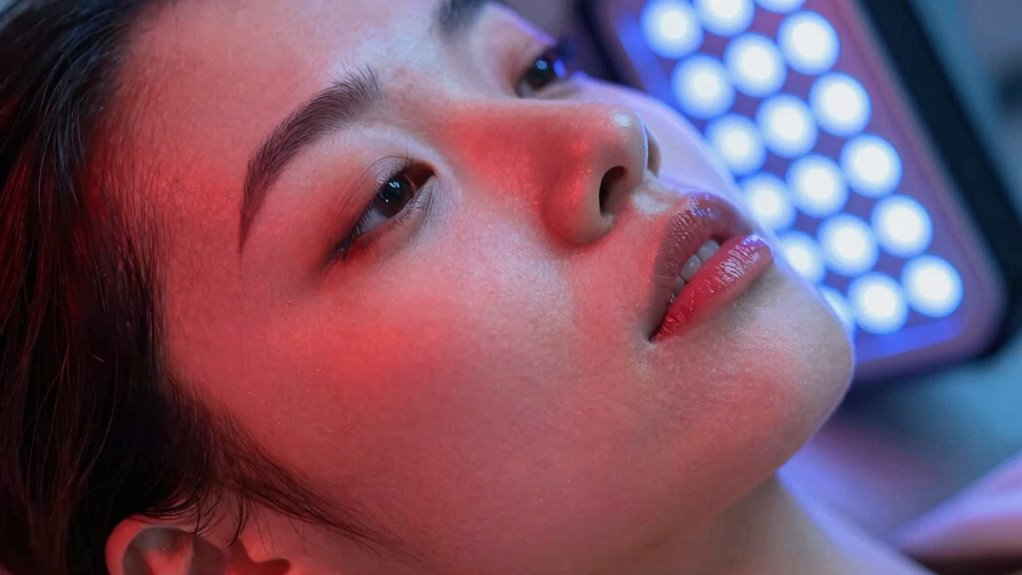
Your results from LED light therapy can vary considerably depending on several key factors. Your skincare routine and lifestyle habits play crucial roles in maximizing outcomes. Consistency is essential; regular treatments yield better results. Additionally, your skin type and existing skin conditions influence how your skin responds. Proper preparation, like cleansing before sessions, enhances effectiveness. Avoiding sun exposure and maintaining a healthy diet support healing and improvements. Regularly assessing and adjusting your document management practices can also help optimize your overall skincare journey. An understanding of treatment timing can further enhance results. For example, skin sensitivity can impact how your skin reacts to different wavelengths of light. Being aware of your skin’s natural repair cycle can help you better plan your treatments for optimal results. Incorporating light therapy protocols into your routine can further improve outcomes. Here’s a quick overview:
| Factor | Impact | Tips |
|---|---|---|
| Skincare routine | Sets the stage for treatment effectiveness | Use gentle products, avoid irritants |
| Lifestyle habits | Affects healing and skin health | Stay hydrated, get enough sleep |
| Consistency | Determines overall results | Follow recommended treatment schedule |
What LED Light Therapy Can and Can’t Do for Your Skin
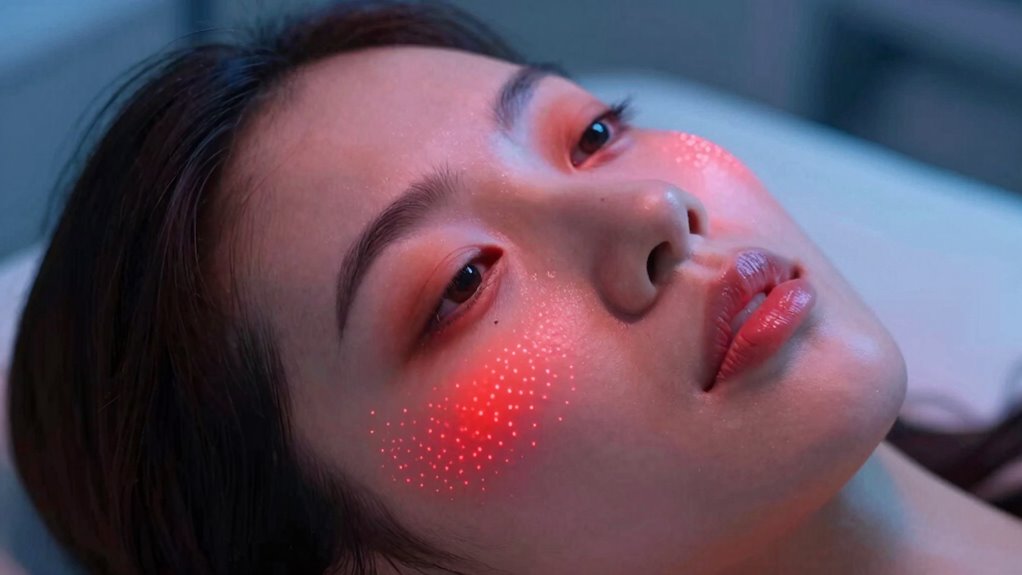
While LED light therapy offers promising benefits for skin health, it’s important to understand its limitations. Many believe it can cure all skin issues, but that’s a phototherapy misconception. LED therapy can reduce inflammation, improve skin tone, and support healing, but it doesn’t eliminate all skin problems or replace other treatments. Be cautious of LED safety myths; the therapy is generally safe when used properly, but overuse or incorrect settings won’t boost results. It’s not a miracle cure for severe acne, deep scars, or skin conditions requiring medical intervention. Realistic expectations are key. LED light therapy can enhance your skincare routine, but it works best as part of an integrated approach, not as a standalone solution for every skin concern. Additionally, understanding the role of light wavelengths can help set accurate expectations for what the therapy can achieve. Recognizing proper usage guidelines is essential to maximize benefits and ensure safety during treatment. To better understand its effects, knowing how light interacts with skin cells can help in setting realistic goals for therapy outcomes. Moreover, scientific research supports the idea that combining LED therapy with other treatments can often lead to better results.
Frequently Asked Questions
How Long Does Each LED Therapy Session Typically Last?
A typical LED light therapy session lasts about 20 to 30 minutes, depending on your treatment plan. You’ll usually need sessions 2 to 3 times a week initially, with treatment frequency gradually decreasing as your skin responds. Consistency is key, so sticking to your scheduled sessions helps maximize results. Always follow your provider’s recommendations for session duration and treatment frequency to get the best possible outcomes.
Are There Any Side Effects or Risks Associated With LED Light Therapy?
LED light therapy is generally safe, but you should be aware of potential safety concerns like skin irritation or allergic reactions. Some people might experience redness or mild discomfort after treatment, but serious side effects are rare. To minimize risks, follow your provider’s instructions and inform them of any allergies or skin sensitivities. If you notice any adverse reactions, stop treatment and consult a healthcare professional promptly.
Can LED Therapy Be Combined With Other Skincare Treatments?
Sure, you can definitely combine LED light therapy with other skincare treatments—because who doesn’t love a little skincare chaos? Combining treatments can create skincare synergy, boosting overall results. Just make sure your dermatologist approves, so you don’t accidentally turn your face into a science experiment. When done right, it’s a smart way to enhance your routine, but avoid overloading your skin with too many treatments at once.
How Soon Can I Expect to See Visible Improvements?
You can typically expect to see visible improvements within a few sessions, but it varies based on your skin type and concerns. Most people notice changes after about 4 to 6 treatments, with continued results over the treatment timeline. Keep in mind that consistency is key, and some improvements may take longer depending on your skin’s condition. Patience and regular sessions will give you the best results.
Is LED Light Therapy Effective for All Skin Types and Tones?
Imagine your skin as a vibrant canvas—LED light therapy works well for most skin tones, thanks to its gentle, customizable treatments. It’s highly effective because of skin tone compatibility and treatment personalization, ensuring each session targets your unique needs. Whether your skin is fair, medium, or dark, you can benefit from this non-invasive approach, with professionals adjusting the light settings to maximize results safely and effectively for you.
Conclusion
LED light therapy offers a promising, non-invasive way to improve your skin’s appearance, but it’s not a miracle cure. While some studies suggest specific wavelengths can boost collagen or reduce inflammation, results vary based on individual factors. Keep in mind, the idea that LED therapy can completely erase aging signs or deeply ingrained scars is overly optimistic. Approach it as a complementary treatment, understanding that real improvements come from consistent use and realistic expectations.