
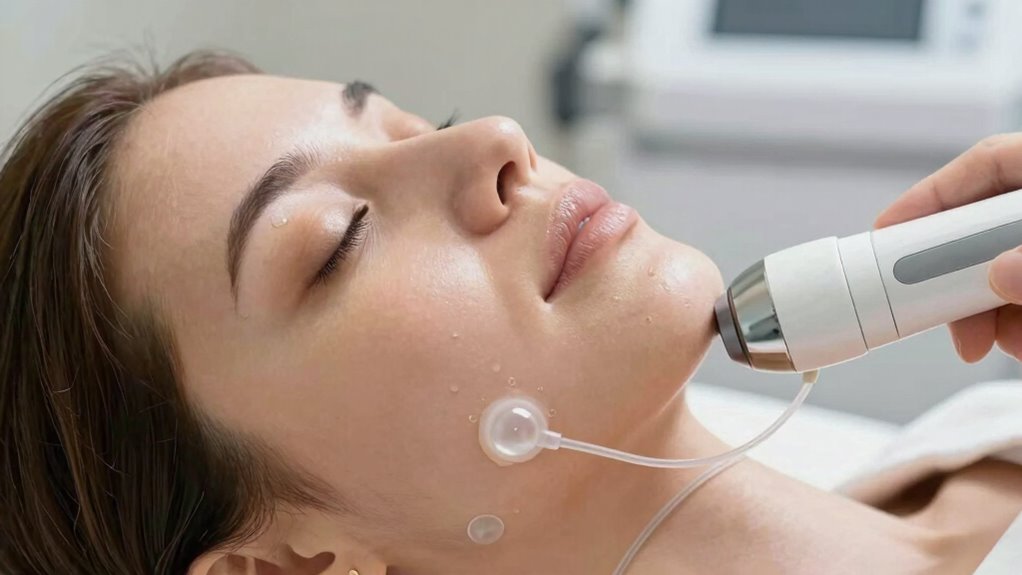

Microcurrent therapy uses gentle electrical currents to stimulate your skin and muscles, boosting collagen, reducing fine lines, and increasing skin firmness for a youthful glow. It enhances circulation, promotes natural healing, and improves skin tone. However, it’s not suitable if you have sensitive skin, active skin conditions, or open wounds. If you’re pregnant, breastfeeding, or have specific skin issues, you should avoid it. Learn more about how this treatment fits your needs by exploring further.
Key Takeaways
- Microcurrent therapy uses low-level electrical currents to stimulate skin and muscle tissues, promoting collagen production and skin rejuvenation.
- It enhances blood circulation, boosts ATP production, and supports natural healing for firmer, smoother, and brighter skin.
- Suitable for many skin types, especially mature and oily skin, but sensitive or inflamed skin may need to avoid it.
- Pregnant, breastfeeding women, or those with active infections, open wounds, or certain skin conditions should skip microcurrent.
- Always consult a professional before use to ensure safety and determine if microcurrent is appropriate for your skin and health.
What Is Microcurrent Therapy and How Does It Work?

Microcurrent therapy is a non-invasive treatment that uses low-level electrical currents to stimulate your body’s tissues. This electrical stimulation targets the muscles and skin, encouraging natural processes that promote skin rejuvenation. When the currents penetrate your skin, they boost ATP production, which helps cells repair and regenerate more efficiently. This process can tighten and tone your facial muscles, giving your skin a more lifted appearance. Microcurrent devices deliver gentle pulses that activate your skin’s natural healing response without discomfort or downtime. By increasing blood circulation, this therapy enhances nutrient delivery and waste removal at a cellular level. Proper sauna ventilation is also essential for maintaining a safe and comfortable environment during therapy sessions. Additionally, the use of specific device settings can optimize treatment outcomes and ensure safety. Incorporating professional guidance can further enhance the effectiveness and safety of microcurrent treatments. Ensuring proper device maintenance can also prolong the lifespan of your equipment and maintain treatment efficacy. To maximize results, understanding the importance of treatment frequency and how it impacts your skin’s response can be very beneficial.
What Are the Benefits of Microcurrent for Your Skin?
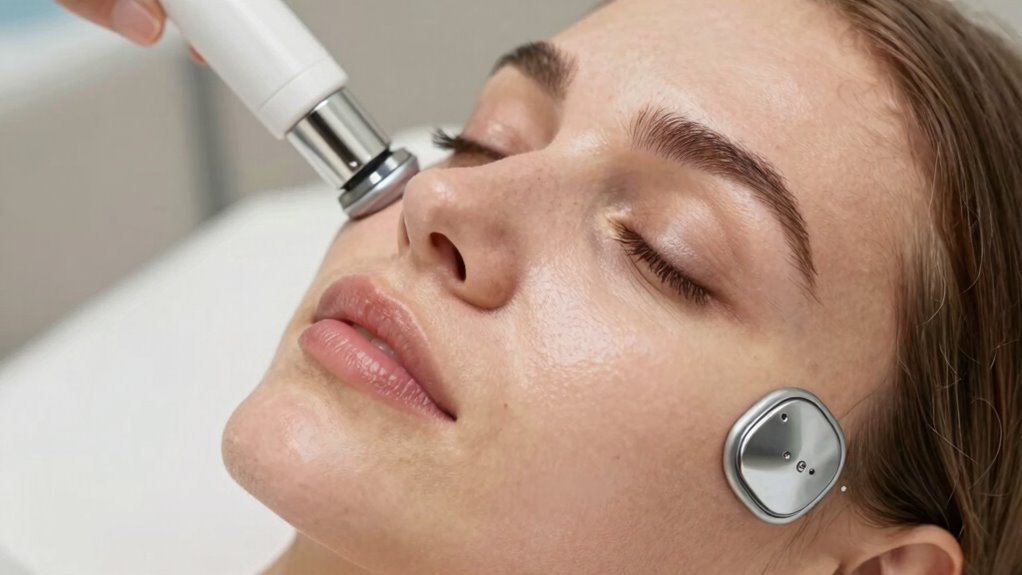
Microcurrent treatments can boost your skin’s collagen production, helping it look firmer and more youthful. You’ll notice improvements in your skin tone and texture, making your complexion appear brighter. Additionally, microcurrent can reduce fine lines, giving you a smoother, refreshed appearance. Using a microcurrent device regularly can enhance these benefits and promote overall skin health. This gentle therapy aligns with evidence-based research supporting skin rejuvenation and the benefits of color accuracy in achieving a natural, balanced look. Incorporating art care principles can also help you understand how to best care for your skin and maintain its health over time. Understanding skin physiology can further optimize your microcurrent treatments for better results.
Increased Collagen Production
Because it stimulates the skin’s natural processes, microcurrent treatments can considerably boost collagen production, leading to firmer, more youthful-looking skin. This boost helps address age-related concerns like sagging and loss of skin elasticity. Here’s how it benefits you: 1. Reduces sagging by tightening skin and restoring firmness. 2. Improves skin elasticity for a more resilient, plump appearance. 3. Diminishes fine lines and wrinkles, making your skin look smoother and younger. Additionally, supporting natural skin renewal processes enhances overall skin health and vibrancy. Proper hydration and skin care routines can further optimize these benefits by supporting collagen synthesis, especially when combined with other reliable, safe skincare practices. Incorporating tools like best fake fireplaces can create a relaxing environment that may promote overall wellness and skin health. Understanding the benefits of collagen can help you make informed choices regarding your skincare routine and treatments.
Improved Skin Tone
Have you noticed your skin looking more even and radiant after treatments? Microcurrent can help improve your skin tone by targeting uneven pigmentation and discoloration. It encourages cellular activity that reduces the appearance of age spots and minimizes skin discoloration. As your skin becomes more balanced, you’ll see a smoother, more uniform complexion. Microcurrent stimulates lymphatic drainage, helping to clear away toxins that contribute to dullness and uneven tone. Regular sessions can enhance your skin’s natural glow and restore a healthier appearance. Additionally, proper technique during treatments ensures optimal results and reduces the risk of skin irritation. If uneven skin tone has been bothering you, microcurrent offers a non-invasive option to brighten your complexion and boost confidence. Consistent treatment helps refine your skin’s overall clarity, making imperfections less noticeable and revealing a more luminous, youthful look. The use of Vetted devices ensures safe and effective treatments, maximizing your skin’s potential for a more radiant appearance. Incorporating targeted skin stimulation can further enhance results by supporting collagen production and skin firmness. Moreover, understanding how low light office plants contribute to a calming environment can complement your skincare routine, promoting overall well-being and skin health.
Reduced Fine Lines
If you’re looking to diminish the appearance of fine lines, microcurrent treatments can be highly effective. They stimulate your facial muscles, promoting a firmer, more lifted look. Benefits include:
- Reduced fine lines and wrinkles, making your skin appear smoother
- Enhanced skin hydration, which helps plump up fine lines and improve overall texture
- Minimized age spots, giving your skin a more even tone and youthful glow
Microcurrent works by boosting collagen production and increasing circulation, which supports skin elasticity. With consistent treatments, you can notice a visible reduction in fine lines and a more refreshed appearance. Keep in mind, though, that individual results vary, and combining microcurrent with good skincare can maximize these benefits for healthier, youthful-looking skin.
Is Microcurrent Therapy Right for Your Skin Type?

Microcurrent therapy can be suitable for many skin types, but understanding your skin’s unique needs is essential before trying it. If you have sensitive skin or age-related concerns, start with a patch test and consult a dermatologist. Generally, those with minimal skin sensitivity and specific goals like lifting or toning can benefit. However, if your skin reacts easily or you have conditions like rosacea, microcurrent might not be ideal. To help you decide, here’s a quick comparison:
| Skin Type | Suitability | Considerations |
|---|---|---|
| Sensitive skin | Use cautiously, patch test | May experience irritation |
| Mature skin | Suitable for age concerns | Enhances firmness and elasticity |
| Oily/Acne-prone | Generally safe, avoid inflamed areas | Rare sensitivity reactions |
| Dry skin | Beneficial, adds hydration | Combine with moisturizing steps |
| Normal skin | Usually suitable | Minimal precautions |
Always consult a professional to ensure it matches your skin’s needs. Understanding skin types can help you make more informed decisions about at-home treatments. Additionally, being aware of electric power generation methods, such as bike generators, can inspire sustainable energy solutions at home. Incorporating knowledge about skin care technology can also improve your treatment choices and outcomes. Recognizing the ingredients in skincare products that interact with microcurrent devices is crucial for maximizing benefits and avoiding adverse reactions.
What Are the Risks and Side Effects of Microcurrent?
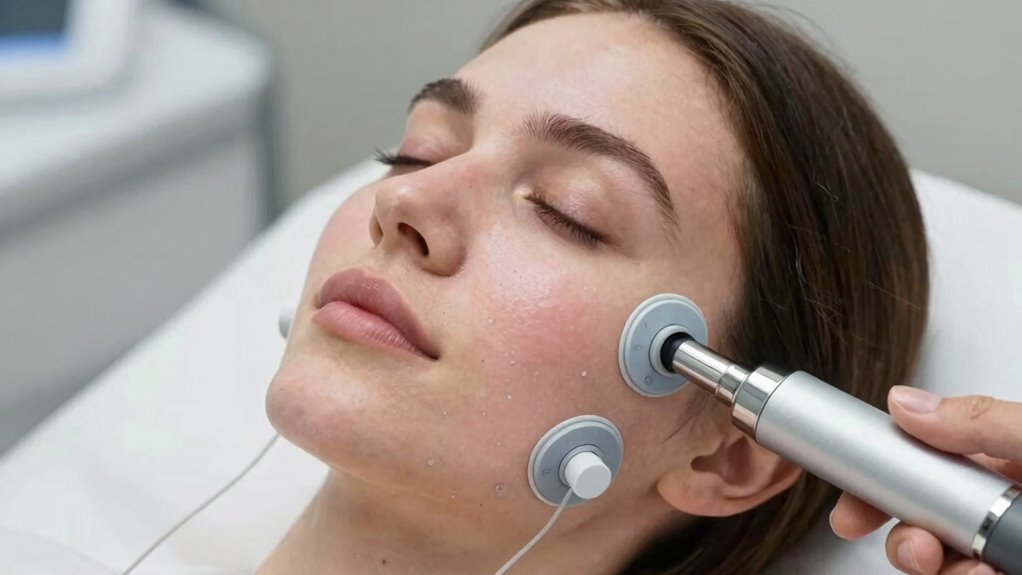
While microcurrent therapy is generally considered safe, it does carry some risks and potential side effects you should be aware of. First, you might experience potential allergic reactions, especially if your skin reacts poorly to the gel or electrode contact. Second, skin sensitivity concerns can arise, leading to redness, irritation, or discomfort after treatment. Third, although rare, some people report mild dizziness or tingling sensations during sessions. It’s essential to inform your provider of any allergies or skin issues beforehand. To minimize risks, always choose a qualified practitioner and follow post-treatment care instructions. If you notice persistent irritation or unusual symptoms, stop treatments and consult a healthcare professional. Being cautious ensures you enjoy the benefits without unnecessary side effects.
Which Skin Conditions Might Not Respond Well to Microcurrent?
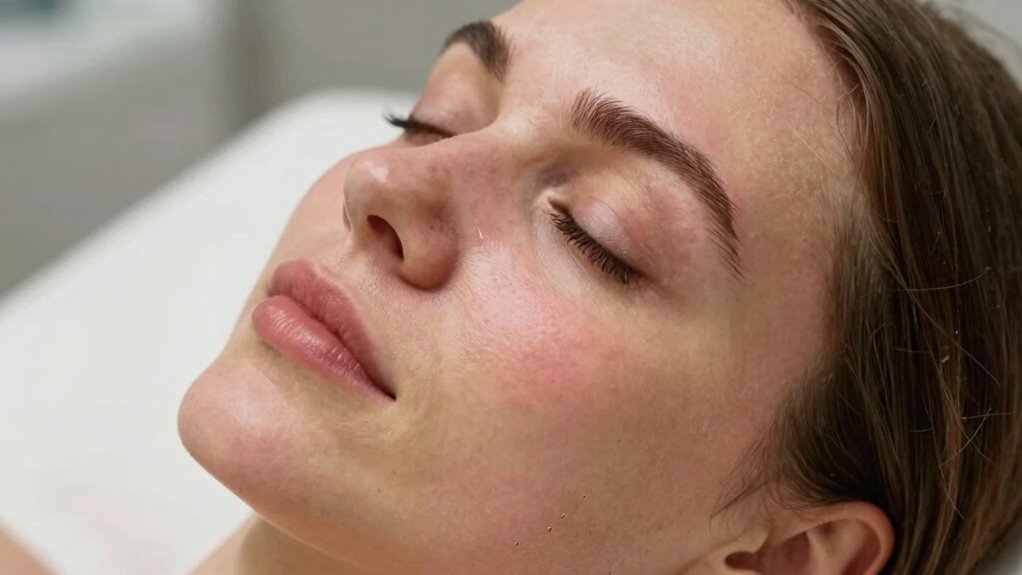
Certain skin conditions may not respond well to microcurrent treatments, especially those involving active inflammation or compromised skin integrity. If you have autoimmune reactions, your skin might react unpredictably, leading to irritation or worsening symptoms. Microcurrent could potentially overstimulate your immune response, making conditions like psoriasis or lupus flare up. Similarly, skin infections, whether bacterial, viral, or fungal, can worsen if microcurrent is applied to affected areas. The treatment might spread infection or delay healing. If your skin is broken, raw, or inflamed, microcurrent could exacerbate discomfort or damage. It’s essential to consult with a healthcare professional before trying microcurrent if you have these conditions to guarantee your skin’s safety and avoid unnecessary complications.
Who Should Avoid Microcurrent Treatments?
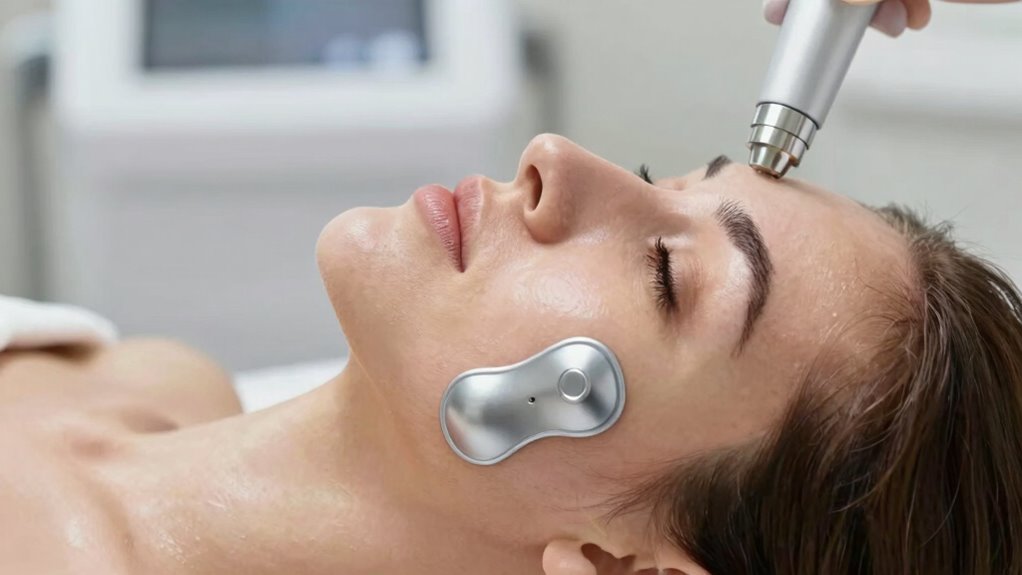
If you’re pregnant or breastfeeding, it’s best to avoid microcurrent treatments until you consult your healthcare provider. People with certain skin conditions, like active infections or open wounds, should also hold off to prevent complications. Always check with a professional before trying microcurrent if you have any health concerns.
Pregnancy and Breastfeeding
Pregnancy and breastfeeding are periods when microcurrent treatments should be approached with caution. During this time, it’s essential to prioritize pregnancy safety and breastfeeding precautions. You should avoid microcurrent if you:
- Are pregnant or suspect pregnancy, due to unknown effects on fetal development.
- Are breastfeeding, as the safety of microcurrent during this phase isn’t well-established.
- Have any pregnancy-related complications or health issues that could be exacerbated by electrical stimulation.
Even if you’re considering microcurrent for post-pregnancy recovery, consult your healthcare provider first. While some treatments might seem beneficial, the lack of definitive research makes it best to err on the side of caution. Protect your health and your baby’s well-being by skipping microcurrent during these sensitive periods.
Skin Conditions to Avoid
People with specific skin conditions should avoid microcurrent treatments, as these conditions can increase the risk of adverse effects or worsen existing issues. If you have age spots, microcurrent might cause irritation or uneven pigmentation, making spots more noticeable. Similarly, if you have skin allergies, the treatment could trigger an allergic reaction or inflammation. Microcurrent stimulates the skin’s surface, which may exacerbate sensitive or compromised skin. Avoid it if you notice redness, irritation, or any unusual reactions. It’s best to consult with a dermatologist before proceeding if you have these conditions. Protecting your skin from potential damage is vital, especially if your skin is already compromised by age spots or allergies. When in doubt, skip microcurrent to keep your skin safe and healthy.
How Can You Tell If Microcurrent Is Suitable for You?
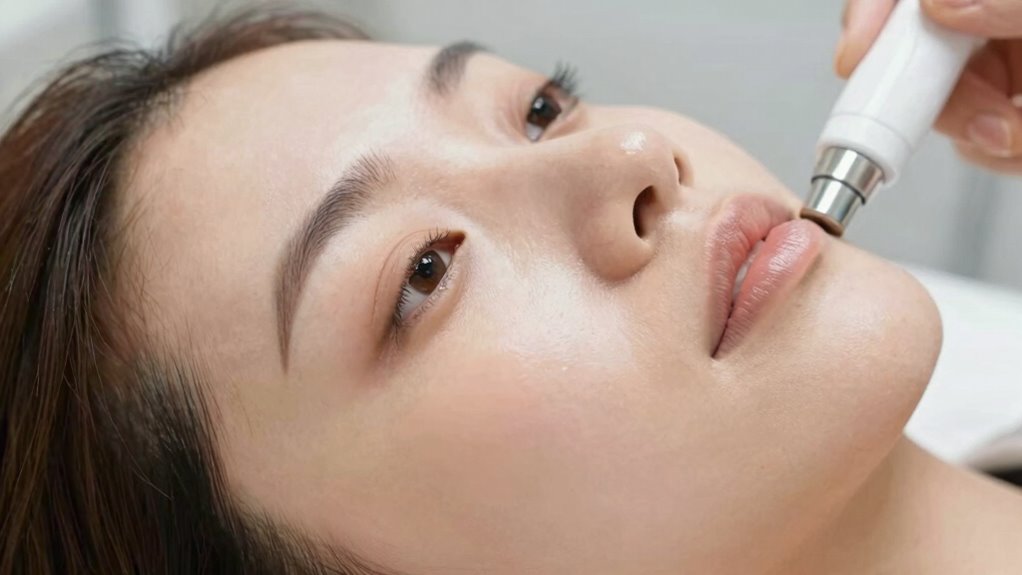
Wondering whether microcurrent is right for you? First, consider your age, as those over 50 may benefit more from the lifting effects, but should consult a professional. Next, check allergy concerns—if you have sensitive skin or allergies to skincare products, test the device on a small area first. finally, evaluate skin conditions: microcurrent isn’t suitable if you have active infections or open wounds. Here’s what to keep in mind:
- Age considerations—ideal for mature skin or those seeking rejuvenation
- Allergy concerns—perform patch tests if you have sensitive skin
- Skin conditions—avoid if you have open wounds or infections
What Are Your Alternatives to Microcurrent for Facial Rejuvenation?
If microcurrent isn’t suitable for you or you’re exploring other options, there are several alternative therapies for facial rejuvenation. Understanding facial anatomy helps you choose treatments that target specific areas effectively. Options like LED light therapy can boost collagen production without invasive procedures, while chemical peels improve skin texture and tone. Botox and dermal fillers offer immediate results by relaxing muscles or adding volume. For a more natural approach, consider facial massage or laser treatments, which stimulate collagen and tighten skin. These therapies vary in invasiveness, cost, and downtime, so evaluating your goals and skin condition helps determine the best fit. Consulting a skincare professional ensures you select safe, effective alternatives tailored to your facial anatomy and rejuvenation needs.
Frequently Asked Questions
How Long Do Microcurrent Treatment Results Typically Last?
The longevity of results from microcurrent treatments varies, but you can expect them to last about 3 to 6 months. To maintain these benefits, you should follow consistent maintenance routines, such as regular sessions and good skincare habits. Keep in mind that individual factors like age and skin condition influence how long results stay, so staying committed to your routine helps prolong the effects and maximize your investment.
Can Microcurrent Be Combined With Other Skincare Procedures?
You can definitely combine microcurrent with other skincare procedures to maximize results, creating a perfect example of skincare synergy. Just keep in mind that combining treatments isn’t always smooth sailing, so it’s best to consult your skincare professional first. Mixing microcurrent with facials, chemical peels, or LED therapy can enhance your glow, but make sure your skin is prepared and you’re not overdoing it—less is often more.
What Is the Recommended Frequency for Microcurrent Sessions?
You should typically schedule microcurrent sessions 1 to 2 times a week initially, following a consistent treatment schedule. After a series of 10 to 12 sessions, many people switch to maintenance sessions every 4 to 6 weeks. The ideal session frequency depends on your skin’s response and goals. Always consult with a skincare professional to customize your treatment schedule for best results.
Does Microcurrent Therapy Hurt or Cause Discomfort?
Microcurrent therapy typically doesn’t hurt or cause significant discomfort if your pain perception is normal. Most people find the treatment quite tolerable, often describing a gentle tingling or slight buzzing sensation. Your patient comfort is a priority, so practitioners usually adjust the intensity to match your comfort level. If you experience pain or discomfort, it’s important to communicate with your provider so they can modify the settings for a more comfortable experience.
Are There Age Restrictions for Microcurrent Treatments?
Worried about age restrictions for microcurrent treatments? You should be, especially if your skin is sensitive. While there’s no strict age limit, younger skin might not need it, and older skin could react differently. Always consult with a professional first. They’ll assess your skin sensitivity and determine if microcurrent therapy is safe for you. Trust their expertise—your skin’s health depends on it.
Conclusion
Ultimately, microcurrent can be a game-changer for your skincare routine, but it’s not for everyone. If you’re considering it, weigh the benefits against potential risks and listen to your skin’s signals. Trust your instincts—this treatment could transform your look more than you ever imagined, or it might not be the right fit. Make an informed choice and give your skin the love it truly deserves. Your radiant, youthful glow awaits!