
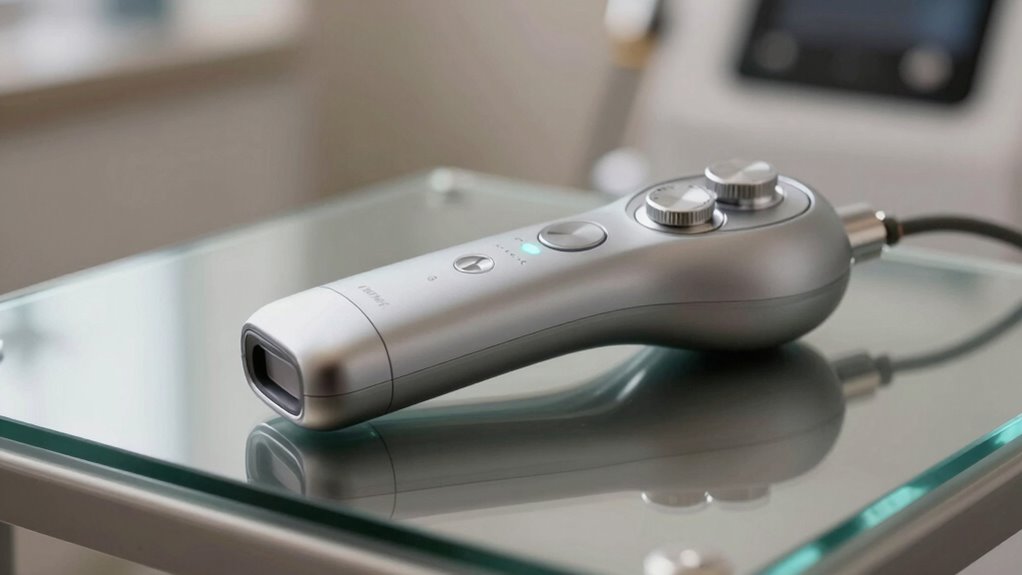

Using microcurrent more often or intensively doesn’t mean faster results. Overdoing sessions can lead to skin irritation, discomfort, or muscle fatigue, which may slow progress or cause setbacks. Proper timing involves balancing session duration, frequency, and calibration to make certain the treatment is effective and comfortable. When you stick to an appropriate schedule, you’ll see better, safer results over time. To uncover tips for optimizing your microcurrent routine, continue exploring key guidelines.
Key Takeaways
- Proper session timing optimizes muscle and skin response without causing fatigue or irritation.
- Overly frequent or lengthy treatments can diminish results and increase discomfort.
- Well-calibrated, moderate sessions promote steady progress and prevent overstimulation.
- Consistent, spaced treatments build momentum more effectively than excessive, intense sessions.
- Listening to your body’s signals ensures safe, effective microcurrent use without overdoing it.
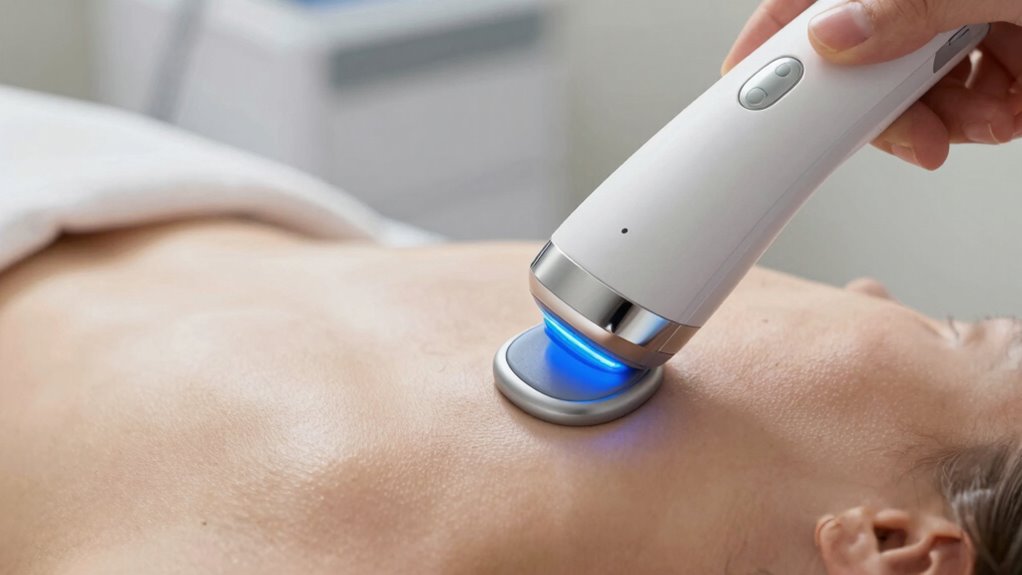
Have you ever wondered how the timing of microcurrent treatments impacts their effectiveness? The way you schedule each session plays a vital role in achieving ideal results. It’s tempting to think that longer or more frequent treatments will speed up your progress, but that’s not always the case. The key lies in understanding the importance of proper device calibration and how it affects your comfort during each session. When your device is correctly calibrated, it delivers the right intensity and frequency of current, ensuring that each pulse is effective yet gentle enough to prevent discomfort. If a device isn’t properly calibrated, you might experience inconsistent results, or worse, irritation that discourages you from continuing treatments. Proper calibration isn’t a one-time task; it should be checked regularly to maintain consistency, especially if you’re using a device at home. This attention to detail ensures your sessions are both safe and effective, maximizing benefits without overexposing your skin or muscles to unnecessary stress. Additionally, understanding device specifications helps you tailor treatments more effectively. Timing also impacts your comfort considerably. A session that’s too long or too intense can lead to fatigue, soreness, or even skin irritation, which can make you hesitant to stick with your treatment plan. Conversely, sessions that are too brief or too mild may not produce noticeable improvements, causing frustration and doubts about the process. Finding the right balance involves listening to your body and adjusting the duration and intensity based on how you feel during and after treatments. Proper timing allows your muscles and skin to respond gradually, promoting better healing and rejuvenation. Remember, more isn’t always better—overdoing it can diminish your results and lead to discomfort that discourages ongoing use. Another important aspect of timing is consistency. Regular, well-spaced sessions help build momentum and sustain progress. Skipping treatments or spacing them too far apart can slow down your results or cause regression. When planning your microcurrent routine, consider how your body responds over time and aim for a schedule that allows adequate recovery while maintaining steady stimulation. Your comfort during each session hinges on this balance, as well as on the device being calibrated correctly. If your device is calibrated for a specific duration or intensity, adhere to those guidelines to avoid unnecessary discomfort and ensure each treatment is as effective as possible. In essence, understanding the timing of your microcurrent treatments isn’t just about how long or how often you do them. It’s about fine-tuning your approach through proper device calibration and paying close attention to your comfort levels. When you do this, you’ll notice better results, fewer side effects, and a more enjoyable experience overall. Remember, ideal outcomes come from thoughtful, well-paced treatments—not from simply increasing session length or frequency.
Frequently Asked Questions
How Does Microcurrent Timing Affect Individual Skin Types?
Microcurrent timing impacts your skin type by addressing individual needs; sensitive skin may require shorter, less intense sessions to avoid irritation. Proper treatment customization ensures you get ideal results without overdoing it, which can cause redness or discomfort. By tailoring the timing, you help your skin respond better, promoting healing and rejuvenation. Remember, listening to your skin’s reactions and adjusting the schedule accordingly is key to safe, effective microcurrent treatments.
Can Improper Timing Cause Skin Damage or Adverse Effects?
Yes, improper timing can cause skin damage or adverse effects. You risk over-stimulating your skin if treatment protocols aren’t followed carefully, leading to redness, irritation, or even broken capillaries. To avoid these risk factors, stick to recommended timing guidelines and consult a professional. Properly timed sessions guarantee safe, effective results without damaging your skin or causing unwanted side effects.
Are There Specific Signs Indicating When to Adjust Microcurrent Duration?
Ever notice your skin looking tired or showing signs of fatigue during a treatment? These are cues that you should modify the microcurrent duration. Pay attention to skin response cues like redness, tingling, or discomfort. If these signs appear, it’s time to reduce or pause. Your skin communicates what it needs, so listening to these signals helps prevent overstimulation and ensures safe, effective results.
How Does Age Influence Optimal Microcurrent Treatment Timing?
Age influences your ideal microcurrent treatment timing because age-related sensitivity varies, requiring treatment customization. As you get older, your skin may become more delicate, so starting with shorter sessions helps prevent irritation. Pay attention to your body’s responses and adjust accordingly. Younger skin might tolerate longer treatments, but always prioritize personalized care. Listening to your skin’s cues ensures effective results without overdoing it, regardless of age.
Is There a Recommended Frequency for Reassessing Microcurrent Settings?
You should reassess your microcurrent settings every few sessions, ideally every 4 to 6 weeks. This keeps your treatment intervals on point and prevents unnecessary overexposure. Think of it like scheduling your haircuts—too often and you’ll chop away more than needed; too infrequent, and you risk missing progress. Regular evaluations guarantee your session scheduling stays optimized, delivering results without wasting time or energy.
Conclusion
Remember, when it comes to microcurrent treatments, more isn’t always better. Overdoing it can lead to irritation or diminishing returns, so listen to your skin’s signals. Patience and proper timing will serve you better than rushing through sessions. Think of it as a marathon, not a sprint—quality over quantity wins the race. Stick to a balanced routine, and you’ll see better, lasting results without throwing your skin off balance.