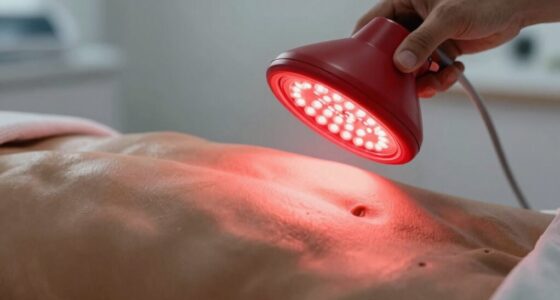
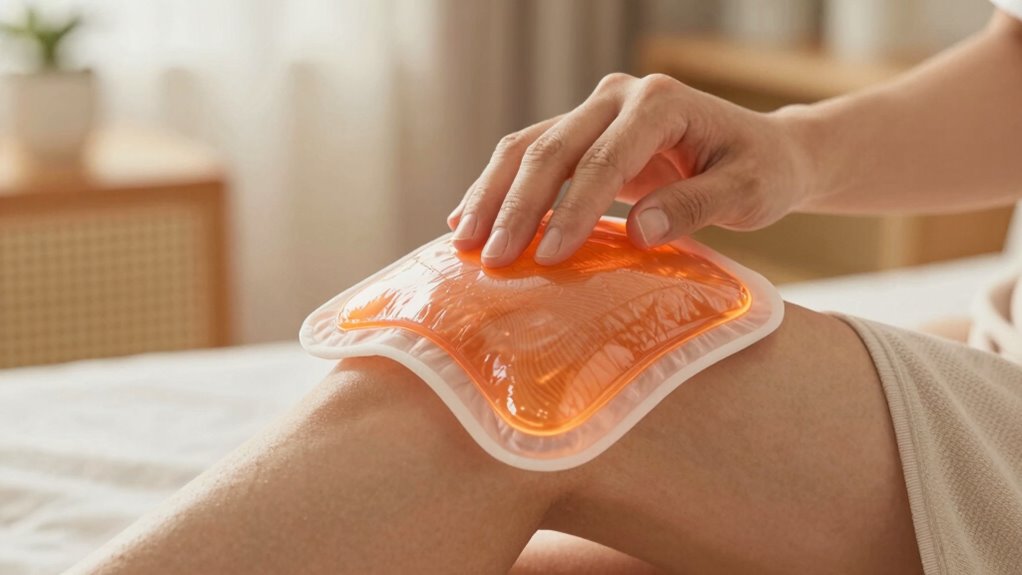

Heat therapy can boost recovery when your muscles feel stiff, tense, or fatigued, especially after swelling has decreased. Use warmth safely—apply for no more than 15-20 minutes and avoid over-heating or placing it over broken skin or swelling. Skip heat if you notice increased pain, redness, or if there’s ongoing inflammation or acute injury. Knowing when to use heat helps you recover effectively; stay tuned to learn more about safe and proper application.
Key Takeaways
- Use heat therapy after swelling and inflammation have subsided to promote muscle relaxation and improve blood flow.
- Avoid heat immediately after injury or when signs of swelling, redness, or severe pain are present.
- Proper timing involves applying warmth once acute symptoms diminish and cold therapy has been used.
- Limit heat sessions to 15-20 minutes, ensuring the skin is protected to prevent burns.
- Always consult a healthcare professional for personalized advice, especially with complex or chronic conditions.
Understanding Heat Therapy: How It Promotes Recovery
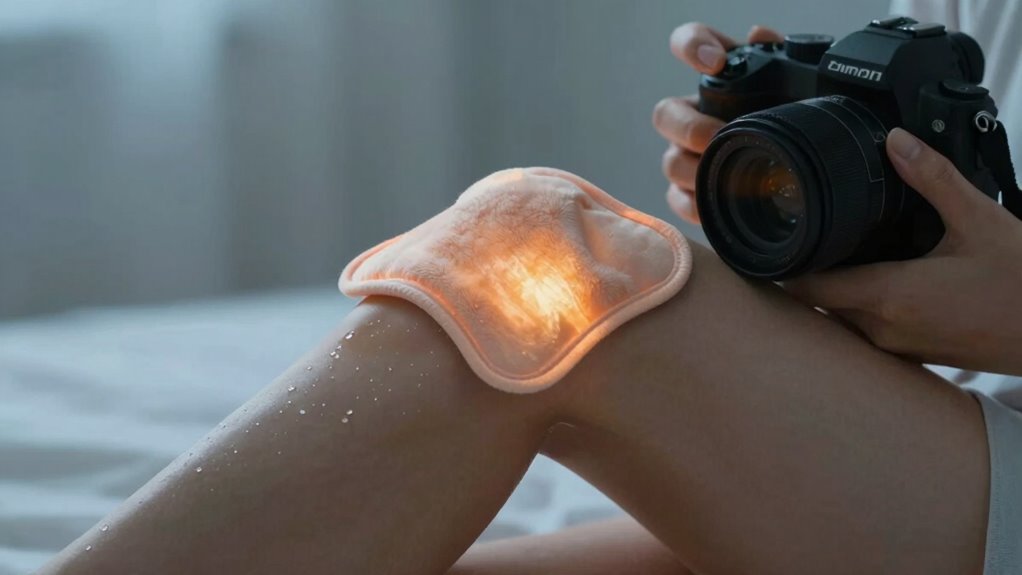
Heat therapy works by increasing blood flow to targeted muscles and tissues, which helps deliver essential nutrients and oxygen needed for recovery. As blood circulation improves, your muscles relax more easily, reducing tension and stiffness. This promotes muscle relaxation, making it easier to move and perform daily activities without discomfort. Additionally, heat helps alleviate pain by dulling nerve signals that transmit soreness, providing immediate relief. When you apply heat correctly, it encourages a calming effect that eases muscle tightness and soreness. This combination of improved circulation and reduced nerve activity supports your body’s natural healing process. Whether recovering from intense exercise or minor injuries, heat therapy offers a simple, effective way to promote relaxation and pain relief.
When Is Heat Therapy Most Effective for Muscle Soreness?
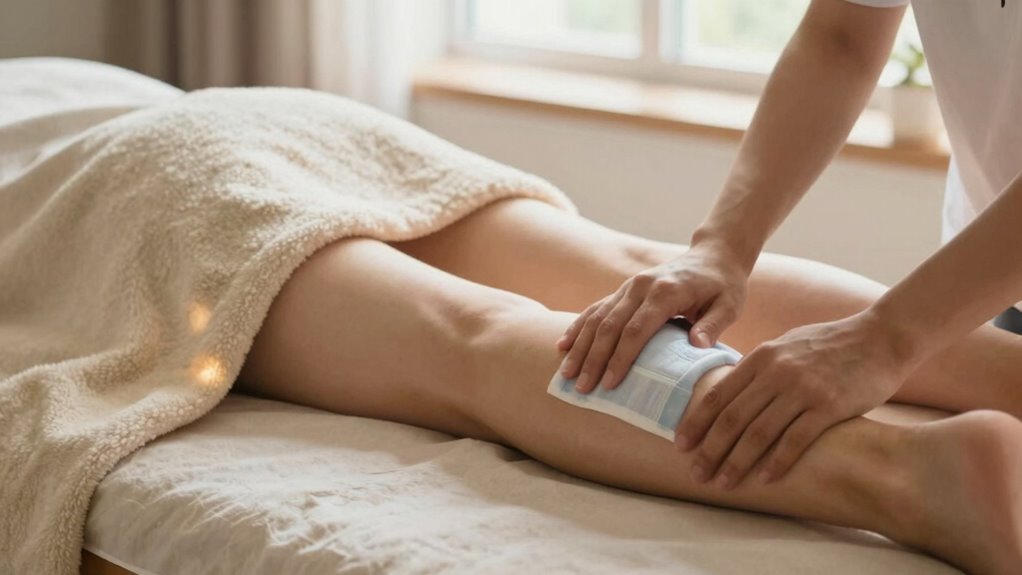
You’ll get the most benefit from heat therapy when muscle soreness is due to tension, stiffness, or lingering fatigue rather than acute injury or inflammation. Applying heat helps promote muscle relaxation, easing tightness and reducing discomfort. It also provides effective pain relief by increasing blood flow to targeted areas, which accelerates healing and soothes aching muscles. If you’re feeling stiff after a workout or experiencing soreness from prolonged activity, heat therapy can loosen muscles and improve flexibility. Proper application techniques ensure safe and effective use of heat therapy. Additionally, understanding appropriate timing can maximize the benefits and prevent potential setbacks. Using heat wisely involves recognizing when it can support recovery without exacerbating underlying issues, especially considering muscle recovery principles to avoid overstressing tissues. Recognizing the importance of filtration and pump protection can help maintain equipment when applying heat therapy in a clinical or home setting.
How to Tell if It’s the Right Time for Heat Therapy
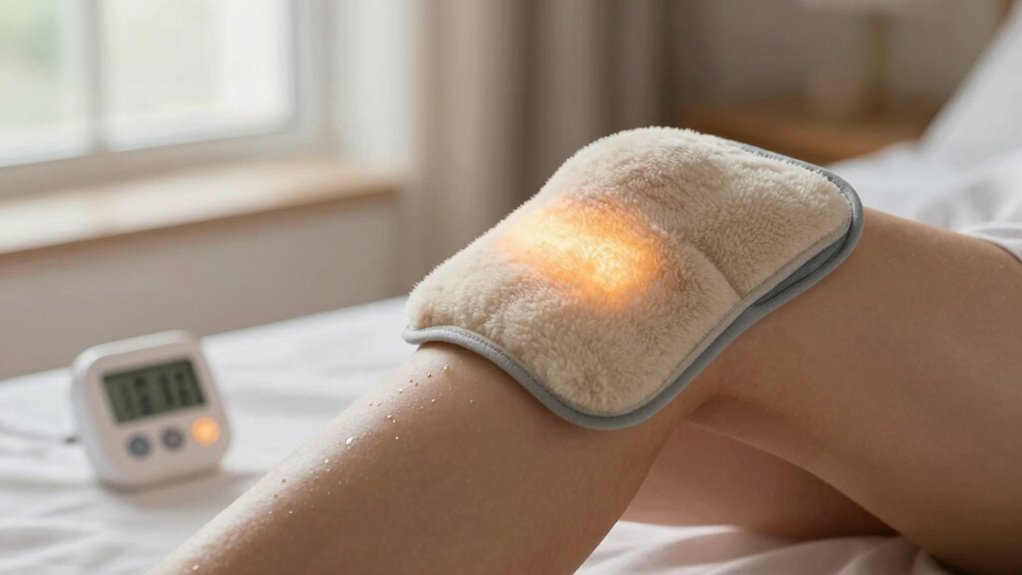
Knowing when to use heat therapy is key to maximizing its benefits and avoiding potential harm. If you’ve recently experienced an injury or are dealing with swelling, cold therapy is usually better initially. Heat can increase blood flow, which helps relax muscles, but isn’t suitable if nerve sensitivity is heightened or if there’s ongoing inflammation. Pay attention to how your body feels: if you notice sharp pain, increased discomfort, or tingling, it may be too soon for heat. Also, avoid heat if you’re unsure whether the injury is fresh or if swelling persists. Using heat too early can worsen inflammation or cause nerve irritation. Always wait until acute symptoms subside and confirm that cold therapy has been used appropriately before shifting to warmth. Incorporating proper home remedies can also enhance recovery and support your healing process, especially when combined with modern recovery techniques. Being aware of contrast therapy options can further optimize your recovery strategy. Additionally, understanding the timing of heat application can help prevent setbacks and promote more effective healing. Recognizing signs of overuse of heat is important to avoid delaying recovery or causing additional tissue stress.
Signs That It’s Too Soon or Not Appropriate for Heat

If your body still shows signs of inflammation or heightened nerve sensitivity, it’s too soon to use heat therapy. Heat contraindications include swelling, redness, or severe pain, indicating the injury is still acute. Using heat too early can worsen inflammation or cause further tissue damage. Assess injury severity — if it’s severe, involving broken skin or significant swelling, skip heat therapy. Additionally, improper ventilation can exacerbate discomfort or health risks during heat application, so ensure proper ventilation considerations. Maintaining proper air quality during heat therapy is essential to prevent respiratory issues or discomfort.
How to Use Heat Packs and Warm Compresses Safely
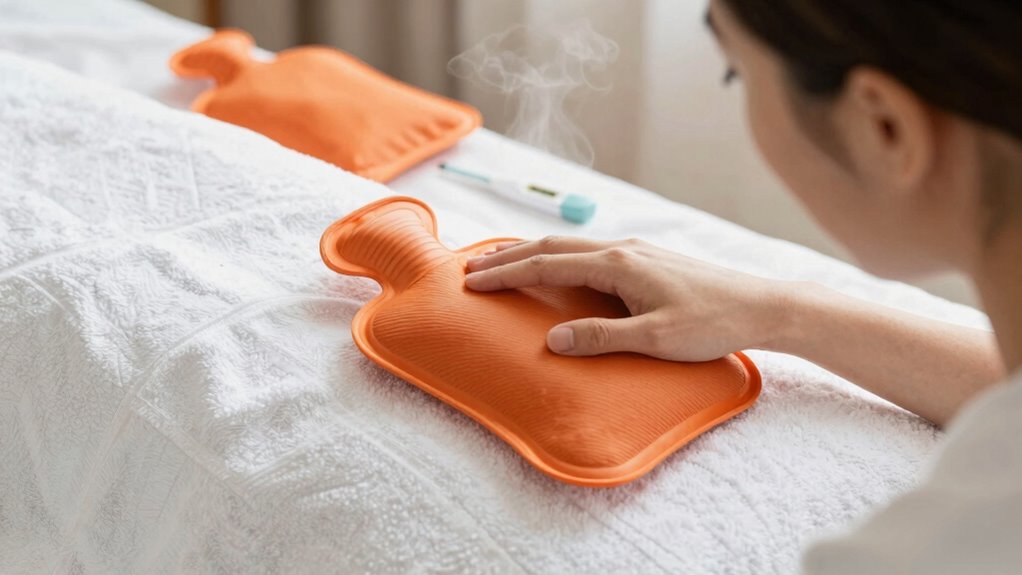
When using heat packs and warm compresses, safety is key to avoiding further injury. Always test the temperature before applying to your skin—ensure it’s warm, not hot, to prevent burns. Limit sessions to 15-20 minutes to promote muscle relaxation and pain relief without overdoing it. Use a cloth or towel as a barrier between the heat source and your skin. Avoid applying heat directly over broken skin, swelling, or areas with decreased sensation. Be cautious if you have circulatory issues or diabetes, as sensitivity may be reduced. If you experience increased pain, burning, or numbness, remove the heat immediately. Proper use enhances muscle relaxation and pain relief while minimizing risks. Additionally, understanding thermal behavior can help you better predict how heat interacts with your body tissues during treatment. Recognizing heat transfer principles can improve how effectively heat reaches targeted tissues. When in doubt, consult a healthcare professional for personalized guidance.
Situations Where Heat Could Worsen Inflammation or Injury
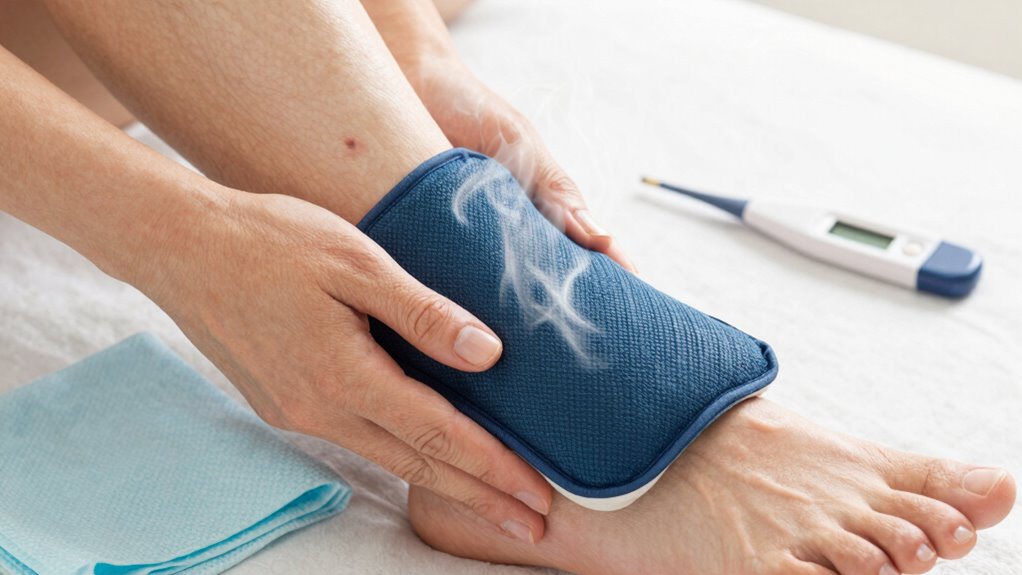
You should avoid applying heat to recent injuries, as it can increase swelling and delay healing. Be cautious around swollen or inflamed areas, since heat may worsen the inflammation. If there’s bleeding or hemorrhage, heat can increase blood flow and make the situation worse. Additionally, applying heat over areas with pinball machine weight could potentially cause further discomfort or injury if not properly supported. Understanding the effects of heat on inflammation can help prevent mishaps when using heat in cooking and first aid situations. Recognizing proper heat application techniques is essential for safe and effective care, especially considering how heat impacts tissue healing can vary based on timing and injury type.
Recent Acute Injuries
Ever wonder why heat therapy isn’t recommended immediately after sustaining a new injury? It’s because applying heat can increase blood flow, which may worsen swelling and inflammation. Many believe heat provides quick relief, but heat therapy misconceptions can lead you astray, especially during the initial phase of injury. Instead, focus on alternative pain relief methods like ice packs or compression. Here’s a quick comparison:
| Aspect | Heat Therapy | Alternative Pain Relief |
|---|---|---|
| When to use | After swelling subsides | Immediately after injury |
| Effect on inflammation | May increase inflammation | Reduces swelling and pain |
| Best for | Chronic pain, muscle tension | Acute injury, swelling |
Avoid heat during this critical period to prevent further damage. Remember, understanding injury management is essential for effective recovery. Additionally, knowing how essential oils can support healing and relief during different phases of recovery can be beneficial in a comprehensive approach.
Swollen or Inflamed Areas
Why risk worsening inflammation when your area is already swollen or inflamed? Applying heat can increase blood flow and swelling, potentially making the situation worse. Instead, use ice packs to reduce inflammation and numb pain. Cold therapy helps constrict blood vessels, limiting fluid buildup. Avoid massage therapy on swollen or inflamed areas, as it can aggravate the tissue and increase discomfort. Heat may feel soothing, but it can intensify swelling if inflammation is active. Wait until the swelling subsides before considering warmth, and always listen to your body’s signals. If you’re unsure, consult a healthcare professional to determine the safest approach. Keeping inflammation in check early on is vital to prevent further injury and promote proper healing.
Bleeding or Hemorrhage
Applying heat to an area experiencing bleeding or hemorrhage can considerably worsen the situation. Heat increases blood flow, which may intensify bleeding complications and elevate hemorrhage risks. If you suspect bleeding, avoid applying warmth until a healthcare professional confirms it’s safe.
| Heat Application Risks | When to Skip Heat | Immediate Actions |
|---|---|---|
| Worsening bleeding | During active hemorrhage | Apply cold compress instead |
| Increasing inflammation | Uncertain bleeding status | Seek medical help immediately |
| Amplifying hemorrhage risks | After injury without diagnosis | Monitor and consult a doctor |
You should prioritize stopping bleeding and seeking medical attention over heat therapy. Using heat prematurely can lead to more severe bleeding complications, making recovery harder and increasing health risks.
Alternatives to Heat for Managing Injury and Stiffness
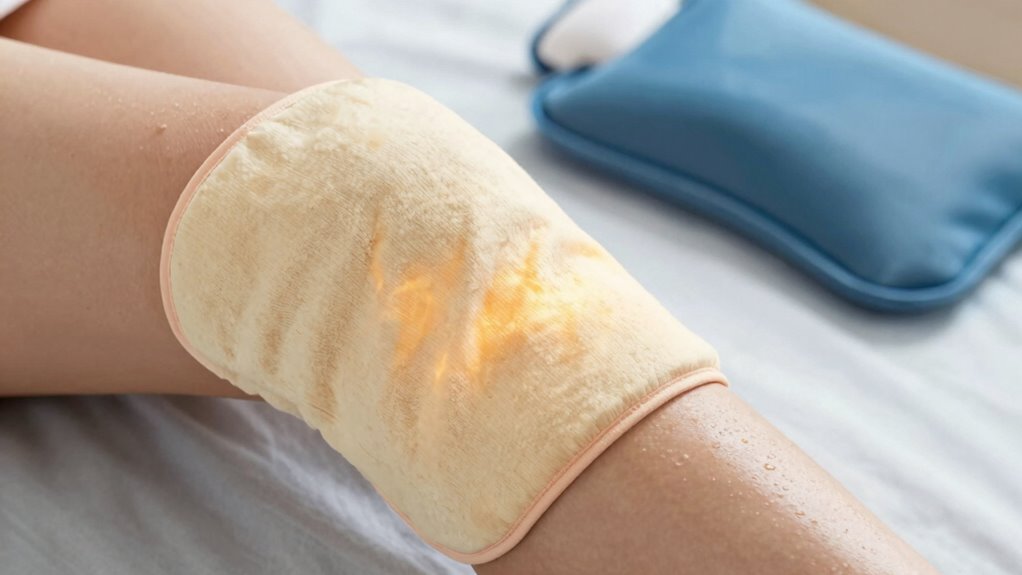
When heat therapy isn’t suitable or effective, several alternative methods can help manage injury and stiffness. These options often focus on reducing inflammation and easing pain.
- Use cold treatment, like ice packs, to decrease swelling and numb pain.
- Engage in gentle stretching to improve flexibility without aggravating injury.
- Consider alternative therapies such as massage or acupuncture to promote blood flow and relaxation.
- Rest the affected area, avoiding activities that increase discomfort, to allow natural healing.
Cold treatment is especially effective shortly after injury, helping to control inflammation. Combining these approaches can help you manage stiffness effectively when warmth isn’t the best option.
Timing Heat Therapy for Optimal Healing Results
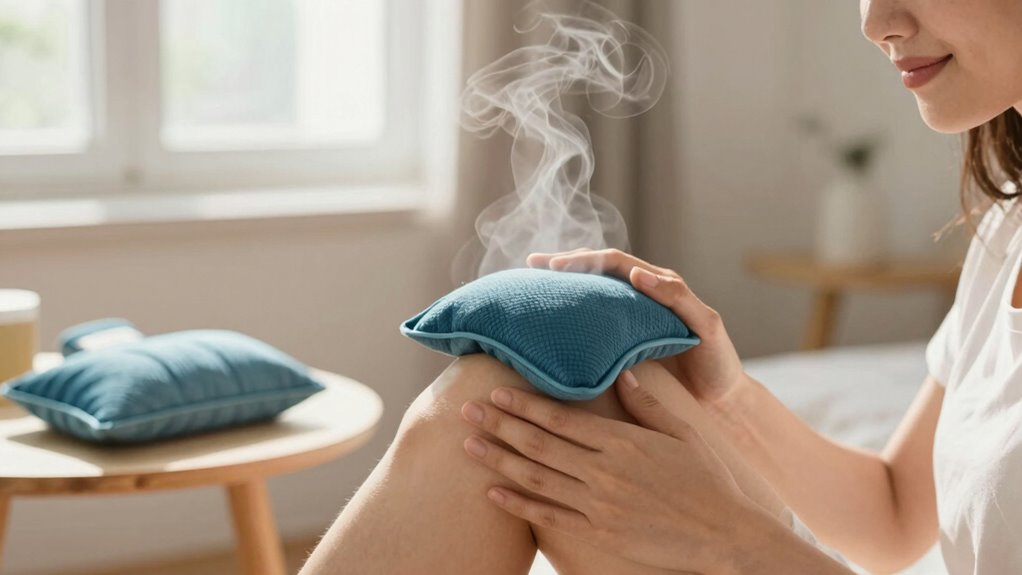
Knowing when to apply heat is key to maximizing its benefits. You should use warmth carefully, especially after the initial inflammation has subsided, to support healing. Recognizing your body’s healing milestones helps you time heat therapy effectively and avoid setbacks.
When to Apply Warmth
Timing is crucial when using heat therapy to make certain it promotes healing rather than causes further damage. Knowing when to apply warmth ensures you avoid interfering with the body’s natural healing process. For example, immediately after an injury, cold therapy is typically better to reduce inflammation. Use heat vs cold wisely by considering these moments:
- After swelling subsides, applying warmth can relax muscles and improve blood flow.
- When stiffness and soreness persist, heat helps loosen tight tissues.
- Avoid heat immediately after injury to prevent worsening inflammation.
- If you’re unsure whether to use cold therapy or heat, listen to your body—if it feels inflamed, opt for cold initially.
Timing your heat application properly accelerates recovery and prevents setbacks.
Timing Post-Inflammation
Once the initial inflammation has decreased and swelling has gone down, it’s the ideal time to introduce heat therapy. Applying warmth at this stage can help relax tight muscles and reduce muscle tightness that often follows injury. Increased blood flow from heat stimulates circulatory improvement, delivering nutrients and oxygen to tissues, which accelerates healing. Timing is vital—using heat too early can worsen inflammation, while applying it too late might miss its benefits. When inflammation subsides, heat promotes flexibility and reduces discomfort, supporting your recovery process. Pay attention to how your body responds; if pain or swelling reemerges, pause heat therapy. Proper timing guarantees you maximize heat’s benefits without risking setbacks.
Recognizing Healing Milestones
Recognizing healing milestones is essential for optimizing your recovery with heat therapy. When your body reaches certain points, it’s time to adjust your approach for better results. Here are key indicators:
- Reduced swelling or inflammation—cold therapy may no longer be necessary, and warmth can promote circulation.
- Improved pain levels—less discomfort suggests you’re ready for gentle heat to enhance muscle flexibility.
- Increased range of motion—better movement indicates your tissues are healing, making heat therapy more beneficial.
- Stable symptoms—absence of sharp pain or swelling suggests you can safely apply heat without risking setbacks.
Monitoring these milestones helps you time heat therapy effectively, supporting healing without risking inflammation or setbacks.
Common Mistakes When Applying Heat and How to Avoid Them
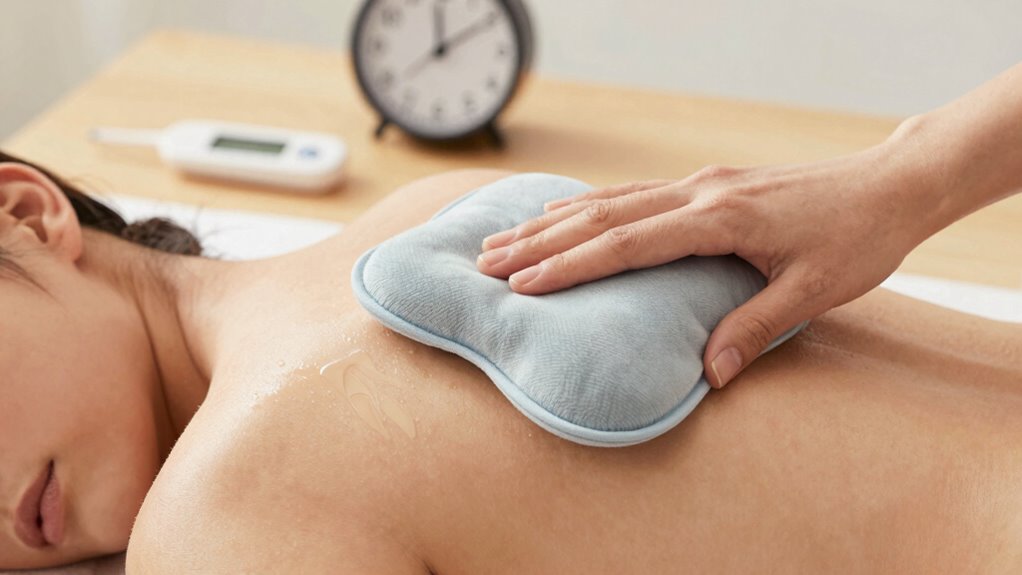
Applying heat therapy incorrectly can do more harm than good, so it’s important to avoid common mistakes. One key mistake is neglecting heat pack safety, such as not using a barrier like a towel to prevent burns. Always check the temperature before applying it to your skin. Another error is improper application duration; leaving heat on too long can cause skin damage or increased inflammation. Make sure to limit sessions to 15-20 minutes and listen for any discomfort. Additionally, applying heat directly to open wounds or inflamed areas can worsen your condition. Always follow proper application techniques, ensuring the heat source is not too hot and is used on appropriate areas. By respecting safety guidelines, you maximize benefits and minimize risks.
Consulting Professionals: When to Seek Medical Advice Before Using Heat
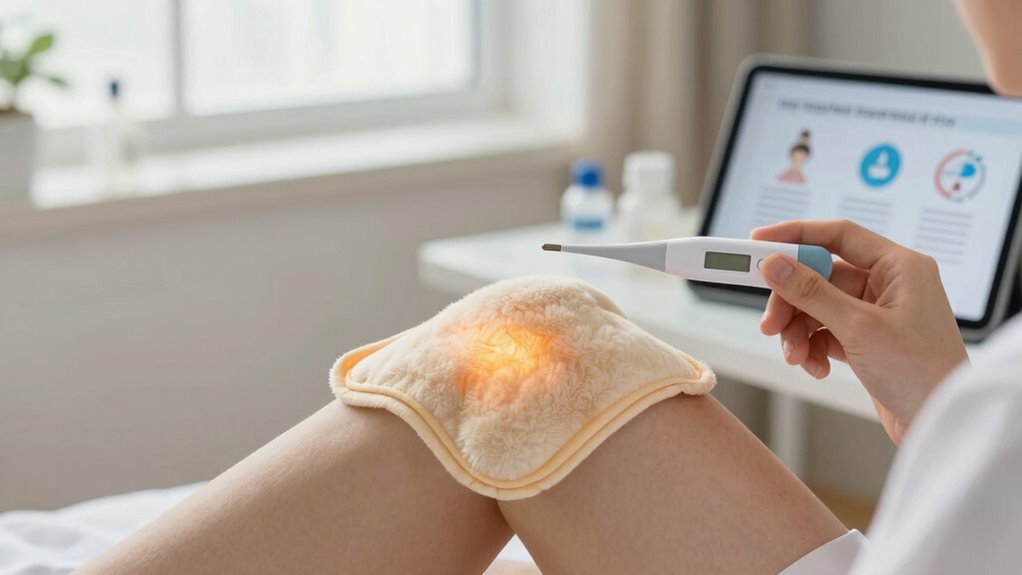
If you notice serious symptoms like severe pain, swelling, or numbness, it’s vital to see a healthcare professional before using heat. Understanding your underlying conditions can also affect whether heat therapy is safe for you. Always consult a medical expert if you’re unsure, to avoid worsening your condition.
Recognize Serious Symptoms
Before using heat therapy, it’s essential to be aware of certain symptoms that require professional medical advice. Ignoring serious signs can worsen your condition or mask underlying issues. Watch out for:
- Severe pain that persists despite rest and cold therapy.
- Signs of infection, like redness, swelling, or pus.
- Sudden or intense chest pain or difficulty breathing.
- Mental health symptoms such as extreme anxiety, depression, or thoughts of self-harm.
These symptoms could indicate serious health problems where heat might do more harm than good. If you experience any of these, consult a healthcare professional immediately. Recognizing these signs ensures you don’t overlook conditions needing urgent care, especially when considering therapies like cold therapy or addressing mental health concerns.
Understand Underlying Conditions
Understanding your underlying health conditions is crucial because certain medical issues can make heat therapy unsafe or ineffective. If you have conditions like diabetes, circulatory problems, or skin infections, heat may worsen symptoms or cause complications. Consulting healthcare professionals ensures you choose safe recovery methods, whether that’s alternative therapies or specific lifestyle adjustments. For example, some conditions require avoiding heat altogether, while others may benefit from targeted warmth under medical supervision. Knowing your medical history helps you determine when heat therapy is appropriate or when to explore other options. Always seek professional advice before using heat treatments, especially if you’re uncertain about your health status. Prioritizing safety ensures you support recovery without risking setbacks or adverse effects.
Consult Healthcare Professionals
Consulting healthcare professionals is a vital step before using heat therapy, especially if you’re unsure about your medical conditions. Many people have heat therapy misconceptions that could lead to worsening injuries or health issues. To guarantee safe use, consider these points:
- Seek advice if you have chronic illnesses or circulatory problems.
- Discuss alternative recovery methods if heat isn’t suitable for your condition.
- Confirm whether pain or inflammation warrants heat or cold therapy.
- Get professional guidance if you’re unsure whether your injury is acute or chronic.
Frequently Asked Questions
Can Heat Therapy Be Used Alongside Ice Treatment?
You can use heat therapy alongside ice treatment, but it’s essential to understand their limitations and alternatives. Ice is best for reducing inflammation, while heat helps relax muscles. Avoid applying both simultaneously; instead, alternate them carefully based on your injury. Always consider heat therapy limitations, especially if swelling persists. If unsure, consult a healthcare professional to determine the right combination and timing for your recovery.
How Long Should I Apply Heat for Optimal Recovery?
Imagine your muscles relaxing as warmth seeps in—how long should you let it work? Stick to the duration guidelines of 15-20 minutes for ideal timing. Beyond that, you risk irritation or decreased effectiveness. Always listen to your body; if you feel discomfort, remove the heat. Use heat therapy strategically to enhance recovery, but don’t overdo it—timing and moderation are key to reaping its benefits.
Are There Any Skin Risks From Prolonged Heat Application?
Prolonged heat application can cause skin irritation or burns if you’re not careful. You might notice redness, discomfort, or even blistering with excessive use. To avoid these risks, limit heat sessions to 15-20 minutes, use a barrier like a towel, and check your skin regularly. If you see any signs of irritation or burns, remove the heat immediately and give your skin time to recover.
Is Heat Therapy Suitable for Chronic Pain Conditions?
Imagine your muscles throwing a never-ending party—heat therapy is like inviting warm guests to relax and mingle. It’s great for chronic pain because it promotes muscle relaxation and boosts blood circulation. But beware: if your pain stems from inflammation or swelling, heat could turn your cozy gathering into a fiery riot. Always check with your healthcare provider to guarantee heat’s the right guest for your specific condition.
How Does Heat Therapy Differ From Other Recovery Methods?
Heat therapy differs from other recovery methods by primarily promoting muscle relaxation and increasing blood flow. Unlike cold therapy, which reduces inflammation and numbs pain, heat gently loosens tight muscles and encourages nutrient-rich blood to reach tissues. You’ll notice it’s especially helpful for chronic muscle soreness or stiffness, but should avoid it if you have swelling or acute injuries. It’s a soothing, effective way to support recovery when used appropriately.
Conclusion
Knowing when to use heat therapy can be a game-changer—warming up muscles versus risking further damage. It’s like choosing between a cozy blanket and a hot stove; one soothes, the other burns. By understanding the signs and timing, you can enjoy the comfort of warmth without the pitfalls. When in doubt, consult a professional—because sometimes, the right choice makes all the difference in your recovery journey.