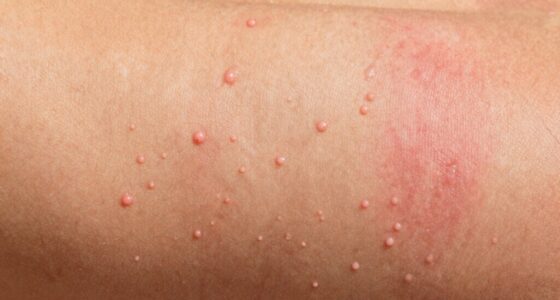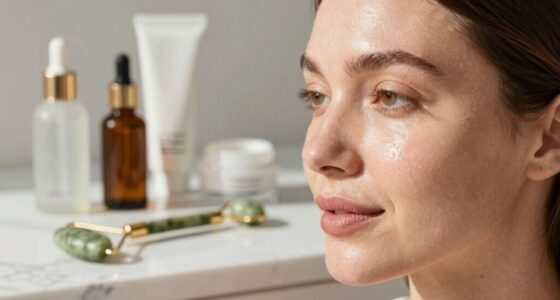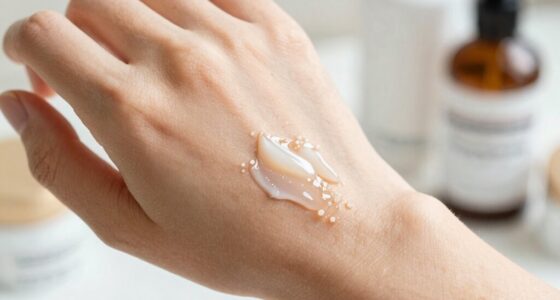
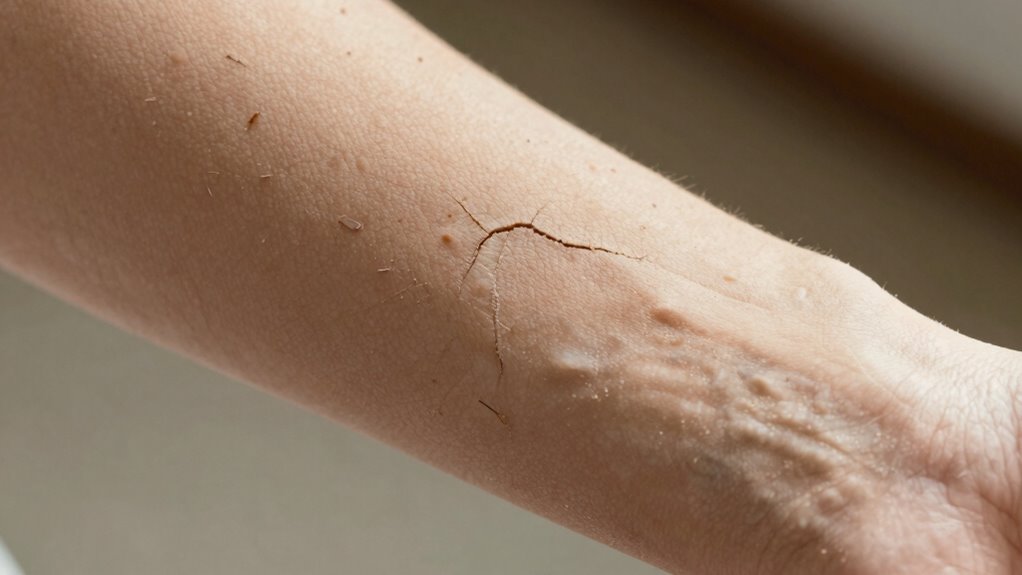

Your skin still feels dry after moisturizer because your skin barrier may be damaged or resistant, preventing ingredients from deeply absorbing and locking in hydration. When the barrier isn’t functioning properly, moisturizers tend to sit on the surface without truly hydrating or repairing. This results in persistent dryness and tightness. If you want to understand how to fix this issue and improve absorption, keep exploring the underlying causes and solutions.
Key Takeaways
- A compromised skin barrier prevents moisturizers from penetrating deeply, leaving skin dry despite application.
- Damaged or resistant skin barriers hinder ingredient absorption, reducing the effectiveness of hydrating products.
- Using harsh cleansers, hot water, or over-exfoliation weakens the skin’s natural oils, impairing moisture retention.
- Relying solely on surface-level moisturizers without barrier-repair ingredients fails to address underlying dryness.
- Incorporating barrier-supportive ingredients like ceramides and gentle routines improves hydration and reduces persistent dryness.
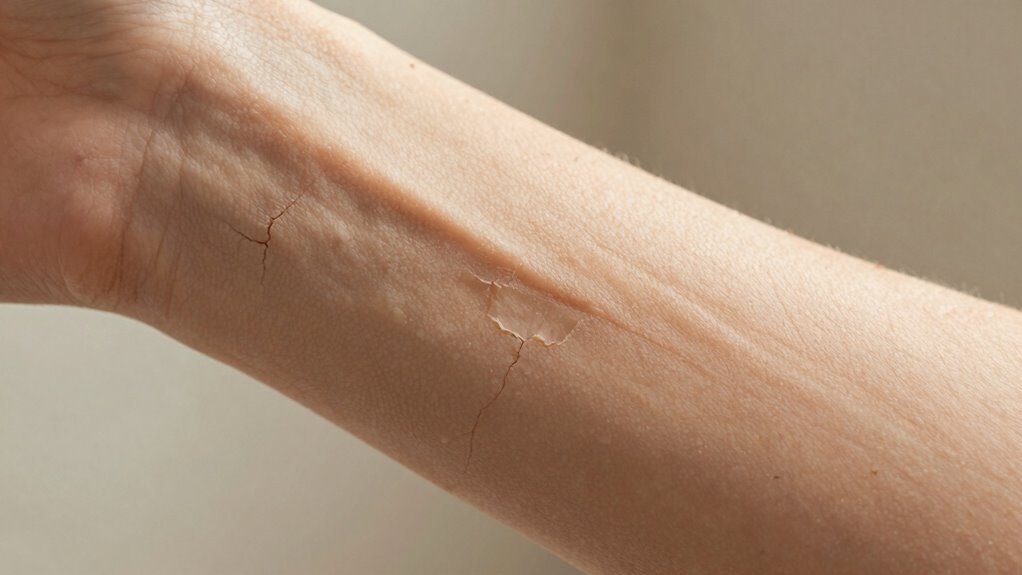
Even after applying moisturizer, your skin can still feel dry because the product may not be addressing the root cause of your dryness. One common reason is that your moisturizer isn’t properly absorbed, which can happen if your skin barrier is compromised or stubbornly resistant. The skin barrier, the outermost layer of your skin, plays a crucial role in keeping moisture in and harmful elements out. When this barrier is damaged or weakened, it becomes less effective at ingredient absorption. Instead of penetrating deeply to hydrate your skin, the moisturizer may sit on the surface, leaving your skin feeling dry and tight.
A compromised skin barrier prevents moisturizer absorption, leaving skin dry and tight.
If your skin barrier isn’t functioning properly, the ingredients in your moisturizer can’t do their job effectively. For example, humectants like glycerin or hyaluronic acid need to penetrate the skin to draw moisture from the environment or deeper layers. But if the barrier is compromised, these ingredients struggle to reach their target areas, rendering your moisturizer less effective. As a result, your skin remains dehydrated despite your efforts to hydrate it. This is especially true if you’re using products with occlusive ingredients that form a barrier on the skin’s surface without first repairing the underlying damage.
To improve ingredient absorption and support your skin barrier, you should focus on gentle, barrier-repairing ingredients such as ceramides, fatty acids, and cholesterol. These ingredients help restore the skin’s natural lipid matrix, making it more resilient and better at retaining moisture. Applying products in the right order also matters. Start with a gentle, hydrating toner or essence to prepare your skin, then layer your barrier-repair ingredients before applying your moisturizer. This sequence ensures that active ingredients can penetrate effectively.
You also need to avoid habits that further damage the skin barrier, like harsh cleansers, hot water, and over-exfoliating. These practices strip away essential lipids and leave your skin vulnerable. Instead, opt for mild cleansers that maintain your skin’s natural oils. Incorporate a weekly nourishing mask or facial oils that can reinforce your skin’s protective layer. Regular use of smart skincare tools designed for gentle cleansing and barrier support can further enhance your routine. When your skin barrier is intact and healthy, ingredient absorption improves, and your moisturizer can do its job properly. Ultimately, understanding the importance of a healthy skin barrier and supporting it with targeted ingredients will help you achieve lasting hydration, making your skin feel soft, plump, and comfortable.

CeraVe Moisturizing Cream, Body and Face Moisturizer for Dry Skin, Body Cream with Hyaluronic Acid and Ceramides, Daily Moisturizer, Oil-Free, Fragrance Free, Non-Comedogenic, 19 Ounce
[ HYALURONIC ACID MOISTURIZER ] With hyaluronic acid, ceramides and MVE technology for 24 hour hydration. Rich, velvety…
As an affiliate, we earn on qualifying purchases.
As an affiliate, we earn on qualifying purchases.
Frequently Asked Questions
Can Certain Foods Worsen Dry Skin Even After Moisturizing?
Yes, certain foods can worsen dry skin even after moisturizing because your diet impact affects hydration levels. Foods high in sugar, processed ingredients, or caffeine can dehydrate you, leading to dry skin. Also, excessive alcohol intake reduces your body’s ability to retain moisture. To improve your skin, focus on eating hydrating foods like fruits and vegetables, and stay well-hydrated by drinking plenty of water throughout the day.
How Do Climate Changes Affect Moisturizer Effectiveness?
Climate changes can dramatically affect your moisturizer’s effectiveness, almost like throwing a wrench into a well-oiled machine. When humidity levels drop, your skin barrier struggles to retain moisture, making even the best moisturizer less effective. Conversely, high humidity can cause excess sweating and clogged pores. To keep your skin hydrated, adjust your routine based on the climate, using heavier creams in dry weather and lighter formulas when it’s humid.
Are There Skin Conditions That Cause Persistent Dryness?
Yes, certain skin conditions like eczema and psoriasis can cause persistent dryness. These conditions weaken your skin barrier, making it harder to retain hydration. As a result, even with moisturizer, your skin struggles to stay hydrated. To improve hydration levels, focus on gentle cleansers and barrier-repair ingredients. Consulting a dermatologist can help you develop a targeted skincare routine to restore your skin barrier and reduce dryness.
Does Age Influence How My Skin Responds to Moisturizer?
Yes, age influences how your skin responds to moisturizer. As you age, your skin undergoes age-related skin changes, like reduced oil production and thinner layers, which can affect moisturizer absorption. You might notice that moisturizers don’t feel as effective or absorb quickly. To combat this, choose richer formulas, apply moisturizer on damp skin, and consider products with ingredients that support skin elasticity and hydration for better results.
Can Using Too Much Moisturizer Lead to Dryness?
Using too much moisturizer can actually cause dryness because of moisturizer overload, which can weaken your skin barrier. When you apply excessive product, it traps bacteria and dirt, leading to irritation and moisture loss. Your skin needs just the right amount to hydrate without overwhelming it. Stick to a moderate amount, and make sure your moisturizer supports your skin barrier to keep your skin healthy and hydrated.
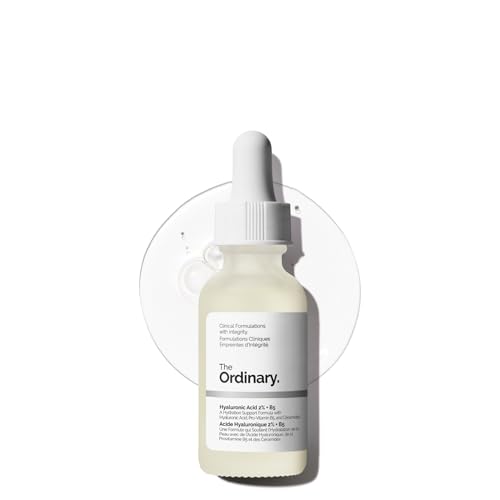
The Ordinary Hyaluronic Acid 2% + B5 (with Ceramides), Multi-Depth Hydration Serum for Plumper, Smoother Skin, 1 Fl Oz
INSTANT HYDRATION: Provides immediate, long-lasting hydration for smoother, plumper, and healthier-looking skin.
As an affiliate, we earn on qualifying purchases.
As an affiliate, we earn on qualifying purchases.
Conclusion
Just like Icarus flew too close to the sun, you might be overestimating your moisturizer’s power. Remember, hydration isn’t just about slapping on lotion; it’s about understanding your skin’s true needs. If your skin still feels dry, it’s time to look beyond the surface and address underlying issues. With patience and the right care, you’ll find that radiant, supple skin isn’t just a myth—it’s within your reach, waiting to be uncovered.

THAYERS Milky Hydrating Face Toner with Snow Mushroom Tremella, Hyaluronic Acid and Elderflower, Dermatologist Recommended Gentle Alcohol Free Skincare for Dry & Sensitive Skin, Paraben Free, 3 Fl Oz
Milky Hydrating Toner: This facial toner delivers 48 hours of moisture leaving skin feeling soft, cushioned and hydrated….
As an affiliate, we earn on qualifying purchases.
As an affiliate, we earn on qualifying purchases.

Dr.Jart+ Ceramidin Skin Barrier Moisturizing Korean Face Mask with Ceramide NP and Panthenol | Sheet Mask | Beauty Gifts for Women | Korean Skin Care | Travel Size, 1 Pack
What’s in it: Korean sheet mask with Ceramide NP to strengthen the skin barrier. Panthenol to moisturize, reinforce…
As an affiliate, we earn on qualifying purchases.
As an affiliate, we earn on qualifying purchases.