
Aromatherapy is a popular way to help improve sleep, but scientific evidence shows its effects are modest and vary from person to person. Scents like lavender, chamomile, and bergamot may promote relaxation, but results depend on individual preferences and placebo responses. It’s safe when used properly, but it shouldn’t replace other sleep practices or medical advice. To learn more about how to use aromatherapy effectively and safely, keep exploring.
Key Takeaways
- Scientific evidence on aromatherapy’s effectiveness for sleep is mixed, with some studies showing modest benefits mainly due to placebo effects.
- Lavender oil is the most studied, with some research indicating it can improve sleep quality, but results vary among individuals.
- Aromatherapy should be viewed as a complementary approach, not a guaranteed solution, and individual scent preferences influence outcomes.
- The effects of essential oils depend on proper usage, quality, and safety practices; they are not substitutes for medical treatment.
- Overall, current evidence suggests aromatherapy may support relaxation and sleep for some, but more rigorous research is needed for definitive conclusions.
Lavender essential oil for sleep
As an affiliate, we earn on qualifying purchases.
As an affiliate, we earn on qualifying purchases.
What Is Aromatherapy and How Can It Help You Sleep?
Aromatherapy is a holistic practice that uses essential oils from plants to promote relaxation and well-being. Many people have aromatherapy misconceptions, thinking it’s just about pleasant smells or superficial relaxation. In reality, this practice has deep cultural significance across various societies, where essential oils have been used for centuries in religious rituals, healing, and daily life. Understanding its origins helps you see why aromatherapy can be more than just a scent; it’s rooted in tradition and holistic health. While some skeptics dismiss it as mere scent therapy, many find that proper use of essential oils can support your sleep and reduce stress. Recognizing its cultural importance can deepen your appreciation and open you to experiencing its potential benefits.

InnoGear 400ml Aromatherapy Essential Oil Diffuser 10 Oils Gift Set, Dark
- Proper Refill Instructions: Use measuring cup, keep water below MAX line
- Refilling Precautions: Power off before refilling, drain from drain side
- Multiple Timer Settings: 4 timers: Continuous, 1H, 3H, 6H
As an affiliate, we earn on qualifying purchases.
As an affiliate, we earn on qualifying purchases.
Popular Essential Oils for Sleep and How They Work
Many people turn to specific essential oils to help improve their sleep quality, drawn by their calming properties and natural origins. Popular choices include lavender, chamomile, and ylang-ylang, known for promoting relaxation and reducing anxiety. To maximize their benefits, you might experiment with essential oil blending, combining different scents to enhance their sleep-inducing effects. Additionally, understanding aromatherapy safety is crucial for ensuring a positive and effective experience. Proper knowledge of safe usage practices can help prevent adverse reactions and ensure effective treatment. Being informed about aromatherapy safety guidelines can help prevent adverse reactions and maximize therapeutic benefits. Furthermore, consulting with certified aromatherapists can provide personalized guidance tailored to your specific needs, ensuring safe and effective use of essential oils. These oils work by influencing your limbic system, the part of your brain involved in emotions and stress response, helping create a more peaceful state conducive to sleep. Being informed about aromatherapy safety guidelines can help prevent adverse reactions and maximize therapeutic benefits.
calming essential oil blends for sleep
As an affiliate, we earn on qualifying purchases.
As an affiliate, we earn on qualifying purchases.
What Scientific Research Says About Lavender and Sleep
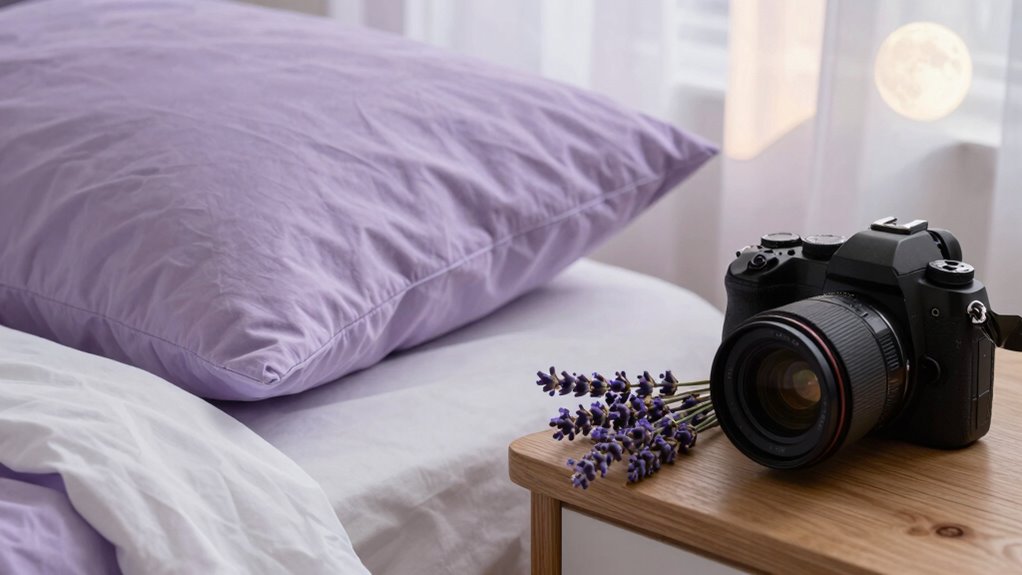
Scientific studies have shown that lavender aroma can considerably improve sleep quality. However, many aromatherapy misconceptions exist, especially around its effectiveness. Some research suggests that the benefits may largely result from placebo effects rather than the aroma itself. While some experiments report better sleep outcomes with lavender exposure, others find minimal differences compared to controls. It’s important to recognize that individual responses vary, and expectations can influence results. The scientific community remains cautious, noting that current evidence isn’t strong enough to confirm lavender as a proven sleep aid. You should view lavender as a complementary approach rather than a guaranteed solution. Understanding these nuances helps you make informed decisions and avoid overestimating its potential based solely on anecdotal claims. Additionally, considering the air quality in your environment can influence the overall effectiveness of aromatherapy for sleep. Improving overall indoor air quality may enhance the potential benefits of aromatherapy and contribute to better sleep outcomes. Moreover, personal preferences and sensitivities play a significant role in how effective aromatherapy can be for each individual. Furthermore, ongoing research continues to explore how individual differences impact the effectiveness of aromatherapy interventions.
certified aromatherapy essential oils
As an affiliate, we earn on qualifying purchases.
As an affiliate, we earn on qualifying purchases.
Does Chamomile Improve Sleep Quality? The Evidence
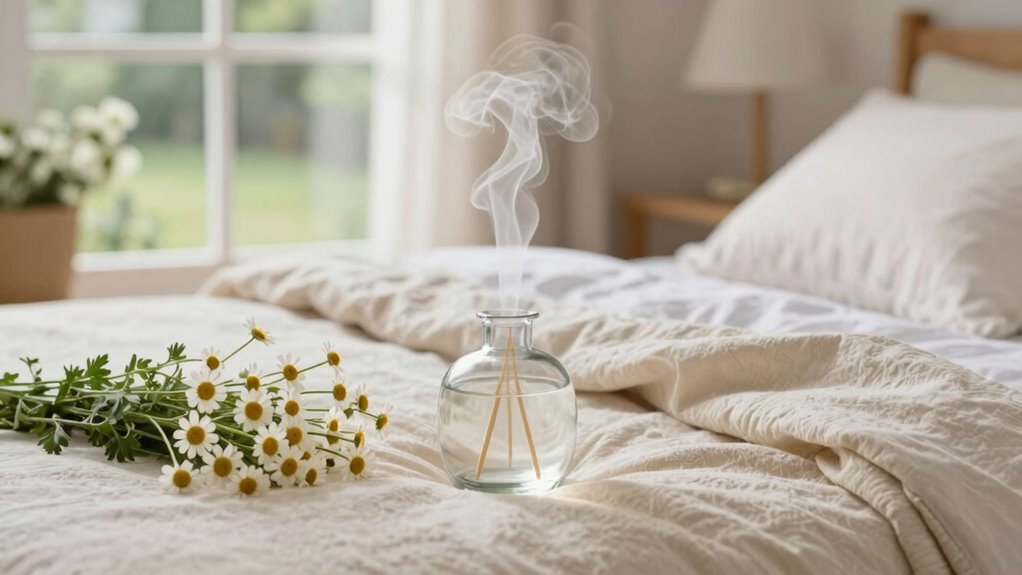
You might wonder if chamomile truly boosts sleep quality, and the evidence suggests it does contain active compounds like apigenin that promote relaxation. Clinical studies offer mixed results, but many people report better sleep after using chamomile-based remedies. To get the best results, try simple methods like chamomile tea or essential oil diffusers, following practical usage tips. Additionally, chamomile’s soothing properties are supported by its reputation for calming irritated skin and reducing stress, which can indirectly contribute to improved sleep relaxation benefits. Research also indicates that chamomile’s bioactive compounds may play a role in enhancing sleep quality by influencing neurotransmitter activity. Moreover, its aromatic properties can help create a calming environment conducive to restful sleep. Furthermore, the presence of antioxidants in chamomile may support overall health, potentially contributing to better sleep patterns. The natural composition of chamomile makes it a gentle option for those seeking a holistic approach to sleep improvement.
Chamomile’s Active Compounds
Chamomile contains several active compounds that may contribute to its sleep-promoting effects. These include a variety of essential oils and phytochemicals that can influence relaxation and sleep quality. When you breathe in chamomile’s essential oils, you might notice a calming aroma that helps ease your mind. Its active compounds include:
- Apigenin, which binds to brain receptors promoting relaxation
- Flavonoids that reduce inflammation and anxiety
- Terpenes that may have sedative properties
- Volatile oils contributing to mood stabilization
- Antioxidants that support overall nervous system health. Additionally, the chemical composition of chamomile plays a crucial role in its effectiveness as a natural sleep aid, as understanding its phytochemical profile can help explain its calming benefits. The bioactive compounds found in chamomile are thought to work synergistically to promote restful sleep. Moreover, research into its essential oil constituents has shown promising results in sleep enhancement studies. Exploring the sound healing science behind natural remedies like chamomile can also provide insights into their calming effects.
Clinical Study Outcomes
Numerous clinical studies have tested whether chamomile truly enhances sleep quality, providing evidence to support its traditional use. While some research shows modest benefits, these findings often face aromatherapy misconceptions, such as overestimating scent therapy’s effects. Many studies struggle with limitations like small sample sizes, placebo effects, or subjective sleep assessments, making it hard to draw definitive conclusions. Some trials report improvements in sleep quality with chamomile extracts or aroma inhalation, but others find no significant difference compared to controls. These mixed results highlight scent therapy limitations, emphasizing that not all essential oils or herbal infusions produce consistent, measurable benefits. Overall, current evidence suggests chamomile may help some individuals, but it’s not a guaranteed or universally effective sleep aid.
Practical Usage Tips
While the scientific evidence on chamomile’s effectiveness for improving sleep remains mixed, incorporating it into your bedtime routine can still be worthwhile. To maximize its benefits, consider creating a calming sleep environment by using essential oil blends that include chamomile. You might:
- Diffuse chamomile essential oil as you wind down
- Add a few drops to a warm bath for relaxation
- Incorporate chamomile-scented pillow sprays
- Combine chamomile with lavender in a soothing blend
- Keep a small diffuser on your bedside table
Additionally, understanding the symbolic significance of chamomile can deepen your appreciation of its calming properties. Recognizing its reputation within the gold IRA markets can also enhance your confidence in its natural benefits. Exploring the natural origins of chamomile can further emphasize its role in holistic wellness. Learning about the traditional uses of chamomile can help you appreciate its longstanding role in herbal medicine. These simple steps can help reinforce a peaceful sleep environment, making it easier to unwind. Remember, consistency matters—regular use may enhance your sleep quality over time, even if scientific results are mixed.
Are Bergamot or Ylang-Ylang Oils Effective for Sleep?
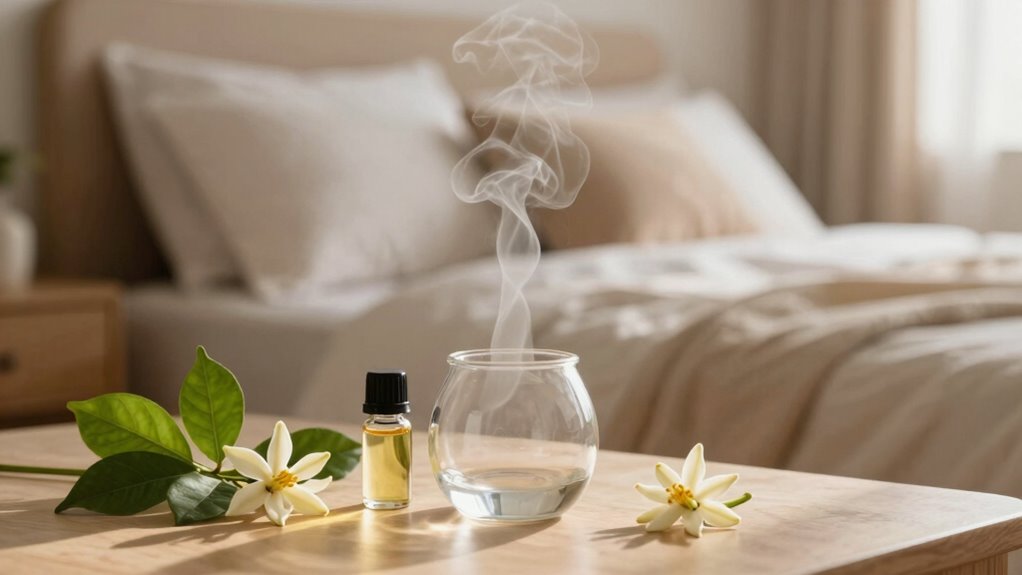
Bergamot oil is known for its calming effects that may help reduce stress and promote relaxation before bed. Ylang-ylang is often used for its potential to improve sleep quality through its soothing scent. Let’s review the scientific evidence to see how effective these oils truly are for sleep.
Bergamot’s Relaxation Effects
Bergamot essential oil is renowned for its calming aroma and potential to promote relaxation before sleep. Its soothing scent can help reduce stress and lift your mood, making it easier to unwind after a long day. When you breathe in bergamot, you might imagine:
- A gentle citrus breeze on a peaceful morning
- Soft waves lapping against a quiet shore
- A cozy, warm blanket wrapping you in comfort
- Sunlight filtering through a citrus grove
- A tranquil garden filled with blooming flowers
These imagery cues embody bergamot’s stress relief and mood enhancement qualities. This oil’s calming effects can ease tension, promote mental clarity, and prepare your mind for restful sleep. Its natural aroma creates a serene environment, helping you relax deeply.
Ylang-Ylang’s Sleep Benefits
Ylang-ylang essential oil is valued for its sweet, floral aroma that can promote relaxation and enhance sleep quality. Many aromatherapy enthusiasts use it in essential oil blending to create calming scents before bed. However, evidence supporting its sleep benefits remains limited. If you’re considering using ylang-ylang for sleep, ensure your aromatherapy certification is from a reputable source, so you know you’re using high-quality oils safely. While some find ylang-ylang helpful for reducing stress, its direct impact on sleep isn’t conclusively established. Combining ylang-ylang with other calming oils might improve its effectiveness, but more research is needed. Remember, understanding the proper use and blending techniques is essential for maximizing its potential benefits for relaxation and sleep.
Scientific Evidence Summary
While some studies suggest that bergamot and ylang-ylang oils may promote relaxation, the scientific evidence supporting their effectiveness for sleep enhancement remains limited and inconclusive. Research often involves small sample sizes or lacks rigorous controls, making it hard to draw definitive conclusions. You might imagine:
- A calming citrus scent wafting through your room
- Fragrant ylang-ylang flowers resting on your bedside table
- Gentle diffusion filling your space with relaxing aroma therapy
- Soft, floral notes easing your mind before bed
- A subtle, soothing aroma helping you unwind
Despite these sensory images, current research doesn’t firmly establish that these oils reliably improve sleep quality. While they may help create a calming environment, more robust studies are needed to confirm their true effectiveness for sleep enhancement.
How Do Diffusers, Sprays, and Topicals Work for Aromatherapy?
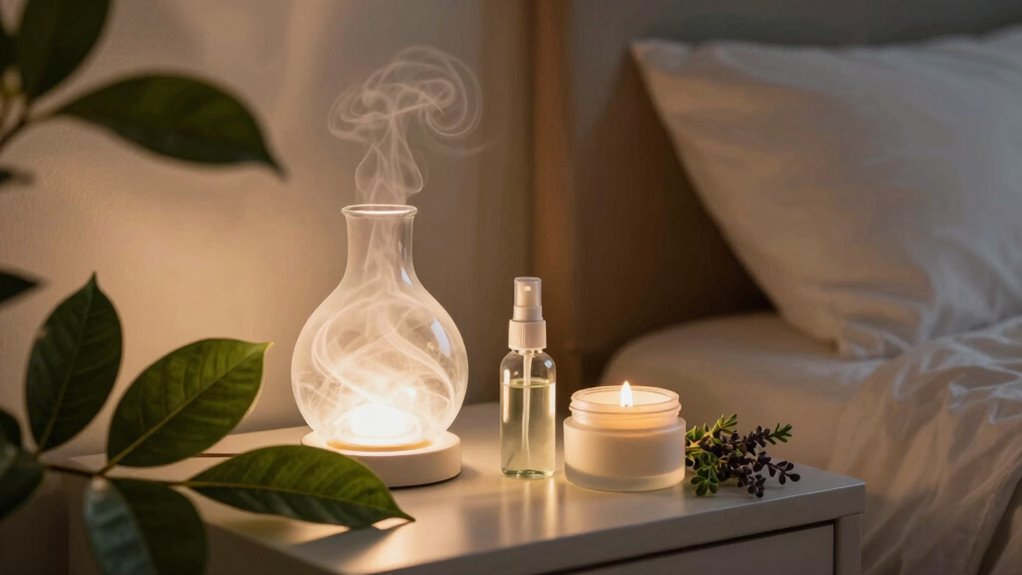
Diffusers, sprays, and topicals deliver essential oils directly to your senses or skin, allowing their aroma and properties to take effect. When using a diffuser, regular diffuser maintenance guarantees ideal scent dispersion and longevity. Many people purchase high-quality oils from aromatherapy retail stores to ensure purity and effectiveness. Sprays disperse essential oils into the air quickly, creating a calming environment, while topicals are absorbed through your skin, delivering oils directly into your bloodstream. The aroma stimulates your olfactory system, which can influence your mood and relaxation levels. Each method targets different sensory pathways, enhancing the potential benefits of aromatherapy. By choosing the right delivery method and maintaining your diffuser properly, you maximize the therapeutic impact of essential oils for sleep.
What Do Clinical Studies Reveal About Aromatherapy and Sleep?
Recent clinical studies show that aromatherapy can positively influence sleep quality, but results vary depending on the essential oils used and individual response. Some participants report deep relaxation, while others see little effect, often influenced by the placebo effect or aroma perception. Studies highlight that:
Aromatherapy may improve sleep, but effects vary by individual and scent perception.
- Pleasant scents can trigger calming memories, easing anxiety.
- Certain oils like lavender are linked to improved sleep onset.
- Response varies based on personal scent associations.
- Expect some participants to experience no benefit.
- The placebo effect can amplify perceived improvements.
While evidence suggests potential benefits, individual differences and psychological factors play a significant role. It’s important to recognize that the way you perceive aroma and your expectations may influence outcomes more than the oils alone.
Is Aromatherapy Safe? Risks and Limitations to Know
While aromatherapy can be beneficial, it’s important to be aware of potential risks. You might experience allergic reactions or run into issues with the quality and purity of essential oils. Remember, aromatherapy isn’t a cure-all and should be used safely alongside other sleep strategies.
Potential Allergic Reactions
Although aromatherapy is generally considered safe, some individuals may experience allergic reactions to certain essential oils. These reactions can vary from mild to severe and are often due to essential oil sensitivities. You might notice symptoms such as:
- Itchy, red, or swollen skin where oils contact your skin
- Sneezing or nasal congestion from inhalation
- Watery or itchy eyes during use
- Respiratory discomfort or wheezing
- Headaches or dizziness after exposure
If you have sensitive skin or known allergies, it’s vital to test a small patch before full use. Always dilute essential oils properly and consult a healthcare professional if you experience adverse reactions. Being aware of these potential allergic responses helps you use aromatherapy safely and effectively.
Quality and Purity Concerns
Since the effectiveness and safety of aromatherapy heavily depend on the quality and purity of essential oils, it is vital to choose products carefully. Poor ingredient sourcing can lead to contaminated or diluted oils that may be ineffective or even harmful. Look for brands that adhere to strict purity standards, ensuring their oils are free from synthetic additives, pesticides, and fillers. Reputable suppliers often provide transparency about their sourcing practices and testing procedures. High-quality essential oils are typically steam-distilled or cold-pressed, preserving their natural properties. By prioritizing purity and trusted ingredient sourcing, you reduce the risk of adverse reactions and maximize the potential benefits of aromatherapy for sleep. Always research brands and opt for certified or well-reviewed products.
Not a Cure-All
Aromatherapy can support relaxation and sleep, but it’s important to remember that it isn’t a cure-all. Its effects often rely on the placebo effect and your scent preferences, meaning what works for one person may not for another. While some find lavender calming, others might dislike its scent or find no benefit at all. Be cautious of overestimating its safety, as essential oils can cause skin irritation or allergic reactions if not used properly. Remember, aromatherapy is a complementary approach, not a substitute for medical treatment. Visualize yourself:
- Breathing in soothing scents during a calming routine
- Relying on personal scent preferences to enhance relaxation
- Experiencing a placebo boost when expecting positive effects
- Avoiding strong or irritating oils
- Using aromatherapy alongside other sleep strategies for best results
Tips for Using Aromatherapy Safely and Effectively
To use aromatherapy safely and effectively, start by choosing high-quality, pure essential oils from reputable sources. This guarantees you’re getting therapeutic-grade oils without contaminants. Avoid falling for aromatherapy myths that suggest more is better; dilute essential oils appropriately and follow recommended dosages. When blending oils, combine complementary scents to enhance relaxation without overpowering your senses. Always perform a patch test to check for sensitivities. Store oils in a cool, dark place to preserve quality. Here’s a quick guide:
| Tip | Explanation |
|---|---|
| Essential oil blending | Combine scents thoughtfully to promote sleep |
| Aromatherapy myths | Debunk false claims for safe use |
| Purchase quality oils | Ensure purity and safety |
Should You Rely Solely on Aromatherapy or Combine Sleep Strategies?
Relying solely on aromatherapy might not be enough to improve your sleep consistently. While scents like lavender can promote relaxation, the placebo effect and individual preference play significant roles. Combining aromatherapy with other sleep strategies enhances your chances of restful nights. Imagine:
- Creating a calming bedtime routine with dim lights and gentle music
- Maintaining a consistent sleep schedule
- Avoiding screens before bed
- Practicing relaxation techniques like deep breathing
- Ensuring your sleep environment is cool and dark
These strategies work together, addressing different aspects of sleep hygiene. Relying only on aromatherapy may yield limited results, especially if your preferences or expectations influence the placebo effect. For the best outcome, tailor your approach, blending aromatherapy with proven habits.
Frequently Asked Questions
Can Aromatherapy Replace Traditional Sleep Treatments?
Aromatherapy can’t fully replace traditional sleep treatments, but it can be a helpful alternative therapy. You might find it improves relaxation and sleep quality, though some benefits may result from placebo effects. Always consult a healthcare professional before relying solely on aromatherapy, especially if you have underlying health issues. Combining it with proven treatments can enhance your overall sleep strategy without dismissing the importance of evidence-based approaches.
How Long Does It Take for Aromatherapy to Improve Sleep?
Like the first light of dawn breaking through darkness, you might notice some improvements in sleep quality after diffusing essential oils for about 30 minutes to an hour. Consistent diffusion duration can gradually enhance your sleep, but results vary. You may feel calmer and fall asleep faster within a few nights, though for others, it might take a week or more. Patience and regular use are key to seeing meaningful sleep quality improvements.
Are There Any Allergies Associated With Specific Essential Oils?
Yes, some essential oils can cause allergies or respiratory reactions. You might experience symptoms like sneezing, coughing, or skin irritation if you’re sensitive. To avoid issues, do a patch test before using a new oil and guarantee good ventilation during use. If you notice any allergic reactions or breathing problems, stop using the oil immediately and consult a healthcare professional. Always be cautious with essential oils if you have allergies.
What Is the Best Way to Store Essential Oils for Sleep Benefits?
To guarantee ideal storage and preserve your essential oils’ sleep benefits, keep them in a cool, dark place away from direct sunlight and heat. Use airtight, dark glass bottles to prevent oxidation and evaporation. Store them upright to avoid leakage and degradation. Avoid storing near windows or in humid environments. Proper storage maintains their potency, ensuring you get the most out of your essential oils for restful sleep.
Can Aromatherapy Be Used Safely During Pregnancy or Breastfeeding?
You can use aromatherapy safely during pregnancy or breastfeeding, but you should always check pregnancy safety guidelines for each essential oil. Some oils, like peppermint and eucalyptus, may not be safe, so avoid them unless your healthcare provider approves. Always dilute essential oils properly and consider breastfeeding considerations. Consult your doctor before starting any new aromatherapy routine to guarantee it’s safe for you and your baby.
Conclusion
While aromatherapy shows promise, it’s not a magic fix—only about 20% of users report significant sleep improvements. Always use essential oils safely, and consider combining aromatherapy with good sleep habits for better results. Remember, individual responses vary, so stay patient. If sleep issues persist, consult a healthcare professional. Incorporating these natural scents could be a calming addition to your routine, but don’t rely on them alone for restful nights.