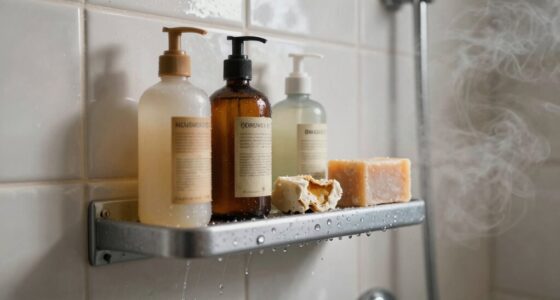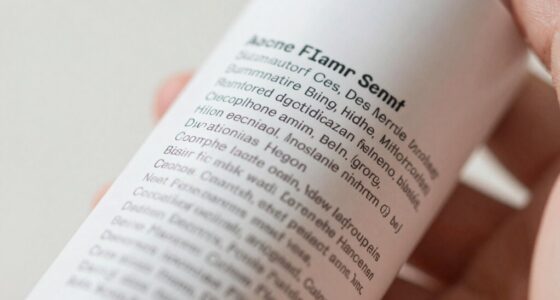
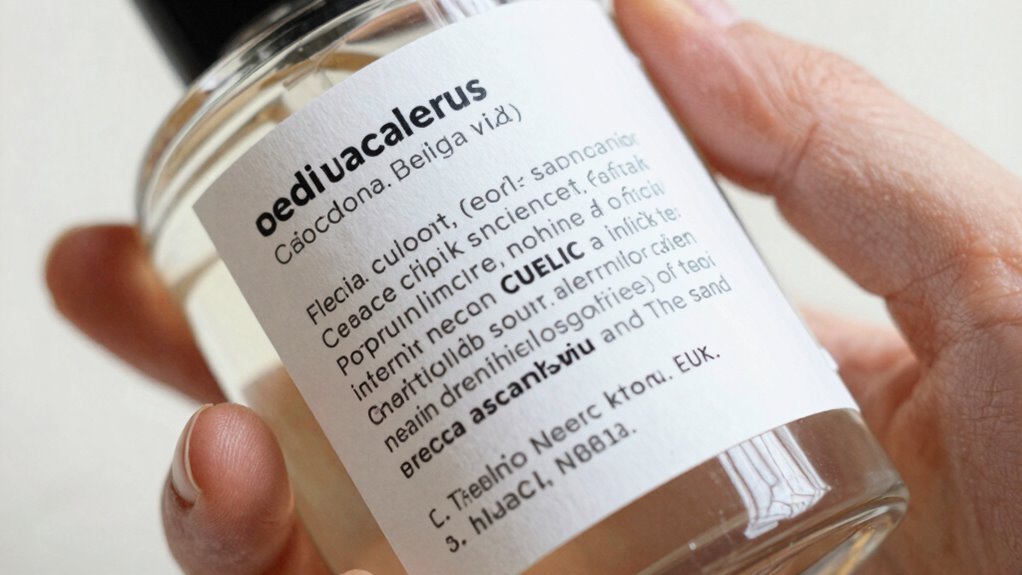
To avoid panic when checking fragrance allergen labels, focus on the ingredients list and look for common terms like “fragrance,” “parfum,” or specific essential oil names. Remember, labels can hide many chemicals, so research any unfamiliar botanical names or ingredients. Pay attention to warning statements and understand that regulations vary, so labels might not be detailed. Keep calm—there’s more to learn about understanding these labels to help you stay safe.

Turn your quiet moments into listening time
- Thousands of audiobooks, podcasts and originals
- Listen on your phone, tablet or Echo — also offline
- Cancel anytime
Key Takeaways
- Look for specific essential oils or botanical names to identify potential allergens.
- Recognize that “fragrance” or “parfum” may conceal multiple undisclosed chemicals.
- Check for warning statements or disclaimers indicating potential sensitivities.
- Use online resources to research common fragrance allergens and their effects.
- Remember that labels vary; rely on reputable brands and seek professional advice if unsure.
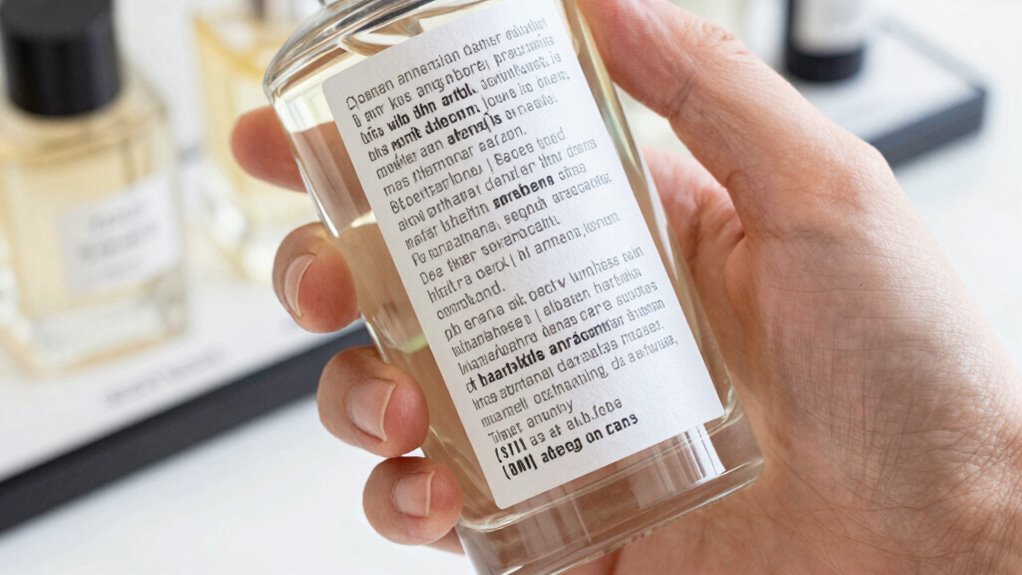
Have you ever looked at a fragrance label and felt overwhelmed by the long list of ingredients? It’s common to feel anxious when reading labels, especially if you have chemical sensitivities or allergies. The good news is, you can learn to navigate these labels with confidence. Start by understanding that many fragrances contain essential oil blends, which are natural extracts used to create appealing scents. While these blends can be soothing and pleasant, they also pose risks for those with sensitivities. Recognizing that essential oils are often listed by their botanical names on labels can help you identify potential triggers, but companies don’t always specify individual oils, which can be frustrating.
Understanding botanical names helps identify potential fragrance sensitivities and navigate ingredient lists confidently.
When you see a list of ingredients, look for the words “fragrance” or “parfum.” These are broad terms that cover a mixture of many chemicals, including essential oil blends. Because of this, labels that only say “fragrance” can be tricky if you’re sensitive. If you’re concerned about chemical sensitivities, you might prefer products labeled “fragrance-free” or “unscented,” but even then, check for disclaimers—some products labeled as unscented still contain masking fragrances or other irritants.
It’s vital to pay attention to the ingredients list and any warning statements on the packaging. Some labels will specify “contains essential oils,” which could help you decide if a product is safe for your skin or respiratory health. Keep in mind that some people react to specific compounds in essential oils, so researching individual oils or consulting with a healthcare professional can be helpful. If you see a long list of chemicals, don’t panic—just take your time to review each ingredient. Use your phone or a magnifying glass if needed to read small print clearly. Additionally, being aware of chemical sensitivities and how they interact with fragrances can empower you to make safer choices. Becoming familiar with fragrance components and their potential effects can further aid in making informed decisions. Educating yourself about essential oil names can also help you identify common triggers and avoid those ingredients more effectively. Remember that labeling standards vary between brands, so understanding these standards can help you interpret labels more accurately.
Knowing about the regulations governing cosmetic labeling can also help you understand what information is required and how to interpret it properly.
As an affiliate, we earn on qualifying purchases.
Frequently Asked Questions
Are Fragrance Allergens the Same in All Countries?
Fragrance allergens aren’t the same across all countries due to regional regulations and label consistency differences. You might see certain allergens listed in one country but not another, which can be confusing. Always check labels carefully, understanding that some regions have stricter rules than others. Staying informed about local regulations helps you identify potential allergens more confidently, ensuring your safety regardless of where you shop or use products.
Can I Trust Allergen Labels on Organic Products?
Trusting allergen labels on organic products is like relying on a lighthouse—it’s a helpful guide, but not foolproof. While natural ingredients are often safer, certification accuracy can vary, so it’s wise to check labels carefully. Look for reputable certifications and detailed ingredient lists. Remember, even organic products can contain allergens, so stay vigilant and know your sensitivities to avoid surprises.
Do Allergen Labels Include All Potential Irritants?
Allergen labels don’t include every potential irritant, especially synthetic compounds and botanical ingredients that might cause reactions. Manufacturers are only required to list known allergens, so some irritants could be hidden. You should pay attention to ingredient lists, especially if you’re sensitive to certain synthetic or plant-based ingredients. Always patch-test new products and research unfamiliar ingredients to minimize the risk of irritation or allergic reactions.
How Often Do Fragrance Allergen Lists Get Updated?
Fragrance allergen lists are updated periodically, usually once a year or whenever new allergens are identified, ensuring label transparency. You might worry about missing recent changes, but brands often update labels promptly to reflect allergen updates. Keep an eye on product packaging and official websites for the latest information. Staying informed helps you avoid irritants and makes reading labels more manageable, giving you confidence in choosing safe, transparent products.
What Should I Do if I React Despite Reading Labels?
If you react despite reading labels, stop using the product immediately and wash the affected area. Seek emotional support from friends, family, or support groups, as allergy management can be stressful. Keep a detailed allergy journal to track reactions and share it with your healthcare provider. Consider carrying an epinephrine auto-injector if prescribed, and always stay updated on your allergy triggers for safer choices in the future.
fragrance-free skincare products
As an affiliate, we earn on qualifying purchases.
As an affiliate, we earn on qualifying purchases.
Conclusion
Think of fragrance labels as a map guiding you through a garden of scents. Each allergen is a hidden flower, some bold and others delicate. By understanding what to look for, you’ll navigate safely, avoiding thorny surprises. Remember, your awareness is the compass that keeps you rooted. With this knowledge, you hold the key to enjoying your fragrant journey—trust yourself, and let your confidence bloom like a well-tended rose in full bloom.
essential oils for sensitive skin
As an affiliate, we earn on qualifying purchases.
As an affiliate, we earn on qualifying purchases.
magnifying glass for ingredient labels
As an affiliate, we earn on qualifying purchases.
As an affiliate, we earn on qualifying purchases.
Halloween Picks
halloween
As an affiliate, we earn on qualifying purchases.