
To prevent dark spots after hair removal, focus on proper aftercare. Keep your skin well-hydrated with gentle moisturizers and protect it by applying broad-spectrum SPF daily, especially during peak hours. Use soothing products like aloe vera and avoid harsh chemicals or excessive sun exposure. Maintaining a consistent skincare routine and consulting a dermatologist if spots persist can help you achieve smooth, even skin. Discover more effective tips to keep your skin flawless afterward.
Key Takeaways
- Keep skin well-hydrated with moisturizers containing hyaluronic acid or glycerin to support healing and reduce irritation.
- Apply broad-spectrum SPF 30+ sunscreen daily and seek shade during peak sun hours to prevent dark spots.
- Use gentle cleansing and soothing treatments like aloe vera immediately after hair removal to minimize redness and inflammation.
- Avoid harsh chemicals and exfoliation post-treatment to prevent skin trauma that can lead to hyperpigmentation.
- Incorporate skincare products with vitamin C, niacinamide, or kojic acid to brighten skin and inhibit melanin production, preventing spots.
What Is Hyperpigmentation and Why Does It Happen After Hair Removal
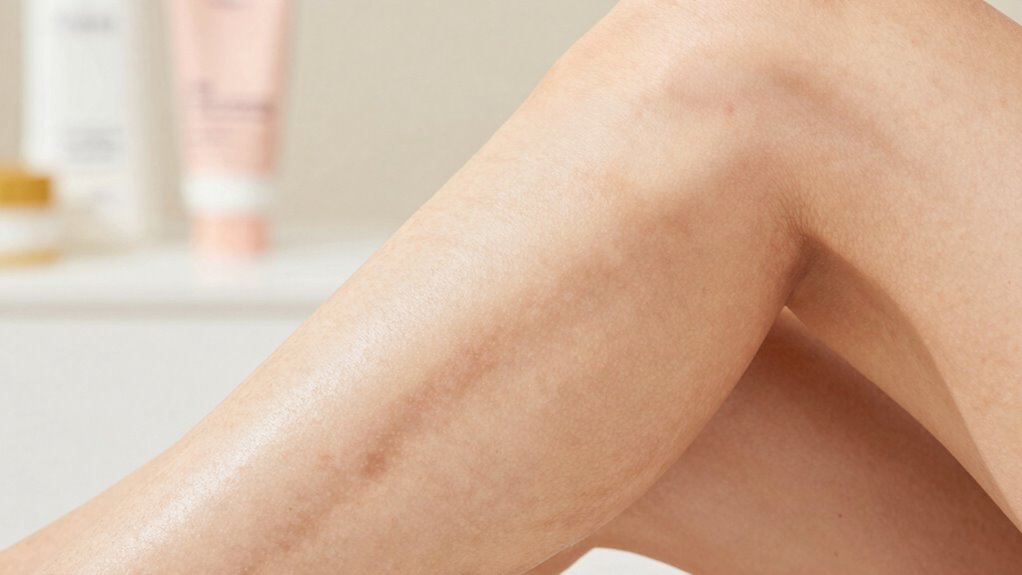
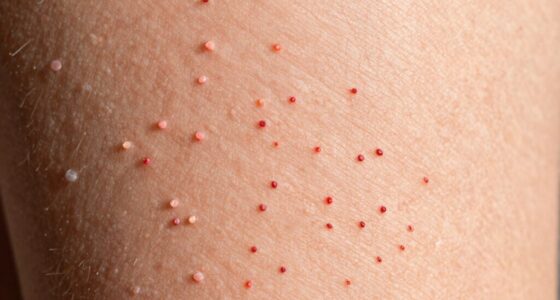
Have you ever noticed dark patches or spots appearing after hair removal? That’s hyperpigmentation, a common reaction where your skin produces excess melanin. It often shows up more prominently depending on your skin tone, especially if you have darker complexions. Your skin’s response can be influenced by your natural skin tone, which determines how noticeable these spots appear. Hair texture also plays a role; coarse or thick hair may cause more irritation during removal, increasing the risk of dark spots. The skin’s response involves increased melanin production to heal or protect itself, leading to discoloration. Understanding these factors helps you recognize why hyperpigmentation occurs and emphasizes the importance of proper aftercare to minimize its appearance. Additionally, adopting gentle skincare routines can help soothe the skin and prevent further discoloration.
What Are the Main Causes of Dark Spots Post-Treatment
Dark spots after hair removal often stem from specific causes related to how your skin reacts during and after treatment. One key factor is your hair color; darker hair contains more pigment, which can increase the risk of pigmentation changes if your skin becomes irritated. Your skin type also plays a role—fair or sensitive skin types are more prone to hyperpigmentation because they react strongly to trauma or heat. Additionally, if you don’t follow proper aftercare, such as avoiding sun exposure or using harsh products, your skin may develop dark spots as a response to inflammation. Understanding these causes helps you recognize why some spots appear post-treatment and underscores the importance of tailored aftercare to minimize pigmentation issues. For example, post-treatment skin response impacts the visibility of subtle pigmentation changes, making it an important factor in assessing post-treatment skin condition. Moreover, skin healing process varies among individuals, influencing how quickly and effectively your skin recovers from treatments. Being aware of your skin type and how it reacts can facilitate better management and preventative measures.
How Can You Prevent Hyperpigmentation: Essential Aftercare Tips
To prevent hyperpigmentation after hair removal, you should keep your skin well-hydrated by moisturizing regularly. It’s also essential to avoid sun exposure, especially during the healing process, to protect your skin from dark spots. Following these simple aftercare tips can help maintain an even skin tone and reduce pigmentation issues. Additionally, using gentle, skin-friendly products can support your skin’s recovery and overall health. Incorporating proper skin care routines can further enhance your skin’s healing and prevent unwanted pigmentation.
Moreover, choosing appropriate hair removal methods that minimize skin trauma can significantly reduce the risk of pigmentation changes.
Keep Skin Hydrated
Staying hydrated is essential for maintaining healthy, resilient skin after hair removal, especially when preventing hyperpigmentation. Proper hydration offers numerous benefits, including improving skin elasticity and reducing irritation that can lead to dark spots. To maximize hydration benefits, choose a moisturizer suited for your skin type—look for ingredients like hyaluronic acid or glycerin that lock in moisture. Regularly applying an appropriate moisturizer helps restore the skin’s barrier, keeping it supple and less prone to discoloration. Remember, well-hydrated skin heals faster and is less likely to develop uneven pigmentation. Consistent hydration not only supports overall skin health but also creates a protective layer that minimizes the risk of hyperpigmentation after hair removal procedures. Incorporating best modern toilet features like efficient flushing and proper maintenance can also prevent skin irritation caused by plumbing issues that may lead to skin infections or discomfort.
Avoid Sun Exposure
Avoiding sun exposure is crucial for preventing hyperpigmentation after hair removal. UV rays can worsen existing spots and trigger new ones. To guarantee sun safety, consider these tips:
- Always apply a broad-spectrum sunscreen with at least SPF 30 before going outside, even on cloudy days.
- Opt for protective clothing, such as wide-brim hats, long sleeves, and sunglasses, to shield your skin effectively.
- Seek shade during peak sunlight hours, typically between 10 a.m. and 4 p.m., when UV radiation is strongest.
- Be aware that photoaging can also accelerate skin discoloration, so consistent sun protection is essential.
- Regular use of sunscreen can help maintain skin health and prevent hyperpigmentation over time.
- Incorporating sensitive skin formulations can further reduce the risk of irritation and uneven pigmentation.
How to Soothe and Protect Your Skin After Hair Removal
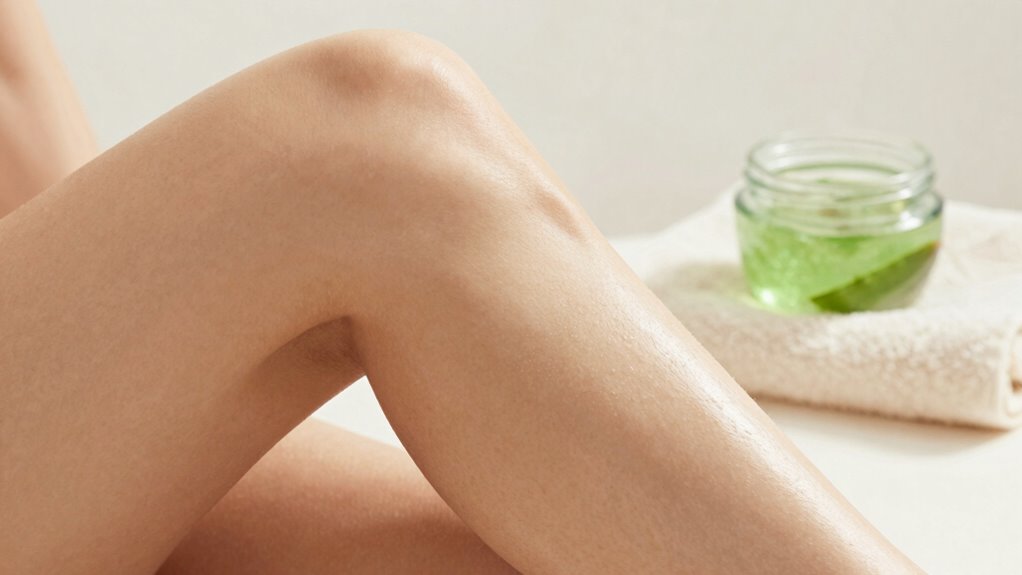
After hair removal, it’s important to soothe your skin gently and protect it from further irritation. Use gentle cleansing techniques to avoid aggravating your skin and apply soothing treatments like aloe or cold compresses. Don’t forget to shield your skin from the sun with proper protection strategies to prevent hyperpigmentation. Additionally, avoid harsh chemicals and opt for products that are gentle on sensitive skin to maintain a healthy healing process. Proper airflow around your skin can also help prevent infection and promote faster recovery. Incorporating skincare routines that prioritize gentle, non-irritating ingredients can further support your skin’s health during recovery. Understanding skin healing processes can empower you to make better choices for your post-hair removal care. Being aware of the impact of water chemistry on sensitive skin can help you select suitable products and avoid irritation. Using products formulated for sensitive skin can also reduce the risk of post-treatment spots and ensure a smoother healing experience.
Gentle Cleansing Techniques
When you’ve just finished hair removal, gentle cleansing is essential to soothe your skin and prevent irritation. Start by choosing a mild, fragrance-free cleanser to avoid further sensitivity. To optimize your skincare routine, consider these steps:
- Use lukewarm water instead of hot, which can strip moisture and worsen irritation.
- Gently pat your skin dry with a soft towel, avoiding harsh rubbing.
- Focus on skincare product selection by opting for calming ingredients like aloe vera or chamomile, which help reduce inflammation and support healing.
- Incorporate proper aftercare techniques to maintain skin health and prevent hyperpigmentation. Using gentle cleansing methods ensures your skin remains calm and less prone to spots.
- Avoid aggressive exfoliation routines immediately after hair removal, as they can exacerbate redness and hyperpigmentation. Proper cleansing not only calms your skin but also prepares it for subsequent soothing treatments and promotes skin recovery for long-term health.
Soothing Skin Treatments
To effectively soothe and protect your skin after hair removal, choose treatments that calm inflammation and reinforce your skin’s barrier. Gentle, cooling products like aloe vera gel or chamomile extracts can reduce redness and soothe irritation. Avoid harsh chemicals and guarantee laser safety if using laser hair removal methods to prevent further damage. Using a fragrance-free moisturizer helps restore hydration and strengthen your skin’s defenses.
| Soothing Treatments | Tips to Remember |
|---|---|
| Aloe vera gel | Apply immediately after hair removal |
| Cold compress | Reduce swelling and redness |
| Hydrating moisturizer | Keep skin barrier strong |
| Calming masks | Use post-treatment for extra relief |
| Avoid irritants | Stick to gentle, soothing products |
Sun Protection Strategies
Protecting your skin from the sun becomes even more important after hair removal treatments, especially as your skin may be more sensitive and prone to irritation or pigmentation. To guarantee proper laser safety and dispel common hair removal myths, follow these strategies: 1. Always apply a broad-spectrum sunscreen with at least SPF 30 before heading outdoors, even on cloudy days. 2. Seek shade during peak sun hours and wear protective clothing like wide-brimmed hats and UV-protective fabrics. 3. Avoid tanning beds and excessive sun exposure, which can worsen hyperpigmentation and increase the risk of spots. Remember, many hair removal myths suggest that sunscreen isn’t necessary after treatments, but safeguarding your skin is essential for healing and avoiding discoloration. Proper sun protection not only enhances your results but also minimizes the risk of long-term skin damage. Additionally, be mindful that skin sensitivity can last several days after treatment, making consistent sun protection even more crucial during this period. Incorporating proper skin care routines that prioritize hydration and gentle products can support your skin’s recovery and reduce the likelihood of post-inflammatory hyperpigmentation. Using sun protection tips consistently can further boost your skin’s resilience and aid in long-term pigmentation prevention.
Best Products and Ingredients to Minimize Dark Spots
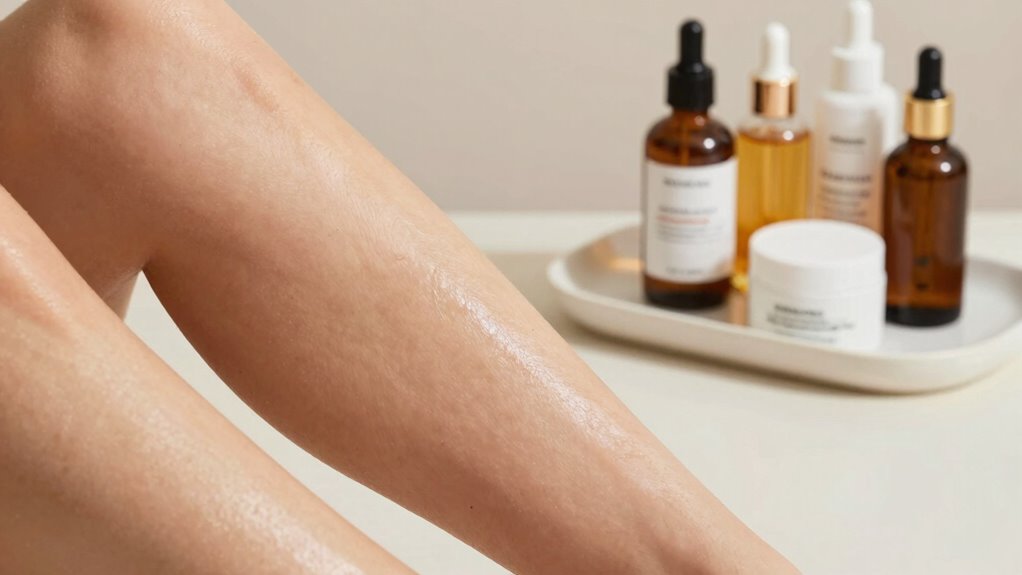
If you’re looking to reduce dark spots caused by hair removal and hyperpigmentation, choosing the right products and ingredients can make a significant difference. Look for topical treatments containing ingredients like vitamin C, niacinamide, and alpha hydroxy acids, which help brighten skin and fade spots. For more advanced options, laser treatments and chemical peels can effectively target stubborn hyperpigmentation, promoting a more even skin tone. Use products with ingredients that inhibit melanin production, such as kojic acid or arbutin, to prevent darkening. Consistency is key—apply these products regularly and follow proper aftercare to see the best results. Combining active ingredients with professional treatments can accelerate your progress in minimizing dark spots after hair removal.
When Should You See a Dermatologist About Persistent Spots
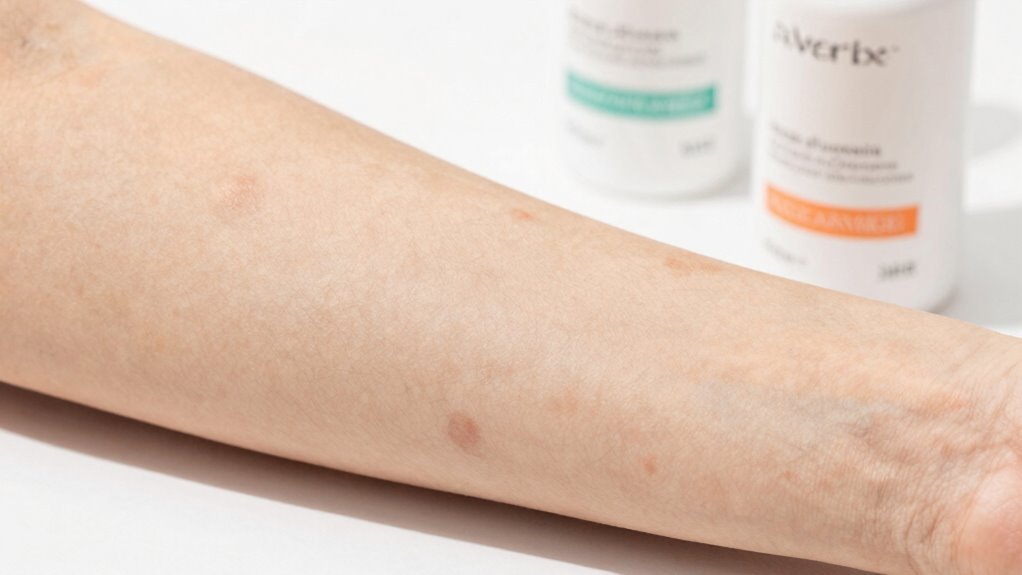
Persistent spots that don’t fade despite consistent at-home treatments warrant a consultation with a dermatologist. If you’ve fallen for hair removal myths that suggest all dark spots will disappear naturally or believe skin pigmentation issues will resolve on their own, it’s time to seek professional advice. You should see a dermatologist if:
- The spots persist for more than a few months, despite proper aftercare.
- They change in size, shape, or color, which could indicate underlying skin conditions.
- You notice new spots appearing or experience discomfort, such as itching or pain.
Long-Term Skin Care Habits for Flawless, Spot-Free Skin
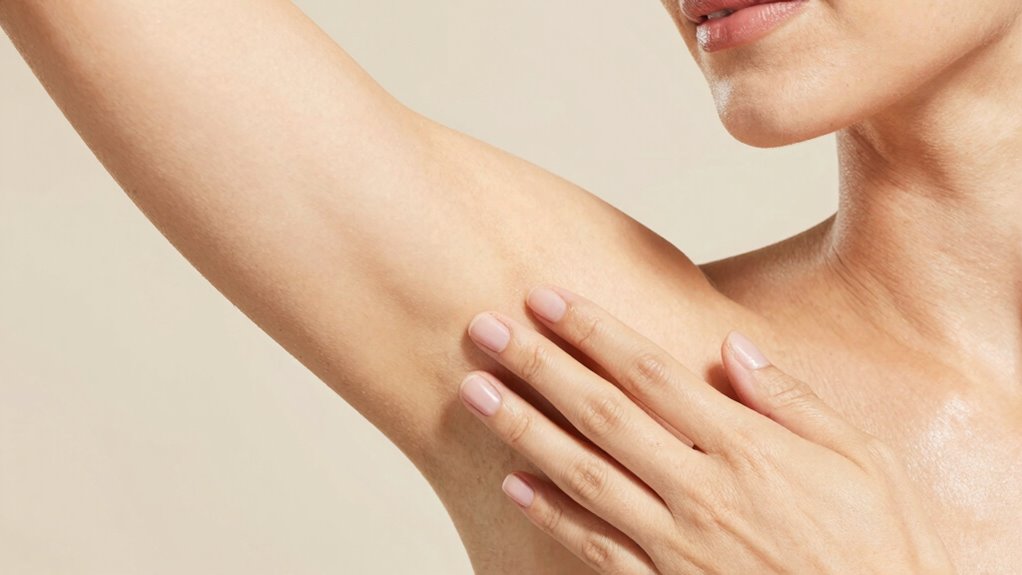
Achieving flawless, spot-free skin requires consistent, long-term habits that support skin health and prevent pigmentation issues. Your skincare routines should include gentle cleansing, regular exfoliation, and moisturizing tailored to your skin type. Use broad-spectrum sunscreen daily to shield your skin from UV damage, which can worsen hyperpigmentation. Incorporate lifestyle habits like staying hydrated, eating a balanced diet rich in antioxidants, and avoiding excessive sun exposure. Avoid picking or scratching skin, as this can lead to scars and spots. Establishing a routine that maintains skin’s natural barrier helps prevent future hyperpigmentation and promotes an even complexion. Over time, these habits become second nature, making flawless, clear skin a sustainable, achievable goal.
Frequently Asked Questions
Can Certain Hair Removal Methods Increase Hyperpigmentation Risk?
Yes, certain hair removal methods like laser treatments and waxing effects can increase hyperpigmentation risk. Laser treatments may cause skin darkening if not done properly or if your skin is sensitive. Waxing can also trigger hyperpigmentation, especially if you have darker skin tones or if you’re exposed to sun afterward. To minimize risks, follow proper aftercare, avoid sun exposure, and consult a professional for suitable methods for your skin type.
Are There Specific Skin Types More Prone to Dark Spots?
You’re more likely to get dark spots if you have sensitive skin or a skin type with pigmentation tendencies. Typically, people with darker skin tones or those prone to hyperpigmentation need extra care because they’re playing with fire if they ignore proper aftercare. To stay ahead of trouble, pay attention to your skin’s response after hair removal, and always choose gentle, soothing products to prevent spots from forming.
How Long Does It Typically Take for Hyperpigmentation to Fade?
Hyperpigmentation usually takes about 6 to 12 months to fade completely, but the fading timeline can vary depending on your skin type and treatment. You can speed up this process by consistently using sunscreen, avoiding picking at spots, and following proper aftercare. Keep in mind, some hyperpigmentation may last longer if you have darker skin, so patience and ongoing care are key for the best results.
Do Natural Remedies Effectively Treat Post-Treatment Dark Spots?
When it comes to post-treatment dark spots, natural remedies can help, but don’t expect miracles overnight. Herbal remedies like aloe vera and turmeric may promote skin lightening and soothe irritation, making them worth a try. Think of it as watering a plant—you need patience and consistency. While effective for some, they’re not a substitute for professional advice, so keep realistic expectations and stay committed to your skincare routine.
What Lifestyle Changes Can Support Healthy Skin After Hair Removal?
You should adopt a consistent skincare routine that includes gentle cleansing and moisturizing to support healthy skin after hair removal. Incorporate antioxidant-rich foods and stay hydrated to boost skin resilience. Avoid excessive sun exposure and use sunscreen diligently. These lifestyle changes, combined with good dietary habits, help prevent hyperpigmentation and spots, ensuring your skin remains smooth, even-toned, and healthy long after your hair removal treatments.
Conclusion
Taking good care of your skin after hair removal can markedly reduce hyperpigmentation. Did you know that up to 30% of people experience dark spots post-treatment? By following proper aftercare, using gentle products, and protecting your skin from the sun, you can keep your skin smooth and even-toned. Don’t wait for spots to become stubborn—prioritize your skin’s health today for flawless, radiant results tomorrow.