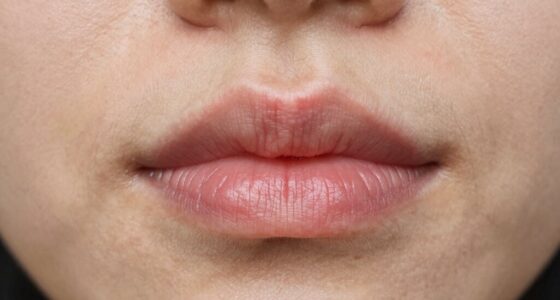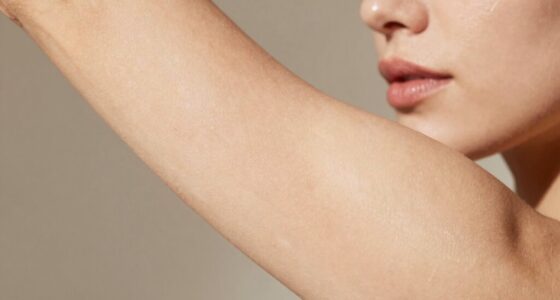
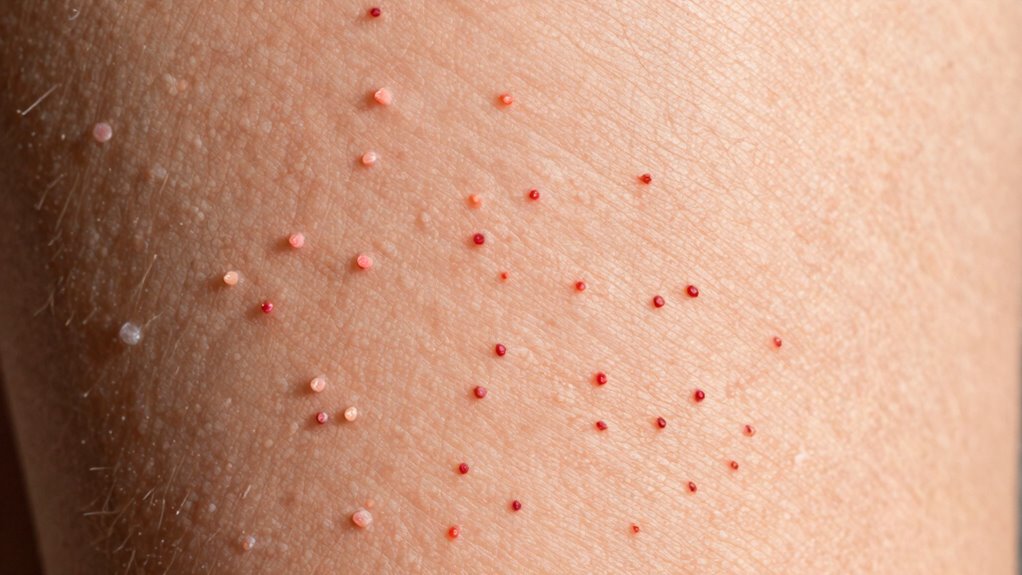

Keratosis pilaris, or “strawberry skin,” happens when excess keratin builds up inside hair follicles, blocking skin pores and causing small, rough bumps. This condition creates an uneven, bumpy texture and can worsen with dry, cold weather. Factors like genetics, skin type, and triggers such as harsh soaps or friction can make it worse. If you want to learn how to manage and improve your skin, discover the effective strategies below.
Key Takeaways
- Keratosis pilaris causes small, rough bumps due to excess keratin blocking hair follicles, giving the skin a “strawberry skin” appearance.
- The condition results from keratin buildup inside follicles, trapping dead skin and oils, leading to bumps and uneven texture.
- Dry skin and cold weather worsen keratosis pilaris, making bumps more noticeable and uncomfortable.
- Genetics and external factors like harsh soaps or friction can increase the likelihood and severity of “strawberry skin.”
- Proper skincare, including gentle exfoliation and moisturizing, helps manage and improve the appearance of keratosis pilaris over time.
What Is Keratosis Pilaris and Why Does It Look Like Strawberry Skin?
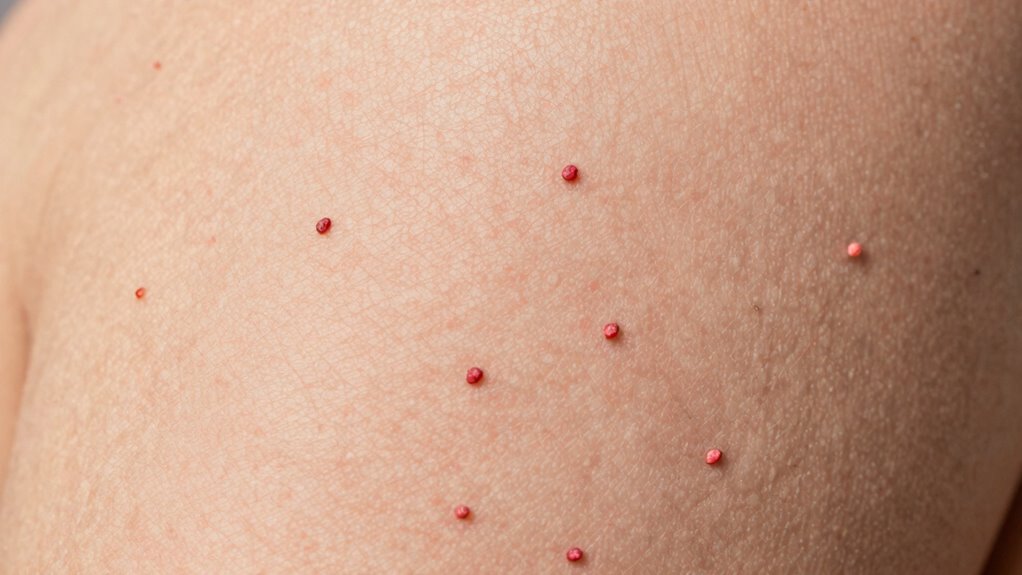
Keratosis pilaris is a common skin condition that causes small, rough bumps to appear on your skin, often resembling tiny pimples. You might hear skincare myths suggesting certain diets or products can completely cure it, but diet influences are minimal. The bumps result from excess keratin blocking hair follicles, leading to the rough, strawberry-like texture. This condition isn’t caused by poor hygiene or allergies, despite misconceptions. It’s a harmless, chronic issue that often worsens in dry, cold weather. While skincare routines can help improve appearance, they don’t eliminate the bumps entirely. Understanding that diet has little effect can help set realistic expectations. Instead, consistent moisturizing and gentle exfoliation are more effective in managing the rough, strawberry skin look. Recognizing that keratin buildup causes the bumps can help guide more targeted skincare strategies. Addressing environmental factors such as humidity levels can also play a role in managing symptoms, since climate effects influence skin dryness. Using the right skincare products designed for keratosis pilaris can further improve skin texture and appearance. Additionally, understanding the role of technology in skin treatment can offer new options for managing persistent cases.
What Causes the Bumps and Rough Texture on My Skin?
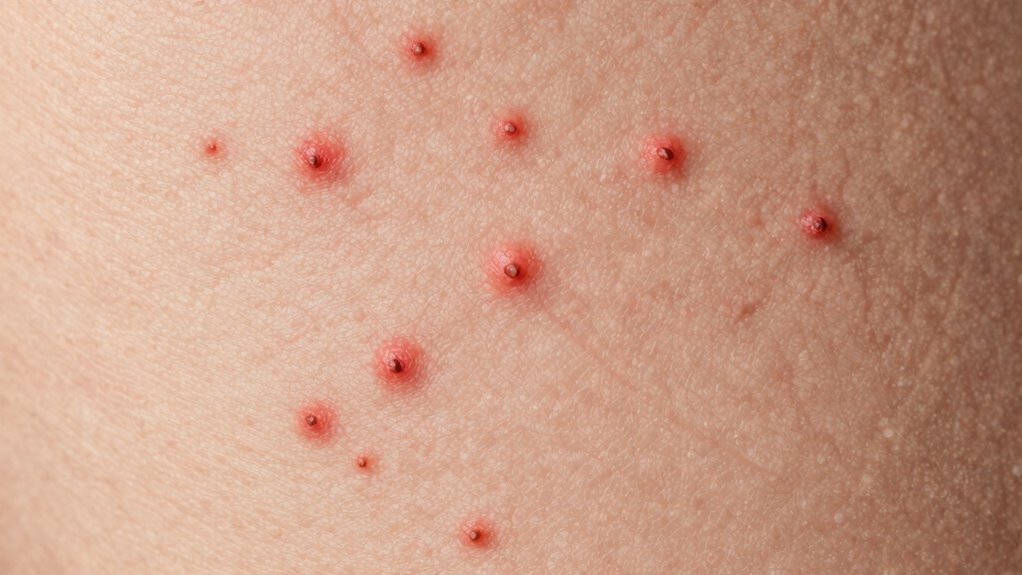
Your skin’s bumps and rough texture often come from excess keratin blocking hair follicles. Dry skin can make these bumps more noticeable and uncomfortable. Understanding how these factors work together can help you find effective ways to manage the condition. Additionally, using gentle skin care routines and avoiding irritants can significantly reduce the appearance of keratosis pilaris.
Excess Keratin Production
Excess keratin production is the main reason behind the bumps and rough texture associated with keratosis pilaris. When your body produces too much keratin, it leads to keratin buildup inside hair follicles. This buildup creates the characteristic small, rough bumps on your skin’s surface. Additionally, excess keratin can cause follicle inflammation, making the bumps more noticeable and sometimes itchy. The overproduction disrupts the normal shedding process, trapping dead skin cells and forming plugs. These plugs are what give your skin that “strawberry” appearance. Understanding this process helps explain why your skin feels rough and bumpy, especially on the arms, thighs, or cheeks. Maintaining proper skincare routines can help manage these effects and improve skin texture.
Hair Follicle Blockage
When keratin builds up inside hair follicles, it creates blockages that trap dead skin cells and oils. This follicle blockage is what causes the small, rough bumps characteristic of keratosis pilaris. The excess keratin, a protein in your skin, clogs the opening of hair follicles, preventing new skin cells from shedding properly. As a result, dead skin accumulates and forms a plug, leading to the bumps and uneven texture you notice. This buildup can happen even if your skin is normally healthy, simply due to how your body produces and manages keratin. The blockage restricts hair growth and causes the skin’s surface to look rough or “strawberry-like.” Managing follicle blockage involves regular exfoliation and moisturizing to help clear the buildup and smooth your skin. Understanding the role of keratin buildup and how it relates to skin cell turnover can help you better comprehend why these bumps form and how to address them effectively.
Dry Skin Factors
Dry skin can markedly contribute to the bumps and rough texture associated with keratosis pilaris because it reduces the skin’s natural ability to shed dead cells and maintain flexibility. When your skin lacks proper hydration, it becomes more prone to dryness and flakiness, which can worsen the keratin buildup that causes the bumps. To improve skin hydration, consider using different moisturizer types such as occlusive creams, humectants, or emollients. Here are four factors that influence dry skin:
- Frequent bathing with hot water
- Using harsh soaps or detergents
- Environmental conditions like cold, dry air
- Not applying moisturizer regularly
Choosing the right moisturizer and maintaining consistent skin hydration can help soften bumps and improve skin texture.
Additionally, incorporating aquatic exercise into your skincare routine can promote circulation and overall skin health.
How Do Genetics and Skin Type Influence Keratosis Pilaris?

Genetics and skin type play significant roles in determining how keratosis pilaris develops and manifests. Your genetic predisposition affects how your skin produces keratin, making you more prone to the condition. If keratin buildup runs in your family, you’re more likely to experience bumps and rough patches. Skin type influence also matters; people with dry or sensitive skin often notice more pronounced keratosis pilaris because their skin struggles to shed dead cells efficiently. Fair skin types may see more noticeable redness, while darker skin tones might have less visible redness but still develop bumps. Overall, your genetics and skin type set the foundation for how severe your symptoms become and how your skin responds to the condition. Understanding how skin health can affect skin structure may help in managing and treating the condition more effectively. Additionally, moisturization plays a crucial role in minimizing symptoms and improving skin appearance. Furthermore, hydration can enhance skin elasticity and support the skin’s natural barrier function, aiding in symptom relief. Recognizing the influence of skin type can help tailor more effective skincare routines for individuals with keratosis pilaris.
What Are Common Triggers That Make Strawberry Skin Worse?
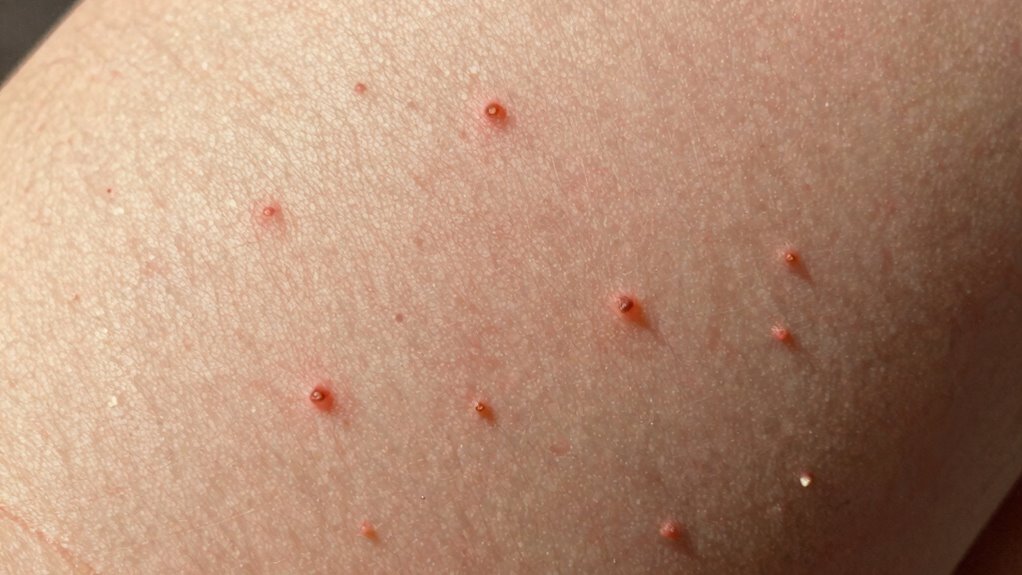
Ever wonder what makes strawberry skin worse? Several factors can intensify keratosis pilaris symptoms. First, seasonal changes often bring dry air and cold weather, which dry out your skin and make bumps more noticeable. Second, hormonal fluctuations, like those during puberty, pregnancy, or menstrual cycles, can increase oil production and inflammation, worsening the condition. Third, harsh soaps or skincare products strip natural oils, irritating your skin further. Fourth, tight clothing or friction from certain fabrics can irritate hair follicles, making bumps more prominent. Being aware of these triggers allows you to adjust your routines and protect your skin better. Additionally, understanding how sound vibrations influence cellular processes may offer future avenues for managing skin conditions. Recent studies suggest that cell signaling pathways play a role in skin inflammation and repair, which could lead to new treatments. Incorporating moisturizing into your skincare routine helps support the skin barrier and reduce flare-ups. Recognizing these triggers can help you develop better strategies to maintain smoother skin and prevent worsening of keratosis pilaris.
How Can I Exfoliate and Smooth My Skin Effectively?
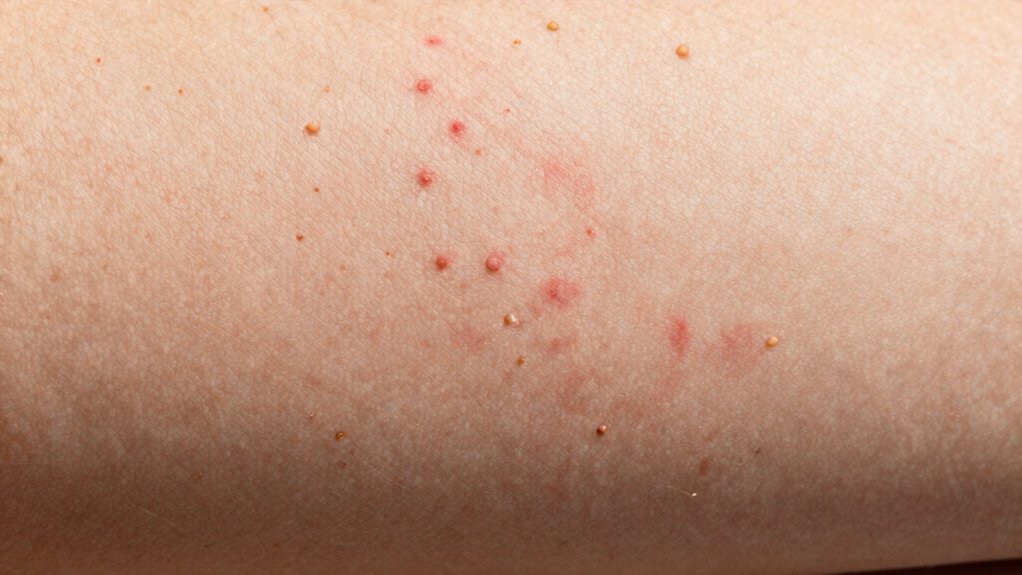
To exfoliate and smooth your skin effectively, choose gentle exfoliants that won’t irritate your skin. Make sure to incorporate a moisturizing routine to keep your skin hydrated and healthy. Remember, don’t over-exfoliate, as this can worsen your condition and cause additional irritation. Incorporating skin health practices into your skincare routine can help reinforce your skin health goals and motivate you to maintain proper habits. Regularly proper skincare routines are essential for managing skin conditions like keratosis pilaris and maintaining overall skin integrity. Additionally, understanding how skin barriers function can help you select products that support your skin’s natural defenses.
Choose Gentle Exfoliants
Choosing gentle exfoliants is essential for managing keratosis pilaris without irritating your skin. You want to avoid harsh scrubs that can worsen irritation. Instead, focus on mild options like gentle scrubs and natural remedies that smooth your skin safely. Here are some tips:
- Use soft, non-abrasive scrubs designed for sensitive skin.
- Opt for chemical exfoliants with ingredients like lactic acid or glycolic acid.
- Incorporate natural remedies such as oatmeal or sugar-based scrubs for gentle exfoliation.
- Limit exfoliation to 2-3 times a week to prevent overdoing it.
- Choosing gentle exfoliants helps maintain skin barrier integrity and reduces the risk of inflammation.
Incorporate Moisturizing Routine
After exfoliating gently, restoring moisture is key to maintaining smooth, healthy skin. Incorporate consistent moisturizing routines to lock in hydration and prevent dryness. Use thick, fragrance-free lotions or creams containing ingredients like ceramides or glycerin, which help strengthen your skin’s barrier. Hydration tips include applying moisturizer immediately after showering or bathing to trap moisture. Reapply throughout the day if your skin feels dry or tight. Avoid harsh, drying products that can strip your skin’s natural oils. Instead, focus on gentle, nourishing products that support your skin’s healing process. Regular use of moisturizing routines can significantly reduce the appearance of strawberry skin. By sticking to a regular moisturizing routine, you’ll keep your skin soft, smooth, and less prone to keratosis pilaris flare-ups. Proper hydration is essential for visible improvements over time.
Avoid Over-Exfoliating
Exfoliating is important for removing dead skin cells and smoothing keratosis pilaris, but overdoing it can damage your skin and worsen irritation. To avoid this, follow these tips for safe exfoliation:
- Limit exfoliation to 2-3 times a week to prevent over-stressing your skin.
- Use gentle, chemical exfoliants like alpha hydroxy acids instead of harsh scrubs.
- Incorporate DIY remedies, such as a mixture of natural oils like coconut or jojoba, to moisturize and soothe your skin.
- Always moisturize thoroughly after exfoliating to lock in hydration and support skin repair.
What Are the Best Moisturizers and Treatments for Keratosis Pilaris?
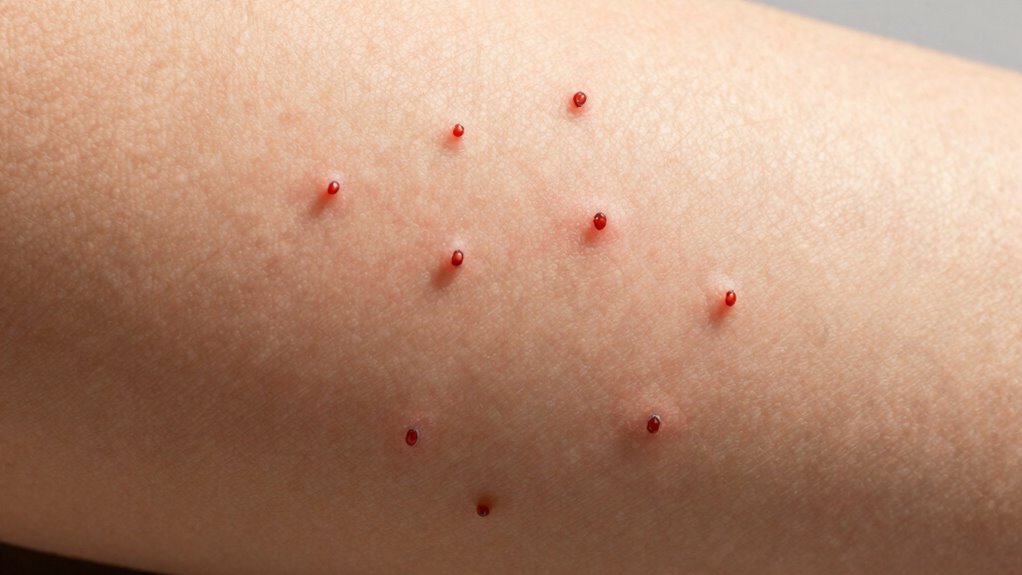
The best moisturizers and treatments for keratosis pilaris focus on softening the skin and reducing the buildup of keratin. Look for products with ingredients like urea, lactic acid, or alpha hydroxy acids, which gently exfoliate and hydrate. Natural remedies, such as coconut oil or aloe vera, can also soothe affected skin. Incorporate lifestyle adjustments like using lukewarm water instead of hot, avoiding harsh soaps, and applying moisturizer immediately after bathing to lock in moisture. Here’s a quick comparison:
| Treatment Type | Benefits |
|---|---|
| Moisturizers with AHA | Exfoliate and hydrate skin |
| Natural remedies | Soothe and reduce irritation |
| Prescription creams | Target keratin buildup |
| Gentle exfoliation | Prevent plug formation |
| Lifestyle adjustments | Improve overall skin health |
Can Keratosis Pilaris Go Away, and How Long Does It Take?
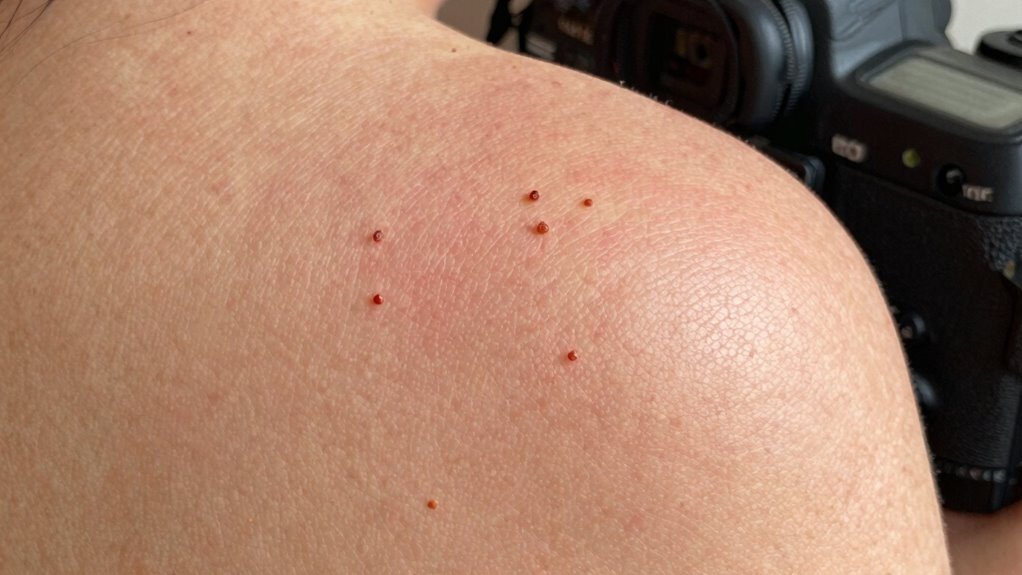
Keratosis pilaris can improve over time, but whether it completely goes away depends on various factors. Your skin care routine and treatment options play a vital role in managing it. Usually, it takes consistent effort before you notice significant changes. Here’s what you should keep in mind:
- Regular exfoliation helps remove dead skin cells and smooth bumps.
- Moisturizing daily with thick creams or lotions can improve skin texture.
- Using topical treatments like keratolytics may speed up improvement.
- Patience is essential; results typically appear after several months of consistent care.
While some people see their strawberry skin fade or disappear, others find it remains but becomes less noticeable. Staying committed to your skin care routine is key.
When Should I See a Dermatologist About My Strawberry Skin?
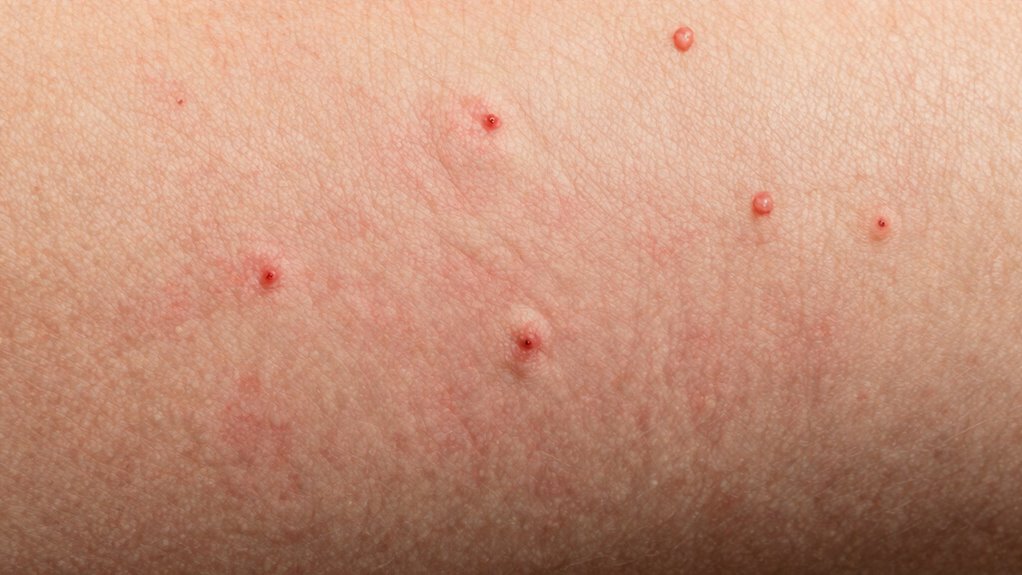
You should consider seeing a dermatologist if your strawberry skin doesn’t improve after several months of consistent skincare, or if it worsens despite your efforts. Proper skin hydration is essential, so if your skin remains dry or rough, professional advice can help identify underlying issues. Additionally, if you notice increased redness, inflammation, or irritation, a dermatologist can recommend targeted treatments. Sun protection is vital because UV exposure can worsen keratosis pilaris symptoms and cause further skin damage. If you’re applying moisturizers and practicing sun safety without seeing noticeable improvements, it’s time to seek expert guidance. A dermatologist can provide personalized treatment options to manage your strawberry skin effectively and prevent potential complications.
Myths and Facts About Managing Keratosis Pilaris
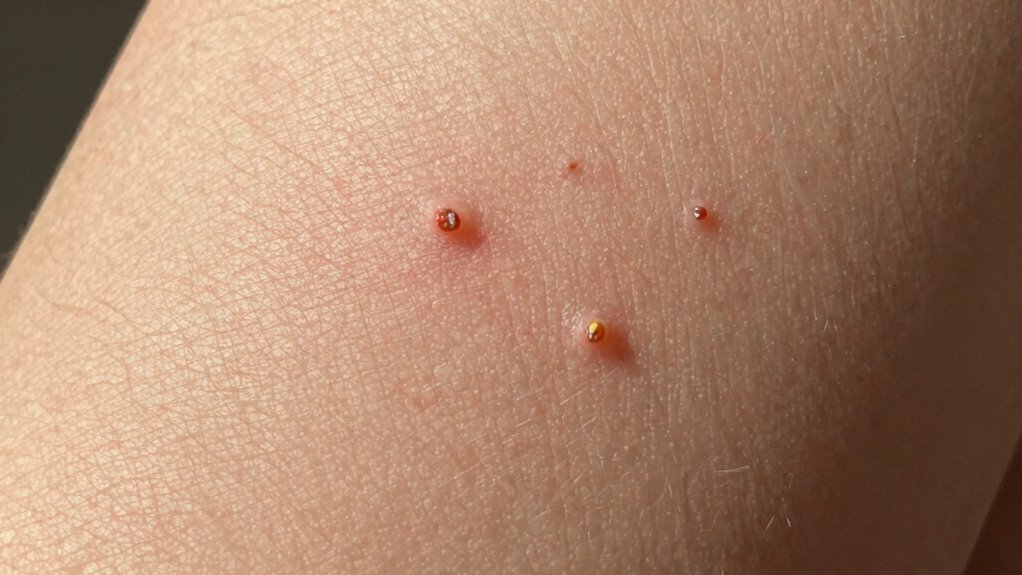
Many myths about managing keratosis pilaris persist, but understanding the facts can help you make better treatment choices. First, some believe that aggressive scrubbing improves skin; in reality, it damages your skin barrier and worsens the condition. Second, while moisturizing helps, it doesn’t eliminate strawberry skin entirely. Third, cosmetic procedures like laser treatments can improve appearance but aren’t cures and should complement proper skincare. Fourth, avoiding all oils or moisturizers isn’t necessary—selecting the right products strengthens your skin barrier and reduces flare-ups. Remember, managing keratosis pilaris involves realistic expectations and consistent care, not quick fixes. Proper skincare, patience, and advice from a dermatologist can help you improve your skin’s texture and appearance over time.
Frequently Asked Questions
Does Keratosis Pilaris Affect All Ages Equally?
You’ll find that keratosis pilaris doesn’t affect all age groups equally. It’s most common in children and adolescents, with prevalence rates decreasing as you get older. Many adults experience milder symptoms or see their condition improve over time. Younger age groups tend to have higher prevalence rates, but anyone at any age can develop it. So, it’s worth paying attention to your skin regardless of your age.
Can Diet Influence the Severity of Strawberry Skin?
They say you are what you eat, and diet influence can impact the severity of strawberry skin. Nutritional impact plays a role by reducing inflammation and improving skin hydration. Eating a balanced diet rich in vitamins A, C, E, and omega-3 fatty acids may help improve your skin’s appearance. While diet isn’t a cure, it can certainly support healthier skin and lessen the visibility of keratosis pilaris.
Are There Any Natural Remedies Proven Effective?
You can try natural treatments like gentle exfoliation with sugar scrubs or using coconut oil to moisturize your skin, which may help reduce the appearance of strawberry skin. Home remedies such as apple cider vinegar or aloe vera gel are popular, but their effectiveness isn’t scientifically proven. Consistency is key, and combining these natural remedies with proper skincare might improve your skin’s texture over time.
How Does Climate Impact Keratosis Pilaris Symptoms?
Climate impacts your keratosis pilaris symptoms by causing humidity fluctuations and seasonal dryness, which can worsen the condition. During dry, winter months, your skin loses moisture, making bumps more noticeable and itchy. Conversely, high humidity in summer can sometimes help soothe your skin. To manage these changes, moisturize regularly and use gentle skincare products, adapting your routine to seasonal dryness for better skin comfort year-round.
Is Keratosis Pilaris Linked to Other Skin Conditions?
Imagine your skin as a delicate tapestry, often linked to other skin conditions through genetic predisposition. Yes, keratosis pilaris is connected to conditions like eczema and dry skin, where skin inflammation causes tiny bumps and rough patches. Your genetic makeup influences this, making your skin more prone to inflammation and irritation. Recognizing these links helps you better manage symptoms and seek targeted treatments for overall skin health.
Conclusion
While keratosis pilaris might feel like an endless battle against stubborn “strawberry skin,” remember it’s a common condition that often improves with proper care. Think of your skin as a garden—you can nurture it with gentle exfoliation, moisturizing, and patience. With consistent effort, you’ll help smooth out those bumps and reveal healthier, happier skin beneath. Keep up your routine, and brighter days for your skin are just around the corner.