
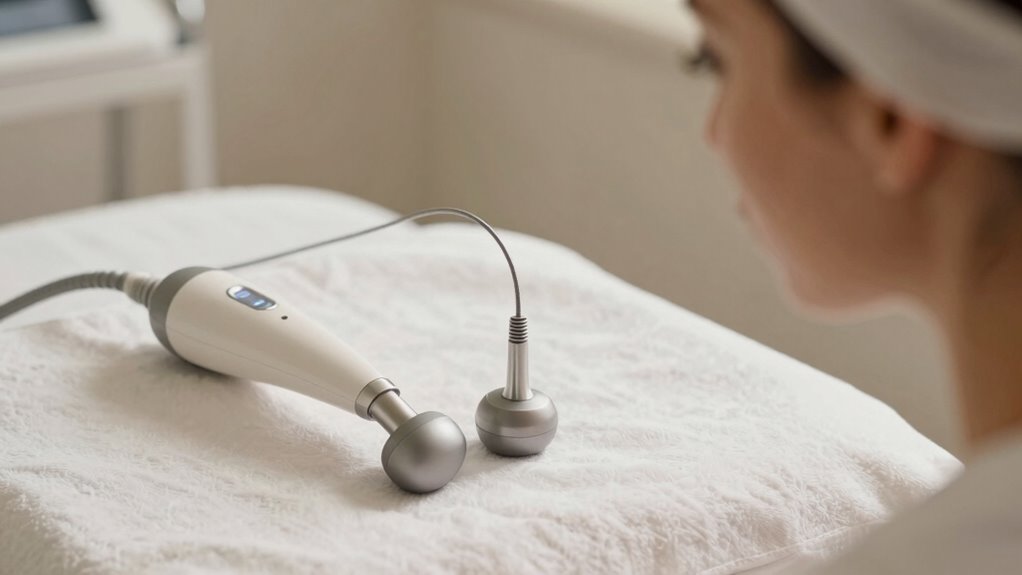

If you’re pregnant, breastfeeding, or have implanted electronic devices like pacemakers, you should avoid microcurrent therapy due to potential risks like interference or safety concerns. People with skin infections, open wounds, recent surgery, or neurological conditions like epilepsy should also skip treatments until fully healed or cleared. Always consult a healthcare professional first—knowing these precautions helps make certain of your safety and effective results, and you’ll find more important details ahead.
Key Takeaways
- Pregnant or breastfeeding women should avoid microcurrent due to uncertain safety effects on fetal development and breast milk.
- Individuals with pacemakers, cochlear implants, or other electronic devices risk interference and should not use microcurrent therapy.
- Those with active infections, open wounds, or recent surgery must delay treatment until fully healed to prevent infection spread and healing disruption.
- People with seizure disorders or epilepsy should consult healthcare providers before microcurrent to avoid triggering neurological episodes.
- Patients with metal implants or unregulated devices should seek medical advice, as microcurrent may cause device malfunction or complications.
microcurrent therapy device for face
As an affiliate, we earn on qualifying purchases.
As an affiliate, we earn on qualifying purchases.
Who Should Avoid Microcurrent Therapy Due to Health Risks

Certain health conditions can make microcurrent therapy risky, so it’s important to know if you fall into a contraindicated group. If you’re pregnant or trying to conceive, pregnancy precautions mean you should avoid microcurrent treatments, as safety isn’t fully established for expecting mothers. Additionally, implant safety is a concern; people with pacemakers, cochlear implants, or other electronic devices shouldn’t undergo microcurrent therapy, as the electrical currents could interfere with implant function. If you have any metal implants or electronic devices, consult your healthcare provider before scheduling a session. Overall, understanding these precautions helps protect your health and ensures you avoid potential complications. Always prioritize safety and seek professional advice if you’re unsure whether microcurrent therapy is suitable for you. Hair types can also influence treatment outcomes, so discussing your specific hair condition with a specialist is recommended. Furthermore, the regulation and safety standards for microcurrent devices vary by country, so verifying that your provider uses certified equipment is advisable.
microcurrent facial machine for sensitive skin
As an affiliate, we earn on qualifying purchases.
As an affiliate, we earn on qualifying purchases.
Why Pregnant or Breastfeeding Women Should Skip Microcurrent Treatments

Because safety concerns remain uncertain, pregnant and breastfeeding women should avoid microcurrent treatments. During pregnancy, your body undergoes many changes, and the effects of microcurrent on fetal development are not well-studied, making it essential to follow pregnancy precautions. Microcurrent devices produce electrical impulses that could potentially impact the developing fetus or alter hormone levels. Additionally, the electric power generation involved in microcurrent therapy is not fully understood in terms of its impact on fetal or infant health. Understanding whole-house water filtration systems can help you make more informed decisions about safety and suitability during sensitive periods. Furthermore, emerging nanotechnology applications in medical treatments are still under research to ensure safety for vulnerable populations, including pregnant women. It is also important to consider electrical safety standards, which are crucial for minimizing risks during any electrical therapy. Similarly, during breastfeeding, your main concern is breastfeeding safety; there’s limited research on whether microcurrent therapy affects breast milk or your baby. Until more definitive evidence emerges, it’s safest to skip microcurrent treatments to avoid any unforeseen risks. Prioritizing your health and your baby’s well-being is vital, so consult your healthcare provider before considering any new aesthetic procedures during this time.
professional microcurrent device with safety certifications
As an affiliate, we earn on qualifying purchases.
As an affiliate, we earn on qualifying purchases.
Are Microcurrent Devices Safe for People With Heart Conditions or Implants?
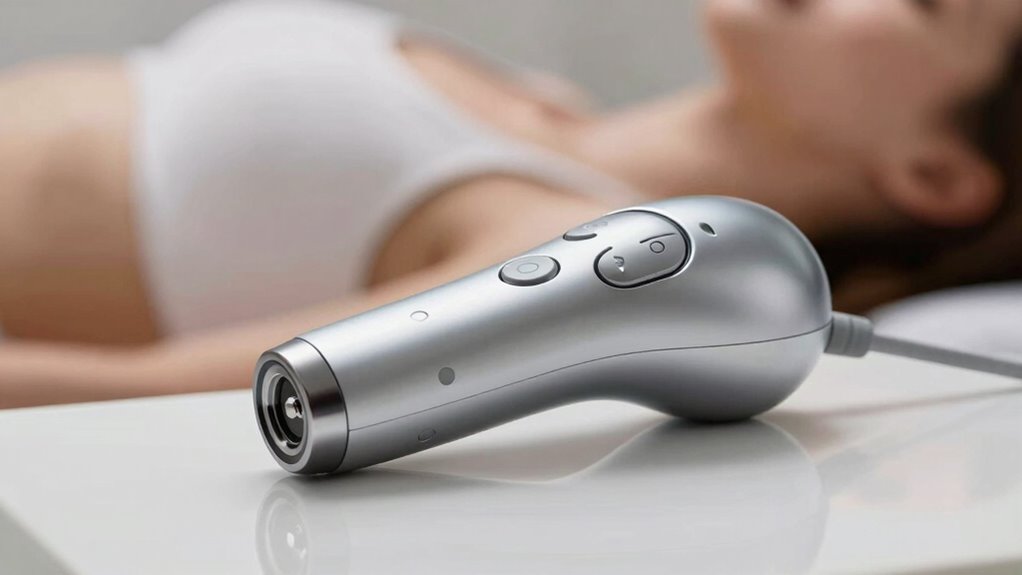
If you have a heart condition or an implanted device, you should be cautious with microcurrent treatments. These devices can potentially interfere with pacemakers or defibrillators, posing safety risks. It is crucial to consult your healthcare provider before using microcurrent devices to guarantee your safety. Additionally, it is important to consider vetted safety guidelines to prevent adverse effects during treatment. Be aware that certain aquatic exercises and therapies involving water might also impact implanted devices or heart conditions, so always seek professional advice prior to engaging in such activities. Understanding microcurrent technology can help you make informed decisions about its safe use. Moreover, staying informed about potential interactions between microcurrent devices and other medical implants can further enhance your safety. Furthermore, exploring traditional holistic health practices may offer alternative approaches that align with Indigenous wellness principles.
Heart Device Interference Risks
Microcurrent devices can pose risks to individuals with heart conditions or implants, as the electrical signals they emit might interfere with the functioning of pacemakers or defibrillators. This electrical interference could disrupt device operation, leading to potentially serious health issues. To understand the risks, consider these points:
- Electrical Interference: Microcurrents may cause unintended signals that disrupt the device’s normal functioning.
- Device Compatibility: Not all implants are equally shielded; some are more vulnerable to external electrical signals.
- Potential Risks: Interference can result in device malfunction, inaccurate readings, or failure to respond during emergencies.
Because of these risks, you should consult your healthcare provider to assess the safety and compatibility of microcurrent treatments with your specific heart device.
Implant Safety Considerations
Are microcurrent devices safe for people with heart conditions or implants? Generally, implant safety is a primary concern. Many microcurrent devices aren’t designed with compatibility in mind, which can lead to risks such as device malfunction or interference. If you have a pacemaker, defibrillator, or other implants, it’s vital to check whether the device is compatible with microcurrent technology. Some devices can disrupt implant function, causing safety issues or ineffective therapy. Consulting your healthcare provider is essential before using microcurrent treatments. They can assess your specific implant safety and advise whether the device’s electrical currents won’t interfere with your implant’s operation. Remember, emphasizing device compatibility helps prevent complications and guarantees your safety. Additionally, understanding industry trends andexpert voice actors can help you make informed decisions about treatment options.
microcurrent therapy contraindications guide
As an affiliate, we earn on qualifying purchases.
As an affiliate, we earn on qualifying purchases.
Is Microcurrent Safe if You Have Skin Infections, Open Wounds, or Recent Surgery?

If you have skin infections, open wounds, or recent surgery, using microcurrent can pose infection risks or interfere with healing. It’s important to take into account how microcurrent treatments might affect your body’s recovery process and healing timeline. Consulting with a healthcare professional before proceeding ensures safe and effective treatment. Additionally, understanding air quality factors can help you better assess your overall health and recovery environment.
Infection Risks and Microcurrent
When you have skin infections, open wounds, or have recently undergone surgery, using microcurrent treatments can pose significant risks. These procedures may increase infection transmission and elevate pathogen risk, potentially worsening your condition. Microcurrent devices can inadvertently introduce bacteria or viruses into the bloodstream or surrounding tissues.
To minimize risks:
- Avoid microcurrent if you have active infections, as this can spread pathogens.
- Do not use treatments near open wounds, preventing contamination of the device and infection spread.
- Refrain from microcurrent after recent surgery until fully healed, reducing the chance of infection transmission and complications.
Always consult your healthcare provider before considering microcurrent therapy when skin integrity is compromised.
Healing and Treatment Timing
Healing and treatment timing are essential considerations before using microcurrent devices if you have skin infections, open wounds, or recent surgery. Applying microcurrent too soon can interfere with the healing timeline and increase infection risk. Typically, it’s best to wait until the wound is fully closed, and inflammation subsides. The treatment duration should be adjusted based on your healing progress, ensuring no disruption occurs. Use this table for guidance:
| Healing Stage | Microcurrent Suitability |
|---|---|
| Open wound or infection | Wait until fully healed and infection clears |
| Post-surgery | Delay until doctor approves full recovery |
| Early healing phase | Not recommended |
| Fully healed tissue | Safe to resume microcurrent treatments |
Always consult your healthcare provider before continuing treatments during healing. Understanding healing stages helps ensure safe and effective use of microcurrent therapy. Additionally, proper healing time varies depending on individual circumstances, so personalized medical advice is crucial. Being aware of contraindications ensures that microcurrent therapy is used safely and effectively. Recognizing signs of infection or complications can help prevent adverse effects during recovery. Monitoring healing progress closely can further aid in determining the appropriate time to resume therapy and avoid setbacks.
Should People With Epilepsy or Seizure Disorders Use Microcurrent?

People with epilepsy or seizure disorders should approach microcurrent treatments with caution. Since microcurrent may influence neurological activity, it could interfere with seizure management. Before considering microcurrent therapy, you need to evaluate these key factors:
- Potential impact on seizure thresholds and neurological considerations.
- Risks of triggering seizures due to electrical stimulation.
- The importance of consulting your healthcare provider for personalized advice.
Because seizure management varies individually, microcurrent could pose risks for those with epilepsy. The electrical currents might alter brain activity unpredictably, increasing seizure likelihood. Always discuss your condition with a neurologist or seizure specialist before trying microcurrent, ensuring safety and proper seizure management. Additionally, understanding how electrical stimulation interacts with neurological health can help inform safer treatment choices.
When Is It Important to Talk to a Healthcare Professional Before Trying Microcurrent?
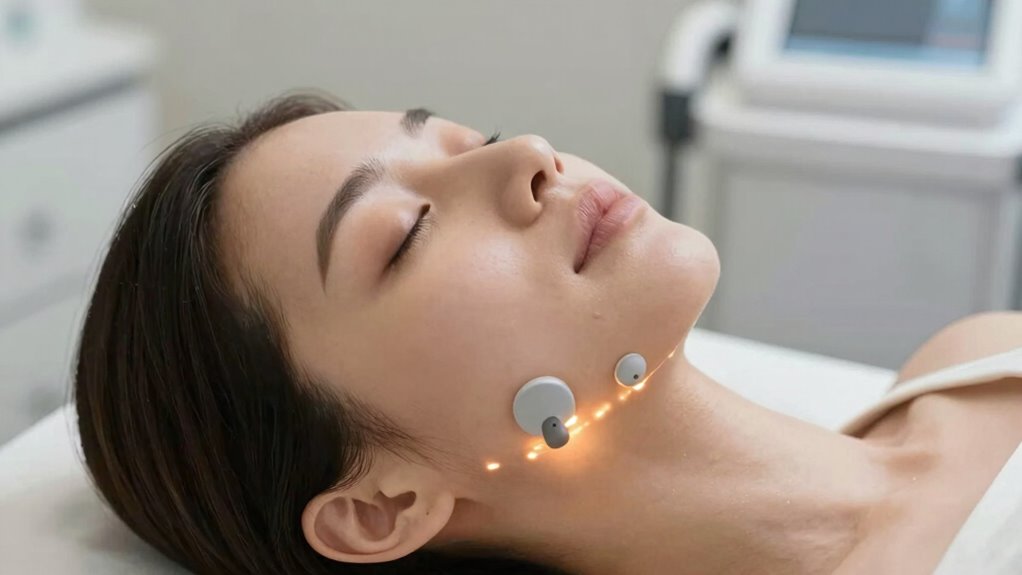
Consulting a healthcare professional before trying microcurrent is essential, especially if you have underlying health conditions or concerns about neurological effects. Understanding your health history helps guarantee you safely experience the microcurrent benefits without adverse reactions. If you’re considering therapy accessibility options, a professional can evaluate whether microcurrent is suitable for you. They can identify any contraindications based on your medical background and guide you on the appropriate use. Discussing your goals and health status also helps determine if microcurrent can effectively address your needs. While many people find microcurrent beneficial, consulting a professional ensures you make informed decisions and avoid potential risks. This step promotes safe, effective use of microcurrent therapy tailored to your individual health profile. Vibe coding is an AI-dependent programming technique that can enhance personalized treatment approaches and optimize therapy outcomes. Additionally, being aware of contraindications ensures you are fully informed about when microcurrent might not be appropriate for you, especially considering specific health conditions like heart issues or nerve sensitivities.
What Alternative Treatments Are Safer for High-Risk or Sensitive Individuals

For individuals who are high-risk or sensitive to treatments, safer alternatives to microcurrent can provide effective options with fewer potential side effects. You might consider natural remedies or alternative skincare methods that are gentler on your skin. Here are some options:
- Topical antioxidants – Use serums with vitamin C or hyaluronic acid to boost skin health naturally.
- Facial massage – Gentle massage techniques improve circulation and skin tone without invasive procedures.
- Herbal masks – Soothing masks with ingredients like aloe vera or chamomile can reduce inflammation and hydrate your skin.
- Incorporating evidence-based practices into your routine can help ensure you’re choosing safe and effective treatments tailored to your individual needs.
These alternatives offer safer, non-invasive ways to enhance your skincare routine, especially if you’re sensitive or prone to reactions.
Frequently Asked Questions
Can Microcurrent Therapy Cause Adverse Reactions in Healthy Individuals?
Microcurrent therapy generally doesn’t cause adverse reactions in healthy individuals, but skin sensitivity varies. You might experience mild redness or tingling, especially if your skin is sensitive. Pregnant women should avoid microcurrent treatments as a precaution, since safety isn’t fully established. Always consult with a professional to assess your skin’s response and confirm you don’t have underlying conditions that could increase risks.
Are There Age Restrictions for Microcurrent Treatments?
You’ll be glad to know that microcurrent treatments are generally suitable for adults of all ages, but age restrictions vary depending on individual health. Studies show that over 60% of people aged 50 and above seek anti-aging therapies, including microcurrent. The treatment’s appropriateness depends on your skin condition and overall health, so consult your provider to determine if it’s right for you, especially if you’re under 18 or over 70.
How Does Medication Use Affect Microcurrent Safety?
Medication use can affect microcurrent safety due to potential drug interactions and contraindications. You should avoid microcurrent if you’re taking medications that increase skin sensitivity, such as blood thinners or certain acne treatments, because they can heighten the risk of irritation. Always check with your healthcare provider about any drug contraindications before undergoing microcurrent treatments, especially if you’re on medications that impact your skin or nervous system.
Is Microcurrent Therapy Suitable for People With Autoimmune Diseases?
Think of your body as a delicate garden, where each plant needs careful tending. Microcurrent therapy might not be suitable if you have autoimmune considerations, as it could potentially stimulate your immune system in unpredictable ways. You should consult your healthcare provider to determine if this therapy suits your specific condition. In cases of autoimmune diseases, safety always comes first, and professional guidance is essential before proceeding.
Can Microcurrent Treatments Interfere With Electronic Medical Devices?
Microcurrent treatments can interfere with electronic medical devices if not administered properly. To guarantee safety, you should follow strict safe treatment parameters, such as maintaining appropriate device distance and avoiding sensitive areas. Always consult with your healthcare provider before starting treatment, especially if you have implanted electronic devices like pacemakers. Proper precautions reduce the risk of electronic device interference and make microcurrent therapy a safe, effective option.
Conclusion
Ultimately, microcurrent therapy isn’t a one-size-fits-all solution—it’s more like a delicate dance that requires knowing your steps. If you have health concerns or conditions, skipping it might be the safest move to avoid potential pitfalls. Listen to your body and consult healthcare professionals when in doubt. Remember, pushing forward without caution can turn a promising treatment into a risky gamble—so tread carefully and prioritize your health above all.