
Yes, you can overdo LED therapy, which may lead to skin redness, irritation, dryness, or sensitivity. Too frequent sessions can reduce its effectiveness and even cause long-term skin damage. Watch for signs like persistent redness, discomfort, or worsening skin appearance. To stay safe, follow recommended schedules and listen to your skin’s signals. If you want to discover more ways to prevent overuse and protect your skin, keep exploring.
Key Takeaways
- Excessive LED therapy can cause skin redness, irritation, and increased sensitivity, signaling overuse.
- Persistent discomfort, peeling, or burning sensations indicate you’re applying treatments too frequently.
- Lack of improvement or worsening skin conditions suggest diminished effectiveness from overexposure.
- Signs like prolonged inflammation or pigmentation changes point to potential long-term skin damage.
- Following recommended treatment schedules and monitoring skin responses helps prevent overdoing LED therapy.
How Does LED Therapy Work and Why Is It So Popular?
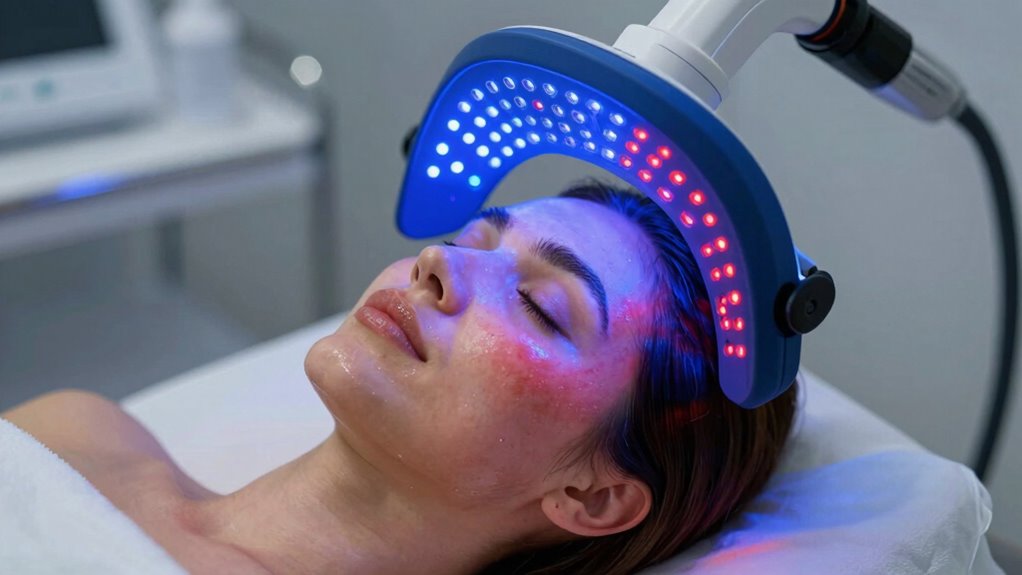
LED therapy works by delivering specific wavelengths of light to your skin, which stimulates cellular activity and promotes healing. This process relies on LED technology, a non-invasive method that targets deep layers of your skin without discomfort. Light therapy uses carefully calibrated light spectra to trigger natural biological responses, like collagen production and improved circulation. Because it’s gentle and effective, many people turn to LED therapy for skincare, pain relief, or inflammation reduction. Its popularity stems from its simplicity, safety, and ability to deliver visible results with minimal downtime. Additionally, the type of light used plays a crucial role in targeting specific skin concerns or healing processes, making LED therapy highly versatile and personalized. Overuse or incorrect application can lead to potential side effects such as skin irritation or sensitivity, especially if the thermal behavior of LED devices is not properly monitored. Moreover, understanding the frequency of sessions is important because excessive treatments can result in diminishing returns, and may cause adverse reactions. Whether for skin rejuvenation or healing, the technology’s versatility and proven benefits make LED therapy a go-to choice in modern wellness and aesthetic routines.
What Are the Risks of Overusing LED Light Therapy?
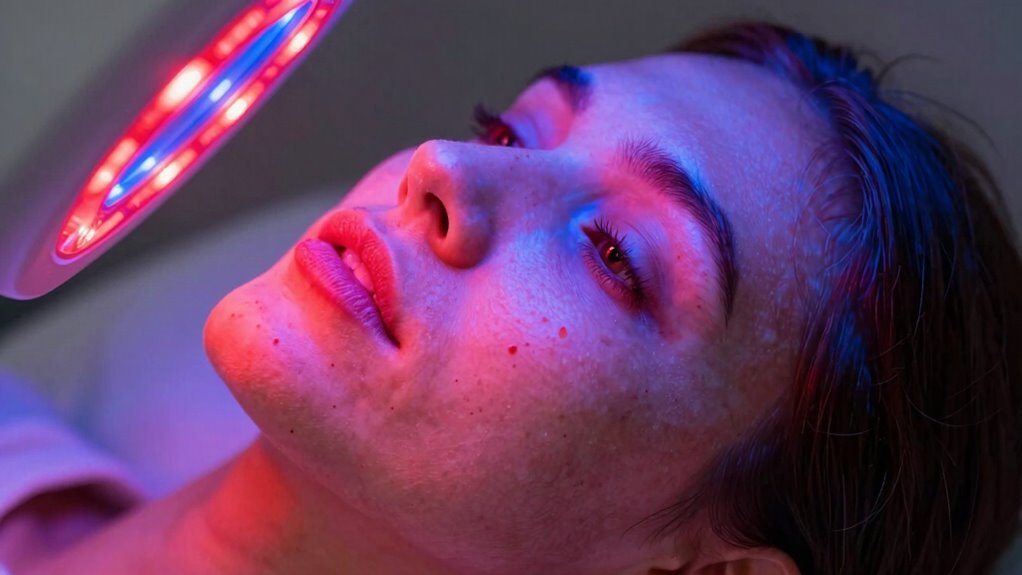
While LED light therapy is generally safe when used correctly, overdoing it can lead to potential risks. Excessive treatment increases your skin sensitivity, making your skin more prone to irritation or redness. Additionally, too frequent sessions can disrupt your skin’s natural balance. Here are some risks to watch out for:
- Increased skin sensitivity – overuse can cause redness, burning, or discomfort.
- Skin damage – excessive treatment may lead to irritation or even peeling.
- Reduced effectiveness – too high treatment frequency can diminish benefits instead of enhancing them.
- Ignoring recommended guidelines can increase the risk of adverse effects and hinder your progress. Proper treatment scheduling ensures you get the most benefit without risking harm. Avoiding overexposure is key to maintaining skin health and achieving optimal results. Overusing LED therapy can also lead to diminished returns, where additional treatments no longer provide the same benefits and may even cause setbacks. Following a balanced approach helps prevent skin irritation and maximizes your treatment’s effectiveness.
To avoid these issues, stick to recommended treatment schedules and listen to your skin’s responses. Overdoing LED therapy doesn’t speed up results; it can hinder progress and cause adverse effects.
How Can You Tell If You’re Using Too Much LED Treatment?
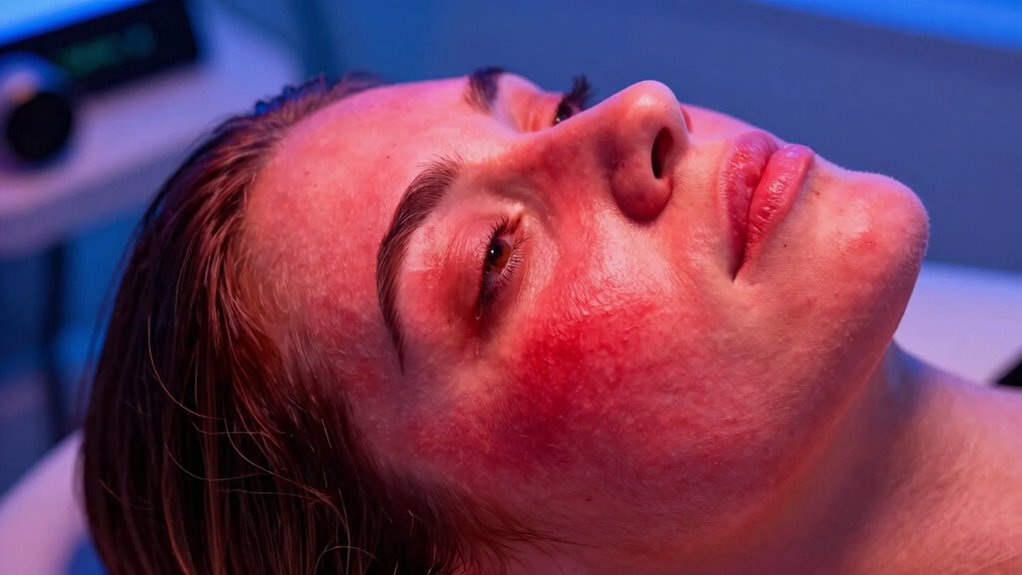
If you notice persistent redness or irritation after your treatments, it’s a clear sign you’ve been overdoing it. Excessive LED therapy can compromise LED safety and increase skin sensitivity. When you push too hard or use treatments too frequently, your skin may become inflamed or feel uncomfortable. Watch for signs like dryness, peeling, or heightened sensitivity to touch or sunlight. These symptoms indicate your skin isn’t tolerating the therapy well. Overuse can undermine benefits and harm your skin’s health. To avoid these issues, pay attention to how your skin responds after each session. If you experience ongoing discomfort, it’s time to cut back. Maintaining a balanced approach ensures you get the benefits of LED therapy without risking skin sensitivity or adverse reactions. Understanding skin sensitivity and how your skin reacts can help you optimize your treatment schedule. Being aware of skin tolerance levels can also prevent overexposure and improve your overall results. Additionally, familiarizing yourself with proper treatment frequency can help prevent overuse and ensure safe, effective outcomes.
How Often Is Safe to Use LED Therapy?
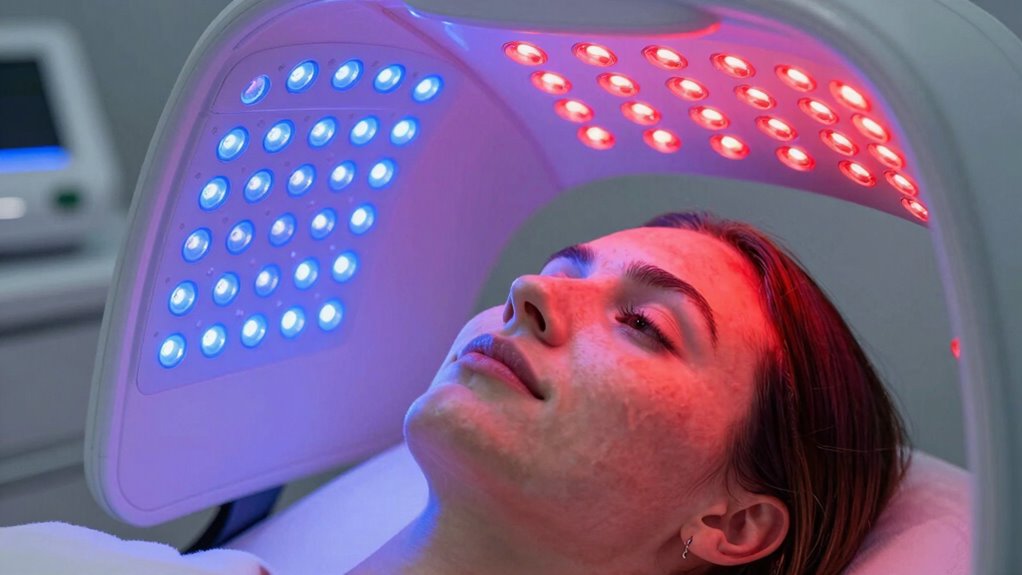
You should follow the recommended usage frequency to avoid overdoing LED therapy. Using it too often can lead to skin irritation or other side effects. Pay attention to signs of overuse to guarantee you’re benefiting safely from your treatments. Additionally, understanding the importance of regulatory compliance ensures that your LED devices meet safety standards and reduce the risk of adverse effects. Being aware of proper device use can further help prevent unintended harm and optimize your therapeutic outcomes. Monitoring device guidelines helps ensure safe and effective treatments tailored to your skin’s needs. Incorporating smart monitoring features can also assist in tracking your therapy sessions and adjusting usage accordingly. Regularly reviewing device instructions can help you stay within safe parameters and get the most benefit from your LED treatments.
Recommended Usage Frequency
Determining how often to use LED therapy depends on the device and your skin’s response, but generally, moderation is key to safe and effective results. To address your frequency concerns and accommodate skin sensitivity, follow these guidelines:
- Use sessions 2-3 times per week initially, giving your skin time to adjust.
- Observe how your skin reacts and adjust the frequency if you notice irritation or sensitivity.
- Avoid daily use unless recommended by a professional, as overuse can lead to adverse effects.
Signs of Overuse
While regular LED therapy can benefit your skin, overdoing it can cause negative reactions. You might notice increased skin sensitivity, making your skin feel tender, red, or irritated after sessions. Treatment fatigue is another sign, where your skin no longer responds positively and may even worsen. If you experience persistent discomfort, dryness, or if your skin begins to react unpredictably, it’s a clear indicator you’re using LED therapy too often. Overuse can compromise your skin’s natural barrier, leading to more harm than good. To avoid these issues, stick to the recommended frequency and listen to your skin’s signals. Understanding treatment frequency can help you optimize your skincare routine safely. Additionally, being aware of skin resilience can guide you in adjusting your sessions to prevent overexposure and ensure ongoing benefits. Recognizing professional guidance and adhering to it can further protect your skin from potential damage. It’s also helpful to be familiar with signs of overexposure, so you can adjust your routine accordingly and avoid adverse effects. Incorporating knowledge of recommended usage intervals can further help you prevent overuse and maintain healthy results.
Tips to Avoid Overdoing LED Therapy and Protect Your Skin
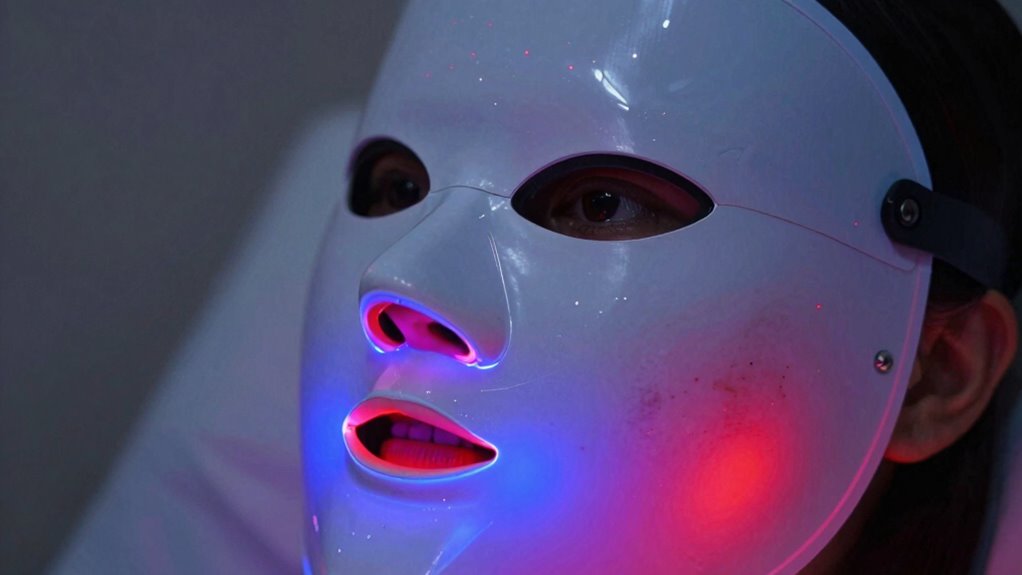
To protect your skin from the risks of overusing LED therapy, it is vital to follow recommended guidelines and listen to your body’s responses. Overdoing treatments can increase skin sensitivity and lead to treatment burnout. To prevent this, consider these tips:
- Stick to the recommended session frequency, typically 2-3 times a week, and avoid excessive daily use.
- Monitor your skin’s response; if you notice redness, irritation, or discomfort, reduce frequency or stop temporarily.
- Incorporate rest days into your routine to allow your skin to recover and prevent burnout.
- Educate yourself about proper skin care practices to maximize benefits and minimize potential damage.
When Should You Talk to a Professional About Your LED Routine?
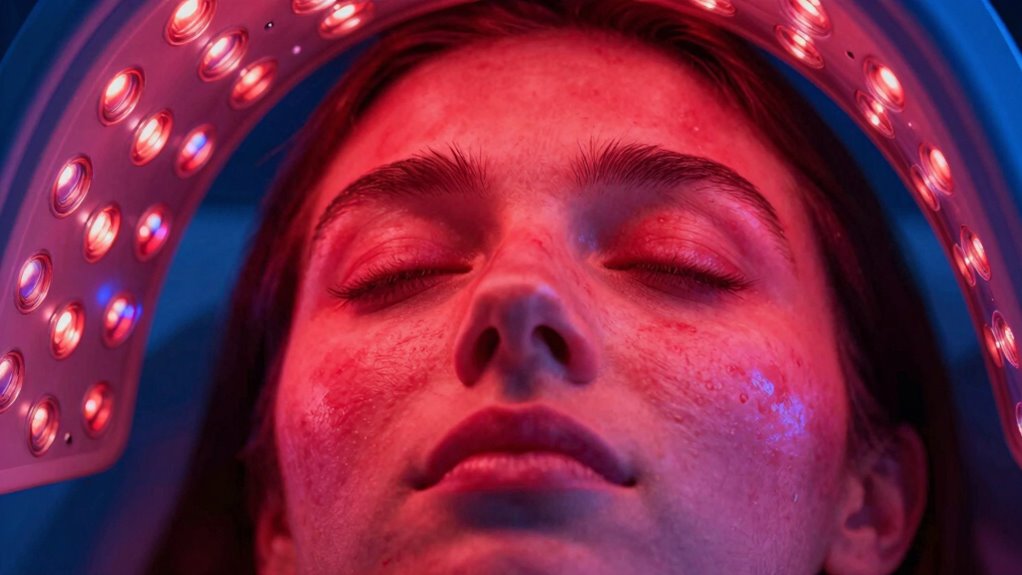
If you notice persistent skin irritation or your skin worsens despite following your routine, it’s time to consult a professional. Unusual or no improvements after consistent use are also signs you should seek expert advice. Don’t ignore these signals—talk to a dermatologist or skincare specialist to protect your skin.
Persistent Skin Irritation
Persistent skin irritation after LED therapy isn’t something to disregard. If your skin remains red, inflamed, or sore beyond a day or two, it’s time to seek professional advice. You should call a specialist if:
- You notice increased skin sensitivity or burning sensations during or after treatments.
- You develop allergy reactions like itching, swelling, or hives.
- The irritation worsens or persists despite adjusting your routine.
These signs could indicate your skin is reacting badly to the therapy or that you might have an underlying allergy. Ignoring these symptoms can lead to more serious skin issues. Consulting a professional ensures you get personalized guidance and prevents further irritation or damage from overdoing LED therapy.
Worsening Skin Conditions
When skin irritation worsens or new issues arise after LED therapy, it’s a clear sign that professional advice is needed. You might notice increased skin damage, such as redness, peeling, or sensitivity, which indicates your skin is struggling to recover. Pigmentation changes, like dark spots or uneven tone, can also develop if your routine is too intense. These signs suggest you’re overdoing it and risking long-term damage. If your skin doesn’t improve or worsens despite adjustments, don’t wait to consult a dermatologist or skincare professional. They can evaluate your skin’s response, recommend suitable treatments, and help you develop a safer, more effective LED routine. Your skin’s health should always come first, so seek expert guidance when necessary.
Unusual or No Improvement
Sometimes, despite following your LED therapy routine, you see little to no improvement in your skin’s condition. If your skin remains unchanged or worsens, it might be a sign of treatment fatigue or increased skin sensitivity. You should consider consulting a professional if:
- Your skin becomes unusually sensitive, red, or inflamed after sessions.
- You notice no visible results after several weeks of consistent use.
- You experience persistent discomfort or soreness during or after treatment.
Unusual or no improvement could indicate you’re overdoing it, leading to adverse effects rather than benefits. It is crucial to listen to your skin and seek expert advice if your progress stalls or your skin reacts negatively. A professional can help adjust your routine to prevent further issues.
Frequently Asked Questions
Can LED Therapy Cause Long-Term Skin Damage?
LED therapy is generally safe, but if you overdo it, you might experience skin irritation or redness. Long-term effects are rare, but excessive exposure could potentially cause skin sensitivity or damage over time. To avoid this, follow recommended treatment guidelines and listen to your skin’s signals. If you notice persistent irritation or discomfort, consult a skincare professional to prevent any lasting damage.
Are There Certain Skin Conditions That React Poorly to LED Therapy?
While LED therapy generally suits most skin types, certain conditions might be more delicate. If you have light sensitivity or experience skin irritation, LED treatments could exacerbate these issues. It’s wise to consult with a dermatologist beforehand, especially if you have rosacea, eczema, or psoriasis. These conditions might react poorly, leading to increased discomfort or redness. Always listen to your skin’s responses and adjust treatments accordingly for ideal, gentle results.
How Does LED Therapy Affect Sensitive or Darker Skin Tones?
LED therapy is generally safe for sensitive or darker skin tones, but you should be cautious about skin sensitivity and pigmentation concerns. You might experience mild redness or irritation if your skin reacts strongly. To avoid issues, start with shorter sessions and use gentle settings. Always consult a professional to ensure the treatment suits your skin type, and monitor how your skin responds to prevent any adverse effects.
Can LED Light Therapy Interfere With Medications or Medical Devices?
LED light therapy can sometimes cause medication interactions, especially if you’re using photosensitive drugs that react to light. It’s also possible for the therapy to interfere with medical devices like pacemakers or insulin pumps. To stay safe, always consult your healthcare provider before starting LED treatments, particularly if you’re on medication or have medical devices. Monitoring how your skin responds can help prevent any adverse effects or device interference.
Is It Possible to Develop a Dependency on LED Treatments?
You can’t develop a dependency on LED treatments, but treatment overuse can lead to dependency concerns about your skin’s response. If you rely excessively on LED therapy, it might cause irritation or diminish effectiveness over time. To avoid this, follow recommended protocols and consult with a skincare professional. Remember, moderation is key to ensuring the best results without risking adverse effects or dependency concerns.
Conclusion
Remember, your skin isn’t a race—pacing yourself with LED therapy makes certain you reap its benefits without burnout. Overdoing it is like chasing a rainbow; the more you chase, the less you see its true colors. Stay attentive to your skin’s signals, follow safe guidelines, and consult a professional when in doubt. After all, the goal is to glow with health, not flicker out—so treat your skin with kindness, not haste.