
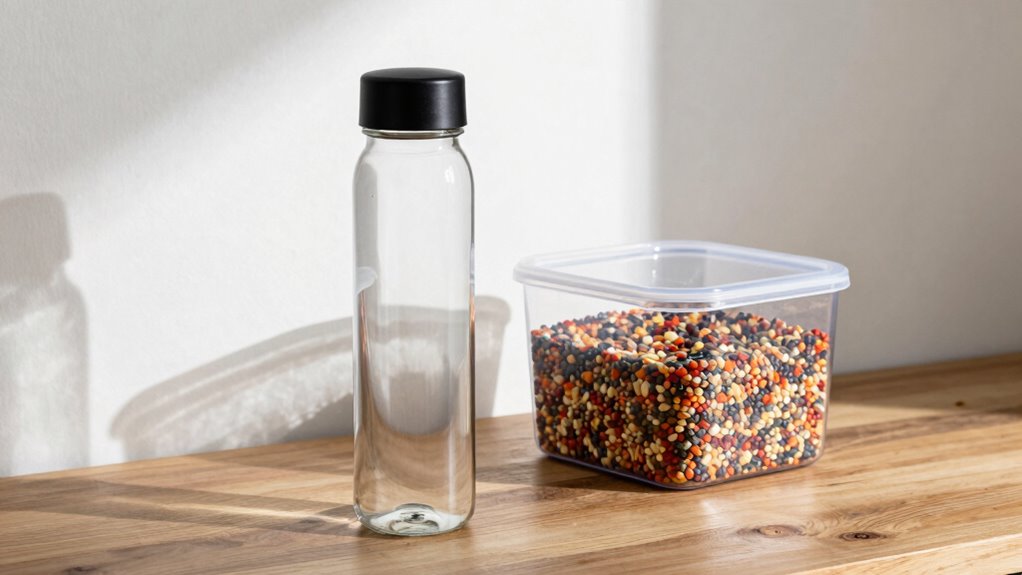

Refillable packaging can be better when it’s durable, easy to clean, and used properly, helping you reduce waste and lower your carbon footprint. However, some refill systems may just be marketing tricks if they involve complicated processes or lack transparency about sanitation and reuse. To truly benefit, look for brands that promote honest, eco-friendly practices. Curious to see how you can spot genuine refillable options and enjoy sustainability benefits? Keep exploring more.
Key Takeaways
- Refillable packaging offers real environmental benefits when designed for durability, ease of cleaning, and minimal lifecycle impact.
- Transparency from brands about reuse procedures and sanitation is crucial to distinguish genuine sustainability from marketing.
- Convenience and practicality influence consumer acceptance; complex refill processes can negate ecological advantages.
- Not all refillables are equally eco-friendly; high-quality, reusable containers have a greater positive impact than single-use or flimsy options.
- Critical evaluation of refill programs helps consumers identify authentic eco initiatives versus superficial marketing strategies.
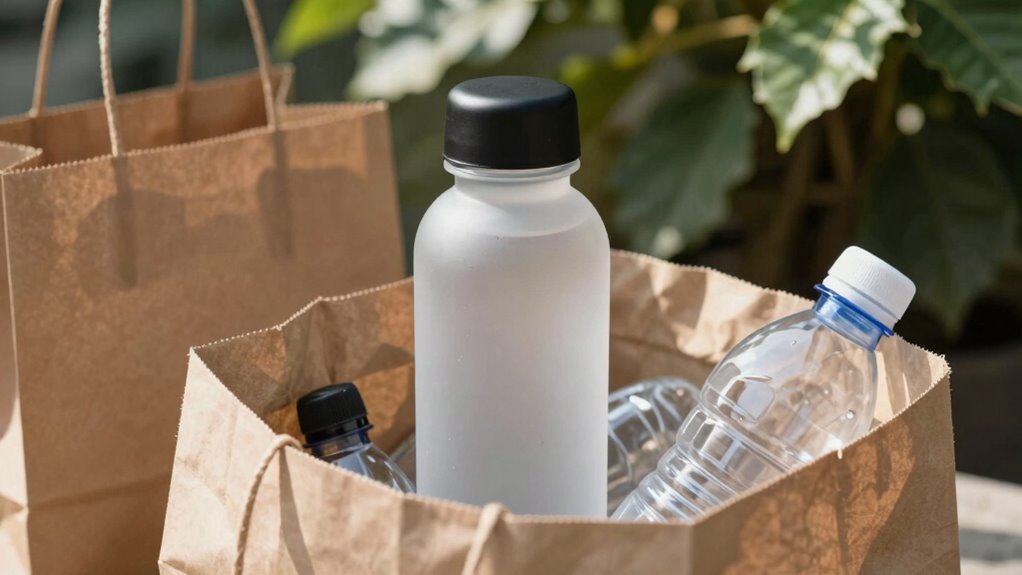
Refillable packaging is gaining popularity as a practical solution to reduce waste and promote sustainability. You might notice more brands offering products in containers designed to be reused rather than discarded after a single use. These packaging options appeal not only because they help cut down on plastic waste but also because they align with growing concerns about environmental impact. The sustainability benefits of refillable packaging are clear: by reusing containers, you decrease the amount of plastic ending up in landfills and oceans, and you reduce the need for new packaging materials. This shift can markedly lower your carbon footprint if you choose brands committed to eco-friendly practices. However, consumer perceptions vary widely. Some see refillable packaging as a smart, environmentally responsible choice that shows a company’s commitment to sustainability. Others remain skeptical, questioning whether the convenience and cost savings are worth the effort of cleaning or returning containers. Your perception of refillable packaging often depends on factors like ease of use, product quality, and the transparency of the brand’s sustainability claims.
When considering whether refillable packaging is genuinely better, it’s important to look beyond marketing claims. Not all refillable solutions are created equal; some are genuinely designed to be durable, hygienic, and easy to use, maximizing their sustainability benefits. For example, sturdy glass or high-quality plastic bottles that are easy to clean can last for years, making them more environmentally friendly over time. Conversely, some brands promote refillable packaging mainly as a marketing tactic, without providing clear information on how often containers should be reused or whether they’re properly sanitized. If a company’s refill system involves complicated processes or increases your water and energy use, it might negate the environmental benefits. You should also consider the practicality—if refilling containers requires multiple trips to a store or complex procedures, it might not be a feasible option for everyday use.
Ultimately, refillable packaging can be a better choice when it’s implemented thoughtfully, aligning with genuine sustainability benefits and transparent practices. You’ll get more value from packaging designed for durability and ease of reuse, helping you feel confident that your efforts make a difference. On the other hand, if a company’s refill program seems more like a marketing ploy, it’s worth questioning whether it truly contributes to environmental goals. By staying informed and choosing brands that prioritize transparency, you can make smarter decisions. Refillable packaging has the potential to revolutionize how we consume, but only if it’s backed by real sustainability benefits—otherwise, it’s just another marketing gimmick. Your awareness and choices can drive the shift toward genuinely eco-friendly packaging solutions that benefit both the planet and your perception of responsible consumerism. Additionally, understanding the environmental impact of various packaging options can help you make more informed decisions aligned with your values.
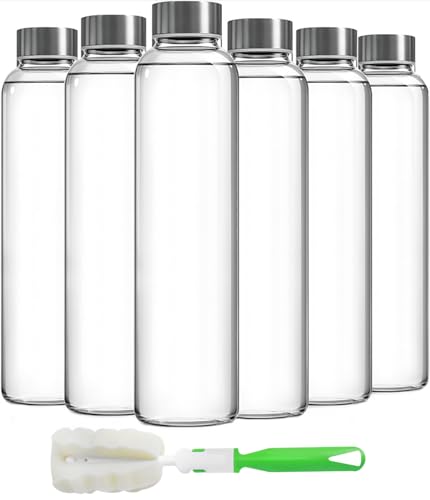
Epica Clear Glass Bottles with Lids 18oz Water Bottles, Steel Cap, 6-Pack
- Elegant, Eco-Friendly Juice Bottles: Beautiful earth-friendly glass design
- Portable Juice and Smoothie Containers: Take homemade drinks on the go
- Durable Lead-Free Glass: Safe, sturdy, and long-lasting
As an affiliate, we earn on qualifying purchases.
As an affiliate, we earn on qualifying purchases.
Frequently Asked Questions
How Many Times Can a Refillable Package Be Reused Before Disposal?
You can usually reuse a refillable package about 10 to 20 times before disposal, depending on its product durability and refill cycle limits. Always check the manufacturer’s guidelines, as some packaging is designed for fewer refill cycles. Over time, wear and tear may compromise the container’s integrity, so monitor for cracks or leaks. Proper maintenance guarantees you get the most out of your refillable packaging and reduces waste.
Are Refillable Packages More Cost-Effective Over Their Lifespan?
In the age of dial-up internet, refillable packages often turn out to be more cost-effective over their lifespan. You’ll find a favorable cost comparison as you reuse them, saving money over time. Consumer perceptions also lean positively, especially when eco-friendly messaging resonates. However, initial costs and durability matter—if a refillable container isn’t long-lasting, it might not save you much in the long run.
What Materials Are Commonly Used in Refillable Packaging?
You’ll find that refillable packaging commonly uses materials like biodegradable plastics and recycled materials. These options help reduce environmental impact by breaking down naturally or reusing existing resources. Refillable bottles and containers often feature durable plastics made from recycled content, while biodegradable plastics offer eco-friendly disposal. Choosing packaging with these materials supports sustainability efforts and can enhance your brand’s eco-conscious image, making it a smart choice for environmentally minded consumers.
How Do Refillable Packages Impact Overall Environmental Savings?
You might find it surprising, but refillable packages can markedly boost recycling benefits when you embrace sustainable habits. By reusing containers, you reduce waste and lower the demand for new packaging, saving resources. Your consumer behavior directly influences environmental savings, making a difference with each refill. This cycle cuts down on landfill waste, conserves energy, and decreases pollution, proving that small actions, like choosing refillables, have a big impact on the planet.
Are There Any Health Risks Associated With Refillable Packaging?
You might face health risks with refillable packaging if chemical leaching occurs from the materials or microbial growth develops inside. Poor cleaning or using non-food-grade plastics can increase these risks, exposing you to potentially harmful chemicals or bacteria. To stay safe, always follow proper cleaning instructions, choose reputable brands, and verify the packaging is designed for repeated use. Regular maintenance helps prevent health issues linked to refillable containers.
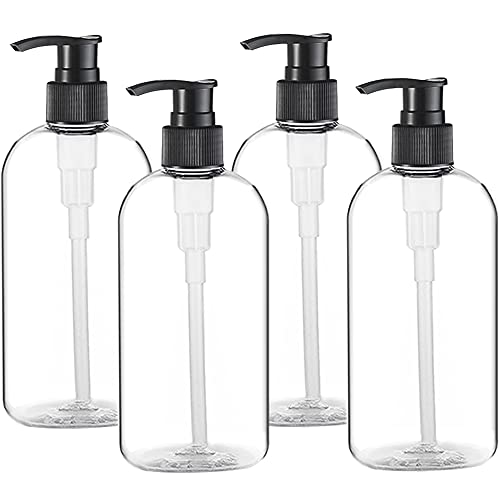
Empty Plastic Pump Bottles Dispenser 4 Pack 16oz/500ml Portable Clear BPA-Free Cylinder Shampoo Lotion Hand Pump Bottle Durable Refillable Containers
- High-Quality Material: Food-grade, impact-resistant PET plastic
- Leak-Proof Pump: No dripping, smooth dispensing
- Large Capacity: 16oz/500ml refillable bottles
As an affiliate, we earn on qualifying purchases.
As an affiliate, we earn on qualifying purchases.
Conclusion
Refillable packaging can be a game-changer, much like a reusable water bottle that saves you money and reduces waste. When it’s designed thoughtfully, it benefits the environment and your wallet. But if it’s just a marketing gimmick, it’s like putting lipstick on a pig—still the same underneath. So, before you choose refillable options, consider whether they truly cut down on waste or if they’re just a clever marketing ploy. Your choices make a difference.

Cleancult Dish Soap Liquid Refill (32oz, 1 Pack) – Plant Based Cleaning Power – Dish Soap that Cuts Grease & Grime – Free of Harsh Chemicals – Uses 90% Less Plastic – Lemon Verbena
- Effective Grease and Grime Removal: Cuts through grease and grime easily
- Plant-Based and Gentle: Made with natural ingredients like aloe
- Chemical-Free Formula: Free from harsh chemicals
As an affiliate, we earn on qualifying purchases.
As an affiliate, we earn on qualifying purchases.

Empty Pump Bottles Dispenser 2 Pack 300ml/10.15oz. Clear Plastic Pump Bottle Dispenser for Essential Oil Soap Lotion Shampoo
- Capacity: 300ml (10.15oz)
- Dimensions: 16*4 cm / 6*2 inches
- Color: Clear
As an affiliate, we earn on qualifying purchases.
As an affiliate, we earn on qualifying purchases.