

You should use IPL every 4 to 6 weeks, giving your hair enough time to enter the active growth (anagen) phase. Since hair grows in cycles and not all hairs are in the same phase, timing is key to targeting the right follicles. Adjust intervals if you experience skin sensitivity or irritation. Staying consistent and patient with your schedule improves results and minimizes side effects. Keep going to discover more tips to optimize your IPL treatments effectively.

Turn your quiet moments into listening time
- Thousands of audiobooks, podcasts and originals
- Listen on your phone, tablet or Echo — also offline
- Cancel anytime
Key Takeaways
- Schedule IPL treatments every 4 to 6 weeks to align with hair entering the anagen (growth) phase.
- Space sessions to target hairs during their active growth, maximizing treatment effectiveness.
- Adjust intervals if skin becomes irritated or sensitive, ensuring safety and comfort.
- Consistent spacing promotes steady progress toward smoother skin and prevents skin damage.
- Be patient and avoid rushing treatments to optimize results and minimize side effects.
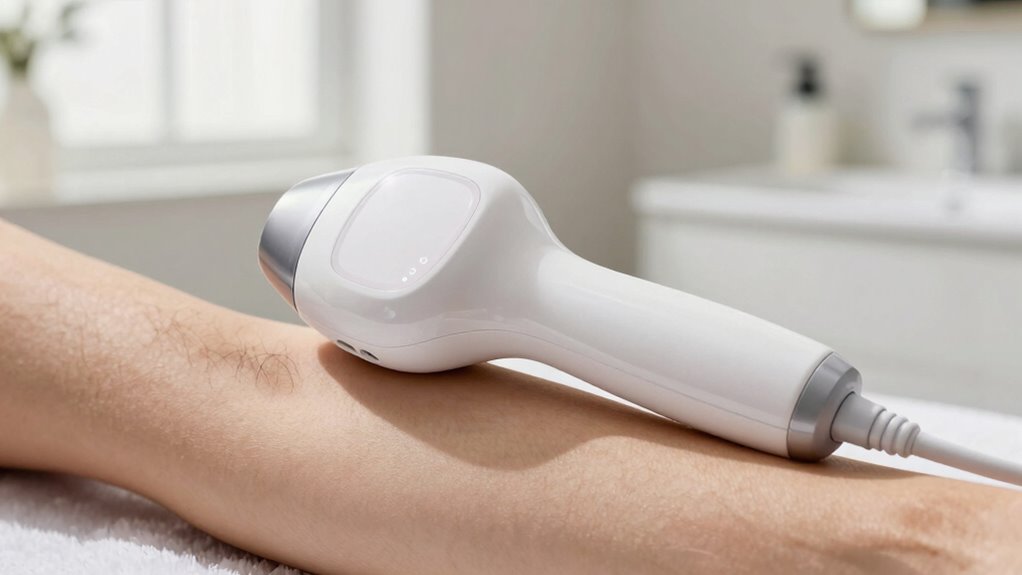
Understanding how often you should use IPL devices is key to achieving the best results while ensuring safety. When it comes to laser hair removal and IPL treatments, knowing the right frequency is essential to effectively target hair follicles without risking skin sensitivity or irritation. Your hair grows in cycles—anagen (growth), catagen (transitional), and telogen (resting)—and IPL is most effective during the anagen phase when hair is actively growing. Because not all hairs enter this phase simultaneously, treatments need to be spaced out to capture as many hairs as possible during their growth cycle.
Typically, you’ll want to schedule your IPL sessions every 4 to 6 weeks. This interval allows enough time for new hair to enter the anagen phase, ensuring each treatment is as effective as possible. If you go too soon, you risk targeting hairs that aren’t in the right phase, which diminishes results and could cause unnecessary skin sensitivity. Conversely, waiting too long between sessions might prolong your overall hair removal process. Consistency is key—sticking to this schedule helps you see steady progress over time.
Schedule IPL every 4 to 6 weeks for optimal results and skin safety.
It’s important to remember that skin sensitivity varies from person to person. If your skin tends to be more sensitive, you might need to extend the time between treatments or adjust the device’s intensity settings. Overusing IPL on sensitive skin can cause redness, irritation, or even burns, which can set back your progress. Always perform a patch test before your first treatment to gauge how your skin reacts. If you notice excessive redness or discomfort after a session, give your skin more time to recover before the next one. Additionally, understanding the hair growth cycle can help optimize your treatment schedule and results. Being aware of your individual hair and skin response can also help tailor your treatment plan for safer and more effective outcomes. Incorporating proper skin care routines before and after treatments can further enhance safety and effectiveness. Proper spacing and patience will help you achieve smoother skin with minimal discomfort. It’s also beneficial to stay informed about skin sensitivity and how it impacts treatment frequency and safety.
As an affiliate, we earn on qualifying purchases.
Frequently Asked Questions
Can IPL Be Used on Tanned Skin?
You should avoid using IPL on tanned skin because increased skin pigmentation from tanning can lead to uneven treatment results or burns. IPL works best on fair skin, and tanning can interfere with its effectiveness. For safe and effective treatment, wait until your skin has fully faded from tanning. This guarantees proper targeting of hair follicles and minimizes risks, so always consider treatment frequency and skin pigmentation before scheduling your sessions.
Is IPL Safe for Sensitive Skin Types?
Think of your skin as a delicate garden, needing gentle care. IPL can be safe for sensitive skin if you pay close attention to your skin’s signals. Use a lower energy setting and space out treatments to prevent irritation. Be mindful of skin sensitivity, and don’t rush the process. Treatment frequency should be cautious, allowing your skin to recover and flourish, ensuring safety and effectiveness in your hair removal journey.
How Does Hormonal Change Affect IPL Results?
Hormonal fluctuations can markedly impact IPL results, making hair removal less predictable. When your hormones change, you might notice new hair growth or uneven skin pigmentation, which can affect IPL effectiveness. These hormonal shifts can stimulate hair follicles, leading to slower or less consistent results. To optimize your IPL sessions, consider timing treatments during stable hormonal periods and consult with a specialist if you notice changes in skin pigmentation or hair growth patterns.
Can IPL Be Effective on Gray or Very Light Hair?
Research shows that only about 10% of gray hair responds well to IPL, and light hair is even less receptive. You should know that gray and very light hair contain less melanin, which IPL targets. So, if you have gray or light hair, IPL might not be effective for you. You may need alternative methods like waxing or laser treatments designed for lighter hair shades to achieve better results.
What Should I Do if I Experience Pain During Treatment?
If you experience pain during IPL treatment, stop immediately and assess the discomfort. Use pain management techniques like applying a cooling gel or taking an over-the-counter pain reliever if necessary. Consider treatment adjustments, such as decreasing the intensity or spacing out sessions, to make the process more comfortable. Always communicate with your technician to guarantee you’re comfortable and safe throughout the procedure.
As an affiliate, we earn on qualifying purchases.
Conclusion
Remember, sticking to the recommended IPL schedule is like tending a garden—you’ll see the best results if you nurture it with patience and consistency. Don’t rush the process; your hair growth cycle needs time to work its magic. By following the guide and giving your skin the right intervals, you’ll soon be enjoying smooth, hair-free days as if you’ve revealed a secret to lasting beauty. Stay committed, and your glow will shine through!
As an affiliate, we earn on qualifying purchases.
As an affiliate, we earn on qualifying purchases.
Fall Picks
fall essentials
As an affiliate, we earn on qualifying purchases.