
Research suggests that bakuchiol can help improve skin tone, elasticity, and reduce fine lines, offering a natural alternative to retinol. It’s generally well-tolerated, with fewer side effects like irritation or dryness. However, most studies are short-term, and long-term effects remain uncertain. While promising, individual results vary. To understand how it might work for your skin, explore how ongoing research continues to shed light on this plant-based ingredient.
Key Takeaways
- Research indicates Bakuchiol may stimulate collagen and improve skin elasticity, mimicking retinol’s effects.
- Most studies are short-term; long-term safety and efficacy data are still limited.
- Evidence shows Bakuchiol is generally well-tolerated with fewer side effects than retinol.
- Variability in individual responses suggests inconsistent results across users.
- More comprehensive, long-term research is needed to fully confirm its anti-aging benefits.
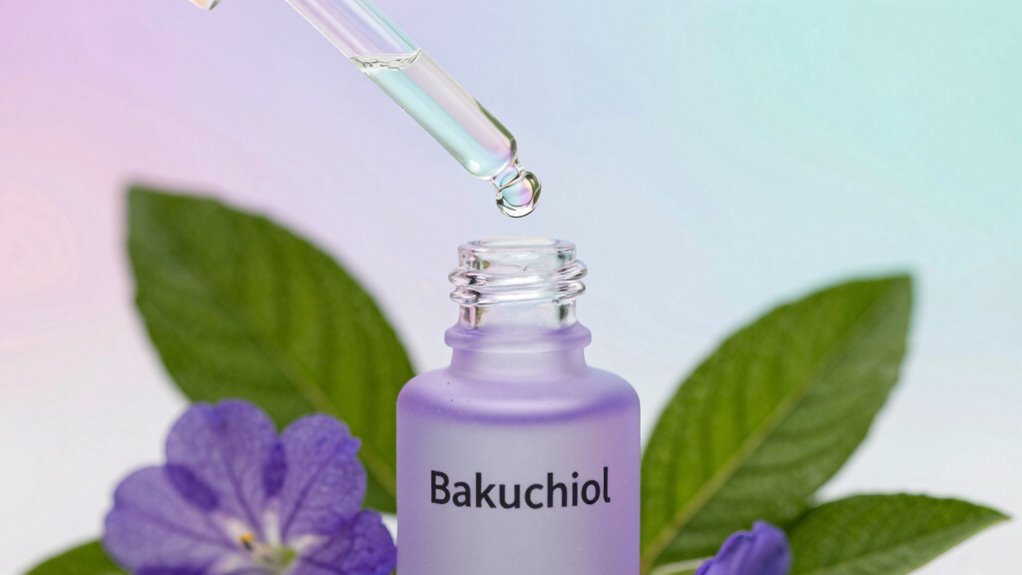
If you’re considering natural alternatives for skincare, bakuchiol has gained attention for its promising benefits. As more people seek plant-based options, bakuchiol stands out because it offers a natural alternative to retinol, a well-known anti-aging ingredient. Unlike retinol, which can cause irritation and sensitivity, bakuchiol generally has a more favorable side effect profile. This makes it appealing for those with sensitive skin or anyone who wants to avoid the harsh effects sometimes associated with traditional retinoids. Its rising popularity is driven by a growing body of research suggesting it can deliver comparable benefits for skin renewal and wrinkle reduction, but without the same level of irritation.
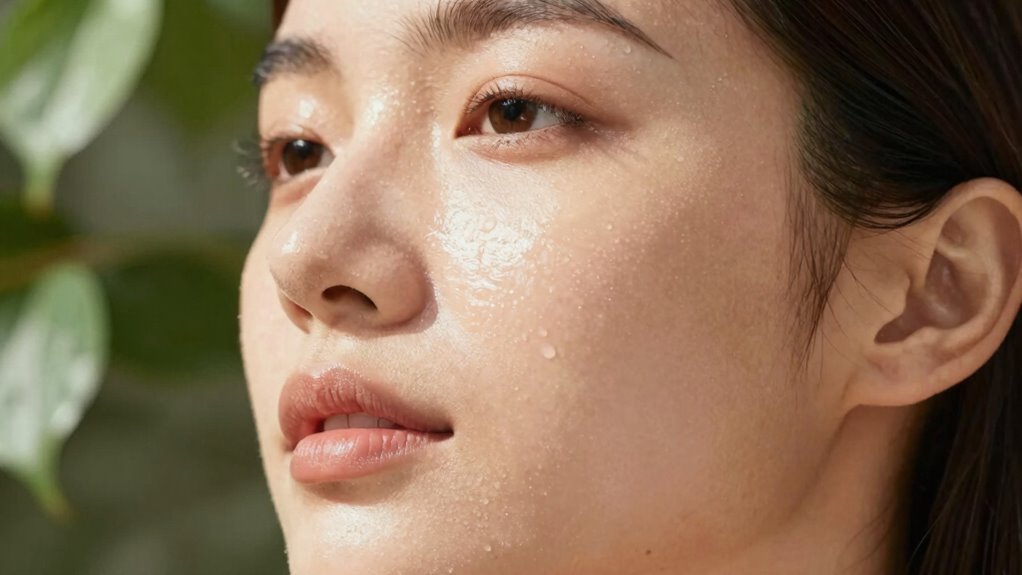
Research indicates that bakuchiol may stimulate collagen production, improve skin elasticity, and reduce the appearance of fine lines and wrinkles. Many users report visible improvements in skin texture and tone after consistent use, which aligns with what you’d expect from effective anti-aging ingredients. Because it’s derived from a plant, many see bakuchiol as a safer, gentler option that fits well into natural skincare routines. Still, it’s important to recognize that while initial studies are promising, the amount of long-term data is limited. Most research has been conducted over relatively short periods, and individual responses can vary. Some users may experience noticeable benefits, but others might see minimal change, making it essential to set realistic expectations.
Bakuchiol may boost collagen, enhance elasticity, and reduce fine lines, but long-term effects remain under study.
In terms of side effect profiles, bakuchiol is generally well-tolerated. Unlike retinol, it doesn’t typically cause peeling, redness, or dryness, which are common issues with traditional retinoid use. For people with sensitive or reactive skin, this can be a significant advantage. However, just because it’s gentler doesn’t mean it’s completely free of risks. Some users might still experience mild irritation or breakouts, especially when first incorporating it into their routine. As with any new product, it’s wise to patch-test and introduce it gradually to monitor how your skin reacts. Additionally, the sustainability of plant-based ingredients is an important consideration for eco-conscious consumers, as sourcing practices can impact environmental impact.
While bakuchiol offers a compelling natural alternative, it’s not a miracle cure. The research is encouraging but still evolving. It’s also worth noting that natural doesn’t always guarantee safety or efficacy; some plant-based ingredients can cause allergic reactions or interact with other products. Hence, understanding its side effect profile, setting realistic expectations, and consulting with a skincare professional can help you determine if bakuchiol is the right fit for your routine. Overall, if you’re looking for a plant-derived ingredient with fewer side effects than retinol, bakuchiol might be worth trying—but keep an eye on ongoing research to stay informed about its full potential.
Frequently Asked Questions
Can Bakuchiol Replace All Retinoids in Skincare Routines?
You probably can’t fully replace all retinoids with bakuchiol in your skincare routine. While bakuchiol offers retinoid-like benefits and is gentle on sensitive skin, it may not provide the same level of efficacy for deep wrinkles or pronounced skin concerns. For skincare compatibility, consider using bakuchiol as a mild alternative or supplement, but consult with a dermatologist to determine if it’s suitable as a complete retinoid substitution for your specific needs.
Does Bakuchiol Have Any Known Long-Term Side Effects?
You might be pleased to know that bakuchiol has a favorable long-term safety profile, with few reported side effects. Studies show that it’s generally well tolerated over extended use, making it a safe alternative to retinoids. While extensive long-term research is still limited, current evidence suggests that bakuchiol’s side effect profile is mild and manageable. So, you can use it confidently without worrying about significant adverse effects down the line.
Is Bakuchiol Effective for All Skin Types?
You’ll find that bakuchiol is generally effective across many skin types, thanks to its gentle nature. It’s compatible with various skin types, including sensitive, oily, and dry skin, but always consider your ingredient sensitivities. While most people tolerate it well, perform a patch test to avoid any adverse reactions. Overall, bakuchiol offers a versatile option that can suit your skin’s unique needs without causing irritation.
How Does Bakuchiol Compare to Natural Alternative Ingredients?
You might wonder how bakuchiol stacks up against other plant-based alternatives. Unlike some natural ingredients, bakuchiol offers comparable benefits with fewer irritations, making it a standout in natural ingredient comparisons. Its gentle yet effective properties make it a popular choice among those seeking plant-based skincare solutions. As you explore natural options, remember that bakuchiol’s unique formulation could give you the results you desire—without the harsher side effects.
What Is the Best Concentration of Bakuchiol for Skincare Products?
The best concentration of bakuchiol for skincare products typically falls between 0.5% and 1%. Following concentration guidelines, this range offers ideal dosing for effective results without irritation. You should look for products that specify this range, as higher concentrations don’t necessarily mean better outcomes and could increase the risk of sensitivity. Always patch test new products to ensure they suit your skin.
Conclusion
Like the legendary phoenix, bakuchiol promises renewal without fire. While the research hints at its potential to brighten and smooth your skin, it’s no miracle cure. Keep in mind, even the most promising tales have their limitations. Think of bakuchiol as a trusted companion on your skincare journey—not a magic wand. Stay informed, stay cautious, and remember that, like any legend, its true power unfolds over time.