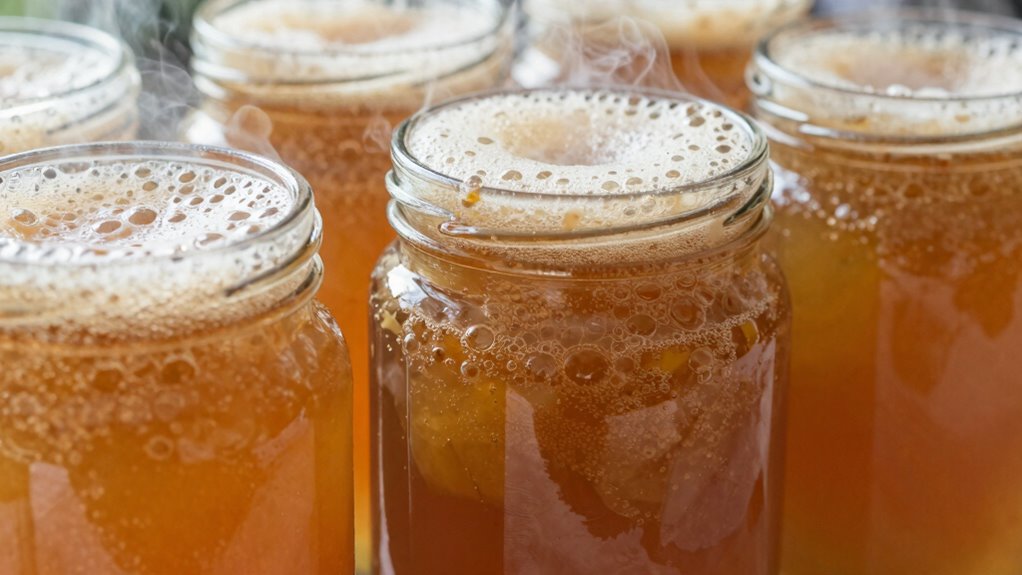

Ferments in skincare are ingredients crafted through natural fermentation, which transforms raw plant or animal extracts into more potent, bioavailable compounds. This process boosts beneficial microbes, nutrients, and antioxidants while acting as a natural preservative. You’ll notice a lightweight, silky feel that absorbs quickly without heaviness. These fermented ingredients help balance your skin’s microbiome, support healing, and deliver enhanced effectiveness. Keep exploring to discover how these unique processes can elevate your skincare routine.
Key Takeaways
- Fermentation transforms raw ingredients into active, bioavailable compounds, enhancing their nourishing and healing properties.
- Fermented ingredients support the skin’s microbiome, promoting a balanced, calmer, and healthier complexion.
- The process naturally preserves products, extending shelf life and increasing ingredient potency without synthetic preservatives.
- Fermentation creates a lightweight, silky texture that absorbs easily, offering a refreshing and non-greasy feel.
- Fermented skincare feels different because of its mild scent, soothing effects, and enhanced absorption compared to traditional products.
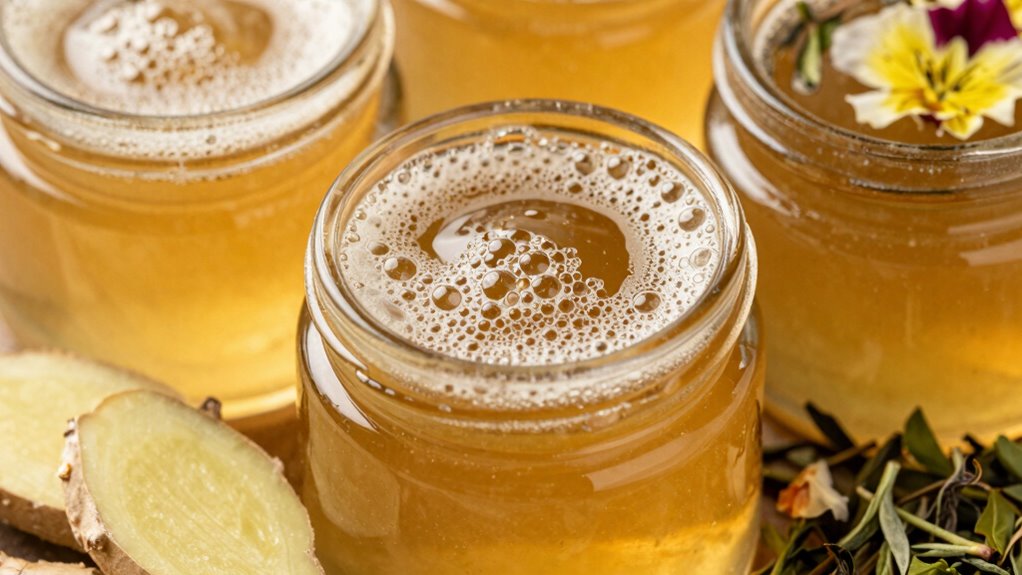
Have you ever wondered how fermented ingredients can boost your skincare routine? These ingredients have gained popularity for their unique properties, and understanding the science behind them can help you appreciate their benefits even more. At the heart of these ingredients lies the fermentation process—a natural method that transforms raw plant or animal materials into potent, active compounds. During fermentation, beneficial microbes break down complex molecules, releasing nutrients and creating new bioactive substances. This process not only amplifies the healing and nourishing qualities of the ingredients but also enhances their ability to interact positively with your skin.
Fermentation transforms raw ingredients into potent, skin-nourishing compounds that enhance your skincare routine.
One of the main reasons fermented skincare products are celebrated is because of their probiotic benefits. Just like probiotics support gut health, probiotic benefits in skincare involve introducing or nurturing beneficial bacteria on your skin. These friendly microbes can help restore balance, strengthen your skin’s barrier, and reduce inflammation. When you apply fermented products, you’re essentially delivering a concentrated dose of these beneficial microbes and their byproducts directly to your skin. This can improve your skin’s resilience, fight off harmful bacteria, and promote a clearer, calmer complexion.
The fermentation process itself acts as a natural preservative, which means many fermented skincare ingredients have a longer shelf life while maintaining their potency. More importantly, fermentation can break down larger, often irritating molecules into smaller, more easily absorbed forms. For example, enzymes produced during fermentation can *disclose* vital nutrients like amino acids, antioxidants, and vitamins, making them more accessible to your skin cells. This increased bioavailability means you get more effective results from your skincare routine, whether it’s brighter skin, improved elasticity, or reduced redness.
Another reason fermented ingredients feel “different” on your skin is their texture and sensation. Because of the fermentation process, these products often have a lightweight, almost silky feel, which allows for easier absorption without leaving a heavy or greasy residue. Many users notice a more refreshed, balanced sensation after application, thanks to the calming and restorative effects of the probiotics and bioactive compounds. Plus, the mild, fermented scent can be soothing and less synthetic than traditional skincare products.
Frequently Asked Questions
Can Ferments Cause Allergic Reactions?
Ferments in skincare can cause allergic reactions if you’re sensitive or have allergenic risks. They contain natural enzymes and microorganisms that might trigger immune responses in some people. Always patch-test new products containing ferments to see how your skin reacts. If you notice redness, itching, or swelling, discontinue use and consult a dermatologist. Being aware of your skin’s sensitivities helps prevent adverse reactions from these beneficial ingredients.
How Long Do Ferments in Skincare Last?
Ferments in skincare typically last between six months to a year, depending on their fermentation duration and the product’s stability. You should always check the expiration date on the packaging and look for changes in smell, texture, or color, which can indicate spoilage. Proper storage in a cool, dark place helps prolong their shelf life, ensuring you get the most benefits without risking irritation or reduced effectiveness.
Are Ferments Suitable for Sensitive Skin?
Yes, ferments can be suitable for sensitive skin, especially when they offer probiotic benefits that balance your skin’s microbiome. However, you’ll want to check ferment stability, as unstable ferments might cause irritation. Start with a patch test and choose products formulated for sensitive skin. If you notice any redness or discomfort, discontinue use. Ferments can soothe and strengthen your skin when used correctly.
Do Ferments Improve Skin Hydration?
Ferments can boost your skin’s hydration, acting like a moisture magnet. Thanks to fermentation benefits and advanced hydration technology, these ingredients help lock in water and improve skin elasticity. You’ll notice a plumper, more luminous complexion as ferments enhance your skin’s barrier. Incorporating ferments into your routine can turn your skincare into a hydration powerhouse, giving your skin the nourishment it craves and a feeling of softness that’s hard to beat.
Can Ferments Replace Traditional Skincare Ingredients?
Yes, ferments can replace traditional skincare ingredients because natural fermentation enhances ingredient stability and bioavailability. You might find ferments more gentle and effective, offering probiotics and enzymes that support your skin’s barrier. However, they don’t always provide the same benefits as all traditional ingredients. It’s best to incorporate ferments alongside your usual products to optimize your skincare routine, ensuring you get the combined benefits.
Conclusion
So, now you know that ferments in skincare are all about boosting your skin’s health with natural enzymes and probiotics. They feel different because they work gently yet effectively, giving you that fresh, radiant glow. Isn’t it worth trying something that’s both innovative and rooted in nature? Incorporate ferments into your routine and see how your skin responds. After all, shouldn’t your skincare feel as good as it looks?