
Urea in skincare is fantastic for boosting hydration, softening skin, and managing dryness or thickened areas, making it almost like magic for many skin types. However, it can sting or cause redness if your skin barrier is compromised, if you use high concentrations, or apply it on broken skin. To avoid discomfort, start with lower strengths and patch tests, and continue exploring tips to maximize benefits while minimizing stings.
Get ready for Prime Big Deal Days — try Prime free
Exclusive member deals on October 6–7, plus fast free delivery. Cancel anytime.
As an affiliate, we earn on qualifying purchases.
Key Takeaways
- Urea boosts hydration and softens skin, making it effective for dry or rough skin, but can cause stinging if skin barrier is damaged.
- Low concentrations (5-10%) are gentle and suitable for sensitive skin, while higher levels (20-40%) may cause discomfort or irritation.
- Applying urea on damp skin after bathing enhances absorption and reduces the risk of stinging.
- Combining urea with acids, alcohols, or harsh actives can increase irritation, especially on compromised or broken skin.
- Patch testing before use helps prevent adverse reactions, and discontinuing if redness or burning occurs ensures safety.
As an affiliate, we earn on qualifying purchases.
What Is Urea and Why Is It Used in Skincare?
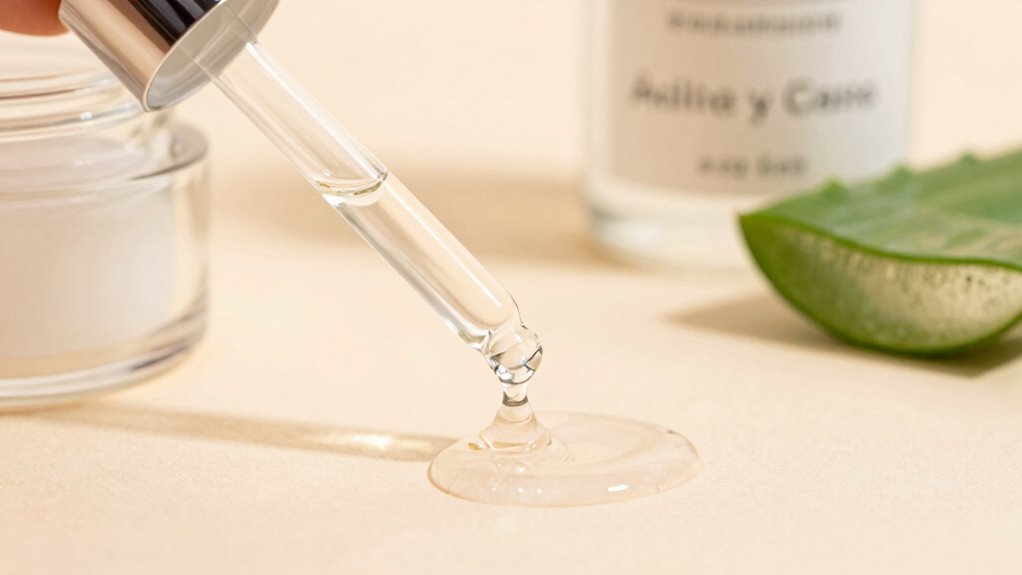
What exactly is urea, and why has it become a popular ingredient in skincare? Urea is a natural compound found in your skin that helps retain moisture and keep it smooth. When used in skincare products, it acts as a powerful humectant, drawing water into the outer skin layers. Urea’s benefits depend on its concentration, making it suitable for various skin types. It’s highly compatible with many moisturizers, but you should be mindful of ingredient interactions. For example, combining urea with certain acids or alcohols can cause irritation or lessen its effectiveness. Overall, urea helps improve skin hydration, softness, and barrier function. Its versatility and proven results have made it a staple in many skincare routines for addressing dryness and roughness. Additionally, understanding its concentration levels is important to maximize benefits and minimize potential irritation.
As an affiliate, we earn on qualifying purchases.
How Urea Benefits Different Skin Types and Conditions
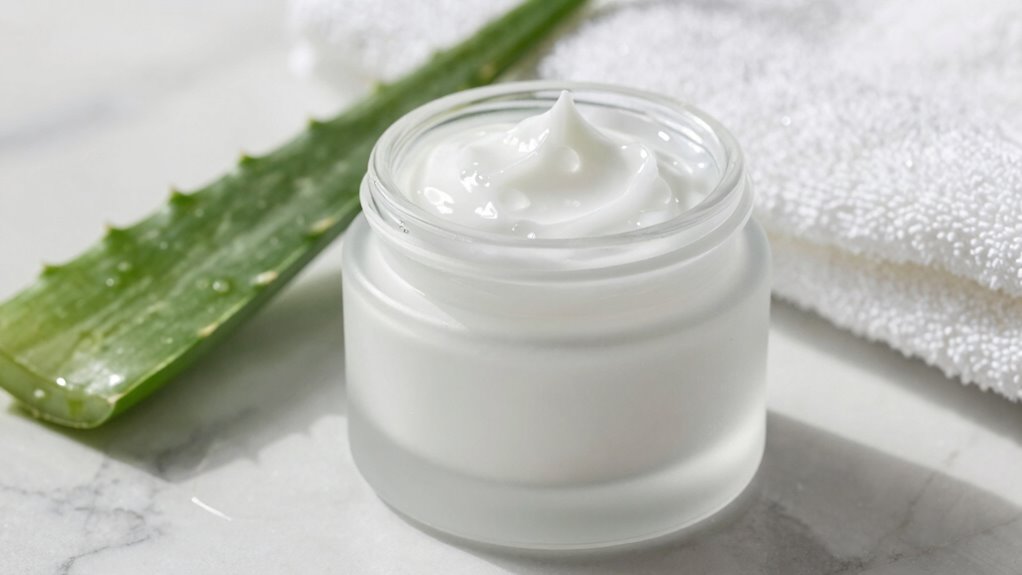
Have you ever wondered how urea can be beneficial for various skin types and conditions? Urea enhances skin hydration, making it ideal for dry or sensitive skin. It also offers anti-aging properties, helping reduce fine lines and wrinkles. For eczema and psoriasis, urea softens thickened skin and relieves itching. Oily or acne-prone skin benefits from urea’s ability to regulate oil production without clogging pores. Sensitive skin types find urea gentle, calming irritation. Here’s a quick overview: skin hydration, and understanding its role in maintaining healthy skin barrier can help you make better skincare choices.
As an affiliate, we earn on qualifying purchases.
How to Use Urea Safely in Your Skincare Routine
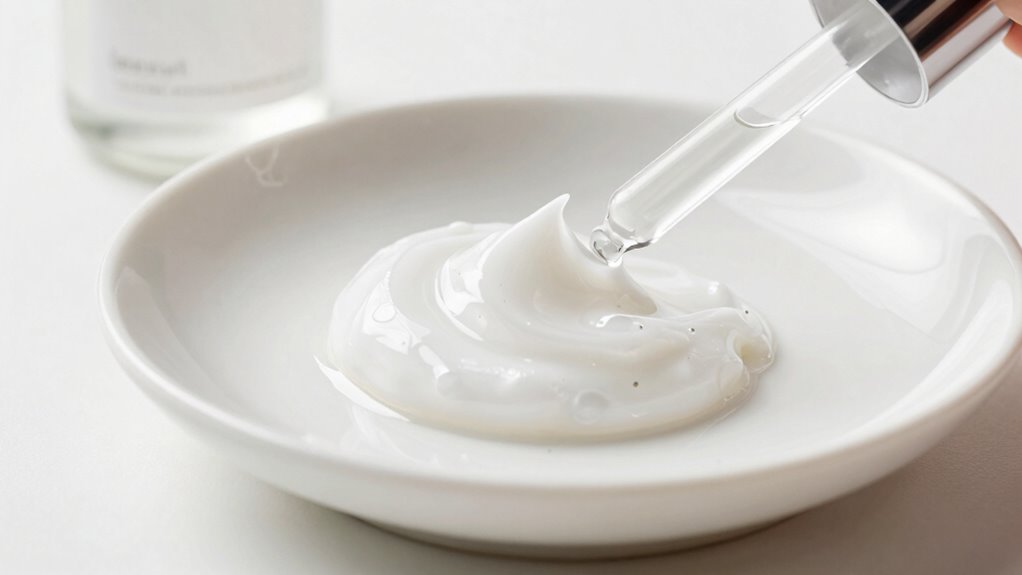
To use urea safely in your skincare routine, start by choosing products formulated for your skin type and concerns. Always read labels to verify the product contains an appropriate concentration of urea, typically between 5% and 10% for general use. When applying urea in skincare, do so on clean, dry skin to maximize absorption and effectiveness. Use it sparingly at first to see how your skin reacts, especially if you’re new to urea. Avoid applying it on broken or irritated skin to prevent discomfort. Follow the instructions provided with the product, and don’t overuse it, as excessive application can cause irritation. Proper, safe application helps you enjoy the benefits of urea without risking adverse reactions. Additionally, understanding how different essential oils can support skin health may enhance your skincare routine.
As an affiliate, we earn on qualifying purchases.
How Do I Know If Urea Is Irritating My Skin?
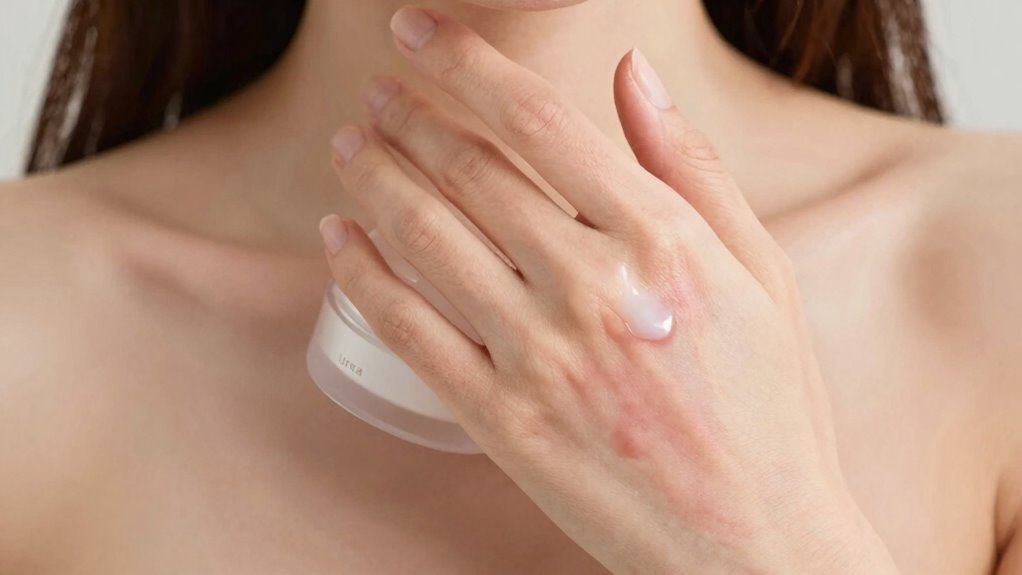
You might notice redness, itching, or burning if urea irritates your skin. To be sure, do a patch test on a small area before using it regularly. Watching for these signs helps you catch irritation early and protect your skin. Being aware of support breakfast options can also help prevent adverse reactions.
Signs of Skin Irritation
Skin irritation from urea can become noticeable through redness, itching, or a burning sensation in the affected area. These signs may appear soon after applying a product containing urea or after repeated use. You might notice the skin feels more sensitive, inflamed, or uncomfortable, especially if your skin is already dry or compromised. If you experience these symptoms, it could be a reaction to urea’s exfoliating or moisture-retaining properties, which can sometimes be too harsh for sensitive skin. While urea offers a hydration boost and anti-aging effects, irritation indicates it’s not suitable for your skin at this time. Pay attention to how your skin responds and consider adjusting frequency or concentration to prevent further discomfort. Additionally, awareness of potential for misinformation is important when selecting skincare products containing active ingredients like urea. Understanding skin sensitivity can help you better determine when urea is beneficial or harmful for your skin type.
Patch Test Recommendations
Performing a patch test is the best way to determine if urea will irritate your skin before applying it more broadly. Apply a small amount of the product to a discreet skin area, like your inner forearm, and wait 24 hours. This is especially important if you’re pregnant or considering pediatric use, as sensitive skin may react differently. If you notice redness, burning, or itching, avoid using urea on larger areas. Keep in mind, patch testing helps prevent discomfort and adverse reactions. Use the following table to guide your decision:
| Skin Reaction | Action |
|---|---|
| No reaction | Safe to proceed with application |
| Mild irritation | Discontinue use or consult a doctor |
| Severe reaction | Seek medical advice immediately |
Taking these steps ensures safe, effective skincare. It’s also helpful to understand skin reactions and how they can vary based on individual sensitivities. Being aware of dermatological responses can aid in identifying irritation early and preventing further issues. Recognizing individual sensitivities is crucial for personalized skincare. Additionally, understanding skin barrier function can help explain why some people are more prone to irritation from products like urea.
Common Mistakes to Avoid When Applying Urea Products
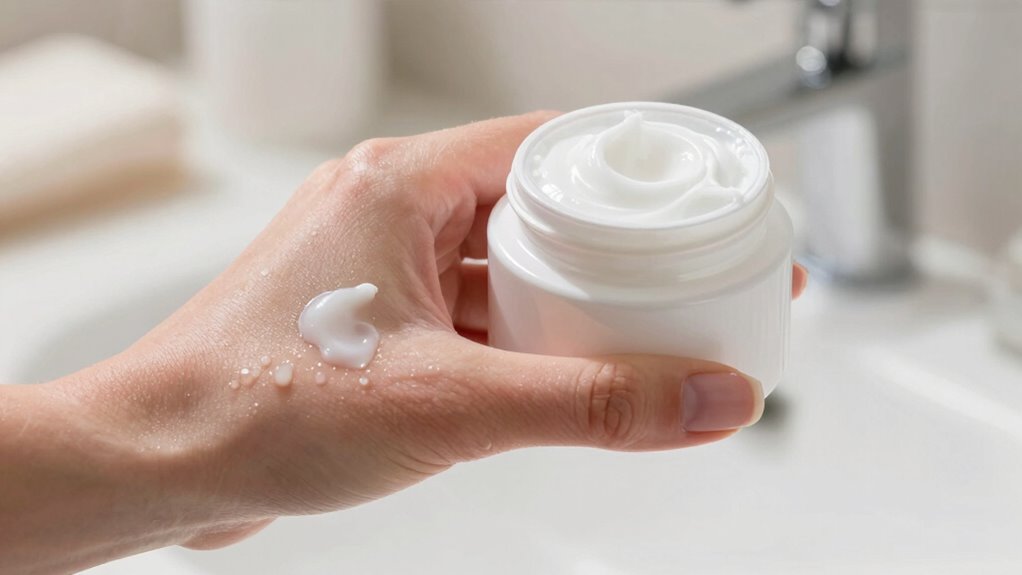
Applying urea products correctly is essential to maximize their benefits and prevent potential irritation. One common mistake is ignoring product formulation; some formulations may be too concentrated or contain harsh ingredients that can cause discomfort. Always read labels carefully and choose products suited for your skin type. Another mistake is neglecting ingredient interactions—using urea alongside certain acids or exfoliants can increase irritation or reduce effectiveness. Avoid layering multiple active ingredients without guidance. Additionally, applying urea on damaged or broken skin can cause stinging or redness. Make sure your skin is clean and dry before application, and follow the instructions for frequency. Being aware of product formulation helps you select the safest options for your skin. By paying attention to formulation and ingredient interactions, you’ll ensure your skincare routine is safe and effective.
Is Urea Suitable for Sensitive or Dry Skin? Who Should Skip It?
Urea can be great for dry skin by helping to lock in moisture, but it may cause irritation if you have sensitive skin. If your skin is very sensitive or reacts to certain ingredients, you might want to skip urea or do a patch test first. Knowing your skin type helps you decide if urea is right for you. Additionally, be cautious if your skin is prone to irritation or infection, as urea’s exfoliating properties could potentially aggravate those conditions.
Sensitive Skin Compatibility
If you have sensitive or dry skin, it’s important to think about how urea might affect you. Urea generally has a pH balance compatible with your skin’s natural acidity, helping to maintain a healthy barrier. However, ingredient interactions can vary; some formulations may contain other actives that could irritate sensitive skin. It’s wise to patch test before regular use. Urea’s keratolytic properties might cause stinging or redness if your skin barrier is compromised. If you notice irritation, it’s best to skip products with high concentrations of urea or those with added fragrances and alcohol. Overall, when used correctly and in suitable formulations, urea can be gentle enough for sensitive skin, but always listen to your skin’s reactions and consult a dermatologist if unsure.
Dry Skin Benefits
For those with dry skin, urea can be a highly effective ingredient that helps restore moisture and improve skin texture. It works by breaking down dead skin cells, enhancing natural exfoliation, and promoting deeper hydration. Urea’s ability to attract and retain water makes it a powerful hydration technique, especially when combined with other moisturizing ingredients for ingredient synergy. This synergy boosts the skin’s barrier function, reducing dryness and flakiness. Urea penetrates deeply, delivering long-lasting moisture and leaving your skin feeling softer and more supple. It’s particularly suitable for very dry, rough, or cracked skin, helping to restore a smoother, healthier appearance. Just keep in mind that consistent use can deliver significant benefits for dry skin concerns.
When to Avoid
While urea offers many benefits for dry and rough skin, it’s not suitable for everyone. If you have sensitive skin or open wounds, you should exercise caution with usage precautions. Urea can cause irritation or stinging if your skin barrier is compromised or if you’re prone to allergies. Additionally, ingredient interactions matter; combining urea with acids, retinoids, or other potent skincare actives may increase irritation. Always perform a patch test before applying extensively, and consult a dermatologist if you’re unsure. People with allergies to urea or similar compounds should avoid it altogether. If your skin reacts negatively or becomes inflamed, stop use immediately. In these cases, skipping urea helps prevent further discomfort or damage.
How to Choose the Right Urea Concentration for Your Skin
Choosing the right urea concentration depends on your skin’s specific needs and condition. Urea formulations come in various strengths, from low to high concentrations, each suited for different concerns. For delicate or sensitive skin, start with products containing 5-10% urea to gently hydrate and exfoliate without irritation. If you have severely dry, rough, or thickened skin, higher concentrations like 20-40% can be more effective. Always follow concentration guidelines provided by the manufacturer or your dermatologist. Keep in mind that lower percentages are milder and less likely to cause discomfort, while higher levels deliver stronger exfoliation and hydration. Adjusting the urea concentration to your skin’s tolerance guarantees you reap benefits without unnecessary stinging or irritation. Understanding the Gold IRA markets can help you make informed decisions about your investments, just as selecting the correct urea concentration requires careful consideration of your skin’s needs. Additionally, being aware of safe usage practices ensures you maximize benefits while minimizing potential side effects. Regularly checking for product updates and guidelines can also help optimize your skincare routine and prevent adverse reactions. Incorporating traditional healing methods can further enhance your skin’s health through natural and culturally relevant practices.
Tips for Minimizing Stinging and Discomfort When Applying Urea
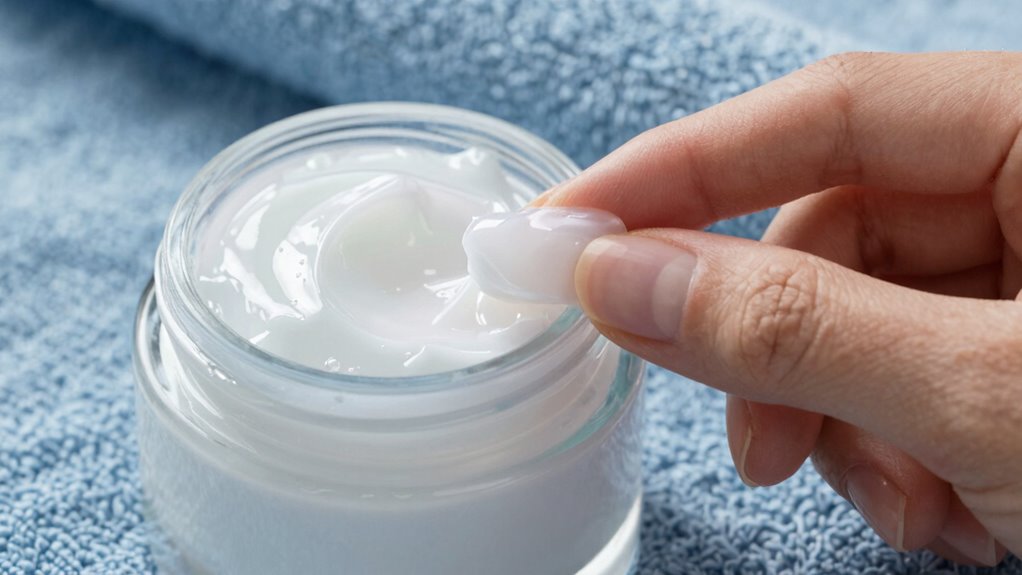
Applying urea can sometimes cause stinging or discomfort, especially if your skin is sensitive or the product has a high concentration. To minimize this, start with a lower concentration and gradually increase as your skin adapts. Urea’s molecular structure allows it to penetrate the skin effectively, but this same property can cause irritation if your skin is compromised. Since urea’s natural occurrence in the body helps maintain moisture, using it in gentle formulations can reduce discomfort. You can also apply urea after bathing when your skin is damp, which helps it absorb better and reduces stinging. Avoid applying on broken or irritated skin, and consider patch testing first. Incorporating sensitive skin considerations and proper application techniques can help you enjoy urea’s benefits without unnecessary discomfort. Additionally, paying attention to product concentration can make a significant difference in comfort levels. Being aware of skin sensitivity can further guide you in choosing suitable formulations and application methods. Using products with a lower concentration of urea initially can also help your skin build tolerance more comfortably. Remember that skin barrier health plays a vital role in how your skin reacts to active ingredients like urea.
When Should You See a Dermatologist About Urea Reactions?
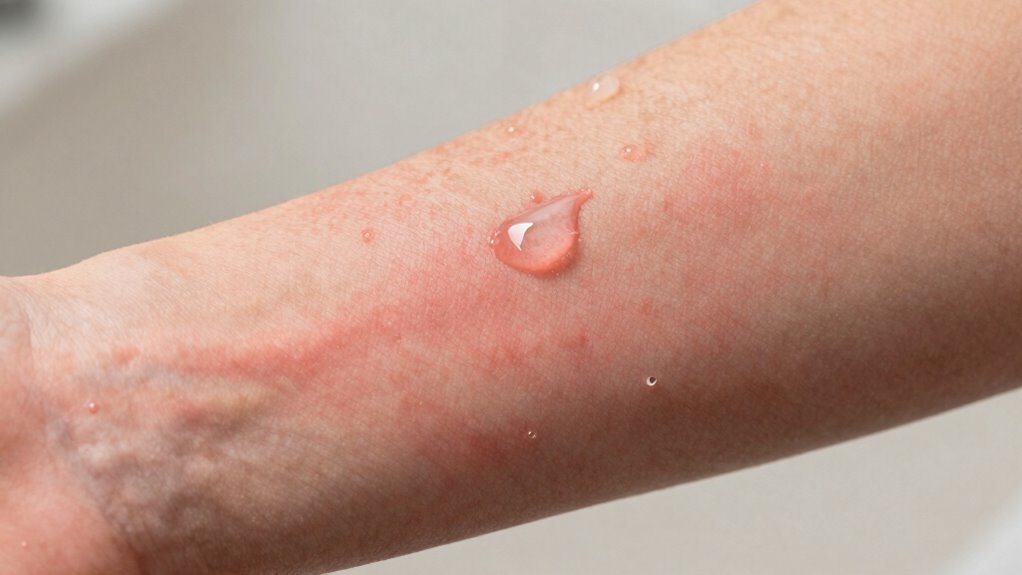
If you notice persistent redness, swelling, or intense burning after using urea, it’s time to see a dermatologist. These reactions could indicate urea allergies or heightened skin sensitivity. Even if your skin initially tolerated urea, delayed or worsening symptoms warrant professional evaluation. Allergic reactions may involve rash, hives, or blistering, while increased sensitivity can cause ongoing discomfort or irritation. Don’t overlook these signs, as they can lead to more severe skin issues if left untreated. A dermatologist can determine whether you have a true allergy or if your skin simply needs a gentler approach. They can also recommend appropriate treatments or alternative products to protect your skin health. Trust expert advice to prevent further reactions and ensure safe skincare.
Frequently Asked Questions
Can Urea Be Used Alongside Other Active Skincare Ingredients Safely?
Yes, you can use urea alongside other active skincare ingredients, but ingredient compatibility and formulation considerations matter. You should avoid combining urea with strong acids or enzymes that may cause irritation or reduce effectiveness. It’s best to introduce new products gradually and patch test. Always read labels carefully and consult a dermatologist if you’re unsure about combining urea with other actives to guarantee safe, effective use.
How Long Does It Typically Take to See Results With Urea?
You can usually expect to see initial results with urea within one to two weeks of consistent use. The time to see significant improvements depends on your skin condition, but many notice smoother, softer skin in about four to six weeks. Keep in mind that patience is key; regular application helps maximize the benefits, and visible changes may vary based on your skin’s response and the concentration of urea in your product.
Are There Any Age Restrictions for Using Urea in Skincare?
Think of urea as a gentle gardener for your skin, but age considerations matter. Generally, urea is safe for adults, but pediatric use should be cautious and only under medical guidance. There are no strict age restrictions, yet it’s best to consult a dermatologist if you’re considering it for children. Always prioritize safety, especially when using products on sensitive or developing skin.
Is Urea Safe for Use During Pregnancy or Breastfeeding?
Urea is generally safe during pregnancy and breastfeeding when used in skincare products at recommended concentrations. However, you should always check with your healthcare provider before use, especially if you’re pregnant or nursing. While urea is unlikely to pose risks, pregnancy safety and breastfeeding considerations recommend avoiding high concentrations or products with additional active ingredients. Stick to dermatologist-approved formulas to stay safe for you and your baby.
Can Urea Be Used on Open Wounds or Broken Skin?
You shouldn’t use urea on open wounds or broken skin because it can cause irritation or stinging. Open wound caution is essential, as urea may delay healing or worsen the condition. For broken skin safety, stick to products designed for damaged skin and avoid urea until your skin is fully healed. Always consult a healthcare professional before applying urea or any skincare ingredient to open or broken areas.
Conclusion
Remember, your skin’s story is unique—sometimes it welcomes the gentle embrace of urea, and other times it prefers a softer touch. Pay close attention to how it reacts, like listening to a whispered secret from your skin’s delicate landscape. With mindful application and patience, you can navigate this path smoothly, allowing your skin’s natural glow to shine through like dawn breaking over a quiet, awakening horizon.
Fall Picks
fall essentials
As an affiliate, we earn on qualifying purchases.