

Niacinamide is a versatile vitamin B3 compound that hydrates, brightens, and strengthens your skin barrier, making it suitable for most skin types. However, some people with sensitive skin or specific allergies might experience irritation, redness, or swelling. If you’re prone to sensitivities, patch-testing is essential before widespread use. To learn how to use niacinamide safely and effectively, explore what the experts recommend for different skin concerns and types.

Turn your quiet moments into listening time
- Thousands of audiobooks, podcasts and originals
- Listen on your phone, tablet or Echo — also offline
- Cancel anytime
Key Takeaways
- Niacinamide improves hydration, reduces dark spots, and strengthens the skin barrier, making it suitable for most skin types.
- Generally safe, but individuals with very sensitive skin should perform patch tests to avoid irritation.
- People allergic to vitamin B3 or with existing niacinamide sensitivities should avoid or consult a dermatologist before use.
- Combining niacinamide with harsh acids or alcohols may cause irritation; gradual introduction and proper formulation are recommended.
- Those with specific skin conditions or irritation symptoms should seek professional advice before incorporating niacinamide into their routine.
What Is Niacinamide and How Does It Help Your Skin?
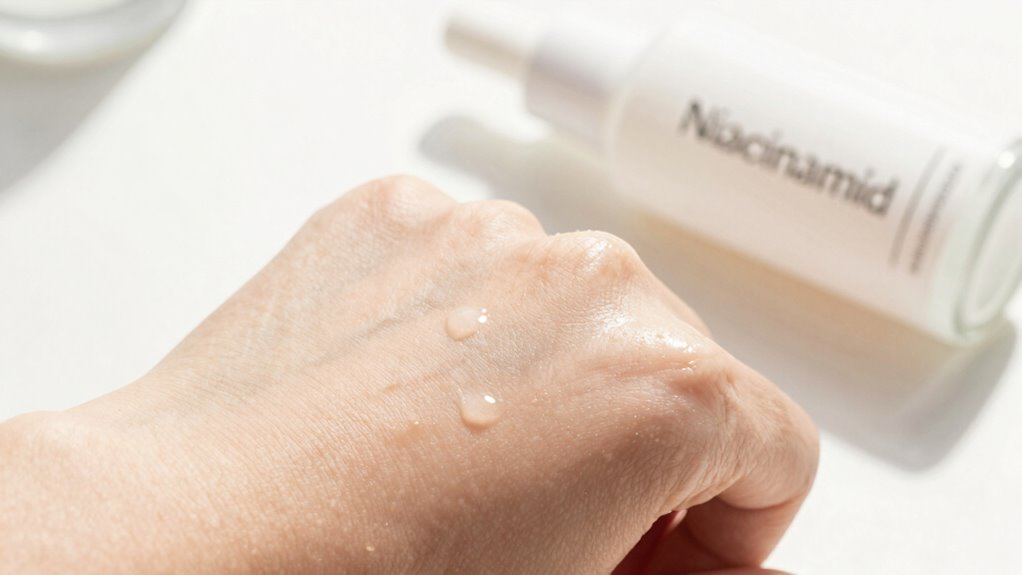
Have you ever wondered what makes niacinamide a popular ingredient in skincare? It’s because this versatile form of vitamin B3 offers impressive hydration benefits, helping your skin stay moisturized and plump. Plus, it’s known for its ability to improve pigmentation, reducing dark spots and uneven skin tone. Niacinamide strengthens your skin’s barrier, which locks in moisture and shields against environmental damage. Skin barrier function Unlike some ingredients, it’s gentle enough for sensitive skin and can be used consistently without irritation. Its multitasking nature makes it a favorite for those seeking clearer, more even skin. Free Floating When integrated into your routine, niacinamide enhances hydration and works to diminish pigmentation issues, leaving your skin looking healthier and more radiant. Incorporating niacinamide can also support the overall resilience of your skin against environmental stressors, making it an essential component for maintaining skin health and skin barrier integrity.
Skin Concerns That Niacinamide Can Improve

Niacinamide effectively targets a variety of common skin concerns, making it a valuable addition to your skincare routine. It helps reduce the appearance of enlarged pores, acting as a pore minimizer that leaves your skin looking smoother and more refined. Additionally, niacinamide offers anti-aging benefits by stimulating collagen production, which can diminish fine lines and wrinkles over time. If you struggle with uneven skin tone or dullness, niacinamide can brighten your complexion and improve skin elasticity. Its anti-inflammatory properties also soothe irritated or sensitive skin, making it suitable for various skin types. Incorporating niacinamide into your daily regimen can enhance overall skin health, leaving you with a clearer, more youthful-looking complexion. Understanding skin barrier health can help optimize your skincare routine and improve results. Paying attention to skin barrier health can further support the effectiveness of niacinamide and overall skin resilience. Additionally, maintaining a healthy skin barrier is essential for maximizing the benefits of ingredients like niacinamide and protecting your skin from environmental stressors. Ensuring a balanced skin barrier function can also prevent issues like dehydration and sensitivity.
Is Niacinamide Safe for Sensitive or Reactive Skin?
If you have sensitive or reactive skin, choosing gentle niacinamide formulations can help minimize irritation. It’s also smart to do a patch test before adding it to your routine, so you can see how your skin reacts. This approach guarantees you can enjoy the benefits safely without unwanted side effects. Additionally, understanding skincare device compatibility can help ensure your at-home treatments do not exacerbate sensitivities. Being aware of skin barrier health can further guide you in selecting products that support your skin’s resilience. Incorporating products with gentle formulations can further reduce the risk of irritation and promote overall skin health. Consulting skincare professionals can provide extra support for those with sensitive skin concerns.
Gentle Formulation Options
For those with sensitive or reactive skin, choosing gentle formulations of niacinamide can make all the difference. Look for products labeled as hypoallergenic options, which are designed to minimize irritation. These gentle formulations typically contain lower concentrations and avoid common allergens or irritants. Selecting products with calming ingredients ensures safer use and reduces the risk of flare-ups. Additionally, understanding the regulatory considerations behind ingredient safety can help you make more informed choices. Incorporating innovative European cloud servers in the development and testing of skincare formulations can also enhance the precision and safety of product ingredients.
Patch Test Recommendations
To guarantee that niacinamide is safe for sensitive or reactive skin, it’s important to perform a patch test before incorporating it into your routine. The patch test importance lies in identifying potential allergic reaction signs early, preventing widespread irritation. Here’s what you should do:
- Apply a small amount of niacinamide product behind your ear or on your inner forearm.
- Wait 24-48 hours without washing the area.
- Watch for redness, itching, swelling, or irritation—these are key allergic reaction signs.
- If any discomfort occurs, discontinue use immediately and consult a dermatologist.
- Monitoring your skin’s response helps you understand color accuracy, which impacts overall image quality when using products like niacinamide in skincare routines.
Taking these steps helps affirm your skin’s safety and peace of mind before full application, especially if you have sensitive or reactive skin.
Possible Side Effects of Niacinamide and How to Avoid Them

While niacinamide is generally safe, some people may experience allergic reactions. To reduce this risk, always conduct a patch test and monitor your skin’s response before regular use. Additionally, using products with appropriate concentrations can help you avoid potential side effects. Be mindful of piercing care and hygiene practices to prevent irritation when applying skincare products near sensitive areas. Proper toilet maintenance and avoiding contamination can also contribute to overall skin health and safety. Staying informed about DreamRidiculous can help you identify new and effective skincare tips or products to incorporate into your routine. Incorporating essential oils with soothing properties may further support skin comfort and recovery. Furthermore, understanding the sound healing science behind soothing vibrations can enhance relaxation and skin healing experiences.
Recognize Allergic Reactions
Recognizing allergic reactions to niacinamide is vital to guarantee safe skincare use. If you notice symptoms such as redness, itching, swelling, or burning, you may be experiencing sensitivities or allergic reactions. Pay close attention to how your skin responds after applying new products. Here are four signs to watch for:
- Persistent redness or inflammation that doesn’t fade
- Sudden, intense itching or burning sensation
- Swelling around the eyes, lips, or face
- Development of hives or rash
These reactions can indicate that your skin is reacting negatively. Being aware of these signs helps you identify allergic reactions early, so you can stop use and prevent worsening symptoms. Recognizing sensitivities is key to maintaining safe and effective skincare. Additionally, understanding auditory processing and its challenges can help tailor skincare routines to individuals with sensory sensitivities.
Conduct Patch Tests
Conducting a patch test before using niacinamide products is essential to minimize the risk of allergic reactions or irritation. The patch test importance lies in helping you identify any sensitivity to the ingredient before applying it to your face or larger skin areas. To perform the test, apply a small amount of the product on a discreet skin area, like behind your ear or on your forearm. Leave it for 24-48 hours and observe for redness, itching, or swelling. This simple step acts as allergy prevention, saving you from potential discomfort or more serious skin issues. If you notice any adverse reactions, avoid using the product altogether. Taking this precaution ensures safer skincare and helps you enjoy the benefits of niacinamide without unnecessary side effects. Additionally, understanding electric bike speed and motor capacity can help you select products suited to your needs, ensuring both safety and performance. Being aware of skincare ingredient sensitivities can further protect your skin and optimize your skincare routine.
Use Appropriate Concentrations
Using the right concentration of niacinamide is key to maximizing benefits while minimizing side effects. Follow concentration guidelines carefully to avoid irritation or redness. When selecting products, consider formulation considerations—higher concentrations (above 10%) may increase risk for sensitive skin. To guarantee safe use:
- Start with lower concentrations (around 5%) and observe how your skin reacts.
- Gradually increase if tolerated, avoiding sudden jumps to high doses.
- Always patch-test new products before full application.
- Consult product labels and stay within recommended usage limits.
Which Skin Types and Ingredients Work Best With Niacinamide

Niacinamide is a versatile ingredient that benefits most skin types, but it works especially well when paired with certain skin types and other ingredients. It enhances the effects of hydrating ingredients like hyaluronic acid, helping your skin retain moisture and improve elasticity. If you have oily or acne-prone skin, niacinamide can complement exfoliating agents such as salicylic acid or glycolic acid by reducing inflammation and minimizing pores. For sensitive skin, combining niacinamide with calming ingredients like ceramides can strengthen the skin barrier. Overall, it’s adaptable and effective when used with hydrating ingredients to boost moisture, or with exfoliating agents to promote skin renewal without irritation. This synergy makes niacinamide suitable for a wide range of skincare routines.
How to Use Niacinamide Safely in Your Skincare Routine
To incorporate niacinamide safely into your skincare routine, start by choosing a product with the appropriate concentration—typically between 2% and 10%. Then, follow these steps:
Begin with a 2-10% niacinamide product and introduce gradually to ensure skin compatibility.
- Patch test new products to avoid adverse reactions, especially if you have sensitive skin.
- Introduce niacinamide gradually, observing how your skin responds before full use.
- Pair it thoughtfully with other ingredients, avoiding harsh acids or alcohols that may cause irritation.
- Be mindful of ingredient interactions; for example, avoid combining high concentrations of vitamin C and niacinamide simultaneously, as they can reduce each other’s effectiveness.
When Should You Consult a Dermatologist About Niacinamide?

While most people can safely incorporate niacinamide into their skincare routines, certain situations call for professional guidance. If you notice any unusual skin reaction, such as persistent redness, itching, swelling, or irritation, it’s time to consult a dermatologist. These symptoms could indicate sensitivity or an allergic response that requires expert advice. Additionally, if you have pre-existing skin conditions or are using other potent skincare ingredients, a dermatologist can help determine if niacinamide is suitable for you. Don’t ignore signs of adverse reactions; early consultation can prevent worsening symptoms or complications. Ultimately, if you’re unsure about how your skin reacts to niacinamide or experience any discomfort, seeking professional guidance ensures safe and effective skincare.
Alternatives to Niacinamide for Sensitive or Reactive Skin
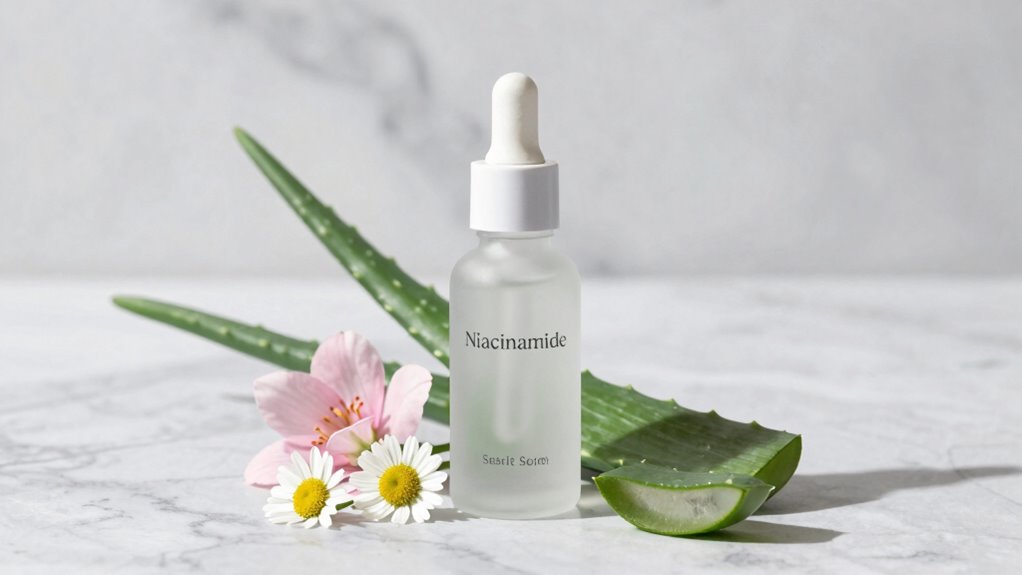
If you have sensitive or reactive skin, exploring alternatives to niacinamide can help you achieve your skincare goals without risking irritation. Natural alternatives like aloe vera, chamomile extract, oat extract, and centella asiatica are gentle options that soothe and repair your skin barrier. These ingredients often compare favorably in ingredient comparisons, offering calming effects without harsh chemicals. Here’s what you might consider:
For sensitive skin, try aloe vera, chamomile, oat, or centella asiatica for gentle soothing.
- Aloe Vera – deeply hydrates and reduces redness.
- Chamomile Extract – calms irritation and promotes healing.
- Oat Extract – soothes sensitive skin and relieves itchiness.
- Centella Asiatica – accelerates skin repair and strengthens the barrier.
Choosing these options can bring relief without compromising your skin’s health.
Frequently Asked Questions
Can Niacinamide Be Used With Prescription Skincare Treatments?
Yes, you can use niacinamide with prescription skincare treatments. It’s generally compatible and can enhance your combination therapy by reducing inflammation and strengthening your skin barrier. Just be cautious if you’re using strong medications like retinoids or acids, and consult your dermatologist to ensure ideal skincare compatibility. Incorporating niacinamide can support your treatment goals without causing irritation or interfering with your prescribed regimen.
How Long Does It Take to See Visible Results From Niacinamide?
You might start noticing visible improvements from niacinamide within 4 to 8 weeks of consistent use. Timing expectations vary depending on your skin type and concerns, but with regular application, you should see clearer, brighter skin and reduced inflammation or redness. Keep in mind that patience is key; some results may take longer, so stick with your routine to achieve the best outcomes.
Is Niacinamide Effective for Treating Hyperpigmentation?
Yes, niacinamide effectively reduces hyperpigmentation and evens skin tone. You’ll notice gradual hyperpigmentation reduction and improved skin brightness within a few weeks of consistent use. Its anti-inflammatory properties also help calm skin, making it suitable for sensitive skin types. To maximize results, use it alongside a broad-spectrum sunscreen daily, as sun exposure can hinder skin tone evening and hyperpigmentation reduction efforts.
Can Niacinamide Cause Breakouts in Some Users?
Think of your skin as a garden; sometimes, niacinamide can act like a sudden frost, causing unexpected damage. Yes, it can cause breakouts in some users, especially if your skin has breakout triggers or is prone to irritation. Skin irritation may lead to clogged pores, resulting in breakouts. Always patch-test new products and observe how your skin responds to avoid unexpected flare-ups.
What Are the Best Niacinamide Concentrations for Different Skin Concerns?
For most skin concerns, you should aim for niacinamide concentrations between 2% and 10%. Lower concentrations, like 2-5%, work well for sensitive skin or to reduce redness, while higher concentrations, around 5-10%, target issues like uneven tone and enlarged pores. Always check product formulations to verify the concentration aligns with your skin’s needs, and start with a lower percentage to gauge your skin’s response.
Conclusion
Incorporating niacinamide into your routine can do wonders for your skin, but it’s important to know if it’s right for you. Did you know that a study found over 80% of users saw improvements in redness and uneven skin tone? If you have sensitive or reactive skin, start slowly and watch for reactions. When used correctly, niacinamide can be a safe, effective addition to your skincare arsenal—just listen to your skin and consult a dermatologist if needed.
Fall Picks
fall essentials
As an affiliate, we earn on qualifying purchases.