
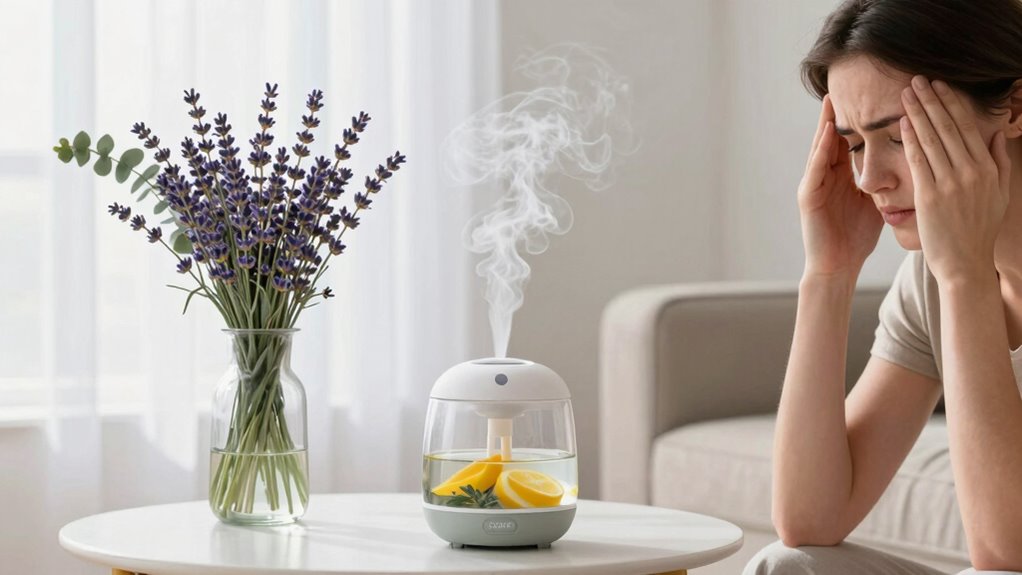

Even “clean” scents can trigger headaches because both natural and synthetic fragrance ingredients may irritate sensitive noses and nervous systems. Ingredients like limonene, linalool, phthalates, and artificial musks often cause reactions, especially in those with scent sensitivities. You might notice headaches after exposure, but strategies like choosing fragrance-free products, improving ventilation, and using natural scents can help. If you want to learn more about managing these triggers, keep exploring the options available to you.
Key Takeaways
- “Clean” scents often contain synthetic or oxidized ingredients like limonene and linalool that can irritate sensitive nasal passages.
- Artificial fragrance components such as phthalates and benzene derivatives are linked to headaches and sensitivities.
- Individual scent sensitivities vary, and even natural or hypoallergenic labels may still cause reactions.
- Molecules from fragrances enter the body via inhalation or skin, triggering immune or nervous system responses that lead to headaches.
- Reducing exposure through unscented products, improving ventilation, and using natural essential oils can help minimize triggers.
Why Do Some ‘Clean’ Scents Trigger Headaches?
Even though many people associate clean scents with freshness and purity, these fragrances can sometimes trigger headaches. Fragrance misperceptions lead us to believe that all “clean” smells are harmless, but that’s not always true. Scent sensitivity awareness varies from person to person; what feels revitalizing to one might cause discomfort in another. Many so-called “clean” fragrances contain artificial or overpowering notes that can irritate the nasal passages or trigger headaches. The misconception that natural or hypoallergenic equals non-irritating can be misleading. It’s crucial to recognize that scent sensitivity isn’t solely about allergies. Your reactions depend on individual factors, making it important to understand your body’s responses and avoid fragrances that, despite their clean reputation, may cause headaches. Additionally, understanding free floating scents can help you identify and avoid triggers more effectively. Recognizing the specific volatile compounds present in these fragrances can aid in avoiding adverse reactions and is supported by research on sensory perception. Being aware of individual variability can help you better tailor your exposure and reduce the risk of headaches caused by “clean” scents.
Furthermore, staying informed about market trends in fragrance formulations can help consumers select products less likely to provoke sensitivities.
What Are the Common Fragrance Ingredients That Cause Discomfort?
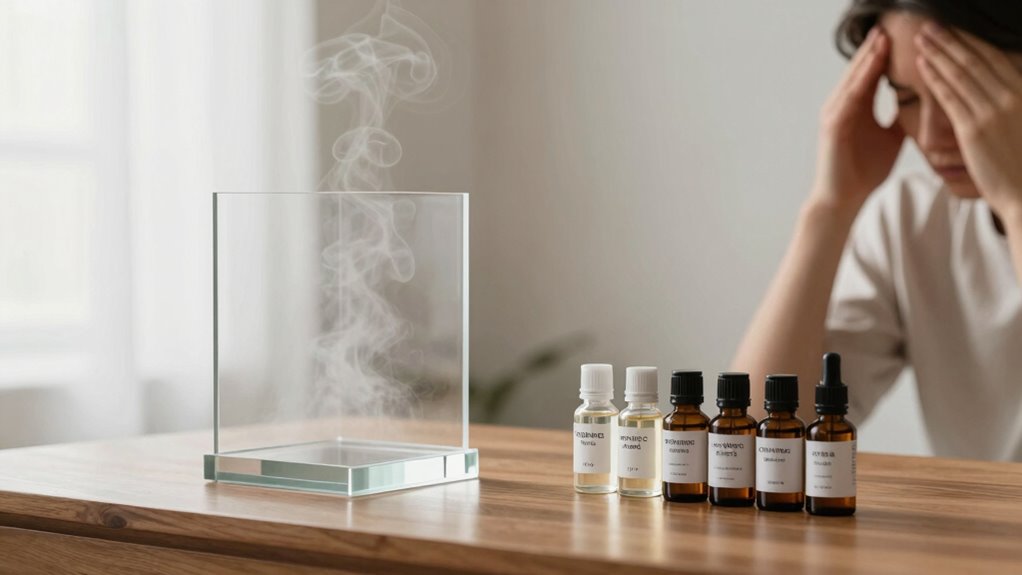
Certain fragrance ingredients are more likely to cause discomfort or headaches, especially for those with scent sensitivities. These often include volatile compounds and allergenic chemicals found in many fragrances. You might be surprised how many common ingredients can trigger reactions. Here are some to watch out for:
- Synthetic musks, which are persistent volatile compounds.
- Phthalates, used to stabilize scents but known as allergenic chemicals.
- Limonene and linalool, natural compounds that can oxidize into irritants.
- Benzene derivatives, often present in artificial fragrances, linked to sensitivities.
- Additionally, some fragrances may contain elements that affect water-based environments, which can influence the overall sensory experience and potential reactions. Recognizing fragrance ingredients that are known irritants can help you better interpret product labels and make informed choices, reducing the risk of headaches and discomfort. Being aware of these ingredients also assists in reducing indoor pollutants, which can contribute to a more comfortable environment.
Being aware of these ingredients helps you avoid products that could trigger headaches or discomfort. Always check labels for these common irritants to protect yourself from unwanted reactions.
How Does Your Body React to Fragrance Molecules?
When you encounter fragrance molecules in products, your body quickly detects and responds to these volatile compounds through your respiratory system and skin. Fragrance molecule absorption occurs as tiny particles enter your lungs or pass through your skin, triggering your body’s scent response. This can lead to sensations like headaches, dizziness, or irritation. To visualize this, consider the following:
| Entry Point | Reaction | Outcome |
|---|---|---|
| Inhalation | Molecules bind to nasal receptors | Sensory signals sent to brain |
| Skin contact | Molecules penetrate skin layers | Local or systemic response |
| Bloodstream | Circulates throughout your body | Widespread effects |
| Nervous system | Signal transmission to brain | Headaches, migraines |
| Immune response | Possible allergic reactions | Inflammation, discomfort |
This process explains how your body reacts to fragrance molecules, shaping your overall scent response. Additionally, some individuals may be more sensitive due to immune response variations, contributing to their reactions. Understanding these pathways can help in managing sensitivities and choosing safer products. Recognizing that individual differences in immune responses can influence reactions is crucial for those with heightened sensitivities.
How Can You Choose Fragrance-Free or Gentle Products?
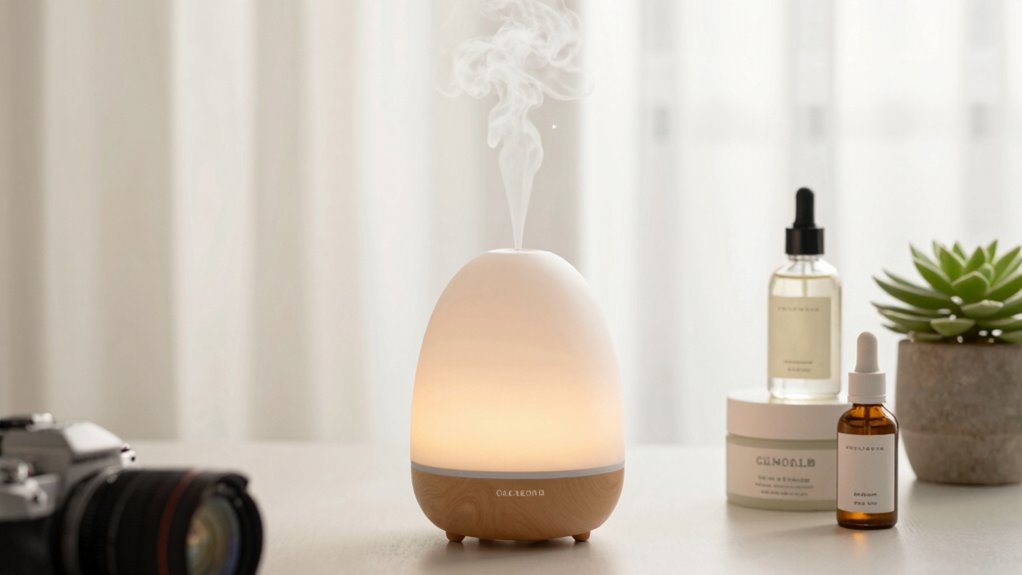
To reduce your exposure to potentially irritating fragrance molecules, choosing fragrance-free or gentle products is an effective strategy. Start by checking fragrance labeling carefully; look for products labeled “unscented” or “fragrance-free,” but verify ingredient lists to avoid hidden scents. Consider natural alternatives, such as products with botanical extracts or simple ingredients, which are often less irritating. When shopping, prioritize brands committed to transparency and hypoallergenic formulas. Additionally, research and opt for products specifically designed for sensitive skin or headache sufferers. Being aware of air quality factors can further help you select safer products. Regularly reviewing and updating your product choices based on ingredient sensitivities can help prevent flare-ups and create a safer environment for your health. By making informed choices and reading labels diligently, you can minimize exposure to triggers and create a safer environment for your health.
What Strategies Help Reduce Indoor Fragrance Headache Triggers?
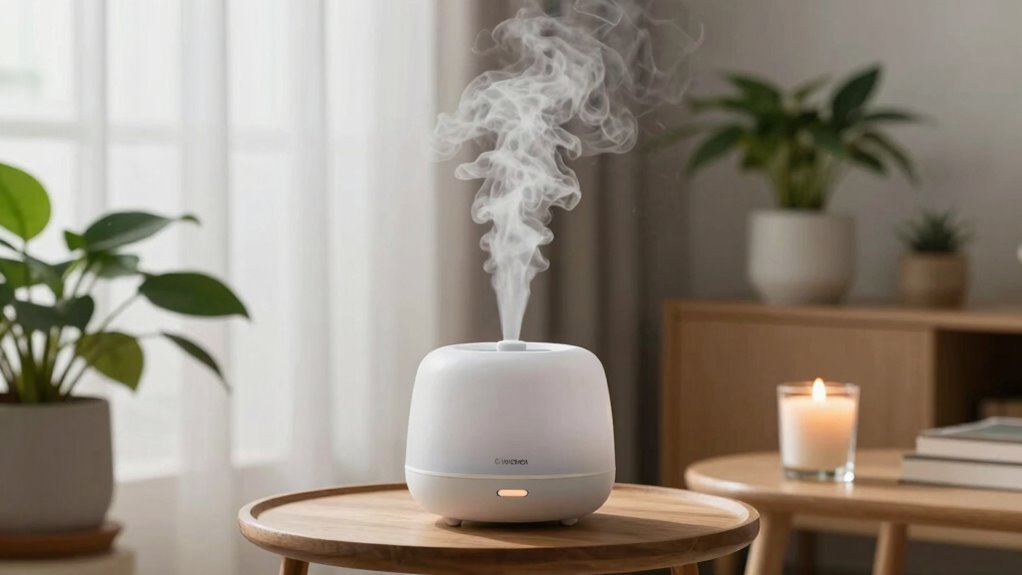
To reduce indoor fragrance headache triggers, start by choosing unscented products whenever possible. Improving ventilation helps disperse lingering scents and freshens the air. Additionally, consider using alternative scents like natural essential oils in well-ventilated spaces to create a more headache-friendly environment. Incorporating air quality monitoring and smart appliances that monitor and control air quality can further enhance indoor comfort and reduce scent-related headaches. Implementing simple organizing strategies such as designated storage for scented products can also help limit unnecessary exposure. Understanding kitchen science & materials, such as how air filtration systems work, can further inform your efforts to create a healthier indoor environment. Regularly checking ventilation efficiency can ensure optimal air circulation and minimize scent buildup.
Choose Unscented Products
Choosing unscented products is one of the simplest ways to reduce indoor fragrance triggers that can cause headaches. By avoiding scented cleaners, air fresheners, and laundry detergents, you eliminate many chemical exposures. To further minimize triggers, consider these strategies:
- Read labels carefully to pick products free of artificial fragrances.
- Use natural remedies like baking soda or vinegar to deodorize spaces without scent.
- Opt for unscented or fragrance-free personal care items.
- Be mindful of emotional triggers; stress and anxiety can heighten your sensitivity to scents.
- Maintaining a healthy lifestyle, including proper hydration and stress management, can also help reduce overall headache frequency by supporting overall health. Additionally, choosing products with low-emission materials can help create a healthier indoor environment. Incorporating air purification devices can further improve air quality and reduce exposure to irritants. Being aware of potential chemical sensitivities can guide you to select safer household products, minimizing headache triggers and promoting well-being.
Improve Ventilation Strategies
Improving ventilation is a key step in reducing indoor fragrance-related headaches because it helps disperse airborne chemicals and odors. Good air quality depends on effective ventilation systems that bring in fresh air and remove stale, contaminated air. You can upgrade your HVAC system, add exhaust fans in bathrooms and kitchens, or open windows regularly to increase airflow. Using air purifiers with HEPA filters also supports better air quality by trapping airborne particles and chemicals. Ensuring proper ventilation reduces the concentration of volatile organic compounds (VOCs) and other irritants that can trigger headaches. Incorporating expert voice actors in educational videos or promotional content can further enhance awareness about maintaining healthy indoor environments. Consistent, well-maintained ventilation strategies keep indoor air cleaner and minimize exposure to fragrance chemicals, helping prevent headache symptoms linked to poor air quality.
Use Alternative Scents
Switching to alternative scents can considerably reduce the headache triggers associated with traditional fragrances. Instead of synthetic air fresheners, try natural alternatives that are less likely to cause irritation. Consider essential oil options, which offer subtle, calming aromas without overwhelming your senses. Here are some strategies to help you find relief: 1. Use essential oil diffusers with diluted essential oils like lavender or peppermint. 2. Choose unscented or lightly scented personal care products. 3. Incorporate natural elements like fresh herbs or flowers into your space. 4. Opt for scent-free cleaning products to minimize indoor fragrance exposure. Additionally, understanding media literacy can help you identify and avoid marketing tactics that promote potentially irritating fragrances.
When Should You See a Doctor About Fragrance Sensitivities?

If fragrance sensitivities considerably impact your daily life or cause severe reactions, it’s important to see a doctor promptly. Persistent or worsening symptoms, such as difficulty breathing, swelling, or intense headaches, warrant professional evaluation. A healthcare provider can determine if you have a fragrance allergy or another underlying issue. They may recommend sensitivity testing to identify specific triggers and guide you on avoiding certain scents. Ignoring severe reactions can lead to serious health risks, so don’t delay seeking medical advice. Even if your symptoms seem mild, consulting a doctor ensures you get an accurate diagnosis and personalized strategies to manage your sensitivities effectively. Early intervention can improve your quality of life and prevent future complications.
Frequently Asked Questions
Are “Natural” or Organic Scents Less Likely to Cause Headaches?
Natural or organic scents, like essential oils, can still trigger headaches, but they might be less intense for you. You should try scent layering carefully, combining mild essential oils to find a balanced aroma that doesn’t overwhelm your senses. Always test small amounts first, as even natural scents can cause sensitivities. By experimenting with gentle blends, you might find a pleasant, headache-free scent experience.
Can Fragrance Sensitivities Develop Over Time or Suddenly Appear?
Yes, fragrance sensitivities can develop suddenly or over time. Your sensitivity progression varies as your fragrance tolerance changes, often influenced by exposure and environmental factors. You might notice new reactions even after years without issues. This fragrance evolution means you should stay alert to symptoms and adjust your environment accordingly, avoiding triggers to prevent headaches and discomfort. Regularly reassess your sensitivities to better manage your fragrance-related health concerns.
Do Certain Daily Habits Increase Sensitivity to Scented Products?
Yes, certain daily habits can increase your sensitivity to scented products. Habit formation from frequent scent exposure can heighten your body’s response over time, making you more prone to headaches. If you regularly breathe in scented candles, air fresheners, or personal fragrances, your scent receptors may become more reactive. Reducing exposure and practicing scent-free routines can help lower your sensitivity and prevent headaches caused by these habits.
How Do Synthetic Fragrances Differ From Natural Ones Regarding Headache Triggers?
You might think natural aromas are gentler, but synthetic chemicals often cause more headaches because they’re more potent and unpredictable. These chemicals can irritate your senses, unlike natural scents, which tend to be milder and less irritating. While natural aromas come from plants and essential oils, synthetic fragrances are man-made, and that’s where trouble can brew. So, if you’re sensitive, it’s best to choose products with natural ingredients when possible.
Are There Specific Ages or Demographics More Prone to Fragrance-Induced Headaches?
You might find that age-related sensitivities influence how you react to fragrances, with children and older adults often more prone to headaches. Demographic differences also play a role; women, for example, tend to report more fragrance-triggered headaches than men. Your personal sensitivity can vary based on these factors, so staying aware of how your age and demographic background affect your reactions helps you manage exposure and reduce headache risks.
Conclusion
You might think “clean” scents are harmless, but they can still trigger headaches due to synthetic ingredients and fragrance molecules your body finds irritating. While some believe natural scents are safer, even plant-based fragrances can cause discomfort. The truth is, your sensitivity depends on your unique body chemistry. By choosing fragrance-free products and minimizing exposure, you can reduce headaches. Trust your body’s signals and consult a healthcare professional if sensitivities persist.