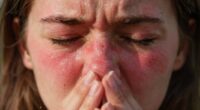
Dry winter air pulls moisture from your lips and skin, making balms alone ineffective because they only create a surface barrier without addressing environmental moisture loss. Low indoor humidity worsens this by accelerating dehydration and weakening your skin’s protective barrier. To truly protect and hydrate, you need to improve humidity levels in your home alongside using nourishing lip products. Keep exploring how adjusting your environment can give your lips the lasting relief they need.

Turn your quiet moments into listening time
- Thousands of audiobooks, podcasts and originals
- Listen on your phone, tablet or Echo — also offline
- Cancel anytime
Key Takeaways
- Dry winter air causes moisture loss from lips, making balms alone insufficient without environmental humidity.
- Low indoor humidity strips lip oils and damages the skin barrier, reducing balm effectiveness.
- Balms create a temporary barrier but don’t restore or maintain natural hydration in dry conditions.
- Without adequate humidity, lips can’t heal properly, leading to persistent cracking despite balm use.
- Maintaining proper indoor humidity levels supports hydration, barrier repair, and enhances lip balm efficacy.
As an affiliate, we earn on qualifying purchases.
Why Does Winter Air Dry Out My Lips and Skin?
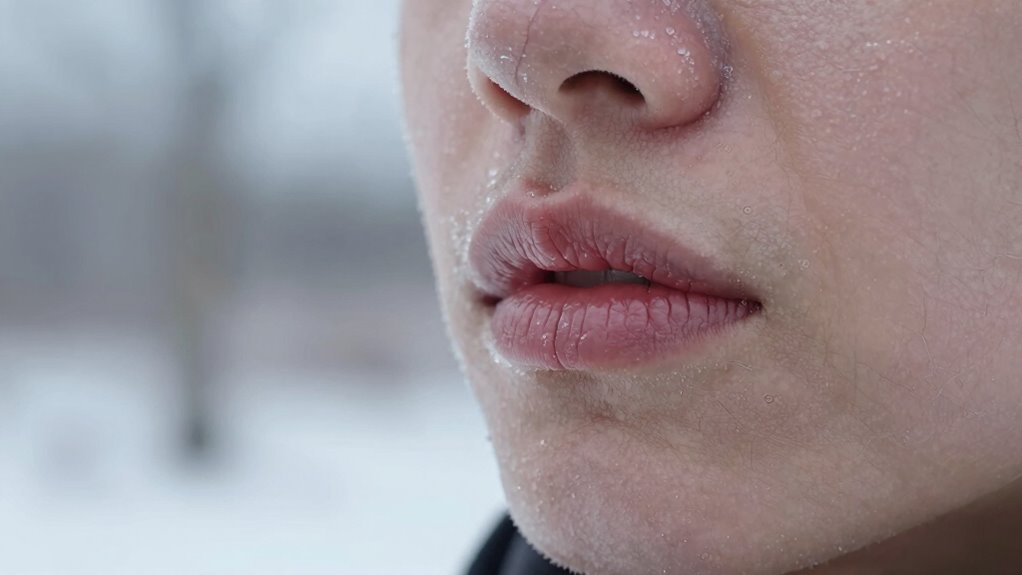
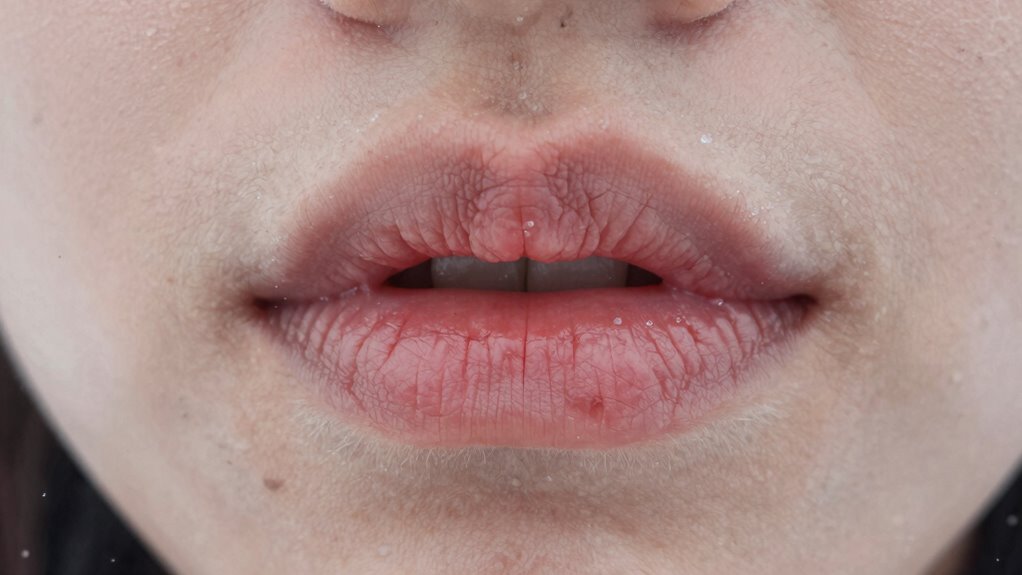
During winter, the cold, dry air pulls moisture away from your skin and lips, leaving them feeling chapped and cracked. The winter wind intensifies this effect by stripping away the thin, protective layer of moisture on your skin’s surface. As a result, your skin becomes dehydrated, losing crucial hydration that keeps it smooth and supple. Lips are especially vulnerable because they lack oil glands, making them prone to quick dehydration. When exposed to harsh winter wind, your body struggles to retain moisture, causing your skin and lips to feel tight, rough, and cracked. This continuous dehydration weakens the skin’s natural barrier, making it more susceptible to further damage and discomfort. To combat this, incorporating indoor humidity can help maintain moisture levels and protect your skin. Maintaining proper humidity levels can also help prevent the dry air from further compromising your skin’s barrier. Additionally, using protective lip balms that contain hydrating ingredients can provide an extra layer of defense against moisture loss. In addition, humidifiers can be effective tools to add moisture back into the indoor environment, helping your skin and lips stay hydrated. Staying protected from the wind and moisture loss is essential to prevent this cycle.
lip balm with hydrating ingredients
As an affiliate, we earn on qualifying purchases.
As an affiliate, we earn on qualifying purchases.
How Does Low Indoor Humidity Make Lip Dryness Worse?
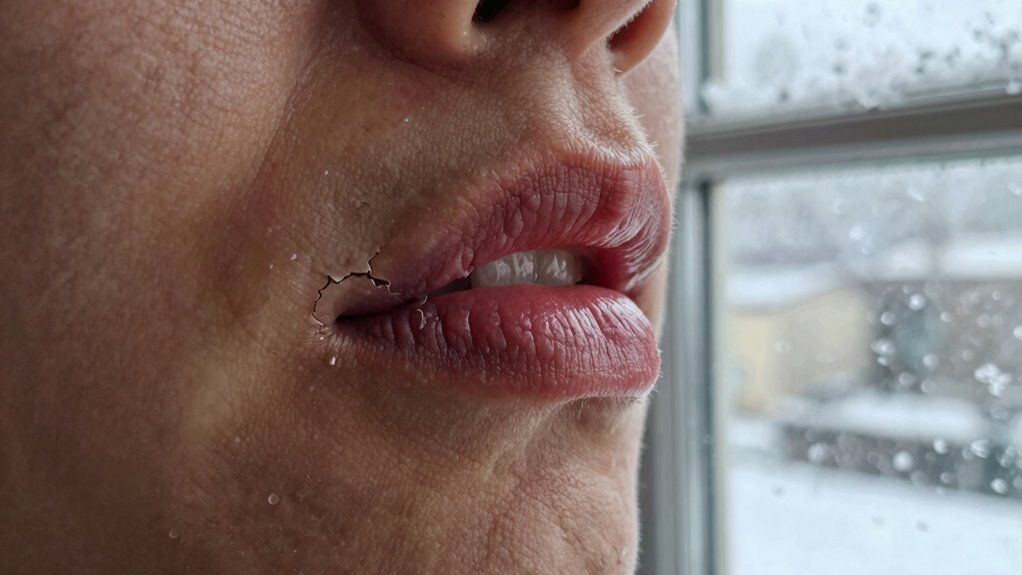
When indoor humidity drops, your lips lose more moisture, making dryness worse. This low humidity also damages your skin’s barrier, so it can’t protect against further moisture loss. Additionally, your lips take longer to heal from cracks and chapping in these dry conditions. Incorporating protective styling benefits like certain lip balms can help shield your lips from the harsh environment. Ensuring proper air quality considerations can further support overall skin hydration by reducing airborne irritants. Maintaining adequate humidity levels can also prevent moisture loss and promote faster healing of irritated lips. Being mindful of art preservation techniques can also help prevent further damage to your skin and lips by maintaining a stable environment. Recognizing the importance of humidity control can make a significant difference in managing winter skin issues.
Increased Moisture Loss
Low indoor humidity speeds up moisture loss from your lips, leaving them dry and cracked. When the air lacks moisture, your lips struggle to retain hydration, especially during cold weather patterns that deplete natural oils. This increased moisture loss reduces lip hydration, making even well-applied balms less effective. As your lips lose water more quickly, they become more prone to peeling and soreness. The dry air pulls moisture from your skin’s surface, intensifying the problem. To combat this, you need to understand how environmental factors influence hydration. Keep in mind that:
- Low humidity accelerates water evaporation from your lips
- Cold weather patterns worsen dehydration
- Your lips become more susceptible to cracking
- Balms alone can’t compensate for environmental moisture loss
- Maintaining indoor humidity helps preserve lip hydration
- Humidity regulation is essential to prevent further moisture depletion in winter environments
Additionally, air circulation can influence how quickly moisture evaporates from your skin and lips, further exacerbating dryness in indoor settings.
Skin Barrier Disruption
Low indoor humidity directly weakens your skin’s natural barrier, making it less able to retain moisture and defend against irritants. When the skin barrier is compromised, your lips become more vulnerable to dryness and damage. The barrier’s role is to lock in hydration and ward off external harmful substances, but dry air strips away lip lipids and natural oils that maintain this defense. As a result, moisture escapes more easily, leaving your lips chapped and flaky. Without a strong skin barrier, even the best lip balms may struggle to provide lasting relief. This disruption also increases sensitivity to environmental irritants, further aggravating dryness. To protect your lips, maintaining a healthy skin barrier is essential, especially during dry winter months when indoor humidity is low.
Reduced Healing Capacity
Reduced indoor humidity hampers your skin’s ability to repair and regenerate itself, making existing lip dryness harder to resolve. Without proper humidity, your hydration cycles slow down, disrupting the healing processes necessary to repair chapped lips. Low humidity means less moisture in the air, which prevents your skin from absorbing water effectively and impairs cell renewal. This creates a vicious cycle where dry, cracked lips struggle to heal, and your body can’t replenish lost moisture efficiently. Additionally, skin barrier function is compromised in low humidity conditions, further increasing vulnerability to damage. Studies in biohacking suggest that maintaining optimal environmental conditions can significantly enhance the body’s natural healing abilities. Enhancing environmental factors helps optimize your body’s capacity for recovery and resilience. Furthermore, proper humidity levels support the maintenance of lip moisture, essential for preventing dryness and cracking.
As an affiliate, we earn on qualifying purchases.
Why Lip Balms Sometimes Fail in Cold Winter Weather?
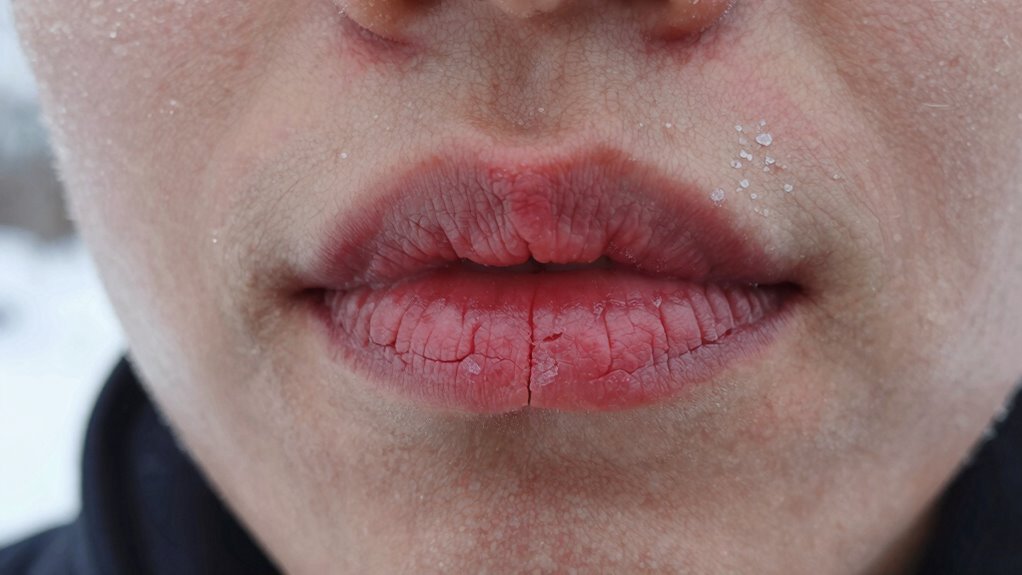
During cold winter weather, lip balms often seem to provide little relief, leaving you wondering why they don’t work as expected. Many fall into lip balm misconceptions, believing these products alone can fully protect against harsh conditions. In reality, without a proper winter skincare routine that includes hydration and humidity, balms can trap dryness rather than prevent it. Additionally, understanding the importance of humidity control helps prevent moisture loss and keeps lips healthier. Recognizing the role of Free Floating elements in the environment emphasizes how moisture levels fluctuate naturally, making it essential to adapt your skincare approach accordingly.
As an affiliate, we earn on qualifying purchases.
How Indoor Humidity Levels Affect Lip Moisture in Winter?
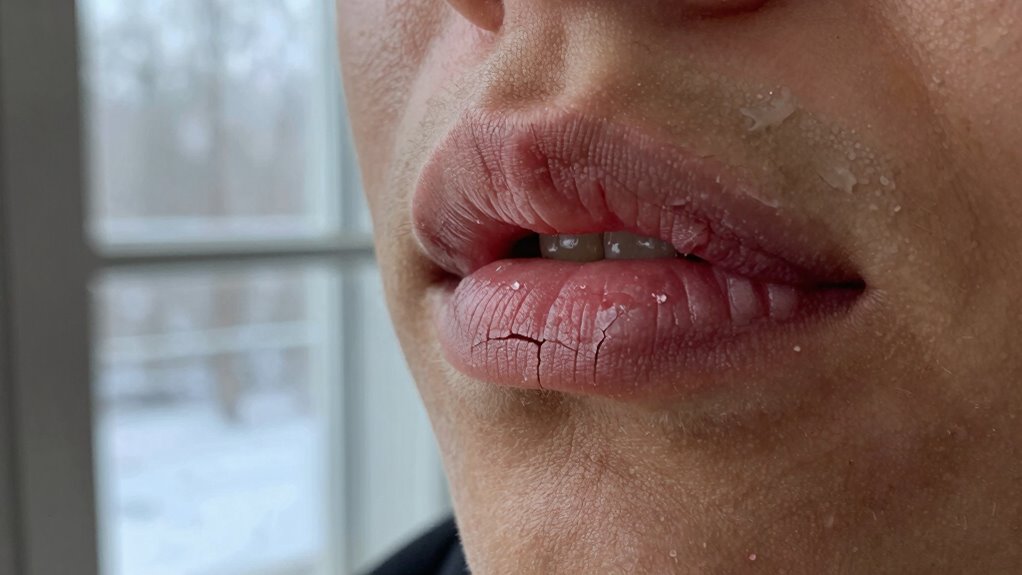
Even if you use lip balm regularly, indoor humidity levels can considerably impact your lips’ moisture during winter. Low humidity causes moisture to evaporate from your skin and lips faster, leading to dryness and cracking. To combat this, consider adding indoor plants that naturally increase humidity and using humidity meters to monitor levels. Maintaining ideal humidity (around 40-60%) helps keep your lips hydrated. Here are some tips:
- Use a humidifier to add moisture to the air.
- Place indoor plants like ferns or pothos for natural humidification.
- Regularly check humidity levels with a reliable meter.
- Avoid over-heating rooms, which dries out the air.
- Keep windows slightly open to allow fresh, moist air inside.
- Consider investing in a beverage fridge to help maintain consistent indoor temperatures and humidity levels. Balancing indoor humidity is key to keeping your lips soft and healthy during winter, especially since electric bikes can be a convenient way to stay active indoors or in mild weather conditions. Additionally, incorporating humidifiers can effectively stabilize indoor moisture levels and prevent lips from becoming chapped. Understanding the importance of indoor humidity can help you make better decisions about your environment and protect your skin. Moreover, understanding Bitcoin Runes can be relevant for those interested in blockchain innovations.
Simple Ways to Increase Humidity in Your Home During Winter?

When winter air becomes dry, increasing your home’s humidity can make a significant difference in keeping your lips and skin hydrated. One simple way is to use humidifiers, placing them strategically in common areas like the bedroom or living room for maximum moisture. Proper humidifier placement ensures even distribution and prevents mold buildup. Additionally, indoor plants can naturally boost humidity; they release moisture through transpiration, helping to humidify the air. Keep plants like pothos or peace lilies in your space to add a touch of greenery while improving indoor moisture levels. Combining these methods creates a more humid environment, reducing dryness and making your lips less prone to cracking during winter. Small adjustments can have a big impact on your comfort and skin health.
How to Combine Humidity Solutions With Lip Care for Better Protection?
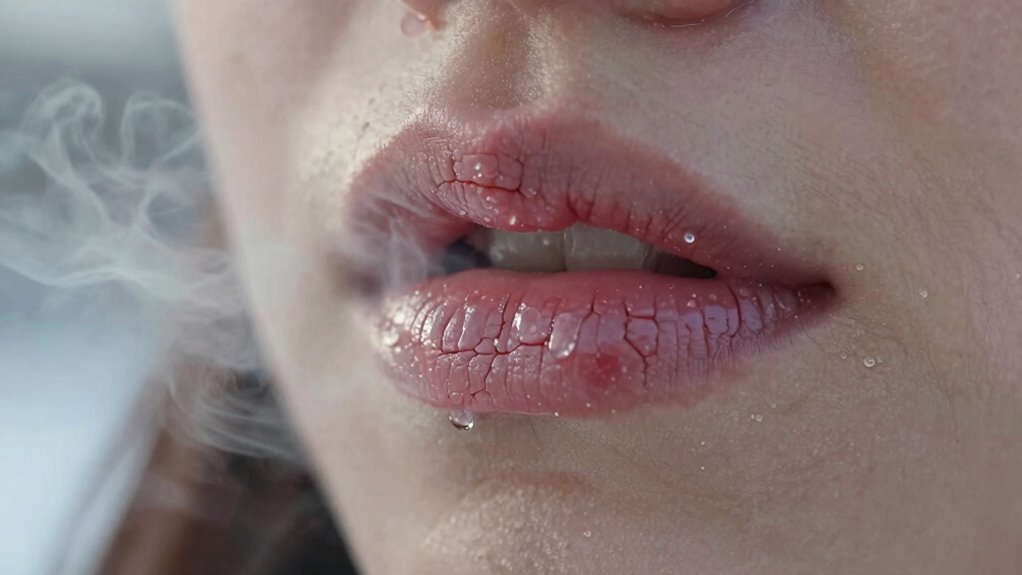
To protect your lips effectively, you should combine humidity solutions like using a humidifier daily with strategic lip balm application. This dual approach helps keep your lips moist from both the inside and outside. By integrating these steps, you’ll improve your overall lip care during dry winter days.
Incorporate Humidifiers Daily
Using a humidifier daily can considerably improve your skin and lip health during dry winter months. The humidifier benefits include increasing indoor moisture, which helps prevent lips from drying out and cracking. To maximize these benefits, place your humidifier in common areas like your bedroom or living room. Keep the device clean to avoid mold and bacteria buildup. Use distilled water to prevent mineral deposits. Set the humidity level around 40-50% for ideal comfort. Regularly check your home’s moisture levels with a hygrometer. Incorporating a humidifier creates a more hospitable environment, reducing the need for constant lip balm application. By maintaining consistent indoor moisture, you support your skin’s natural barrier, keeping lips soft and protected against winter dryness.
- Place in frequently used rooms
- Keep it clean and well-maintained
- Use distilled water for purity
- Monitor humidity with a hygrometer
- Adjust settings for comfort
Use Lip Balms Strategically
Combining the use of lip balms with proper humidity control offers a powerful way to protect your lips during dry winter months. To maximize their effectiveness, focus on strategic lip care by applying lip balm frequently—especially before heading outside or after eating. Make sure to choose a balm with nourishing ingredients like beeswax or shea butter that create a protective barrier. Avoid over-application, which can cause dependency or clogged pores. Instead, apply your balm in thin layers, reapplying as needed throughout the day. Pairing this with humidity solutions, like a humidifier, enhances hydration from within. This combined approach ensures your lips stay moisturized and protected, reducing chapping and cracking even when the air is particularly dry.
Common Mistakes That Make Winter Lip Dryness Worse?
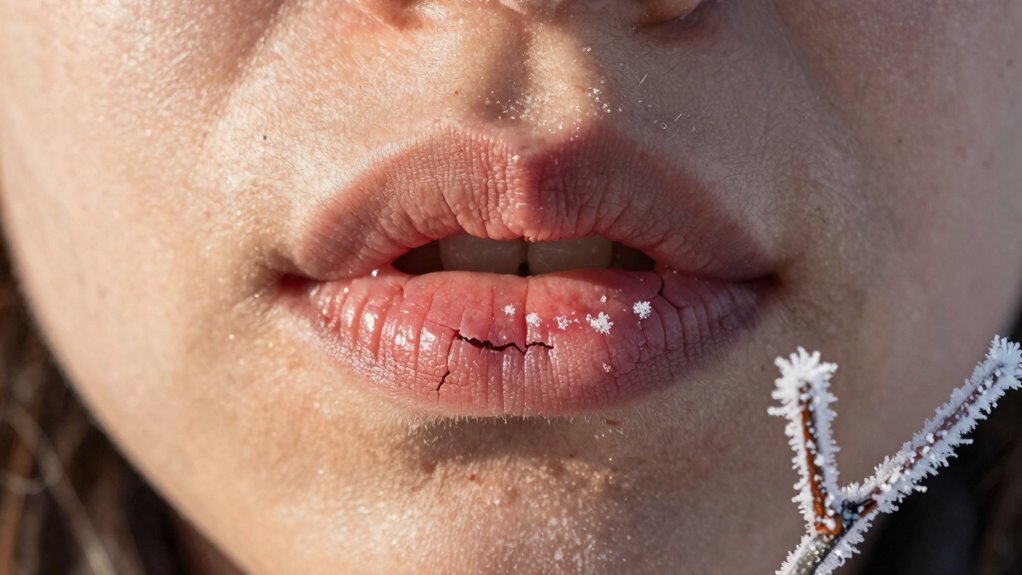
Many common mistakes can worsen winter lip dryness, making your lips more prone to cracking and peeling. One mistake is believing lip balm myths that lead you to over-apply or choose the wrong products. Another is neglecting overall winter skincare, which can weaken your skin’s barrier. You might also lick your lips frequently, which strips away natural oils and worsens dryness. Using harsh scrubs or exfoliants can irritate delicate lips further. Additionally, relying solely on balms without addressing environmental factors like low humidity prevents proper hydration. Avoid these pitfalls by understanding effective winter skincare practices and dispelling lip balm myths. Proper care involves more than just balm; it’s about protecting lips from the harsh, dry air and avoiding habits that make dryness worse.
Choosing the Best Lip Products for Winter Moisture?

To keep your lips well-hydrated during the winter, choosing the right products is essential. Look for lip balm ingredients that provide lasting moisture, such as beeswax, shea butter, and oils like coconut or jojoba. Avoid products with artificial fragrances or alcohol, which can dry out your lips further. Hydration techniques involve selecting balms that form a protective barrier, locking in moisture and shielding your lips from harsh air. Consider balms with occlusive ingredients that trap moisture, especially during extreme cold. Reapply frequently, especially after eating or drinking. Combining a nourishing lip balm with proper hydration habits ensures your lips stay soft and healthy despite the dry winter air. Proper product choice makes all the difference in maintaining moisture and comfort.
When to See a Professional for Persistent Lip Chapping?
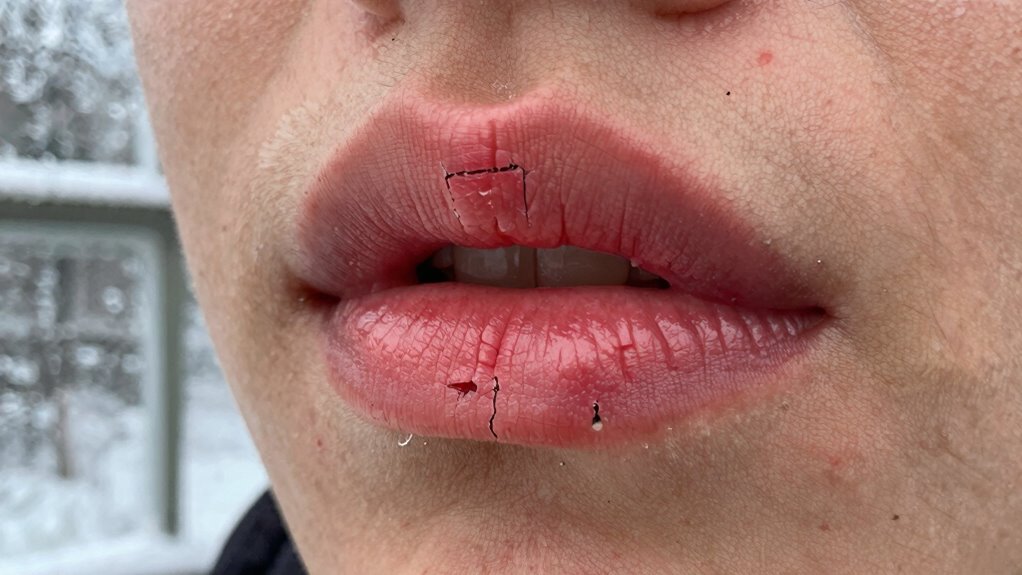
While choosing the right lip products helps prevent chapping, sometimes your lips may still remain sore and cracked despite your best efforts. If your persistent chapping lasts more than a week or worsens, it’s time to seek a professional consultation. Persistent chapping could signal underlying issues like infections, eczema, or nutritional deficiencies that require medical attention. You should see a healthcare provider if you notice symptoms such as bleeding, swelling, blisters, or pain that doesn’t improve with home remedies. Also, consider professional help if over-the-counter treatments aren’t effective or if you have other skin conditions. Addressing persistent chapping promptly can prevent complications and restore comfort. Don’t ignore ongoing symptoms—consult a professional to get an accurate diagnosis and proper treatment.
Frequently Asked Questions
Can Drinking Water Improve Dry Winter Lips?
Yes, drinking water can improve dry winter lips. Staying consistent with your hydration habits and increasing your water intake helps keep your skin, including lips, moisturized from within. While topical balms provide temporary relief, proper hydration supports natural skin repair and prevents dryness. So, make sure you drink enough water daily, especially during winter, to maintain healthier, more supple lips and combat the effects of dry air effectively.
Are There Natural Remedies for Winter Lip Dryness?
Yes, you can try natural remedies for winter lip dryness. Herbal remedies like chamomile or calendula soothe irritated skin, while oil infusions such as coconut or olive oil provide deep hydration. Apply these gently to your lips regularly to help restore moisture and promote healing. These natural options work well when balms alone aren’t enough, especially in dry winter conditions. Give them a try for softer, healthier lips.
Does Diet Affect Winter Lip Hydration?
Sure, your diet impacts lip hydration more than you’d think. If you skip healthy fats, vitamins, and water, your lips suffer the consequences—cracking and dryness. Think of your body as a well-oiled machine; neglecting essential nutrients sabotages your lip hydration. So, if you want soft, plump lips this winter, feed them right. Remember, what you eat is just as vital as what you slather on your lips.
How Do Outdoor Conditions Influence Indoor Humidity?
Outdoor conditions directly impact indoor humidity through air infiltration. Cold, dry air from outside enters your home, reducing humidity levels and making it harder to keep lips moisturized. You can improve humidity control by sealing drafts and using humidifiers. This helps maintain a balanced moisture level indoors, protecting your lips and skin from drying out. Stay vigilant about outdoor weather, and adjust your home’s humidity strategies accordingly.
Are Certain Lip Products Better for Cold Weather?
Yes, some lip balms are better for cold weather. Look for products with ingredients like beeswax, shea butter, or petroleum jelly, as they provide better hydration and protection against harsh conditions. Avoid those with alcohol or fragrances, which can dry out your lips further. Applying a nourishing balm regularly helps seal in moisture and shields your lips from cold, wind, and dryness, keeping them soft and healthy.
Conclusion
Remember, prevention is better than cure—especially in winter. By understanding how dry air and low humidity sap your lips, you can take simple steps to protect them. Keep your home humid, choose the right lip products, and don’t ignore persistent chapping. As the saying goes, “A stitch in time saves nine.” So, stay proactive, nurture your lips, and enjoy a healthier, more comfortable winter.
Halloween Picks
halloween
As an affiliate, we earn on qualifying purchases.