
IPL works best on hair with high melanin content, like dark or coarse hair, because it targets pigment to damage hair follicles effectively. Light or gray hair has less melanin, so the treatment struggles to absorb enough energy, making it less effective. Skin tone also plays a role—lighter skin with less melanin is safer and yields better results. To understand why certain hair types respond differently, keep exploring what influences IPL outcomes.
Key Takeaways
- IPL targets melanin in hair; darker hair absorbs light better, leading to more effective treatment.
- Light-colored or gray hair has less melanin, making IPL less effective or ineffective.
- The contrast between skin and hair color influences IPL’s ability to selectively target hair follicles.
- Thicker, coarse, or dense hair with more melanin resists IPL, often requiring more sessions.
- Skin tone affects safety and efficacy; lighter skin with less melanin responds better and reduces risk of burns.
How Does IPL Hair Removal Target Hair Follicles?
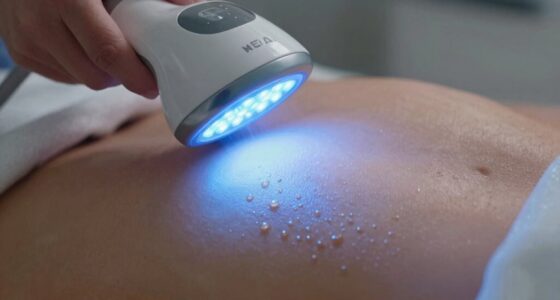
IPL hair removal works by emitting intense pulses of broad-spectrum light that penetrate your skin and target hair follicles. The laser wavelength is carefully selected to match the pigment in your hair, allowing the light to be absorbed effectively. This focused energy heats the follicle, damaging its ability to produce new hair. Follicle targeting is precise; the light specifically targets the melanin in the hair shaft, which helps prevent damage to surrounding skin tissue. The effectiveness depends on how well the wavelength aligns with your hair color and follicle depth. By delivering controlled pulses, IPL destroys the follicle’s capacity to grow hair, leading to smoother skin over time. Proper targeting ensures that the treatment is both safe and efficient. Advanced wavelength selection is crucial for optimizing treatment outcomes and minimizing side effects. Incorporating technological advancements can further improve the precision and safety of IPL treatments. Innovative European cloud servers are supporting the development of sustainable technologies that enhance treatment precision and safety. Additionally, understanding the optical properties of hair and skin can help tailor treatments for better results.
Why Does Hair Color Matter for IPL Success?

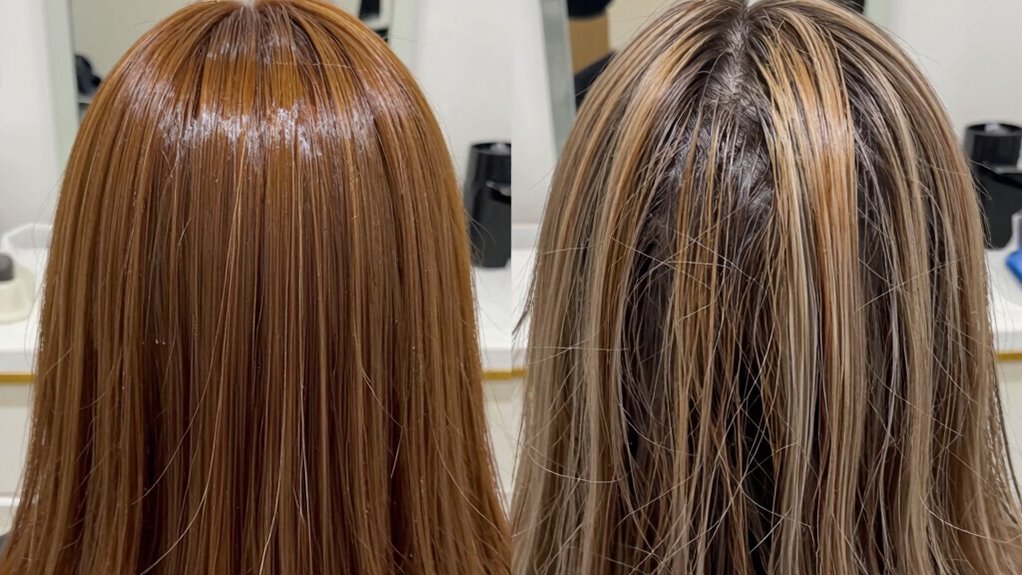
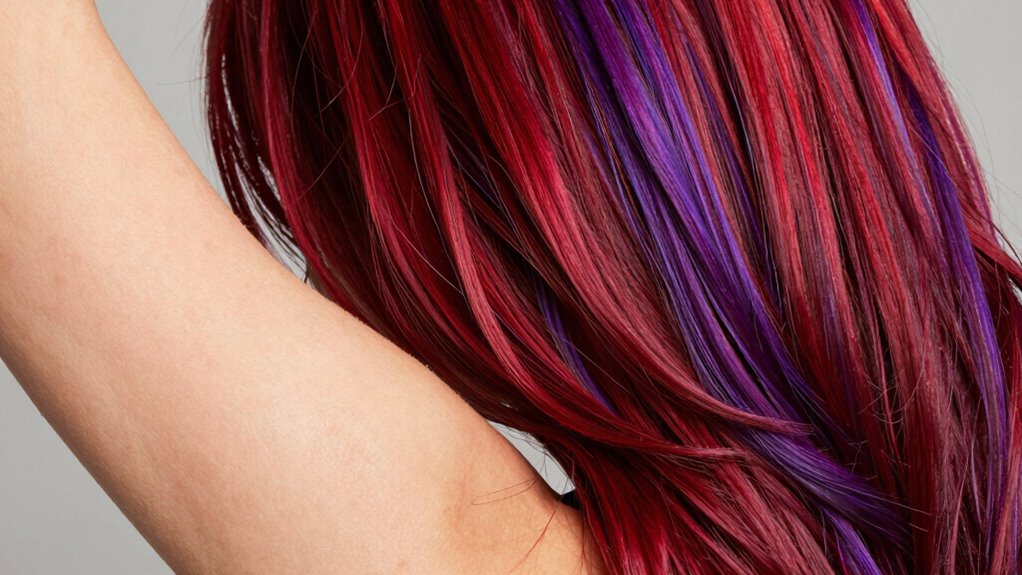
Hair color plays a crucial role in the effectiveness of IPL treatments because the laser targets pigment in the hair. Darker hair contains more melanin, which absorbs the laser energy better, making the treatment more effective. If you have lighter hair, like blonde, gray, or red, the laser may not detect enough pigment to damage the follicle, reducing success. Using hair dye can sometimes alter melanin levels or add layers that interfere with laser absorption, further impacting results. Additionally, scalp health matters—an unhealthy scalp with irritation or scalp conditions can hinder treatment effectiveness, regardless of hair color. Ensuring your hair is natural and your scalp is healthy can improve your chances of successful IPL hair removal. Proper preparation and understanding of hair pigmentation can optimize treatment outcomes. Maintaining a healthy scalp by avoiding harsh chemicals or excessive treatments can also aid in better results, since scalp condition influences laser efficiency. Moreover, understanding hair follicle structure can help in choosing the right treatment approach for optimal results. Recognizing the melanin distribution within hair strands can further enhance the likelihood of successful laser targeting and hair removal. Additionally, skin tone plays a role in IPL effectiveness, as it can affect laser settings and safety.
How Skin Tone Affects IPL Safety and Effectiveness?
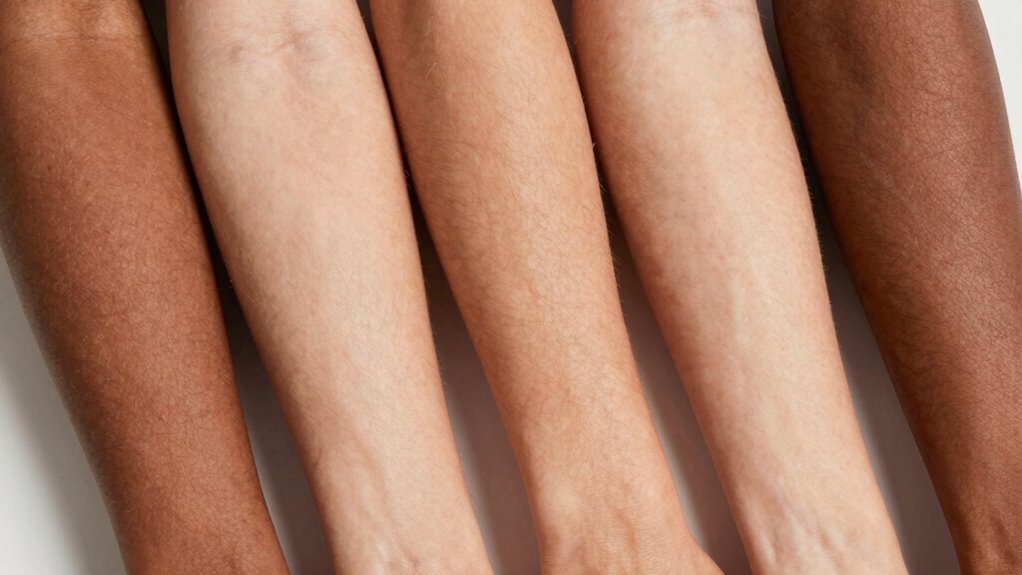
Your skin tone markedly influences both the safety and effectiveness of IPL treatments. Lighter skin tones with lower melanin concentration allow IPL to target hair follicles without risking damage to the skin. If your skin has a warm or cool undertone, it can affect how the light is absorbed, impacting safety and results. Darker skin tones contain more melanin, increasing the risk of burns, pigmentation changes, or uneven results because IPL may also target the skin’s melanin. That’s why practitioners often recommend different settings or alternative treatments for darker skin. Understanding your skin undertone and melanin levels helps guarantee safe IPL use and ideal hair removal results. Proper equipment calibration based on skin type further enhances treatment safety and effectiveness. Additionally, melanin distribution varies among individuals, influencing IPL’s ability to differentiate between hair and skin. Factors like skin pigmentation can significantly impact treatment outcomes and should be carefully evaluated by professionals. Recognizing the importance of individual skin characteristics can help optimize treatment plans. Always consult a professional to assess your skin tone before starting IPL treatments.
Why Thick or Coarse Hair May Resist IPL Results?
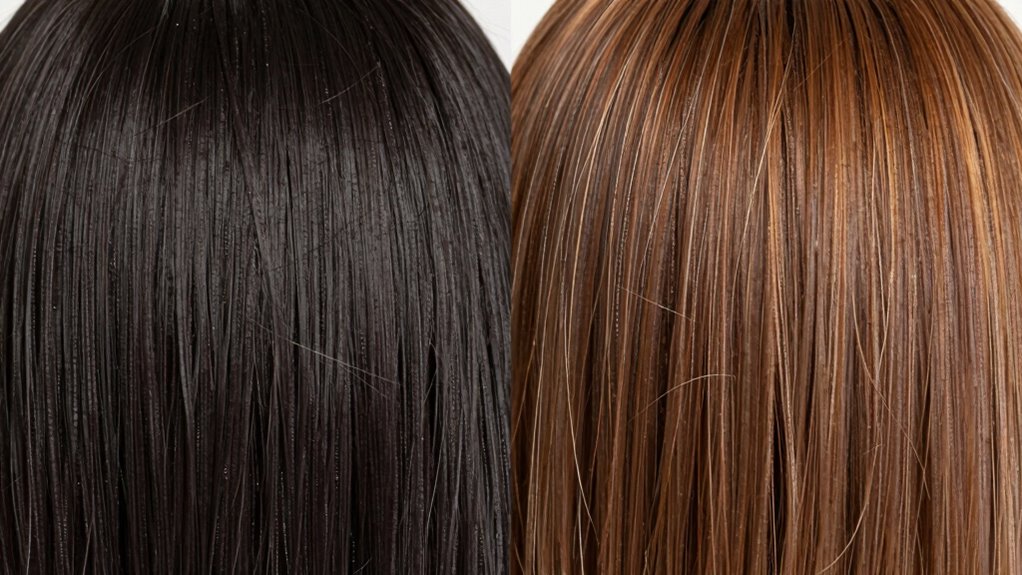
Thick or coarse hair often presents a challenge for IPL treatments because the denser hair contains more melanin and a larger diameter, making it harder for the light energy to effectively reach and destroy the hair follicle. Additionally, hair porosity plays a role; hair with low porosity may resist heat absorption, reducing IPL effectiveness. Scalp health is also important—poor scalp conditions can hinder hair growth and recovery, impacting treatment results. Coarser hair tends to have deeper follicles, requiring more precise energy delivery. If your hair is thick or coarse, maintaining healthy scalp conditions and understanding your hair’s properties can help optimize IPL outcomes. Sometimes, adjustments in treatment settings are necessary to target these resistant hair types effectively. Incorporating sound vibrations or other supportive therapies might also enhance overall treatment success. Recognizing how hair properties influence IPL results underscores the importance of personalized treatment plans. Moreover, understanding skin and hair characteristics can help practitioners tailor treatments for better efficacy. It is also beneficial to consult with a specialist to determine the most suitable approach based on your unique hair type and condition. Being aware of hair density and follicle depth can further refine treatment strategies for challenging hair types.
Common Reasons IPL Fails on Certain Hair Types?
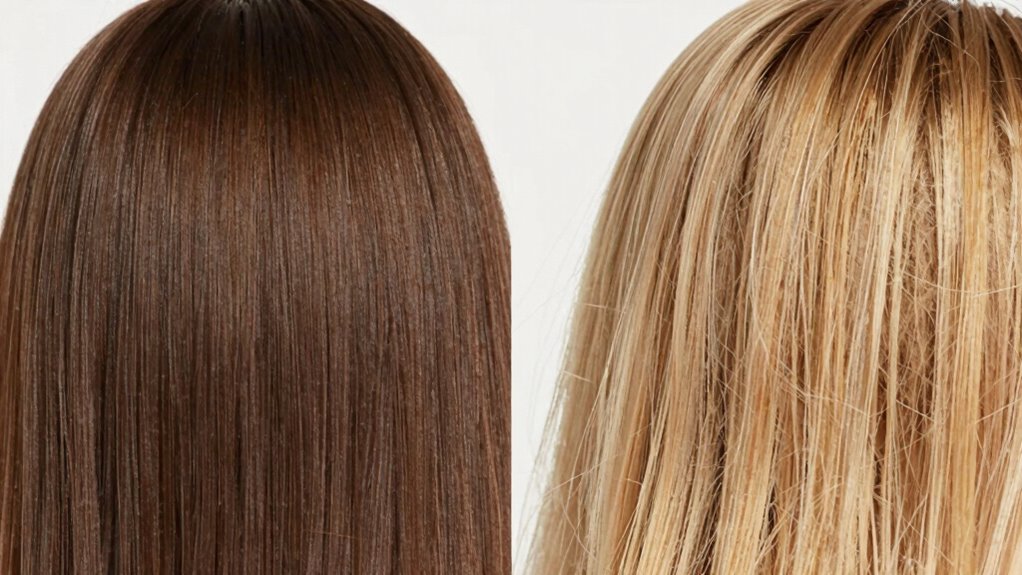
You might notice IPL doesn’t work as well on certain hair types due to hair color and pigmentation. Thicker and denser hair can also make treatments less effective. Understanding these factors helps explain why some hair may resist IPL results. Additionally, the effectiveness of IPL can vary based on the type of metallic investments involved, similar to how different precious metals respond uniquely to treatments. Moreover, variations in hair follicle depth can influence treatment success, as deeper follicles may be less accessible to IPL energy. In some cases, lighting conditions and skin tone can also impact the overall effectiveness of IPL hair removal. Factors like skin tone compatibility significantly influence treatment outcomes, since darker skin may absorb more light, reducing efficiency and increasing risk of side effects. The presence of hair pigment plays a crucial role, as IPL targets melanin, making lighter or gray hair less responsive.
Hair Color Pigmentation
Hair color pigmentation plays a crucial role in the effectiveness of IPL treatments, as the device targets melanin within the hair follicle. If your hair has been dyed with a hair dye, especially darker shades, it can sometimes interfere with IPL’s ability to target natural melanin effectively. Similarly, hair with natural highlights or lighter shades contains less melanin, making IPL less effective. The contrast between the skin and hair color also impacts results; low contrast means the IPL device struggles to distinguish hair from skin. If your hair lacks sufficient pigmentation, whether due to natural color or coloring treatments, IPL may not deliver desired results. Understanding your hair’s pigmentation helps set realistic expectations for treatment outcomes.
Hair Thickness and Density
While pigment influences IPL’s ability to target hair effectively, thickness and density also play significant roles in treatment success. If your hair is thick, the IPL light may struggle to penetrate deeply enough to damage the hair follicle effectively. Conversely, finer hair responds better because the light is absorbed more easily. Density levels matter too; if you have a high density of hair in a small area, each follicle receives less energy, reducing overall effectiveness. Thick, densely packed hair can require more sessions or higher settings to see results. Understanding your hair’s thickness and density helps set realistic expectations and guides treatment adjustments. Recognizing these factors ensures you choose the right approach, increasing the likelihood of smooth, long-lasting results.
What Should You Know Before Booking Your IPL Session?

Before booking your IPL session, you should comprehend how your skin tone impacts treatment safety and effectiveness. Keep in mind that IPL works best with certain hair colors and may not deliver ideal results if your hair is too light or dark. Knowing these factors helps set realistic expectations and ensures a safer, more effective experience.
Skin Tone Compatibility
Understanding your skin tone is essential before booking an IPL session because it directly impacts the treatment’s safety and effectiveness. Your skin’s melanin concentration influences how much light the IPL device can safely target without damaging surrounding tissue. People with lighter skin tones generally see better results because their lower melanin levels absorb less heat, reducing risk. Conversely, darker skin tones have higher melanin concentration, which can increase the chance of burns or pigmentation issues. Additionally, skin undertones—cool, warm, or neutral—play a role in how your skin reacts. Knowing your undertone helps determine if IPL is suitable for you and guides the practitioner in selecting the right settings. Always consult with a professional to assess your skin tone accurately before proceeding.
Hair Color Expectations
Your hair color plays a crucial role in the effectiveness of IPL treatments, as the device targets the pigment in hair follicles. If your hair is too light or too dark, results can vary. Remember, hair dyeing can alter your natural shade, impacting IPL outcomes. Maintaining good scalp health is essential for safe, effective treatments, so avoid harsh products beforehand.
| Hair Color | Expectations |
|---|---|
| Light blonde, gray | Limited results, may need more sessions |
| Dark blonde, brown | Good results, standard sessions |
| Black, natural | Best results, high pigment absorption |
Stay realistic about your hair’s current state. Proper preparation helps, so prioritize scalp health and avoid coloring treatments close to your IPL appointment.
Frequently Asked Questions
Can IPL Be Effective on Gray or White Hair?
IPL isn’t effective on gray or white hair because of gray hair efficacy and white hair challenges. The lack of pigment means IPL can’t target melanin, which is essential for the treatment to work. You’ll find that gray and white hairs don’t respond well to IPL, making it less effective for hair removal in these cases. If you have mostly gray or white hair, alternative methods might be better suited for you.
Does Hair Growth Cycle Influence IPL Treatment Outcomes?
Yes, your hair growth cycle impacts IPL results. During the anagen phase, hair follicles are most responsive because they’re actively growing and sensitive. If you undergo treatment during telogen or catagen phases, results may be less effective, as follicles are less sensitive. To optimize outcomes, multiple sessions timed with your hair’s growth phases help target follicles when they’re most receptive to IPL.
Are There Age Restrictions for IPL Hair Removal?
You need to be mindful of age restrictions for IPL hair removal, especially for minors. Most clinics recommend waiting until you’re at least 18, as skin suitability and maturity matter. Think of it as not putting the cart before the horse—your skin needs to be fully developed to handle IPL safely. If you’re younger, consult a professional to see if you’re ready or if other options suit your skin better.
How Long Do IPL Results Typically Last?
Your IPL treatment results typically last around six months to a year, but this varies based on hair color limitations and individual hair growth cycles. You may need maintenance sessions over time to keep your skin smooth. The treatment duration can differ depending on the area being treated and your response to IPL, so consistent follow-ups are essential for ideal, long-lasting results.
Are There Risks of Skin Pigmentation Changes Post-Ipl?
You might notice skin pigmentation changes after IPL treatments, especially if you have a history of skin irritation or sun exposure. For example, a fair-skinned person developed hyperpigmentation following treatment, highlighting the pigmentation risk. While rare, these changes can be temporary or permanent, so it’s essential to use proper sun protection and follow your practitioner’s advice to minimize risks. Always discuss your skin history before starting IPL.
Conclusion
Understanding how IPL targets hair helps you set realistic expectations. Remember, not all hair responds the same—some stubborn strands may cling on like a persistent shadow. By knowing your hair color and skin tone, you can decide if IPL is right for you. Think of it as finding the perfect key to open smooth skin—sometimes, you need the right fit. Be informed, patient, and ready to embrace your unique hair journey.