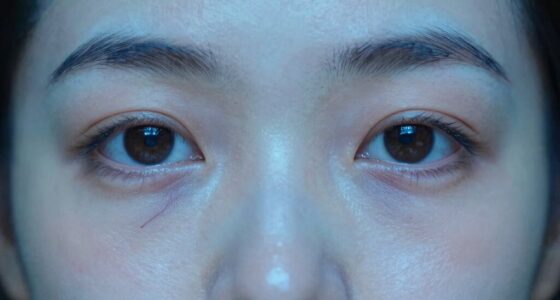
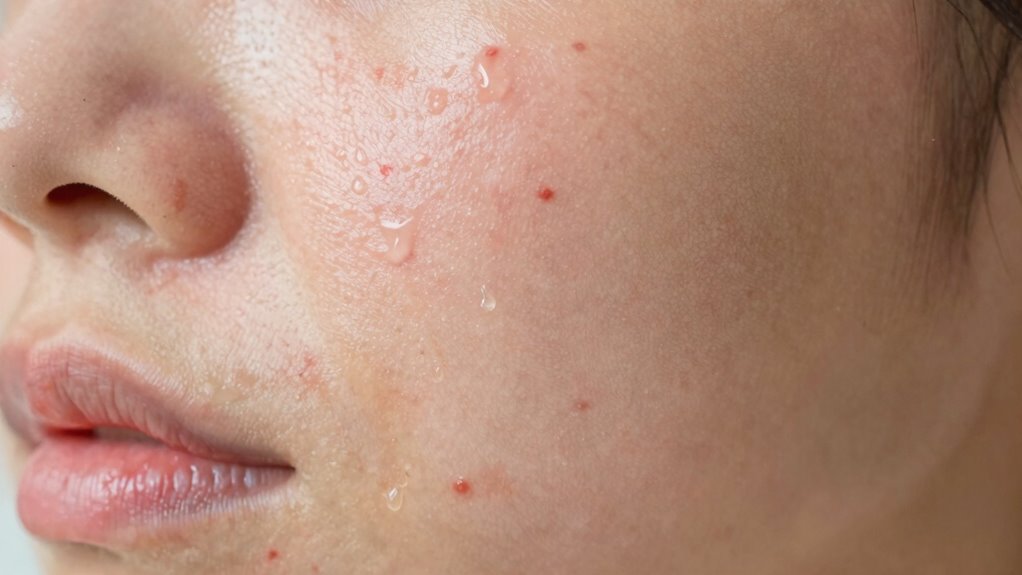
When your skin is overexposed to light, like UV rays or blue screens, it weakens your skin barrier, leading to irritation, redness, and sensitivity. Your skin needs a break to recover, reduce inflammation, and rebuild its defenses. Giving your skin time to rest stops further damage and supports healing. If you want to learn simple ways to protect and soothe your skin after light exposure, keep going.

Turn your quiet moments into listening time
- Thousands of audiobooks, podcasts and originals
- Listen on your phone, tablet or Echo — also offline
- Cancel anytime
Key Takeaways
- Overexposure to UV and blue light damages the skin barrier, increasing sensitivity and irritation.
- A damaged barrier struggles to repair itself, making skin more reactive and prone to inflammation.
- Rest and gentle skincare help the skin recover by reducing inflammation and strengthening the barrier.
- Pausing aggressive routines prevents further irritation and allows natural healing processes to occur.
- Protecting the skin from light exposure and prioritizing hydration accelerates barrier restoration and resilience.
As an affiliate, we earn on qualifying purchases.
How Different Types of Light Affect Your Skin Barrier
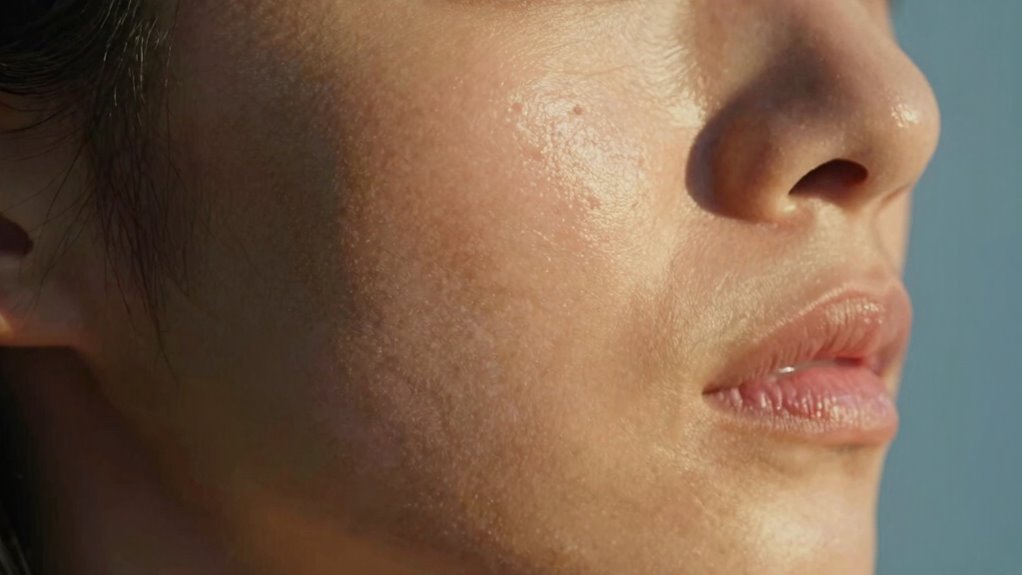
Different types of light can have a significant impact on your skin barrier, either helping to strengthen it or causing damage over time. UV exposure is one of the most well-known risks, as it penetrates deep into your skin and breaks down collagen, leading to premature aging and increased sensitivity. Blue light, emitted by screens and digital devices, also affects your skin, though its impact is less understood. Prolonged exposure to blue light can generate free radicals, which may impair your skin’s ability to repair itself and weaken the barrier. Both UV and blue light can contribute to inflammation, dryness, and irritation. Additionally, light exposure can disrupt your circadian rhythm, further affecting skin health and repair processes. Studies show that light-induced oxidative stress is a key factor in skin damage, emphasizing the importance of protection. Protecting your skin with sunscreens, antioxidants, and limiting screen time can help preserve your skin’s natural defenses against these light sources. Furthermore, incorporating light protection strategies into your skincare routine can mitigate some of these effects and support overall skin health. Understanding the effects of light on skin can help you take more targeted measures to prevent damage and maintain a healthy skin barrier.
blue light blocking glasses for skin protection
As an affiliate, we earn on qualifying purchases.
As an affiliate, we earn on qualifying purchases.
Signs Your Skin Is Overexposed to Light and Needs a Break
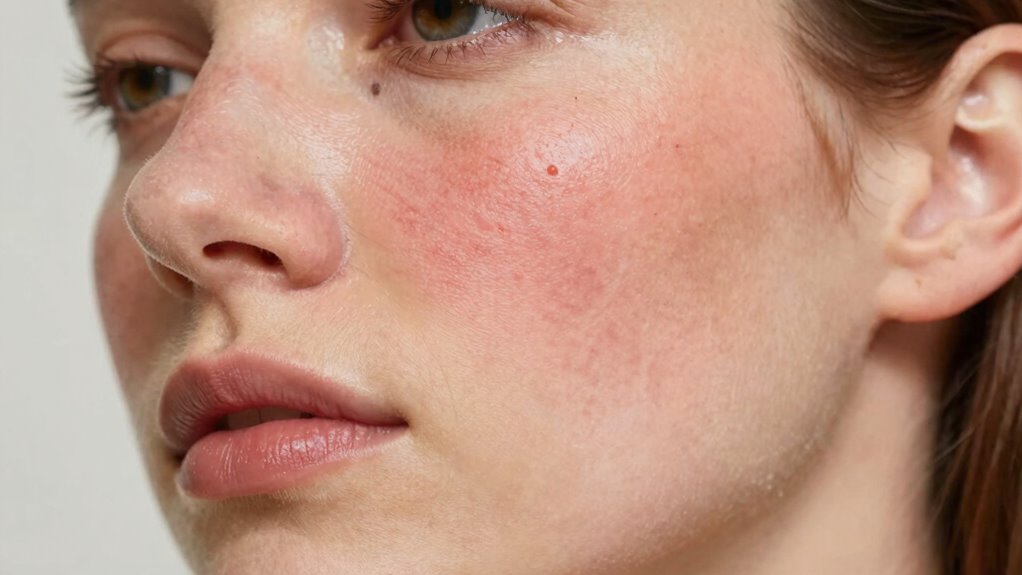
If your skin starts feeling more sensitive or inflamed than usual, it might be a sign you’ve had too much light exposure. You could notice increased redness or irritation that doesn’t ease quickly. Recognizing these signs helps you know when your skin needs a break from the sun or artificial light sources. You should also be mindful of application techniques to avoid further irritation and protect your skin’s natural barrier. Paying attention to everyday safety cues can help prevent further irritation and protect your skin’s natural barrier. Understanding the importance of proper skincare routines tailored for overexposed skin can further support recovery and resilience. Incorporating simple routines can make it easier to maintain skin health during recovery periods.
Sensitivity Fluctuations
When your skin becomes more sensitive or reacts more easily than usual, it’s a clear sign you’ve been overexposed to light. Increased light sensitivity often results from UV damage, which weakens your skin’s barrier and makes it more reactive. You might notice your skin reacting to everyday stimuli like wind, makeup, or even touch. Fluctuations in sensitivity can occur suddenly, leaving you feeling discomfort or tingling. This heightened response indicates your skin is struggling to cope with light exposure and needs a break. Over time, continued UV damage can exacerbate sensitivity issues, making your skin more prone to irritation. Recognizing these fluctuations early helps you take action, like reducing sun exposure and using soothing products, to restore your skin’s balance. Understanding how light impacts your skin’s barrier function can help you adapt your skincare routine for better protection. Additionally, incorporating gentle cleansing and avoiding harsh skincare products can prevent further damage to your compromised skin barrier. Being aware of sensitivity fluctuations can also guide you in choosing treatments that support your skin’s recovery process, especially when considering photoaging and its effects. Paying attention to these signs allows you to implement preventive measures that protect your skin from long-term damage.
Redness and Irritation
Persistent redness and irritation are clear signs your skin has been overexposed to light and needs a break. When your skin turns red or feels inflamed, it’s telling you to prioritize sun protection and reduce further exposure. Incorporate hydration routines to soothe and strengthen your skin barrier. Proper sizing and load‑planning can help you better understand how to protect your skin from excessive light exposure.
| Signs of Overexposure | How to Respond |
|---|---|
| Redness and irritation | Use gentle, hydrating products; avoid harsh scrubs. |
| Sensitive flare-ups | Apply calming ingredients like aloe or chamomile. |
| Dryness and tightness | Keep skin hydrated with moisturizers. |
| Increased sensitivity | Limit sun exposure; seek shade and wear protective clothing. |
Recognizing these signs helps you give your skin the rest it needs, preventing long-term damage and supporting recovery.
hydrating facial mist for skin recovery
As an affiliate, we earn on qualifying purchases.
As an affiliate, we earn on qualifying purchases.
Protecting Your Skin From Light Damage: Practical Tips
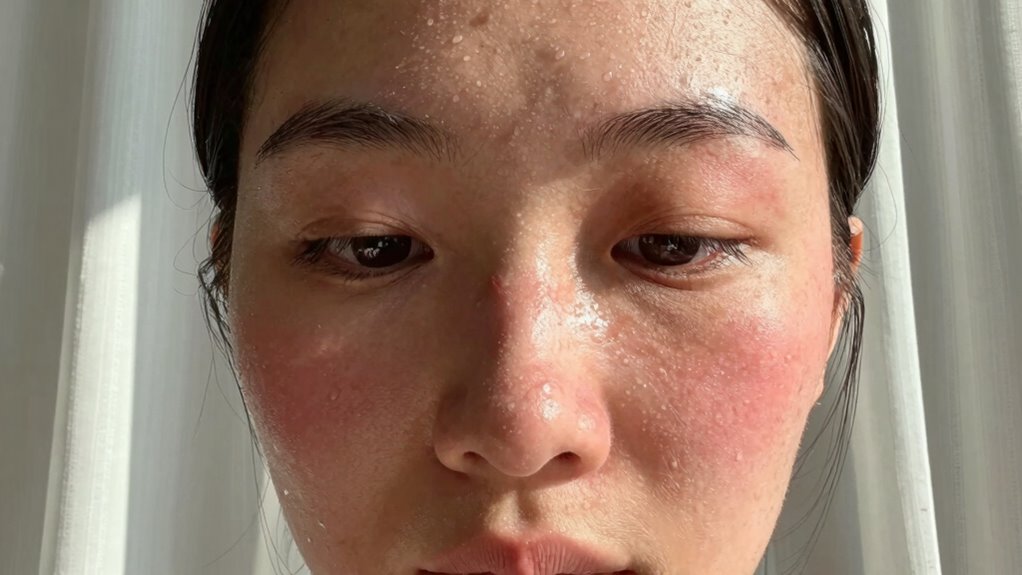
Protecting your skin from light damage starts with understanding how UV rays and visible light can harm your skin over time. To guard against this, prioritize UV protection by wearing broad-spectrum sunscreens daily, even on cloudy days. Seek shade during peak sunlight hours and wear protective clothing, like wide-brimmed hats and sunglasses. Incorporate antioxidant defense into your routine by using serums or creams containing vitamins C and E, which help neutralize free radicals caused by light exposure. Avoid excessive sun exposure and be mindful of your environment, especially if you’re near reflective surfaces like water or snow. Additionally, understanding the skin barrier and its role in protecting against environmental stressors can help you tailor your skincare routine for better resilience. Recognizing how a healthy skin barrier function minimizes damage from external factors can further support your skin’s defenses. Building awareness of your skin’s protective functions can further enhance your skincare practices. Taking these practical steps minimizes oxidative stress and supports your skin’s barrier, helping it stay healthier and more resilient against light-induced damage.
antioxidant serum for skin repair
As an affiliate, we earn on qualifying purchases.
As an affiliate, we earn on qualifying purchases.
Why Rest and Breaks Help Your Skin Heal After Light Exposure

Giving your skin time to rest allows it to heal and recover from light exposure. Taking breaks helps reduce inflammation, preventing further damage. Rest periods also give your skin a chance to strengthen its barrier, making it more resilient over time. Incorporating adequate sleep into your routine can further enhance the skin’s ability to repair itself and maintain its protective functions. Using soothing skincare products, such as gentle moisturizers and herbal infusions, can also support skin recovery and reduce irritation. Additionally, choosing energy-efficient devices and avoiding excessive light exposure can further protect your skin’s health. Prioritizing skin barrier repair techniques can accelerate healing and promote long-term resilience, especially when combined with proper skincare and lifestyle habits.
Skin Needs Healing Time
After your skin is exposed to light treatments, it needs time to recover because the process can cause temporary stress and minor damage to its barrier. Giving your skin adequate healing time supports natural skin renewal and barrier repair. During this period, your skin works to restore its protective layer and eliminate damaged cells. To facilitate this, avoid overexposure and harsh products that can hinder recovery. Focus on gentle care and hydration to promote healing. Keep in mind:
- Minimize further irritation by avoiding aggressive skincare
- Prioritize nourishing ingredients that support barrier repair
- Allow enough rest between treatments for ideal skin renewal
Rest Reduces Inflammation
Rest plays a crucial role in reducing inflammation after light treatments because it allows your skin to calm down and recover naturally. When you prioritize rest, you support holistic wellness by giving your body and skin space to heal. Rest helps to lower stress levels, which directly impacts inflammation, since stress management influences how your skin responds after exposure to light. By taking breaks and avoiding overexposure, you give your skin the chance to reset without additional strain. This pause not only reduces redness and swelling but also promotes more effective healing. Incorporating rest into your skincare routine emphasizes the importance of balance, ensuring your skin has the time and conditions needed to restore itself to a healthy, resilient state.
Breaks Strengthen Barrier
Taking regular breaks during your skincare routine allows your skin to focus on rebuilding its natural barrier. Rest gives your skin time to repair damage caused by light exposure and reduces light sensitivity. When you pause, your skin activates barrier repair processes, strengthening its defenses against environmental stressors. This helps prevent further irritation and supports recovery.
Key ways breaks benefit your skin include:
- Reducing inflammation and minimizing light sensitivity
- Allowing the skin’s natural repair mechanisms to work efficiently
- Preventing over-exfoliation that can weaken the barrier
Gentle Skincare Strategies for Over-Irritated, Sensitive Skin
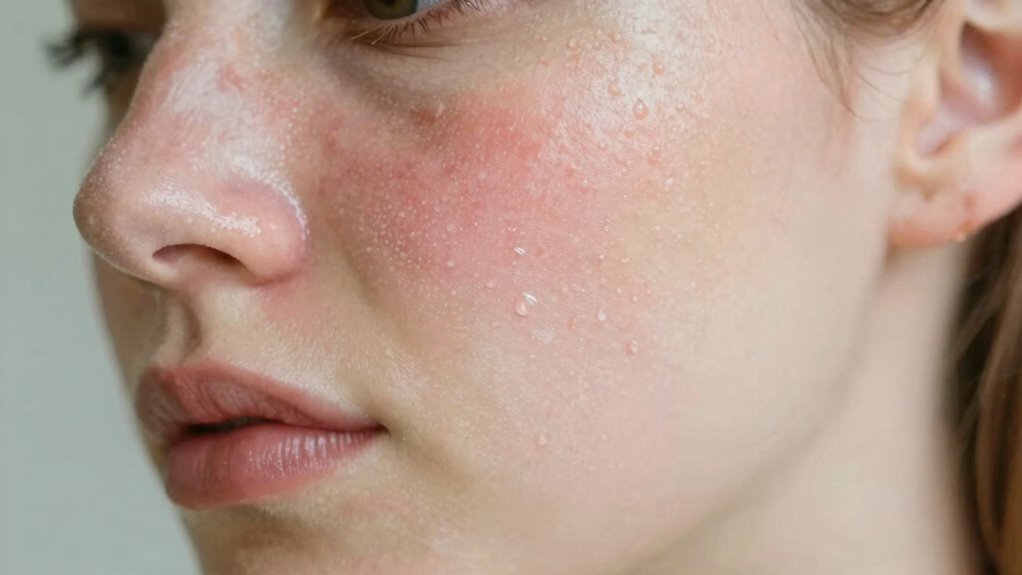
When your skin is over-irritated and sensitive, adopting gentle skincare strategies becomes essential to help restore its barrier and reduce discomfort. Focus on protecting your skin from further damage by practicing consistent sun protection—wear a broad-spectrum sunscreen daily, even when indoors. Incorporate antioxidant skincare products, like those with vitamin C or E, to combat free radicals and support healing. Avoid harsh cleansers, exfoliants, and fragrances that can aggravate irritation. Instead, opt for gentle, fragrance-free cleansers and soothing ingredients like ceramides or niacinamide, which help repair and strengthen your skin barrier. Keep your routine simple, and give your skin time to recover. By prioritizing sun protection and antioxidant skincare, you help your skin regain resilience and comfort.
How to Support Your Skin’s Recovery After Light Damage
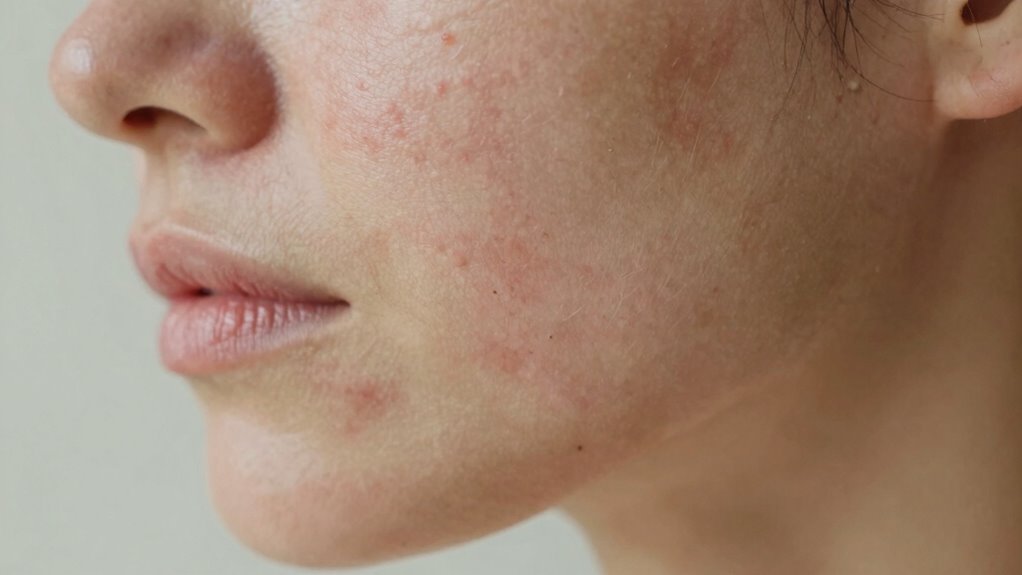
Light damage to your skin, such as from UV exposure or brief sunburns, signals that your skin needs extra care to repair itself. To support recovery, prioritize sun protection by wearing broad-spectrum SPF daily and avoiding peak sun hours. Incorporate hydrating routines to restore moisture and strengthen your skin barrier. You can do this by:
Light skin damage needs gentle care, sun protection, and hydration to heal effectively.
- Using gentle, nourishing moisturizers with ceramides and hyaluronic acid
- Avoiding harsh scrubs or exfoliants until your skin heals
- Applying soothing ingredients like aloe vera or chamomile to reduce inflammation
These steps help prevent further irritation, promote healing, and reinforce your skin’s resilience. Remember, patience and consistent care are key to restoring your skin after light damage.
When to Seek Professional Help for Persistent Skin Irritation
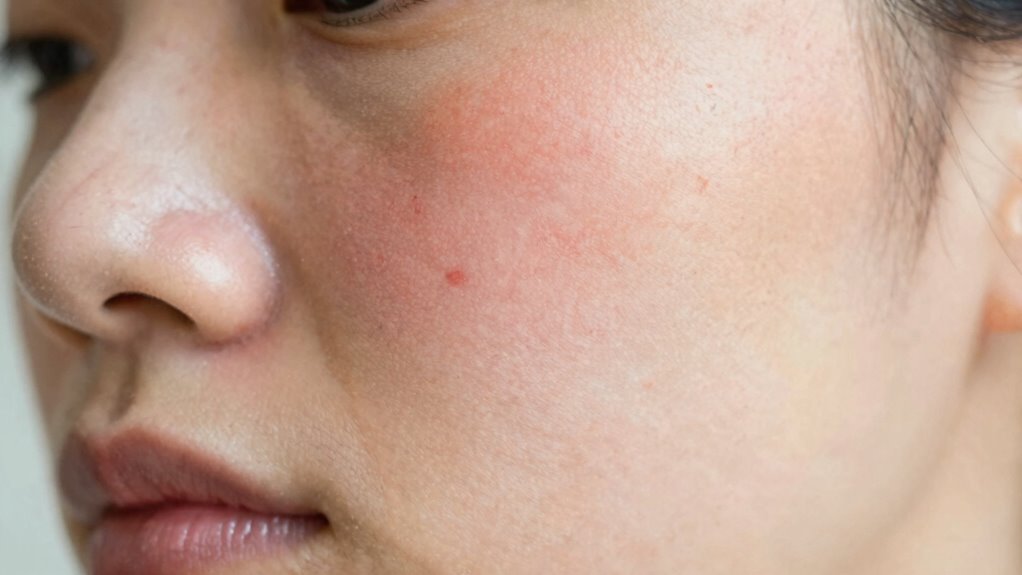
While gentle skin care and sun protection help your skin recover from light damage, persistent irritation can signal that more targeted treatment is needed. If your skin remains inflamed, itchy, or painful beyond a few weeks, it’s time to seek professional help. Schedule a dermatologist consultation to identify underlying causes and receive personalized advice. Your dermatologist may recommend allergy testing to rule out sensitivities or allergies that could be exacerbating your irritation. Ignoring ongoing symptoms can lead to further damage or chronic skin conditions. Don’t delay in consulting a professional if your skin shows no signs of improvement, as early intervention can prevent long-term issues and restore your skin’s health and resilience.
Simple Daily Habits to Keep Your Skin Resilient Against Light

Maintaining resilient skin against light exposure starts with simple daily habits that protect and strengthen your skin barrier. Incorporate consistent sun protection by applying broad-spectrum sunscreen every morning, even on cloudy days. Making small lifestyle changes, like wearing wide-brimmed hats and seeking shade during peak hours, can considerably reduce light damage. Additionally, adopting a skincare routine that includes antioxidants helps repair and reinforce your skin’s defenses. To support your skin’s resilience, consider:
- Using protective clothing and accessories to block UV and HEV light
- Incorporating antioxidant-rich serums or creams into your daily routine
- Limiting screen time or using blue light filters to reduce exposure to high-energy light waves
These habits help sustain your skin’s natural barrier, preventing over-irritation and promoting long-term health.
Frequently Asked Questions
Can Certain Foods Help Repair Light-Damaged Skin?
Yes, certain foods can help repair light-damaged skin. You should focus on antioxidant-rich foods like berries, spinach, and nuts to combat free radicals. Incorporate omega-3 supplements or fatty fish like salmon to reduce inflammation and support skin healing. These nutrients work together to strengthen your skin’s barrier, promote repair, and protect against further light damage, helping your skin recover more effectively over time.
How Long Does It Take for Skin to Recover From Light Overexposure?
Skin recovery from light overexposure typically takes about one to four weeks, depending on the severity. During this time, your skin repairs itself by renewing cells and restoring the barrier. To support this process, avoid further light damage, use gentle skincare, and stay hydrated. Remember, patience is key—giving your skin the time it needs will help guarantee proper recovery and prevent future irritation.
Are There Specific Ingredients to Soothe Irritated Skin After Light Exposure?
You should look for soothing ingredients like aloe vera, chamomile, and calendula to calm irritated skin after light exposure. Calming botanicals help reduce redness, inflammation, and discomfort. Incorporate products with these ingredients into your skincare routine, preferably in serums or creams designed for sensitive skin. Remember, avoiding harsh chemicals and giving your skin time to recover is essential for healing and restoring your skin’s barrier.
Does Sunscreen Alone Fully Protect Skin From All Light Types?
Did you know that sunscreen blocks about 97% of UV rays? While sunscreen provides essential UV protection, it doesn’t fully shield your skin from all light types, like blue light and infrared rays. To boost your skin resilience, consider using broad-spectrum protection and physical barriers like hats and clothing. Relying solely on sunscreen leaves gaps, so a thorough approach helps your skin stay healthy and resilient against diverse light exposures.
Is It Safe to Use At-Home Light Therapy Devices on Sensitive Skin?
Using at-home light therapy devices on sensitive skin can pose safety concerns because your skin may react unpredictably, leading to irritation or damage. It’s crucial to evaluate device effectiveness; if it’s not designed for sensitive skin, it might not deliver safe results. Always consult a dermatologist before trying these devices, especially if your skin is over-irritated. Proper guidance helps guarantee safe use and maximum benefits without risking further harm.
Conclusion
Remember, your skin is your body’s canvas—delicate and deserving of care. By giving it the rest it craves and setting boundaries with light exposure, you’re painting a masterpiece of resilience and health. Think of your skin as a garden; with patience and gentle tending, it can recover from over-irritation and bloom anew. So, pause, protect, and nurture—your skin’s future glow depends on it.
Halloween Picks
halloween
As an affiliate, we earn on qualifying purchases.