

Sweating isn’t a true detox method, as your liver and kidneys do most of the work filtering out toxins, not your skin. Sweat mainly releases water, salts, and trace elements, not harmful substances. Excessive sweating can irritate your skin and cause dehydration, which may harm your overall health. To keep your skin healthy and glowing, focus on proper skincare, hydration, and supporting your body’s natural detox organs. Discover more insights about sweating, skin, and wellness below.
Key Takeaways
- Sweat primarily contains water and salts, not toxins, so it’s ineffective for detoxification.
- Liver and kidneys are responsible for removing harmful substances, not sweat.
- Excessive sweating can damage skin, cause dehydration, and lead to irritation, rather than improving skin health.
- Proper skincare, hydration, and nutrition are key to glowing skin, not sweating for detox.
- Scientific evidence shows sweating does not significantly aid in toxin elimination or skin detoxification.
Does Sweating Detox Your Body? What the Science Says
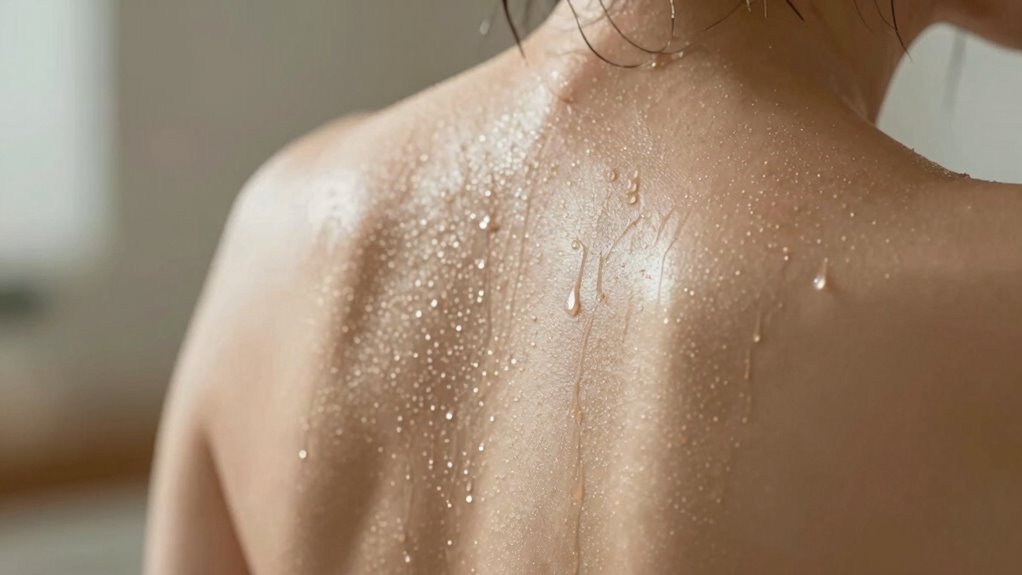
Many people believe that sweating helps detox the body, but science tells a different story. Your sweat glands produce sweat primarily to regulate body temperature, not to remove toxins. When you sweat, your skin releases water and electrolytes, but only a small amount of toxins are expelled this way. Organs like your liver and kidneys are responsible for toxin removal and filtering harmful substances from your system. While sweating feels good and can support overall health, it doesn’t markedly contribute to detoxification. The idea that sweating alone can rid your body of toxins is a myth. Instead, focus on supporting your liver and kidneys through proper nutrition, hydration, and healthy habits. Your body’s natural detox system works best with these organs doing their job. Understanding detoxification shows that supporting these organs is key to overall health. Engaging in activities that promote healthy organ function can enhance your body’s ability to naturally eliminate toxins.
How Your Liver and Kidneys Naturally Detox : Not Sweat
While sweating isn’t the primary way your body removes toxins, your liver and kidneys work tirelessly behind the scenes to keep you healthy. The liver’s main function is to process and break down harmful substances, converting them into safer compounds that can be excreted. Meanwhile, your kidneys perform filtration, removing waste products and excess fluids from your blood. This process, known as kidney filtration, ensures toxins like urea and creatinine are expelled through urine. These organs are highly efficient and designed specifically for detoxification. Unlike sweating, which only releases minimal waste through your skin, your liver and kidneys handle the majority of toxin removal. Organ-specific detoxification Trust your body’s natural detox system—it’s built for this purpose and works continuously without your conscious effort. Additionally, free floating particles in your bloodstream are readily cleared by these organs, further emphasizing their vital role in detoxification. Proper hydration and supportive nutrition are essential to optimize this natural process and help your organs function at their best. Recognizing the importance of natural detoxification can help you avoid misconceptions about quick fixes and gimmicks.
How Sweating Affects Your Skin: Benefits and Risks
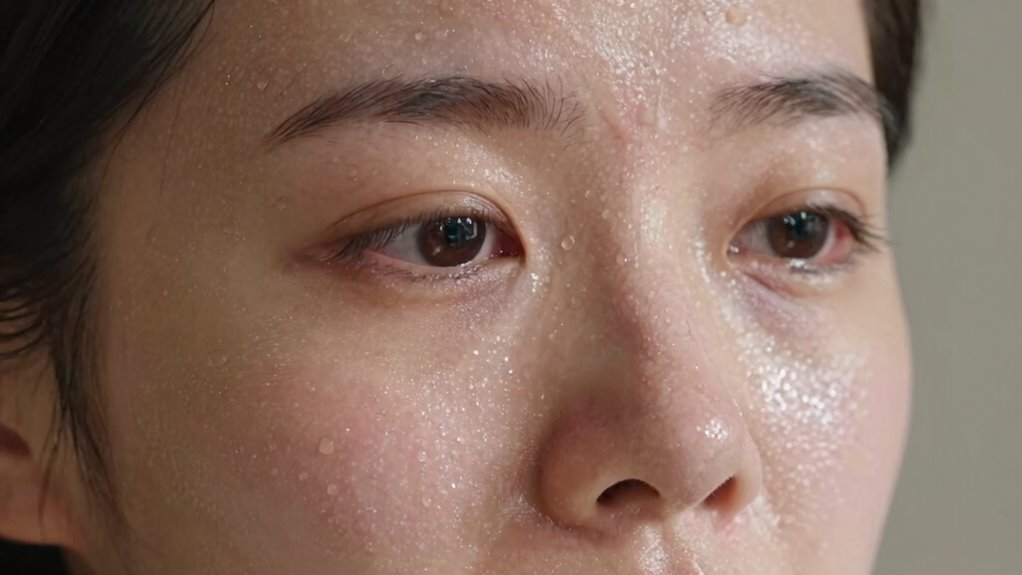
Sweating can help remove toxins from your skin, supporting its natural detox process. However, too much sweating may lead to skin irritation or dehydration, which can harm your skin’s health. Additionally, vintage-inspired skincare techniques can help maintain skin health during periods of excessive sweating. Incorporating gentle cleansing methods can further enhance skin resilience and prevent irritation. It’s important to find a balance to enjoy the benefits without risking your skin’s well-being. Maintaining proper skin protection during excessive sweating can help prevent irritation and keep your skin healthy. Using appropriate safety glasses can also protect your eyes from irritation caused by sweat or environmental factors during outdoor activities. Proper hydration and skin barrier repair are essential to support your skin’s recovery and resilience after sweating.
Skin Detoxification Process
When you sweat, your body actively releases toxins through your skin, helping to purify and detoxify. Sweat glands play a vital role in this process, producing sweat that carries waste products to the surface. As sweat reaches your skin’s surface, it can aid in flushing out impurities, supporting skin health. Additionally, modern kitchen technology has introduced tools that can help monitor and optimize skin hydration levels, ensuring your sweat glands function at their best. Proper hydration supports overall skin health** and helps maintain the skin’s natural barrier, which is essential for effective detoxification. This process is also influenced by sound and environment, which can impact skin function and overall well-being. Moreover, understanding the skin’s natural barrier is crucial, as it protects against external irritants and maintains hydration, further supporting detoxification. However, this process also relies on maintaining proper skin hydration; if your skin is dry, sweat may not evaporate efficiently, reducing its cleansing benefits. Staying well-hydrated ensures your sweat glands function at their best, allowing your body to rid itself of toxins more effectively. Additionally, skin hydration levels** are crucial for maximizing the detoxification process and preventing skin issues. While sweating can promote a cleaner surface, it’s important to remember that it doesn’t eliminate all toxins, and proper skin care remains necessary for overall skin health.
Risks of Excessive Sweating
Although sweating helps your body detoxify and maintain healthy skin, pushing it beyond natural limits can lead to problems. Excessive sweating, even in sweat therapy or sweat aesthetics practices, can cause skin irritation, breakouts, and increase the risk of infections. Overdoing it may strip your skin’s natural oils, leading to dryness and irritation. Be aware that:
- Excessive sweat can clog pores
- It may cause irritation and rashes
- Increased risk of bacterial infections
- Potential for dehydration and electrolyte imbalance
- Skin sensitivity can worsen with over-sweating
While sweat therapy and sweat aesthetics can offer benefits, moderation is key to avoiding these risks. Over-sweating can do more harm than good, so listen to your body and maintain a balanced approach to sweating. Understanding your body’s signals is essential for safe and effective sweat practices. Recognizing skin responses can help prevent damage and ensure you enjoy the benefits without adverse effects. Additionally, being aware of connected fitness technology can help you monitor your sweat levels and skin health more accurately during your routines. Incorporating evidence-backed guidance from health professionals can further optimize your sweating practices and skin care routines.
Debunking Common Myths About Sweating and Skin Health

Many people believe that sweating is harmful or directly causes skin problems, but this isn’t entirely true. Sweat composition mainly includes water, salts, and trace minerals, which are harmless in normal amounts. Sweating actually helps flush out toxins and keeps your skin hydrated. A common myth is that sweating damages skin elasticity, but it doesn’t. In fact, healthy sweating can support skin’s elasticity by promoting circulation and nutrient delivery. The real concern arises when sweat remains on your skin for too long, leading to clogged pores or irritation. Proper hygiene after sweating minimizes these risks. Additionally, understanding skin physiology can help clarify how sweat impacts skin health. Overall, sweating itself isn’t a skin enemy; it’s a natural process that, when managed well, can even benefit your skin’s health.
Ways to Support Healthy, Radiant Skin Without Excessive Sweating

Supporting healthy, radiant skin doesn’t require excessive sweating; instead, focusing on consistent skincare habits and lifestyle choices can make a significant difference. Proper skin hydration is key, as it helps maintain elasticity and a natural glow. To support this without overdoing sweat, consider these tips:
- Drink plenty of water daily to improve skin hydration
- Use gentle cleansers that preserve the skin’s natural barrier
- Apply moisturizers suited to your skin type
- Avoid harsh products that strip moisture or disrupt sweat composition
- Protect your skin from environmental damage with sunscreen
- Emphasizing the importance of Fin and Forage in skincare routines can foster more sustainable and effective habits.
Different Types of Sweating and Their Impact on Skin and Wellness
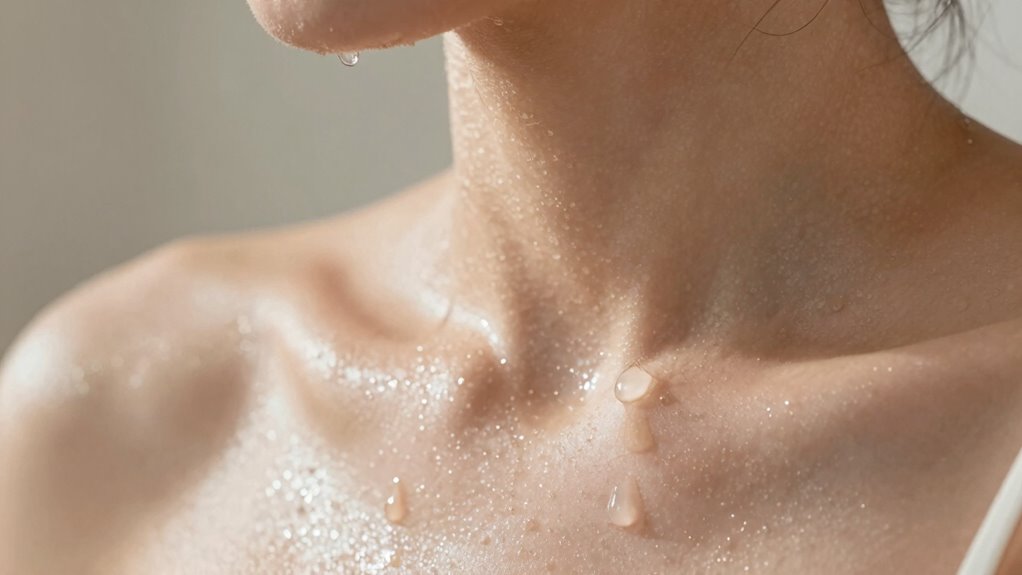
Different types of sweating serve different purposes and can affect your skin and overall wellness in unique ways. Perspiration types vary based on which sweat glands are involved—eccrine and apocrine. Eccrine glands produce sweat primarily to regulate body temperature, often resulting in clear, watery perspiration that cools your skin efficiently. Apocrine glands, found mainly in areas like the underarms and groin, produce thicker, milky sweat that can contribute to body odor. This sweat interacts differently with your skin, sometimes causing irritation or breakouts if not managed properly. Understanding these sweat gland functions helps you grasp how various sweating responses impact your skin’s health and your overall sense of wellness. Recognizing these differences empowers you to support your body’s natural processes effectively.
Why Overdoing Sweat Can Harm Your Skin and Overall Health

While sweating helps regulate your body temperature and flush out toxins, excessive sweating can do more harm than good. Overusing sweat-inducing activities or products can overstimulate your sweat glands, leading to irritated skin and clogged pores. This can reduce skin hydration, making your skin dry, flaky, and more prone to irritation. Too much sweat can also strip away natural oils, weakening your skin’s barrier and increasing vulnerability to infections. Be mindful of signs like persistent redness, breakouts, or dryness. To protect your health:
- Avoid prolonged exposure to excessive sweat
- Keep your skin clean and dry afterward
- Use gentle, hydrating skincare
- Don’t ignore signs of irritation
- Balance activity with proper rest and hydration
Practical Tips to Keep Your Skin Glowing Without Relying on Sweat
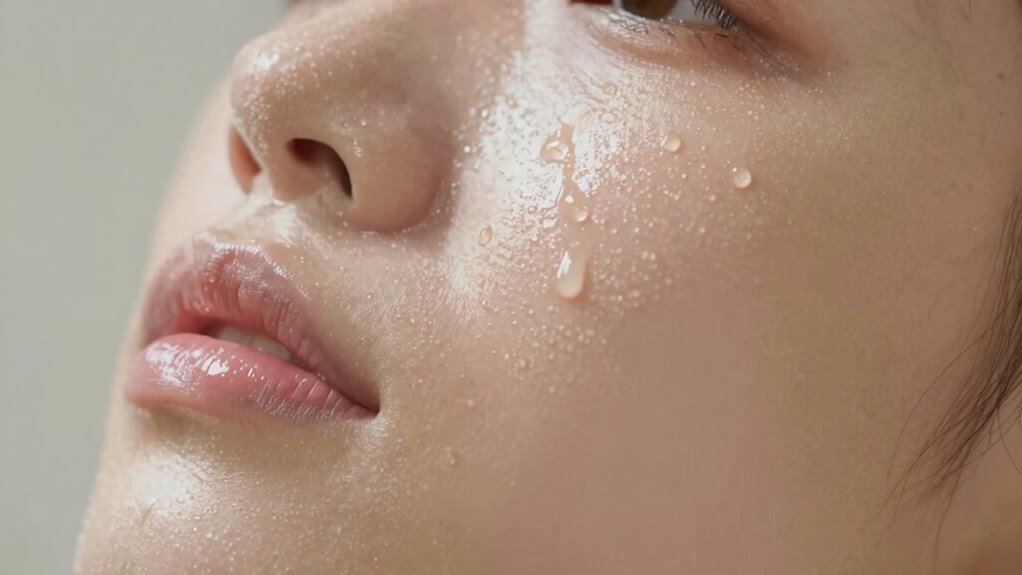
You can achieve a radiant, glowing complexion without relying solely on sweat by adopting a consistent skincare routine and healthy habits. Focus on using the right skincare ingredients, like antioxidants, hyaluronic acid, and niacinamide, to nourish and protect your skin. Cleansing thoroughly removes dirt and excess oil, while moisturizing keeps your skin hydrated and resilient. Incorporate sun protection daily to prevent damage and dullness. Maintain a balanced diet rich in vitamins and antioxidants, and stay well-hydrated to support your skin’s natural glow. Avoid harsh products that strip moisture or cause irritation. Instead, choose gentle, effective treatments that enhance your skin’s health. With these practical tips, you can enjoy a vibrant complexion that shines without relying on sweat or excessive detox routines.
What Scientific Research Reveals About Sweat, Toxins, and Skin Care
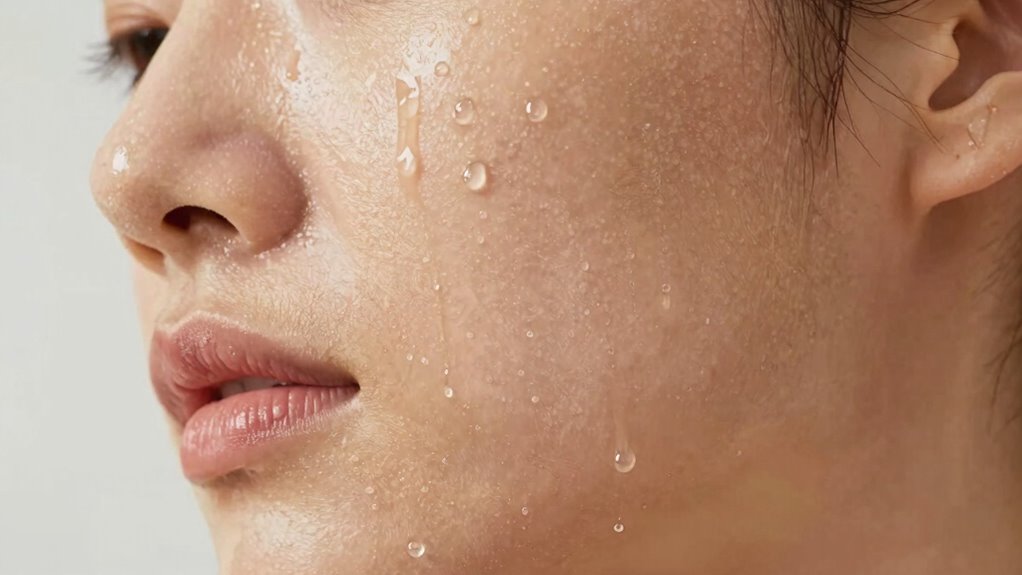
Scientific research shows that sweat mainly contains water, salts, and small amounts of other substances, but it doesn’t eliminate toxins as often believed. Your skin’s natural detox processes are more effective than sweating alone for removing waste. Understanding these facts helps you make smarter choices for skincare and overall health.
Sweat’s Composition and Role
Sweat is primarily composed of water, but it also contains salts, minerals, and trace elements that play an indispensable role in maintaining your body’s balance. Your sweat gland produces this fluid through a well-functioning skin barrier, which regulates what escapes your body. These components help with hydration and electrolyte balance, but they’re not toxins being expelled. Instead, sweat primarily cools your body and maintains homeostasis.
- Sweat’s mineral content supports skin health
- Skin barrier controls sweat’s release
- Electrolytes in sweat aid hydration
- Trace elements are crucial for cellular functions
- Sweat composition varies based on activity and environment
Understanding sweat’s composition clarifies its role in your body—mainly cooling and balancing, not detoxification.
Toxins in Sweat? Clarification
While many believe sweat helps detoxify the body, research shows that it primarily serves to cool and regulate temperature rather than eliminate toxins. Sweat composition includes water, salts, and small amounts of waste products like urea and lactic acid, but these are minimal compared to what your kidneys and liver process. Toxin elimination mainly occurs through these organs, not through sweat. Scientific studies reveal that sweat is not a significant pathway for removing harmful substances from your body. Instead, sweating helps maintain thermoregulation, preventing overheating. So, while sweating can make you feel refreshed, it’s not an effective method for detoxifying or clearing out toxins from your system. Focus on proper hydration and healthy organ function for genuine detoxification benefits.
Skin’s Natural Detox Processes
Although your skin plays a vital role in the body’s detox processes, scientific research shows that its primary function isn’t to eliminate toxins directly. Instead, sweat glands help regulate body temperature and maintain skin hydration. When you sweat, your skin’s natural processes support overall health, but toxins are mostly filtered by your liver and kidneys. Here’s what your skin does do:
- Helps keep skin hydrated and supple
- Acts as a barrier against external irritants
- Supports immune responses
- Facilitates cell repair and regeneration
- Aids in temperature regulation through sweating
While sweat may contain trace toxins, its main role isn’t detoxification. Proper skin hydration, rather than excessive sweating, is key to healthy, resilient skin.
Frequently Asked Questions
Can Sweating Help Reduce Body Fat Effectively?
Sweating alone won’t considerably reduce body fat, but it’s part of exercise benefits that improve overall health. When you sweat, your sweat composition mainly includes water, salts, and small amounts of waste, not fat. To effectively shed body fat, focus on a balanced diet and regular exercise like cardio and strength training. Sweating can boost motivation, but sustainable fat loss comes from consistent healthy habits, not just sweating.
Are There Skin Conditions Worsened by Excessive Sweating?
Imagine your skin as a bustling city, where sebaceous gland activity and sweat induce irritation can cause traffic jams. Excessive sweating may worsen conditions like acne, eczema, or dermatitis, leading to breakouts, redness, and inflammation. The constant moisture and sweat can trigger sweat-induced irritation, aggravating these skin issues. So, if you have sensitive or problematic skin, managing sweat and keeping your skin dry helps prevent these worsening conditions.
How Does Dehydration Affect Skin Health During Sweating?
Dehydration greatly impacts your skin health during sweating. When you’re dehydrated, your skin loses its elasticity and becomes dry, dull, and more prone to irritation. Proper hydration helps maintain skin’s elasticity and supports the natural barrier, preventing issues like cracking or flakiness. To protect your skin, drink plenty of water before, during, and after sweating. Staying hydrated ensures your skin remains supple, resilient, and healthy despite the physical stress of sweating.
Is Sweating More Beneficial Than Skincare Routines?
Imagine your skin as a busy city, with sweating acting like a gentle rain washing away dirt and impurities. Sweating offers benefits like cleansing pores and boosting circulation, but it shouldn’t replace your skincare routine. Combining both provides the best results—sweating helps detoxify while proper skincare nourishes and protects. So, prioritize a balanced approach, using sweating as a complement, not a substitute, for your skincare routines.
What Are Signs of Skin Damage From Excessive Sweating?
You might notice skin irritation, redness, or itching after excessive sweating. Acne breakouts can also occur if sweat traps dirt and bacteria in your pores. These signs indicate your skin’s barrier is compromised, and you need to clean your skin properly and avoid over-scrubbing. Staying hydrated and using gentle skincare products can help soothe irritation and prevent further damage from prolonged sweating.
Conclusion
Remember, sweating is like a gentle rain that refreshes your skin’s surface, but it’s not a magic detox. Your body’s true cleanup crew—your liver and kidneys—work quietly behind the scenes. Instead of chasing after the false promise of instant detox, nurture your skin with proper hydration, balanced skincare, and healthy habits. Think of your skin as a vibrant garden—care for it thoughtfully, and it’ll glow with natural radiance, no sweat required.