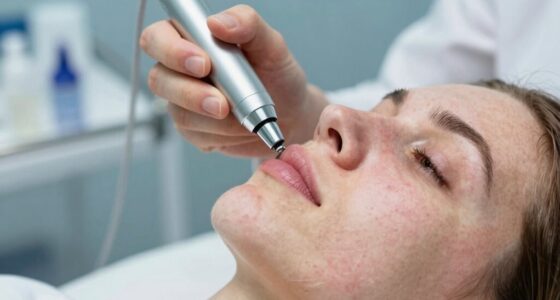
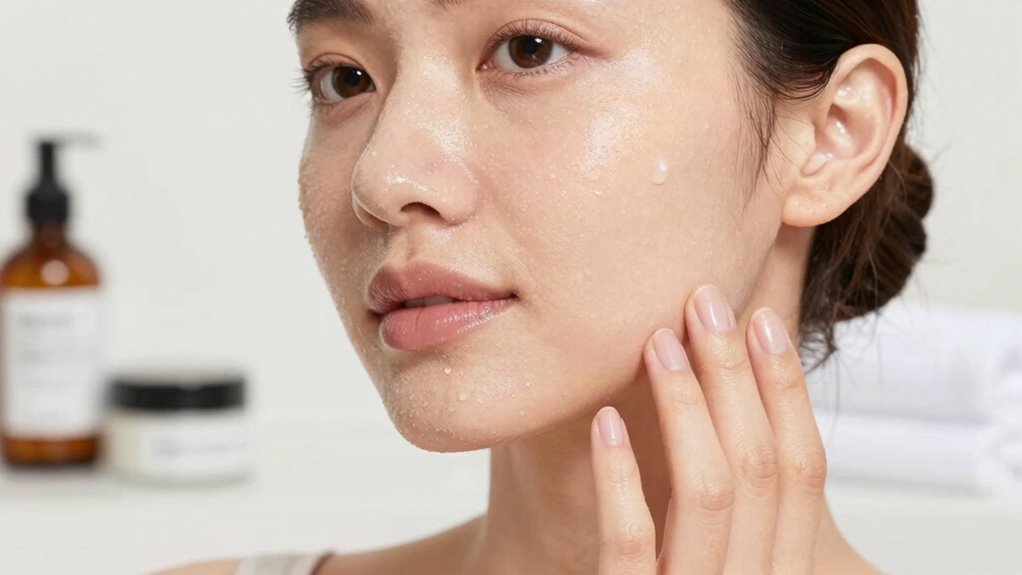

After microdermabrasion, it’s essential to protect your skin during the first 72 hours. Keep your skin moisturized with gentle, fragrance-free products and avoid harsh chemicals, retinoids, and exfoliants. Stay out of the sun, wear broad-spectrum sunscreen, and avoid tanning beds or UV exposure. Use soothing products and gentle cleansers to support healing. Watch for signs of irritation or infection—if any occur, seek professional advice promptly. If you want detailed tips, keep going.
Key Takeaways
- Protect your skin from sun exposure by wearing sunscreen, protective clothing, and staying indoors during the first 72 hours.
- Use gentle, sulfate-free cleansers and apply moisturizing products with hyaluronic acid or ceramides to support skin hydration and barrier repair.
- Avoid harsh chemicals, retinoids, alpha hydroxy acids, and fragrances that can cause irritation or delay healing.
- Incorporate soothing treatments like chamomile or aloe vera and consider cool compresses or LED therapy to reduce inflammation.
- Monitor your skin for persistent redness, swelling, or signs of infection, and consult a dermatologist if symptoms worsen or do not improve.
Why Your Skin Needs Extra Care After Microdermabrasion
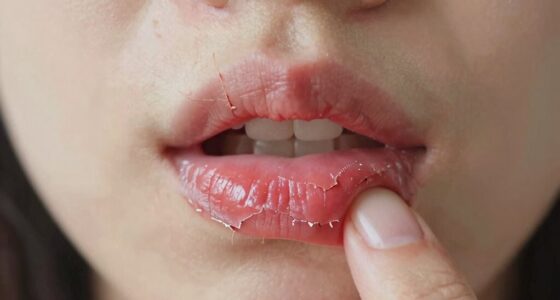
After microdermabrasion, your skin becomes more vulnerable because the procedure removes the outermost layer of dead skin cells. This temporary thinning weakens your skin barrier, making it less protective against environmental stressors and germs. Additionally, the treatment can disrupt your skin’s natural pH balance, leading to increased sensitivity and potential irritation. When your skin barrier is compromised, it’s essential to be gentle and avoid harsh products. Maintaining your skin’s pH balance helps support healing and prevents issues like dryness or redness. Proper calibration of your skincare routine can optimize your skin’s recovery and resilience. During this recovery phase, your skin needs extra care to rebuild its defenses, including protecting your skin from damage and supporting its natural healing processes. A proper skincare routine tailored for post-microdermabrasion can significantly enhance your skin’s ability to recover efficiently. Additionally, avoiding irritating ingredients like alcohol or fragrances can help minimize inflammation and accelerate healing. Incorporating gentle, soothing products can further enhance skin recovery, promoting faster healing and better long-term results. Protecting your skin from damage and maintaining its natural acidity will promote faster healing and help preserve your skin’s health and resilience.
How to Keep Your Skin Hydrated and Gentle During Recovery
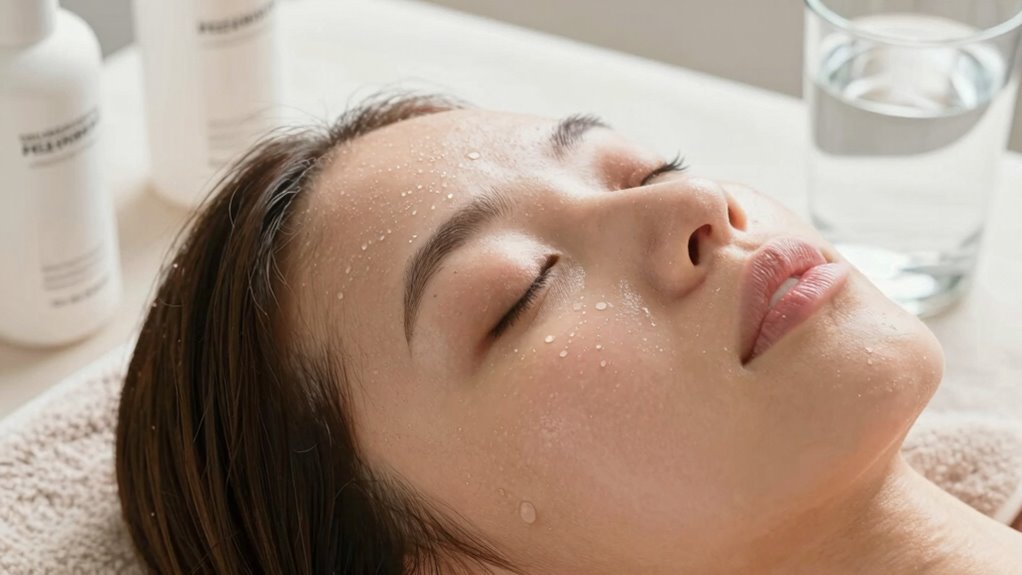
To keep your skin hydrated and gentle during recovery, make sure you moisturize regularly with a soothing product. Choose gentle, fragrance-free cleansers and skincare items to avoid irritation. Staying consistent with these steps helps your skin heal faster and stays comfortable.
Moisturize Regularly
Keeping your skin well-moisturized is essential for a smooth and comfortable recovery. Proper hydration tips involve applying moisturizer frequently to lock in moisture and prevent dryness. Use gentle, hydrating moisturizer types such as those with hyaluronic acid or ceramides, which help restore your skin’s barrier. Avoid heavy or fragranced products that might irritate sensitive skin. During this period, aim to reapply moisturizer at least twice a day, especially after cleansing or washing your face. This helps maintain ideal hydration and keeps your skin soft and supple. Consistent moisturizing supports healing by preventing dehydration and reducing discomfort. Remember, keeping your skin hydrated is a key step toward a successful recovery and healthier, radiant skin. Incorporating the right moisturizer types can further enhance your skin’s recovery process. Additionally, maintaining a balanced skincare routine ensures ongoing skin health and facilitates faster healing.
Use Gentle Products
Choosing gentle skincare products is essential during recovery because harsh ingredients can irritate sensitive skin and hinder healing. Opt for gentle cleansers that cleanse without stripping moisture, and incorporate soothing serums to calm inflammation. Avoid products with alcohol, fragrances, or exfoliants that may cause irritation. Instead, look for formulas designed for sensitive skin to promote healing and hydration. Here’s a quick guide:
| Product Type | Key Ingredient | Benefit |
|---|---|---|
| Gentle Cleanser | Aloe Vera, Ceramides | Cleanses without irritation |
| Soothing Serum | Chamomile, Centella Asiatica | Reduces redness and calms skin |
| Moisturizer | Hyaluronic Acid | Hydrates and maintains barrier |
Using products formulated for sensitive skin can also help prevent further irritation and support your skin’s recovery process. Incorporating gentle skincare routines can further enhance healing by minimizing stress on your skin. Additionally, selecting products with non-irritating ingredients can significantly reduce the risk of setbacks during recovery. It’s also important to avoid irritating ingredients like alcohol or fragrances that can delay healing. Incorporating proper hydration and gentle cleansing habits is crucial for optimal recovery. Stick to these products to keep your skin hydrated and gentle during recovery.
Best Soothing Products to Speed Up Your Microdermabrasion Healing
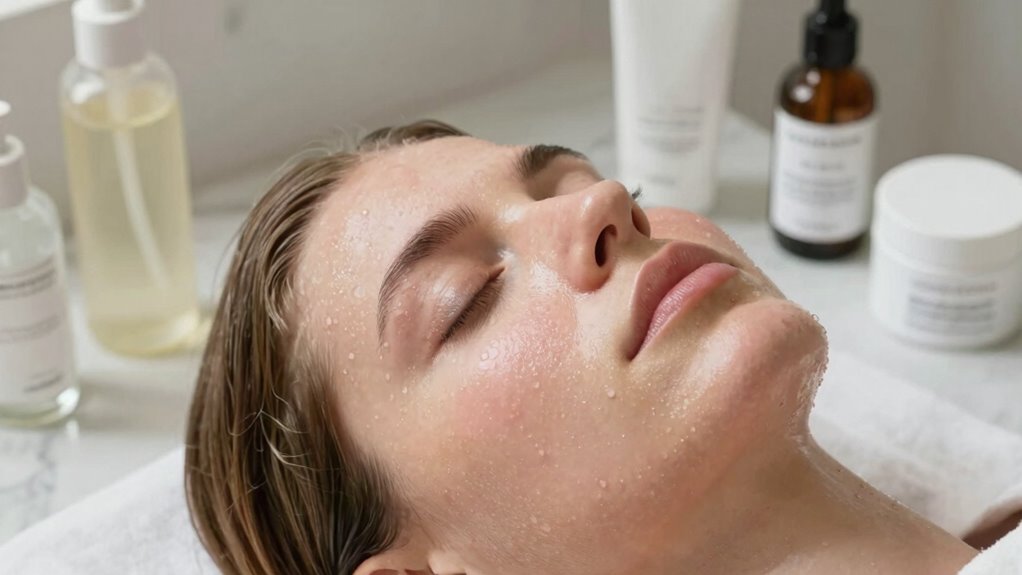
After a microdermabrasion session, using the right soothing products can considerably accelerate your skin’s healing process. Look for soothing serums that contain ingredients like hyaluronic acid or aloe vera, which help hydrate and calm irritated skin. Calming masks with chamomile or oatmeal can also reduce redness and soothe sensitivity. These products work by reducing inflammation and supporting your skin’s natural repair mechanisms. Applying them gently and avoid harsh or fragranced items that could aggravate your skin. Incorporating these soothing serums and calming masks into your post-treatment routine will help minimize discomfort and promote faster healing. Consistent use during the first 72 hours guarantees your skin recovers smoothly, leaving it refreshed, calm, and well-hydrated. Additionally, using air purifiers can help maintain a clean environment that minimizes exposure to airborne irritants during your recovery. Maintaining a proper skincare routine during this period is essential for optimal healing and long-term skin health.
What Ingredients and Sun Exposure Should You Avoid First 72 Hours?
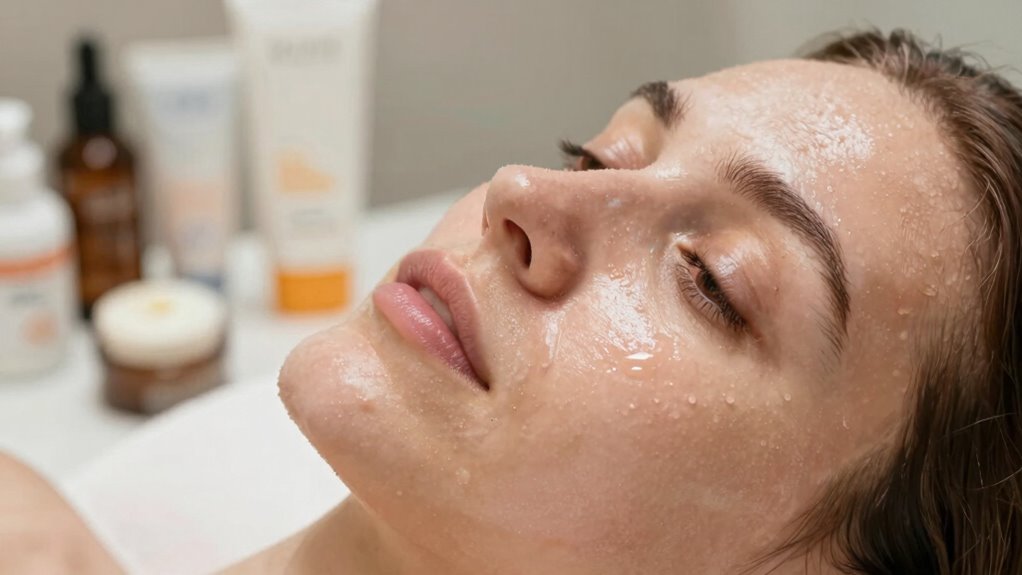
To support your skin’s recovery after microdermabrasion, it’s important to avoid certain ingredients and sun exposure that can cause irritation or hinder healing. Harsh chemicals like retinoids, alpha hydroxy acids, and alcohol-based products should be skipped during this time. These ingredients can increase sensitivity and cause redness or burning. Additionally, stay away from tanning beds, as UV rays can damage the newly exfoliated skin and slow down recovery. Protecting your skin from sun exposure is vital, so wear broad-spectrum sunscreen if you must go outside. Avoid direct sunlight, and stay indoors whenever possible. Sun protection is essential to prevent further damage. By steering clear of harsh chemicals and tanning beds, you give your skin the best chance to heal quickly and effectively. The importance of skin barrier repair during this period cannot be overstated, as it helps restore your skin’s natural defenses. Incorporating gentle skincare techniques during this time also supports optimal healing and minimizes the risk of complications. Using moisturizing products with calming ingredients like aloe vera or chamomile can further soothe irritation and promote recovery.
Simple Steps for an Effective Skincare Routine After Microdermabrasion
After microdermabrasion, you should use gentle cleansing techniques to avoid irritating your skin. Make sure to hydrate intensively to help your skin recover and stay plump. Also, avoid sun exposure to protect your sensitive skin and prevent damage. Additionally, applying proper skincare techniques can further support your skin’s healing process and enhance results. Incorporating LED light therapy can promote healing and reduce inflammation, accelerating your recovery time.
Gentle Cleansing Techniques
Gentle cleansing is essential following microdermabrasion because your skin becomes more sensitive and prone to irritation. Use a mild, sulfate-free cleanser that won’t disrupt your skin’s pH balance. Avoid harsh scrubs or products with fragrances, alcohol, or strong chemicals, as these can cause unnecessary irritation. Instead, opt for lukewarm water and soft, circular motions to cleanse without rubbing or pulling at your skin. This gentle approach helps remove dirt and excess oil without compromising your skin’s natural barrier. Maintaining the right skin pH balance is vital for healing and preventing dryness or redness. Pat your face dry with a soft towel, never rub, and follow up with appropriate post-treatment products to support your skin’s recovery. Proper, gentle cleansing sets the foundation for effective healing. Additionally, choosing appropriate skincare tools can further enhance your cleansing routine without damaging your sensitive skin. Incorporating professional guidance from skincare experts can also optimize your post-microdermabrasion care. Using hydrotherapy techniques, such as cool compresses, can help reduce inflammation and soothe your skin during recovery.
Hydrate Intensely Always
Because your skin has just undergone microdermabrasion, it’s essential to hydrate thoroughly to support healing and restore moisture. Proper hydration is vital because it helps reduce dryness, soothe irritation, and promote faster recovery. The hydration importance can’t be overstated—well-hydrated skin recovers more efficiently and maintains a healthy glow. Focus on moisturizer selection; choose a gentle, hydrating product that’s fragrance-free and suitable for sensitive skin. Look for ingredients like hyaluronic acid or glycerin, which draw moisture into your skin. Apply your moisturizer generously and frequently throughout the day to lock in hydration. Consistent hydration ensures your skin remains plump, resilient, and protected as it heals from the microdermabrasion process.
Avoid Sun Exposure
Since your skin needs time to recover from microdermabrasion, protecting it from harmful UV rays is a vital step in your post-treatment routine. Sun protection is essential to prevent irritation and further damage that can weaken your skin barrier. During the first 72 hours, avoid direct sun exposure as UV rays can cause redness, sensitivity, and hyperpigmentation. If you must go outside, wear a broad-spectrum sunscreen with at least SPF 30, and cover your skin with protective clothing and a wide-brimmed hat. Keeping your skin shielded helps maintain the integrity of your skin barrier, promoting faster healing and better results. Remember, safeguarding your skin from the sun is imperative for ideal recovery and long-term skin health.
How to Spot Signs of Irritation or Infection and When to See a Dermatologist
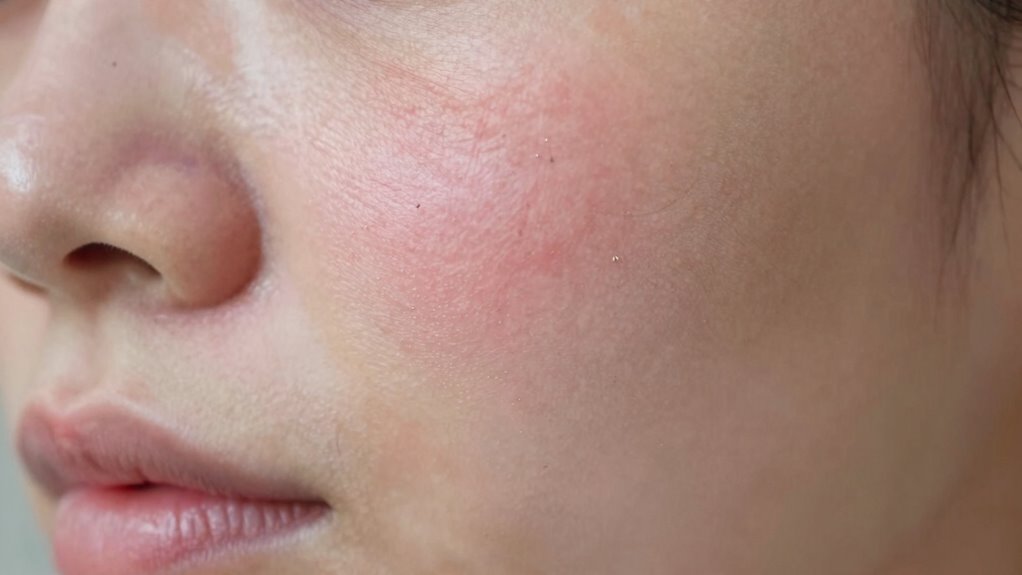
Recognizing signs of irritation or infection early can prevent more serious skin issues down the line. Keep an eye out for persistent redness, swelling, or warmth around the treated area, as these can be signs of infection. If you notice increased pain, pus, or a foul odor, it’s time to seek professional help. Small bumps or blistering that don’t improve within a few days may also indicate a reaction needing medical attention. Prompt early intervention can minimize complications and promote proper healing. Trust your instincts—if your skin isn’t improving or worsens, don’t delay consulting a dermatologist. Addressing signs of infection early helps ensure your skin heals properly and maintains its healthy glow.
Tips to Protect Your Skin and Maintain Your Glow Long-Term
To maintain your skin looking radiant and healthy long after your treatment, it is essential to adopt a consistent skincare routine and protect your skin from environmental damage. Be aware that some microdermabrasion myths and skincare myths can lead you astray, causing unnecessary worry or improper care. Avoid believing false claims about needing harsh products or over-exfoliating, which can harm your skin. Instead, stick to gentle, hydrating cleansers, broad-spectrum sunscreen, and nourishing moisturizers. Proper protection shields your skin from UV rays and pollution, helping preserve your glow. Remember, long-term skin health isn’t about quick fixes; it’s about debunking myths and following proven skincare practices that support your skin’s natural beauty over time.
Frequently Asked Questions
Can I Wear Makeup Immediately After Microdermabrasion?
You should avoid wearing makeup immediately after microdermabrasion, as your skin is sensitive and prone to irritation. Applying makeup too soon can clog pores and hinder healing. It’s best to let your skin recover first, then gently apply makeup for skin coverage if needed. Wait at least 24 to 48 hours, and choose non-comedogenic, soothing products to protect your skin while it heals.
Is It Safe to Exercise or Sweat During Recovery?
Exercising after microderm is like walking a tightrope—you need to be careful. It’s best to avoid intense workouts during recovery because sweating can irritate your skin and cause inflammation. Exercise safety means sticking to gentle activities and avoiding excessive sweating, which can compromise your skin’s healing process. Wait at least 72 hours, and when you do work out, keep sweat at bay and cleanse your skin afterward.
How Long Should I Avoid Using Exfoliating Products?
You should avoid using exfoliating products for at least 7 to 10 days after microdermabrasion. This period allows your skin to recover and reduces the risk of irritation. Skincare interruption is essential because exfoliation can be too harsh during this time, potentially damaging your skin. Wait until your skin feels fully healed and consult your dermatologist before resuming exfoliation, ensuring a safe and effective recovery process.
Can I Use Retinol or Acids Within 72 Hours?
It’s best to avoid retinol restrictions and acid usage guidelines within the first 72 hours after microderm. Think of your skin as a delicate garden; adding retinol or acids too soon can cause irritation or hinder healing. While it’s tempting to jump back into your routine, give your skin a break. Stick to gentle, hydrating products to support recovery and avoid any unnecessary setbacks.
Are There Signs That Indicate I Need Professional Skin Treatment?
If you notice signs of irritation like redness, swelling, or burning, you should see a dermatologist urgently. These symptoms may indicate a reaction or damage requiring professional treatment. Don’t ignore persistent discomfort or worsening symptoms, as they could lead to scarring or infection. Trust your instincts—if your skin doesn’t improve or worsens, schedule an appointment promptly to guarantee proper care and avoid further issues.
Conclusion
After microdermabrasion, following the 72-hour skincare rules helps you achieve the best results and avoid complications. Did you know that studies show 60% of skin issues improve markedly when proper post-treatment care is followed? By staying gentle, avoiding harsh ingredients, and protecting your skin from sun exposure, you’ll maintain that radiant glow and support your skin’s recovery. Stick to these tips, and you’ll enjoy healthier, smoother skin in no time.