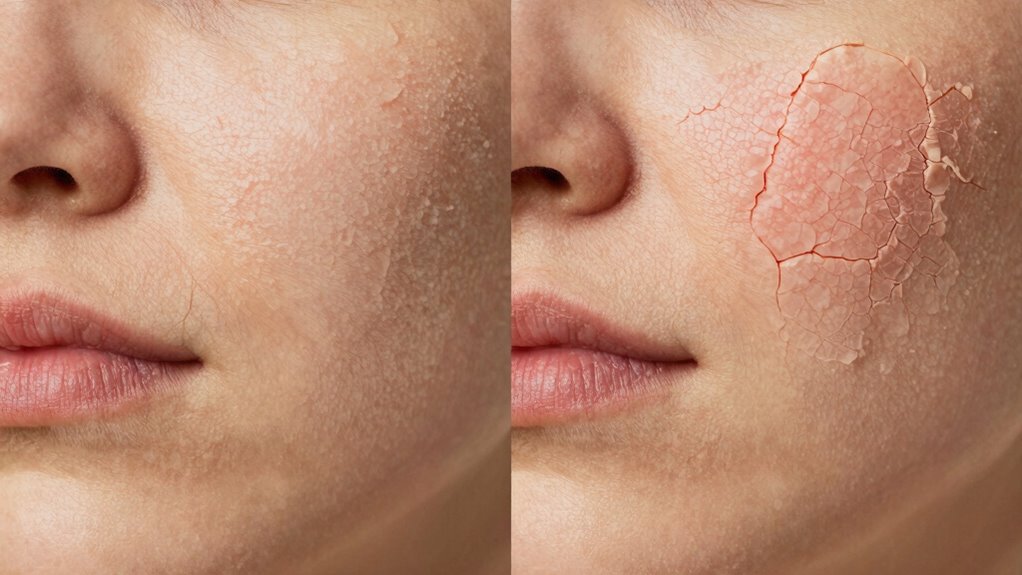

To tell if you have dehydrated or dry skin, do the pinch test after cleansing: gently pinch your skin and see how it responds. If it bounces back quickly, you’re likely dehydrated; if it’s slow or doesn’t bounce back, your skin probably is dry. Dehydrated skin feels tight and dull, while dry skin feels rough and flaky. Keep going to uncover more tips on how to accurately identify and care for your skin.
Key Takeaways
- Perform a quick pinch test: rapid bounce-back indicates dehydration; slow or no bounce suggests dry skin.
- After cleansing, assess skin’s tightness and dullness; dehydration causes dullness, while dryness causes roughness.
- Observe if moisturizers improve skin; hydrated skin responds well, dry skin may not improve with hydration alone.
- Check for flaky, rough patches regardless of hydration; dryness often causes persistent roughness.
- Note skin’s reaction to environmental factors; dehydration worsens with water loss, dryness worsens with barrier damage.
What’s the Difference Between Dry and Dehydrated Skin?

Have you ever wondered if dry and dehydrated skin are the same? They’re actually quite different. Dry skin is a skin type, meaning your skin naturally produces less oil, resulting in a lack of moisture retention. It feels rough, flaky, or tight even after applying moisturizer. Dehydrated skin, on the other hand, is a condition that anyone can experience, regardless of skin type. It occurs when your skin lacks water, which affects skin hydration levels. Dehydration can cause your skin to look dull, feel tight, or appear more sensitive. Recognizing the signs of dehydration is important because skin hydration levels can fluctuate due to factors like weather, diet, or skincare routines. Understanding this distinction helps you choose the right skincare to restore your skin’s balance. Additionally, environmental factors such as air quality and seasonal changes can significantly influence your skin’s hydration status. Staying aware of hydration balance is essential for maintaining healthy skin, especially in changing climates. Regularly assessing your skin’s hydration can help prevent issues caused by water loss, which can be exacerbated by pollution or improper skincare routines, and keep your skin resilient.
How Can You Tell If Your Skin Is Dehydrated or Dry?
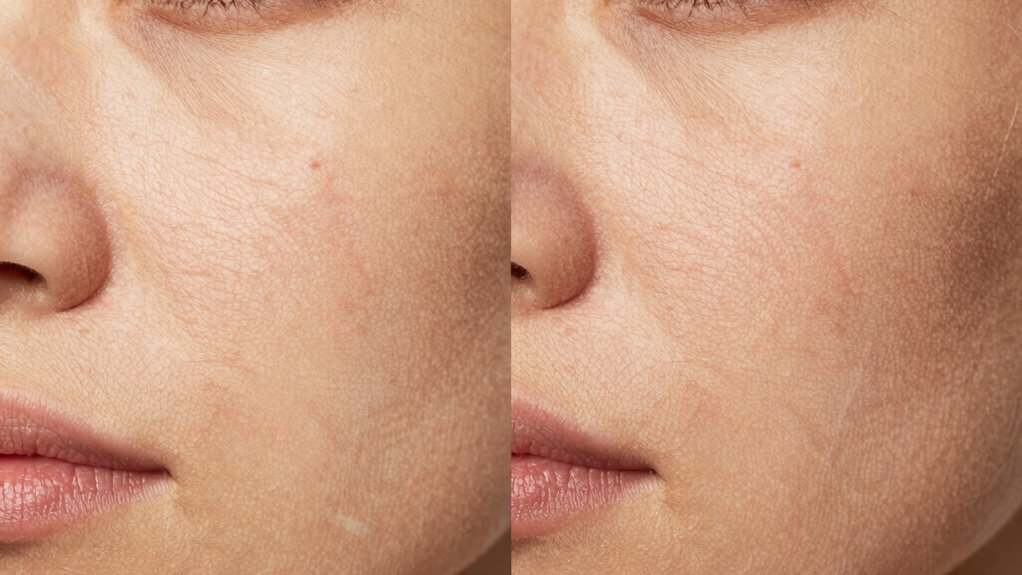
Understanding whether your skin is dehydrated or dry can be tricky since they often feel similar. To tell the difference, focus on your skin’s hydration balance. Dehydrated skin lacks water and usually feels tight, dull, or flaky, especially after cleansing. It may also be more sensitive or prone to irritation because its skin barrier is compromised. Dry skin, on the other hand, is a skin type with a naturally low oil production, leading to roughness and flakiness regardless of hydration levels. To check, gently pinch your skin; if it bounces back quickly, your skin is likely dehydrated. If it stays pinched or feels rough and tight even after moisturizing, you might have dry skin. Recognizing these signs helps you choose the right skincare approach. Proper skin hydration is essential for maintaining healthy, resilient skin and can influence how your skin responds to environmental pollutants and skincare products. Additionally, understanding your skin’s unique needs can help you select appropriate moisturizers and treatment routines for optimal health. Knowing the difference can also guide you in choosing targeted skincare products that address your specific condition effectively.
Signs and Causes of Dehydrated Skin
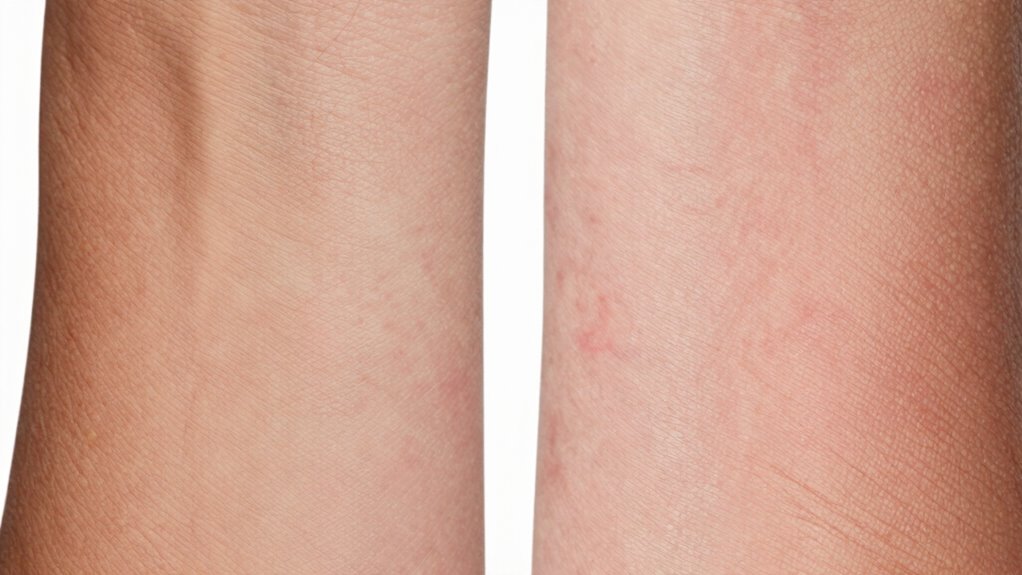
Dehydrated skin often shows clear signs that you can notice, such as a dull complexion, increased sensitivity, and a tendency to feel tight or flaky after cleansing. The main cause is an imbalance in hydration levels, which disrupts your skin’s hydration balance. When your skin lacks water, it loses elasticity, making it appear less plump and more prone to fine lines. Factors like inadequate water intake, harsh skincare products, environmental stressors, and climate changes can contribute to dehydration. Additionally, understanding skin hydration mechanisms can help you adopt more targeted approaches to restore moisture effectively. Recognizing these signs helps you identify dehydration early and take steps to restore your skin’s hydration balance, improving its overall health and elasticity. Being aware of your skin’s hydration status is essential, as it can vary with environmental conditions and other external influences. Proper hydration is also influenced by internal factors, including your overall health and diet, which play a crucial role in maintaining skin moisture. Incorporating gentle skincare routines and hydrating ingredients can further support your skin’s ability to retain moisture and combat dehydration.
Signs and Causes of Dry Skin
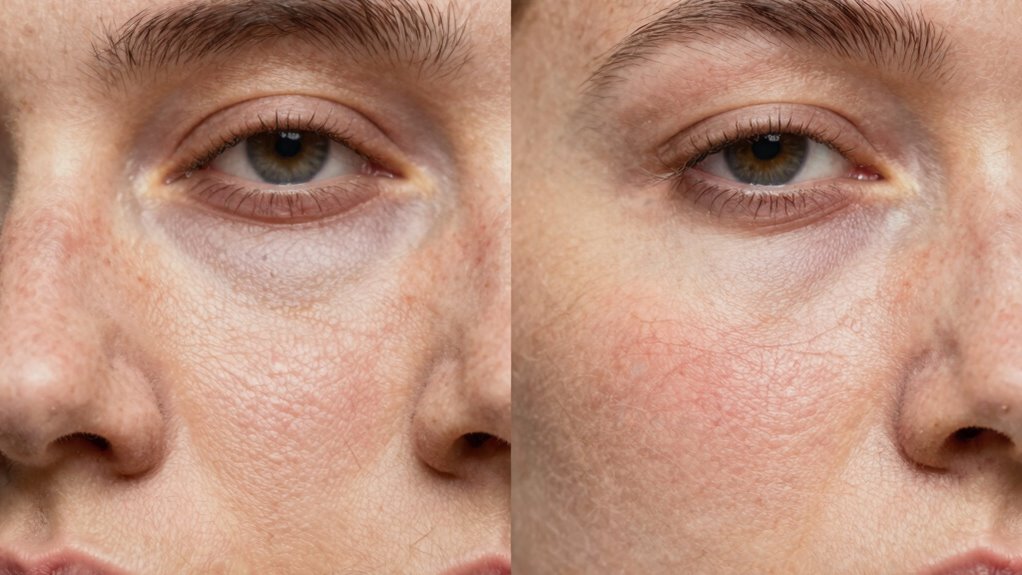
Dry skin often feels rough, tight, and visibly flaky, especially after cleansing or exposure to cold weather. Its signs include dullness, redness, and fine lines that appear more pronounced. The primary cause is a compromised skin barrier, which struggles to retain moisture. You might notice that your skin doesn’t respond well to hydrating ingredients like humectants, indicating a barrier that needs repair. Environmental factors such as low humidity, harsh soaps, and hot showers can strip natural oils, worsening dryness. Additionally, aging reduces oil production, making it harder for your skin to stay moist. To combat this, look for products that strengthen your skin barrier, containing nourishing ingredients. Recognizing these signs helps you adjust your skincare routine to restore moisture and improve skin health. It’s also helpful to understand Youngster Choice concepts of skin health and hydration to better tailor your skincare approach. Incorporating moisture-retaining ingredients such as ceramides and hyaluronic acid can further support barrier repair and hydration. Moreover, understanding skin barrier function can guide you in choosing the most effective treatments to restore your skin’s moisture balance. One way to assess your skin’s condition is by performing a simple self-test to determine if your skin is dehydrated or dry, guiding you toward appropriate care strategies. To better understand your skin’s needs, learning about skin hydration levels can help you select the most suitable products and routines.
How to Diagnose Your Skin Type and Choose the Right Skincare

Figuring out your skin type is the first step toward selecting effective skincare. To do this, assess your hydration levels and skin elasticity. Gently cleanse your face and wait an hour; if your skin feels tight or flaky, it may be dry or dehydrated. Check for shine—oily skin tends to produce excess sebum, while dry skin feels rough and lacks luster. Pinch your skin lightly; if it bounces back quickly, your skin likely has good elasticity. If it remains pinched or feels dull, you might need more hydration or specific treatments. Understanding these signs helps you choose products suited to your skin’s needs, whether it’s hydrating serums, moisturizers, or gentle cleansers, ensuring your skincare routine is both effective and tailored to your skin type. Additionally, performing simple self-tests can help you better understand your skin’s condition and select the right care. Recognizing whether your skin is dehydrated or dry can prevent over- or under-treating your skin and improve overall health. Being aware of your skin’s support structure can further guide your choice of skincare products for optimal results, especially when considering factors such as skin barrier function.
Frequently Asked Questions
Can Dehydration Affect Oily Skin Types?
Yes, dehydration can affect oily skin types. When your skin lacks water, it can trigger oiliness concerns as your skin produces more oil to compensate. This disrupts your moisture balance, making your skin appear shinier and potentially leading to breakouts. To maintain healthy oil levels, guarantee you stay well-hydrated, use lightweight moisturizers, and avoid stripping products that worsen dehydration and oiliness concerns.
Are There Specific Foods That Improve Skin Hydration?
Think of your skin as a sponge needing nutrient-rich foods and water to stay plump. Eating hydrating foods like cucumbers, oranges, and watermelon, along with drinking plenty of water, boosts skin hydration. These foods are packed with antioxidants and vitamins that support moisture retention. Prioritize a balanced diet and proper water intake, and you’ll notice your skin feeling more supple and refreshed, just like a well-watered plant thriving in the sun.
How Long Does It Take to See Results From Hydration Remedies?
You’ll typically see hydration remedy results within a few days to a week, but it varies. Don’t fall for hydration myths that quick fixes are permanent; consistent effort is key. Improving your skin barrier through proper hydration takes time, often around two weeks, depending on your skin’s condition. Stay patient and diligent, and you’ll notice smoother, plumper skin as your hydration levels improve.
Can Dehydration Cause Premature Skin Aging?
Did you know that 70% of skin aging signs are linked to dehydration? When you’re dehydrated, your skin loses elasticity, making it more prone to wrinkles and premature aging. Dehydration pulls moisture from deeper layers, weakening skin structure. If you stay hydrated, you help maintain your skin’s firmness and delay wrinkle formation, giving you a more youthful appearance. So, hydration isn’t just about glow—it’s about protecting your skin’s future.
Is Dehydration Always Temporary or Can It Be Chronic?
Dehydration can be both temporary and chronic, depending on the underlying causes. If you neglect hydration or face ongoing issues like poor water intake, it may lead to long-term effects such as persistent dry, dull skin and premature aging. Chronic dehydration often signals deeper health problems or lifestyle habits that need addressing. To prevent this, focus on consistent hydration, proper nutrition, and consulting a healthcare professional if dehydration persists.
Conclusion
Remember, your skin’s needs are like a garden—water and nourishment are essential for vibrant growth. By understanding whether your skin is dehydrated or dry, you hold the key to revealing its true radiance. Don’t let your skin wither like a neglected flower; instead, nurture it with the right care. With a little attention, your skin can bloom beautifully, glowing like a well-watered oasis in a desert.