
Exfoliation clears away dead skin cells through two main methods: chemical and physical. Chemical exfoliants use acids or enzymes to dissolve bonds between cells, revealing smoother, brighter skin, while physical exfoliants employ scrubs or brushes to manually slough off dull layers. Choosing the right method depends on your skin type and goals, and using them properly prevents damage. Stay with us to discover how to exfoliate safely and effectively for radiant skin.
Key Takeaways
- Chemical exfoliation dissolves dead skin bonds using acids or enzymes for gentle, even skin renewal.
- Physical exfoliation manually removes dead skin through scrubs, brushes, or sponges for immediate texture improvement.
- Choose exfoliation types based on skin sensitivity, with gentle options for fragile or sensitive skin.
- Limit exfoliation to 1-3 times weekly to prevent irritation, over-exfoliation, and skin barrier damage.
- Combining both methods can be effective but requires caution to avoid irritation and microtears.
What Are Chemical and Physical Exfoliation?
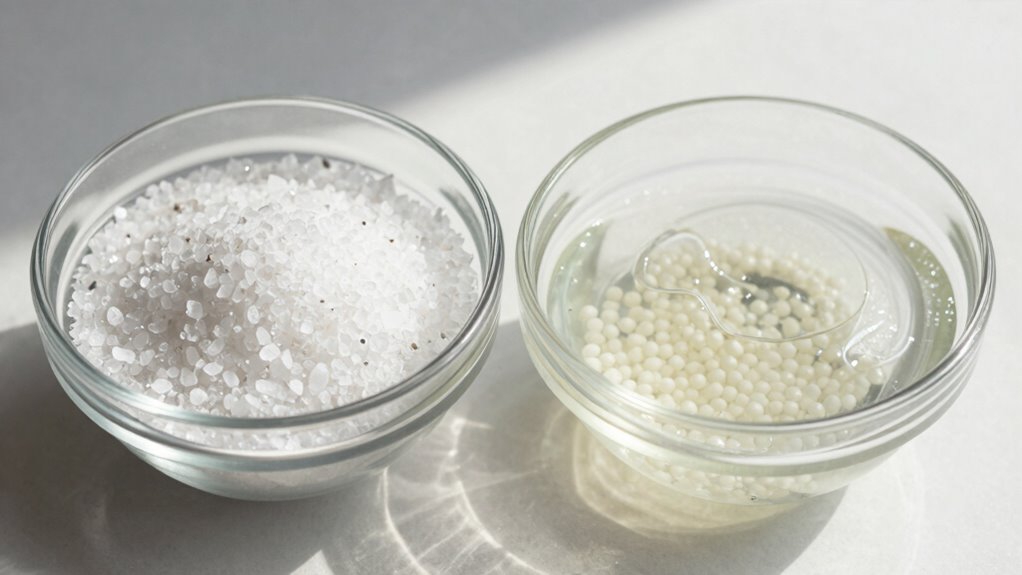
Exfoliation is essential for maintaining healthy skin, and understanding the difference between chemical and physical methods is key. Many exfoliation myths circulate, leading people to believe one method is better than the other. Chemical exfoliation uses acids or enzymes to dissolve dead skin cells, while physical exfoliation involves scrubbing with particles or tools. Some believe physical exfoliation is harsher, but that depends on the product and technique. It’s also important to contemplate ingredient sensitivities—certain ingredients in chemical exfoliants can cause irritation for sensitive skin. Knowing your skin’s needs helps you choose the right approach. Remember, not all exfoliation methods suit everyone, and misusing them can damage your skin or worsen issues. Educating yourself ensures you exfoliate safely and effectively. Additionally, using the appropriate device or product, such as those with microcurrent or LED technology, can enhance your skincare routine without over-exfoliating. Incorporating professional guidance can also help tailor exfoliation to your skin type and prevent potential damage. Understanding the benefits of exfoliation and how different methods impact your skin can lead to better results and healthier skin over time. Being aware of your skin’s sensitivity level can further help prevent adverse reactions and optimize your exfoliation routine.
Which Skin Types Benefit Most From Chemical and Physical Exfoliation?

Certain skin types respond better to either chemical or physical exfoliation, depending on their unique needs and sensitivities. If your skin has a fragile or compromised skin barrier, gentle chemical exfoliants like acids may be preferable, as they refine skin without risking irritation from harsh physical exfoliation tools. Sensitive or redness-prone skin often benefits from mild chemical options that promote cell turnover without abrasive scrubbing. Oily or acne-prone skin can tolerate or even benefit from physical exfoliation tools, but you should still be cautious to avoid over-exfoliation that could damage the skin barrier. On the other hand, thicker, resilient skin types might prefer physical exfoliation for a more immediate roughness removal. Always consider your skin’s response and choose exfoliation methods that support your skin’s health without causing damage. Utilizing technological tools like digital skin analysis can help tailor exfoliation routines to your specific skin type and reduce the risk of over-exfoliation or irritation.
How Do Chemical Exfoliants Improve Your Skin?
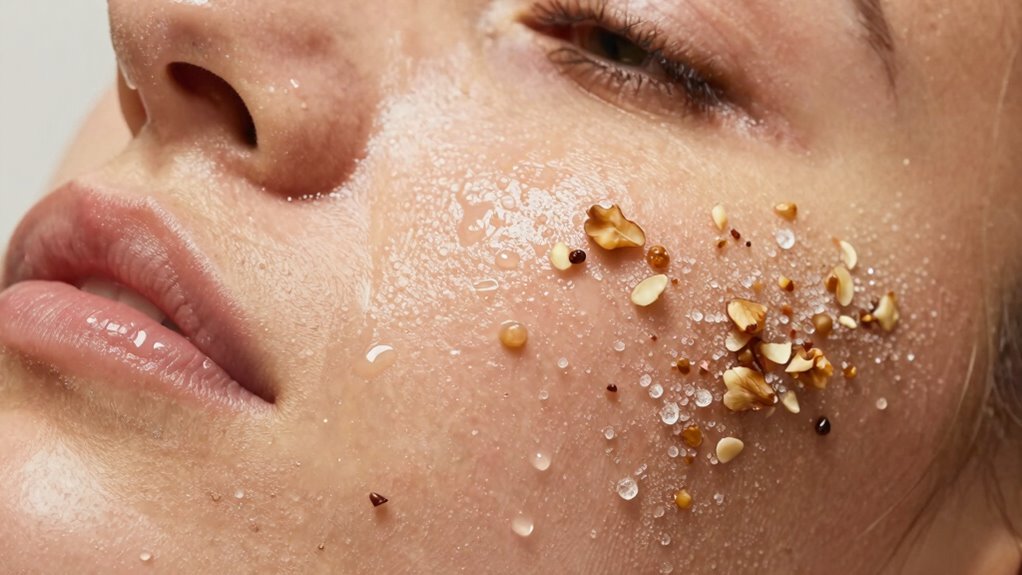
Have you ever wondered how chemical exfoliants work to transform your skin? They do more than just remove dead cells—they promote true skin renewal. Unlike some exfoliation myths, chemical exfoliants penetrate deeply, dissolving the bonds that hold old skin in place. This process reveals fresh, radiant skin underneath. Imagine:
Chemical exfoliants deeply dissolve bonds, revealing fresh, radiant, and smoother skin underneath.
- Smooth, glowing surface with minimized pores
- Fewer dark spots and uneven tone
- Brighter complexion with improved clarity
- Softer, more supple feel
- Reduced appearance of fine lines
Additionally, understanding the role of glycolic acid can help you better navigate product ingredients and their effects.
How Do Physical Exfoliants Work on Your Skin?
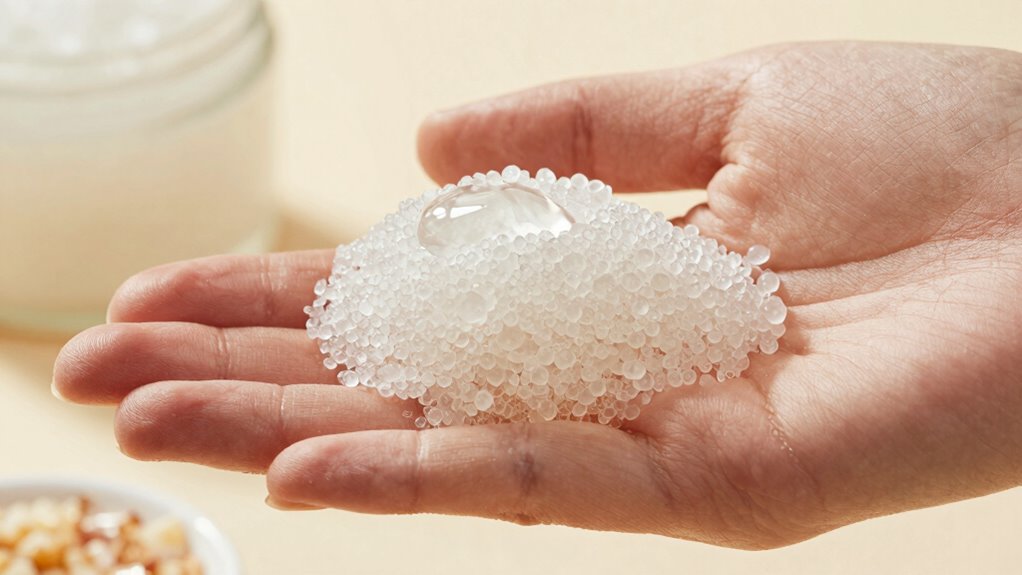
Physical exfoliants work by manually removing dead skin cells from your surface, revealing smoother skin beneath. They come in various forms, like scrubs with abrasive particles or tools like brushes and sponges. Choosing the right type can boost your skincare routine and improve your skin’s texture. Additionally, understanding skin barrier health helps prevent damage and irritation from exfoliation. The effectiveness of physical exfoliants can also depend on contrast ratio, which influences how clearly you see your skin’s improvements under different lighting conditions.
How Physical Exfoliants Remove Dead Cells
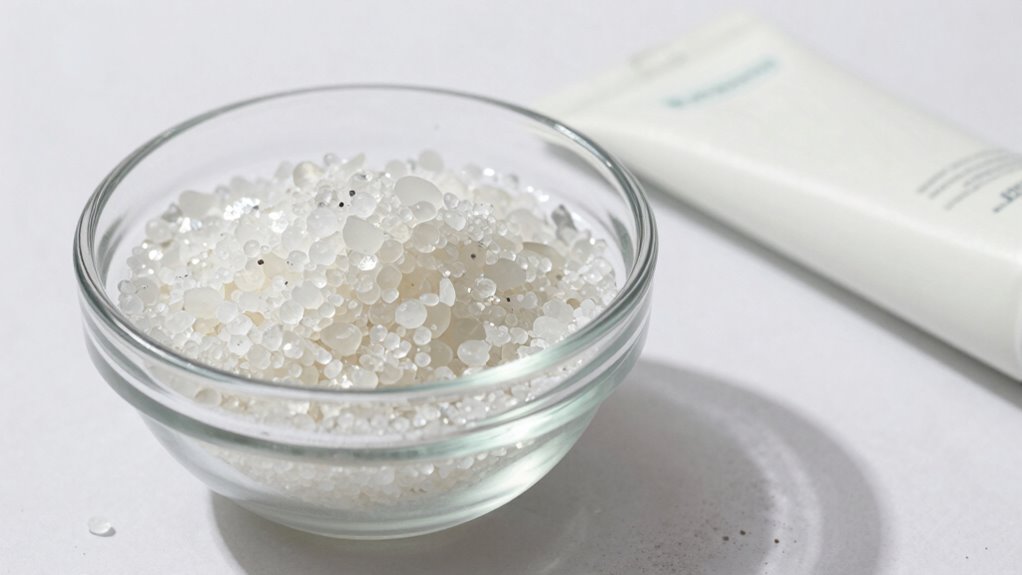
Physical exfoliants work by manually sloughing away dead skin cells from your surface. They do this through physical action, helping to reveal smoother, brighter skin. Using gentle techniques, such as smooth scrubbing motions, minimizes irritation and promotes healthy renewal. As you apply a scrub, you might feel tiny granules or beads working against your skin, lifting away dullness. Think of natural remedies like sugar, salt, or ground coffee, which provide effective, gentle abrasion. Visualize the particles gently rolling over your skin, dislodging dead cells without harsh scratching. This process clears the way for fresh skin to shine through. Proper use of physical exfoliants can be soothing and invigorating when done properly, leaving your skin feeling invigorated and looking more luminous. The Resale value of quality physical exfoliants remains high because they offer a straightforward method to maintain healthy skin. Additionally, the market’s positive reputation for trusted brands highlights the importance of choosing safe and effective options for exfoliation.
Types and Examples of Physical Scrubs
Wondering which types of physical scrubs are best for your skin? Physical scrubs come in various forms, often using natural ingredients or DIY recipes. For example, some popular options include:
| Type | Example |
|---|---|
| Sugar scrub | Fine granulated sugar with oils |
| Coffee grounds | Used coffee for detoxifying effects |
| Salt scrub | Coarse sea salt mixed with essential oils |
| Oatmeal scrub | Ground oats for gentle exfoliation |
| Nut shells | Crushed almond or walnut shells |
These scrubs work by physically sloughing off dead skin cells, revealing a fresher layer beneath. DIY recipes often combine natural ingredients like sugar or coffee grounds, making them gentle and customizable for your skin type. Just be sure to choose the right texture to avoid irritation. Physical exfoliation can be an effective part of your skincare routine when used correctly.
How to Choose the Right Exfoliation Method for Your Skin Goals
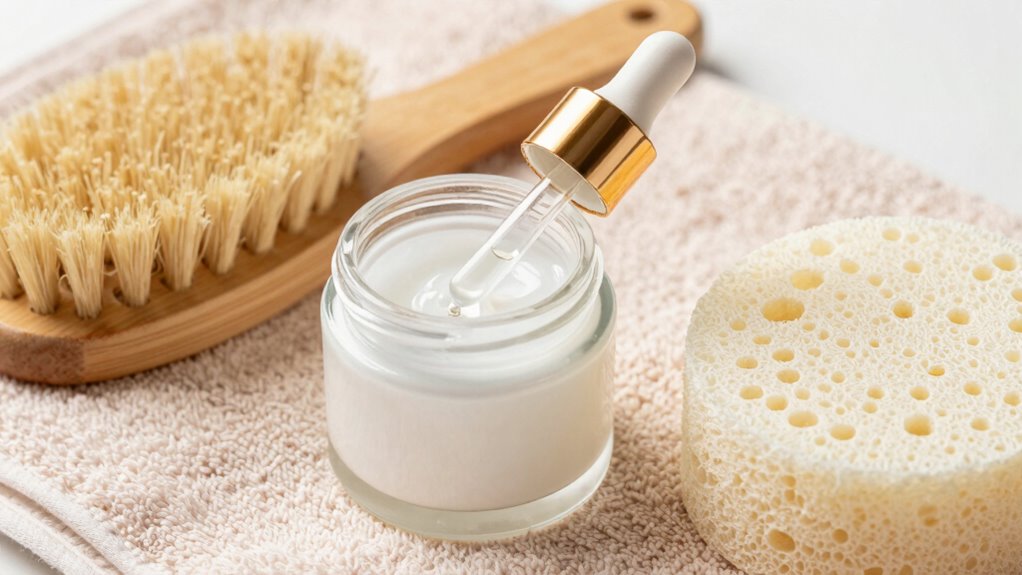
Choosing the right exfoliation method depends on your specific skin goals and type. If you want smoother skin, gentle exfoliation techniques work best. For skin sensitivity, opt for milder options to prevent irritation. Think about your desired results—brightening, reducing acne, or refining texture—and choose accordingly. Visualize your routine:
- Soft, foam-like textures gliding over your face
- Fine particles dissolving effortlessly on your skin
- A soothing, calming sensation during gentle scrubs
- Light, non-abrasive formulas for sensitive areas
- Clear instructions that ensure safe, effective use
Matching exfoliation techniques to your skin’s needs helps avoid over-exfoliating or causing discomfort. Always consider your skin sensitivity and avoid harsh methods that could damage your skin barrier. Incorporating Free Floating elements into your routine can also promote a more natural and holistic approach to skincare. Additionally, understanding exfoliation techniques and their impact on skin health can guide you in selecting the most suitable method. Being aware of skin sensitivity can help you choose the gentlest options for your skin type and prevent adverse reactions.
How Often Should You Exfoliate? Tips for Safe Use
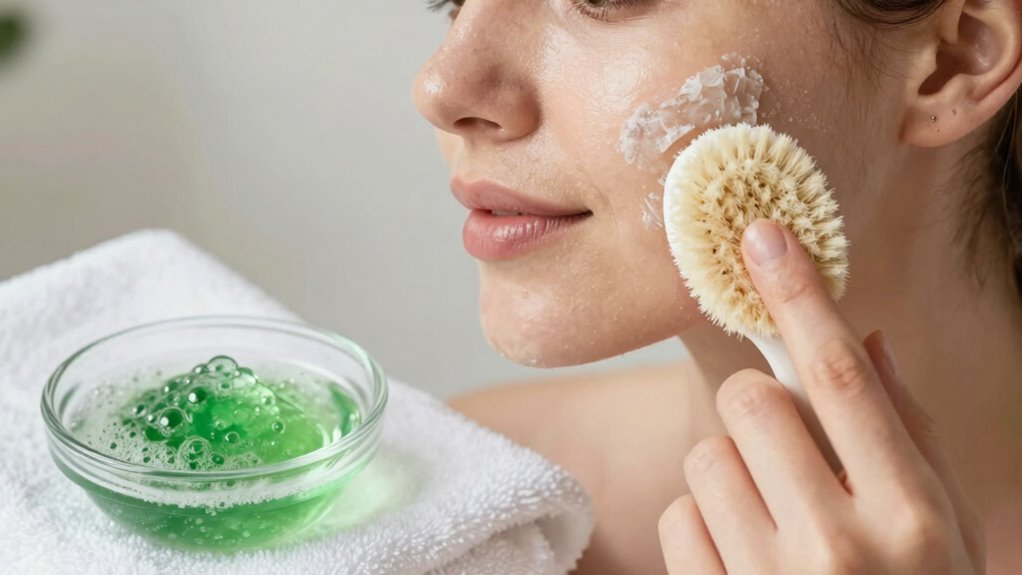
Knowing how often to exfoliate is key to keeping your skin healthy. Following recommended guidelines helps prevent irritation, but watch for signs of over-exfoliation like redness or sensitivity. Staying attentive guarantees you get the benefits without risking damage. Incorporating proper skin care tools and products, such as gentle exfoliation methods, can further enhance safety and effectiveness. Additionally, selecting appropriate exfoliants tailored to your skin type ensures you achieve optimal results safely.
Recommended Frequency Guidelines
Exfoliating too often can irritate your skin and disrupt its natural barrier, so it’s important to find the right balance. Generally, 1-3 times a week is enough, depending on your skin type and product strength. Don’t fall for exfoliation myths that suggest more is better; overdoing it can cause redness and sensitivity. Focus on ingredient benefits—gentle acids like AHAs and BHAs can be used more frequently if tolerated, while physical scrubs should be used sparingly. Listen to your skin’s signals and adjust accordingly. Remember, exfoliation frequency matters more than the quantity you use.
Signs of Over-Exfoliation
If you notice your skin becoming irritated despite following recommended exfoliation schedules, it may be a sign you’re overdoing it. Sensitive skin is especially prone to over-exfoliation, which can cause redness, flaking, and discomfort. Pay close attention to your exfoliation timing—exfoliating too often can strip your skin’s natural barrier. Signs of over-exfoliation include increased sensitivity, persistent irritation, and a rough or dull texture. If these symptoms appear, cut back on exfoliating frequency and give your skin time to recover. Adjust your routine gradually, using gentler products and longer intervals between sessions. Remember, less is often more when it comes to exfoliation, especially if your skin is sensitive. Proper exfoliation timing helps maintain healthy, balanced skin without causing damage. Additionally, over-exfoliation can sometimes compromise the skin’s barrier function, making it more vulnerable to irritation and infection. Being mindful of your exfoliation method can help prevent these issues and promote healthier skin. Incorporating knowledge about skin barrier health can further support your efforts to exfoliate safely and effectively.
What Are Common Mistakes to Avoid When Exfoliating?
Many people make the mistake of over-exfoliating, thinking more frequent use will speed up their skincare results. This can lead to irritation, redness, and compromised skin barrier function. Avoid falling for exfoliation myths that suggest daily use is safe; instead, give your skin time to recover. Also, don’t rely solely on natural remedies or harsh scrubs, which can cause microtears. Be cautious not to exfoliate damaged or inflamed skin. Overdoing it can cause sensitivity and breakouts. Remember, gentle and consistent exfoliation is key.
- Using abrasive scrubs that scratch your skin
- Ignoring your skin’s signals of irritation
- Exfoliating on broken or irritated skin
- Believing more is better due to shortcuts
- Relying solely on natural remedies without guidance
Can You Combine Chemical and Physical Exfoliation?
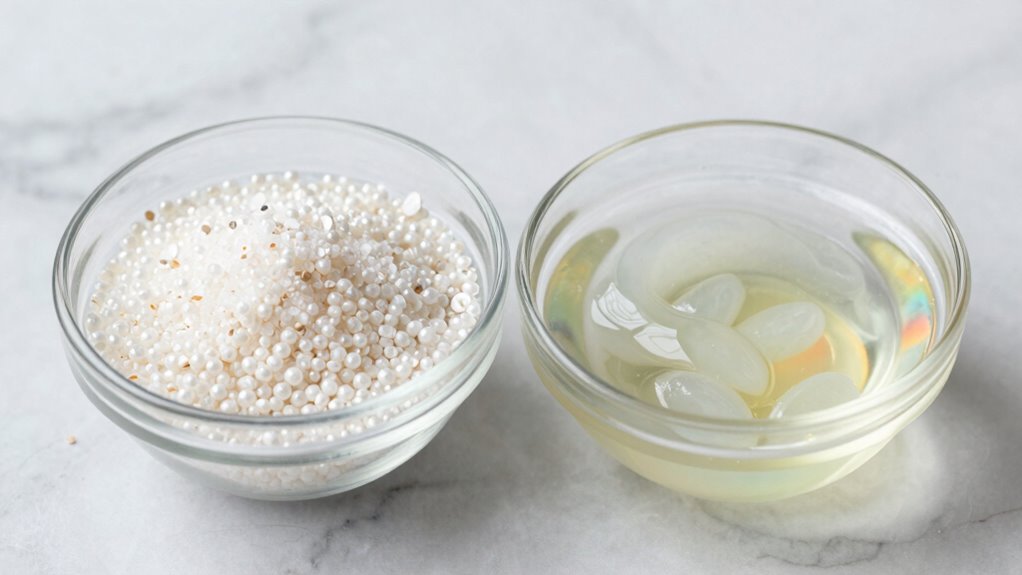
Is it safe to combine chemical and physical exfoliation? Yes, but with caution. Combining methods can boost results, but it also risks irritation if not done properly. Many exfoliation myths suggest you should never mix them, but that’s not true—if your skin tolerates it. To avoid over-exfoliating, space out your routines and pay attention to your skin’s response. Use gentle formulations and avoid harsh scrubs daily. Here’s a quick guide:
| Combining Methods | Tips |
|---|---|
| Frequency | Limit to 2-3 times a week |
| Skin Type | Sensitive skin needs extra care |
When Should You See a Dermatologist About Your Exfoliation Routine?

You should see a dermatologist about your exfoliation routine when you notice persistent redness, irritation, or peeling that doesn’t improve despite adjusting your habits. If your skin reacts badly despite following basic skincare routines, it’s time to get professional advice. Don’t fall for exfoliation myths that suggest more is better; over-exfoliating can harm your skin. A dermatologist can help clarify these misconceptions and personalize your routine.
Consult a dermatologist if redness, irritation, or peeling persist despite adjustments to your exfoliation routine.
Imagine:
- Skin constantly red and inflamed after exfoliation
- Persistent dry patches or peeling
- Unusual breakouts or sensitivity
- Unresponsive skin despite trying different products
- Discomfort or burning sensations during exfoliation
Seeing a dermatologist ensures your routine is safe and effective, avoiding damage from misguided skincare routines.
Frequently Asked Questions
Are There Any Skin Conditions That Should Avoid Exfoliation Entirely?
If you have sensitive skin or active acne, you should avoid exfoliating altogether or do so very cautiously. Exfoliation can irritate sensitive skin, causing redness or flakiness, and may worsen inflammation in active acne. Always consult your dermatologist before exfoliating during skin conditions. For sensitive or acne-prone skin, gentle methods like mild chemical exfoliants or avoiding exfoliation might be best to prevent irritation and breakouts.
Can Exfoliation Help With Specific Skin Concerns Like Hyperpigmentation?
Exfoliation can indeed help with hyperpigmentation by enhancing hyperpigmentation treatment efforts. While it won’t erase spots overnight, the exfoliation benefits include promoting cell turnover and fading dark patches over time. You’ll see a more even skin tone as dead cells are removed, revealing fresher skin underneath. Just remember, gentle exfoliation is key—overdoing it can worsen hyperpigmentation, so always choose appropriate methods and consult a dermatologist for personalized advice.
What Ingredients Should I Look for in Chemical Exfoliants?
Look for chemical ingredients like AHAs such as glycolic and lactic acid, which gently dissolve dead skin cells and improve skin texture. BHAs like salicylic acid penetrate pores to target acne and blackheads. Check exfoliant formulations for these ingredients to make certain effective exfoliation. Avoid overly harsh formulations, and choose products suited to your skin type. Consistent use helps reveal brighter, smoother skin over time.
How Can I Tell if My Physical Exfoliant Is Too Abrasive?
Your physical exfoliant is too abrasive if it leaves your skin feeling like sandpaper or causes an abrasive feeling that persists after use. You’ll notice redness, irritation, or small scratches on your skin, signaling over-exfoliation. If your skin reacts with discomfort or irritation, it’s time to switch to a gentler product. Always listen to your skin—less is often more when it comes to physical exfoliation.
Are There Natural or DIY Exfoliation Methods That Are Effective and Safe?
Yes, natural remedies and DIY scrubs can be effective and safe if done right. You can try mixing sugar or coffee grounds with honey or coconut oil for gentle exfoliation. Always test a small patch first to avoid irritation. Use these DIY scrubs once or twice a week, and avoid harsh ingredients like salt or baking soda, which can be abrasive. Remember, gentle is key for safe, effective exfoliation.
Conclusion
Think of your skin as a garden—you’re the gardener tending to its health. Proper exfoliation is like nurturing the soil, removing weeds, and letting new growth thrive. When you choose the right method and frequency, you’re cultivating a vibrant, radiant glow. But remember, overdoing it can be like overwatering—harmful instead of helpful. Trust your routine, listen to your skin, and watch it flourish like a well-tended garden blooming in full sunlight.