Understanding hydration and moisturization is key to healthy skin. Hydration boosts your skin’s water content, making it plump and fresh, while moisturization seals that water in and strengthens your skin barrier with nourishing ingredients. Recognizing whether your skin feels tight, dull, or rough helps you choose the right approach. Mastering these differences can transform your routine, so explore more to learn how to customize your skincare for ideal glow and health.
Key Takeaways
- Hydration adds water to skin cells, making skin plump and fresh, while moisturization seals in water and prevents loss.
- Hydrating ingredients like hyaluronic acid attract water; moisturizers use occlusives and emollients to lock moisture in.
- Signs of dehydration include tightness, dullness, and fine lines; dryness shows as roughness and flakiness.
- Proper skincare involves using hydrating serums for water content and moisturizers to protect and seal moisture.
- Understanding the difference helps select effective products and routines for healthy, resilient skin.
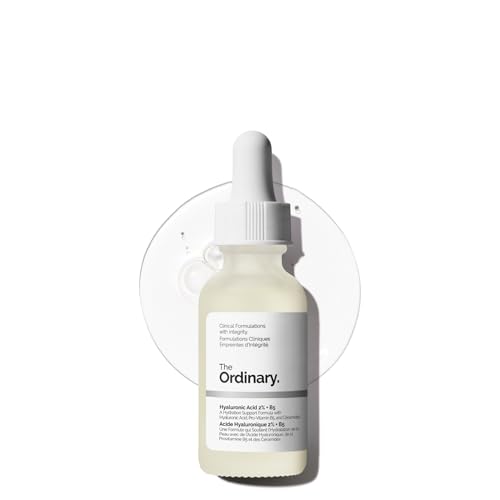
The Ordinary Hyaluronic Acid 2% + B5 (with Ceramides), Multi-Depth Hydration Serum for Plumper, Smoother Skin, 1 Fl Oz
- Instant Hydration: Provides immediate, long-lasting moisture
- Supports Skin Barrier: Ceramides lock in moisture and protect skin
- Reduces Fine Lines: Minimizes dry lines and wrinkles
As an affiliate, we earn on qualifying purchases.
As an affiliate, we earn on qualifying purchases.
What’s the Difference Between Hydration and Moisturization?
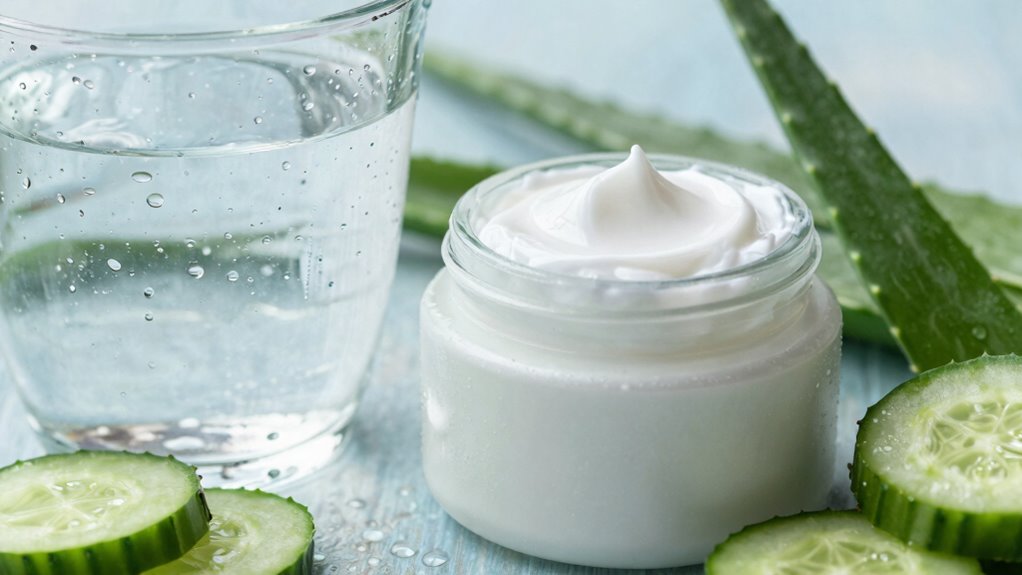
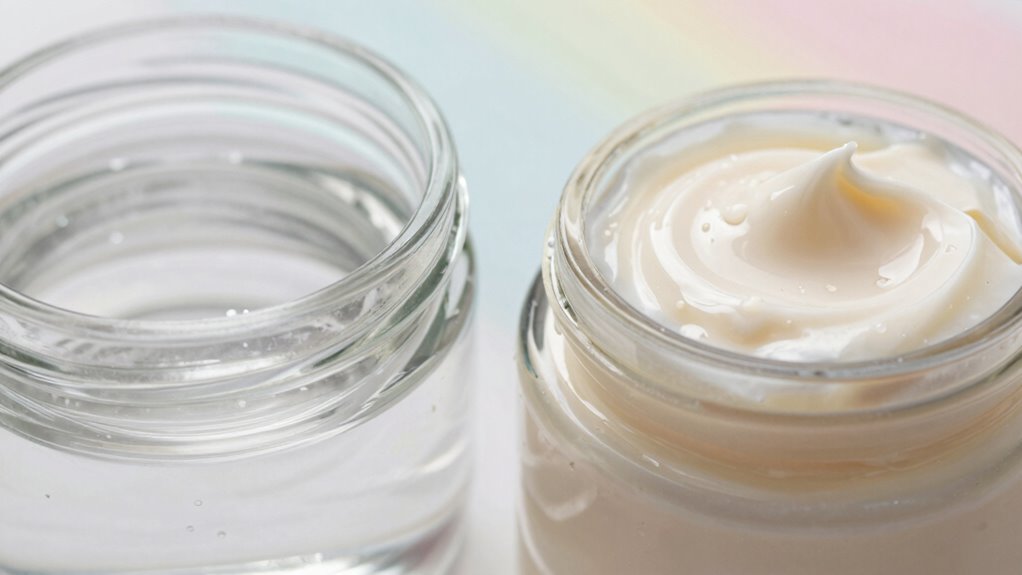
Have you ever wondered if hydration and moisturization are the same thing? In cosmetic terminology, they refer to different aspects of skin physiology. Hydration involves increasing the water content within your skin cells, making your skin look plump and fresh. Moisturization, on the other hand, focuses on sealing in that water and preventing moisture loss. Think of hydration as giving your skin a drink and moisturization as applying a barrier to lock it in. Understanding this distinction is key to choosing the right skincare products. Hydrating ingredients like hyaluronic acid attract water, while occlusive agents such as petrolatum create a protective layer. Additionally, selecting energy-efficient skincare formulations can support sustainable beauty routines. Recognizing the importance of skin barrier health can further optimize your skincare routine for long-term benefits. Proper hydration and moisturization work together to maintain a healthy skin barrier, which is essential for overall skin wellness. Moreover, maintaining the integrity of your skin barrier can help prevent issues like dryness and irritation.

Welmedix Healing Ointment for Dry Skin – Skin Protection Barrier Cream
- Protective Barrier for Dry Skin: Relieves dryness and irritation
- Hospital Grade Skin Protectant: Supports and nourishes severely dry skin
- Rich Aloe & Coconut Oil Formula: Soothes and softens rough, chapped skin
As an affiliate, we earn on qualifying purchases.
As an affiliate, we earn on qualifying purchases.
Why Hydration Is Essential for Healthy, Glowing Skin
Hydration plays a vital role in maintaining your skin’s health and radiance. When you drink enough water, your skin stays plump and elastic, reducing the appearance of fine lines. Proper hydration supports skin elasticity, helping your skin bounce back and stay firm. To understand its importance better, consider this table:
| Hydration Benefits | How to Achieve Them |
|---|---|
| Improved elasticity | Increase water intake daily |
| Radiance | Eat water-rich fruits/veggies |
| Reduced dryness | Use hydrating skincare |
Additionally, maintaining adequate hydration is essential for overall health, as hydration influences many bodily functions beyond skin. Staying well-hydrated can also enhance your body’s ability to recover from damage, ensuring your skin remains resilient and healthy. Proper hydration is also closely linked to safety, as dehydration can impair bodily functions and lead to health issues. Ensuring proper hydration can also support your body’s natural detoxification processes, helping eliminate toxins that can affect skin health. Remember that consistent hydration supports not only your skin but also your overall well-being, making it a fundamental aspect of a healthy lifestyle.

BIODANCE Hydro Cera-nol Real Deep Mask, Hydrating Overnight Hydrogel Face Mask, Moisturizing, Redness Reducing, Quick Soothing, After Sun Care, Sunburn Relief, Korean Skin Care |1.19oz(34g) x4ea
- Cera-nol Complex for Hydration: Deeply hydrates and calms skin
- Instant Cooling Effect: Reduces redness and inflammation quickly
- Sunburn and Redness Relief: Soothes sun-stressed, heated skin
As an affiliate, we earn on qualifying purchases.
As an affiliate, we earn on qualifying purchases.
How Moisturizers Lock in Water and Protect Your Skin Barrier
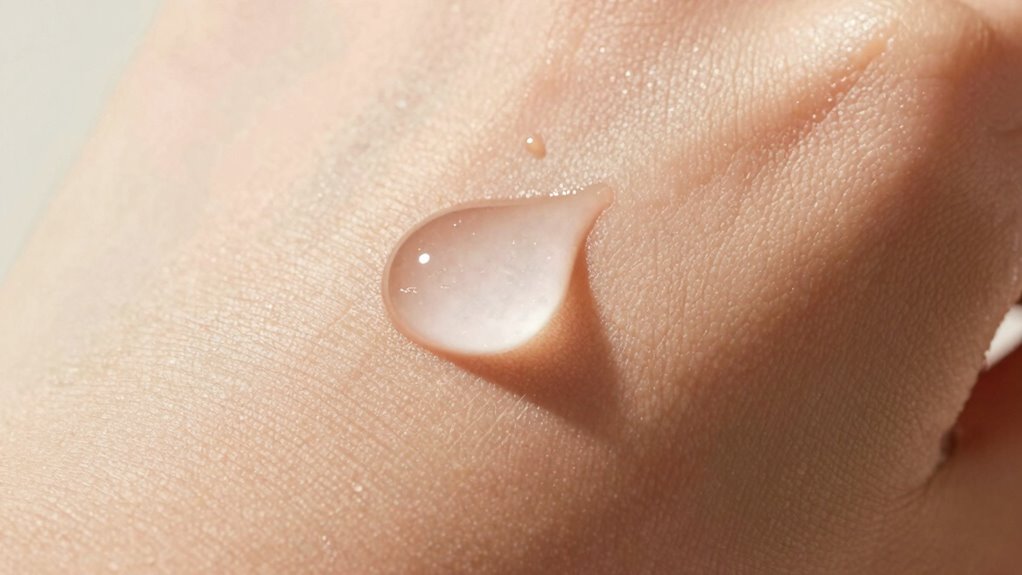
Moisturizers play a crucial role in locking in water and shielding your skin barrier from damage. They create a protective layer that enhances water retention, helping your skin stay hydrated longer. To do this effectively, they often contain key ingredients:
Moisturizers lock in water and protect your skin barrier with key ingredients like humectants, emollients, and occlusives.
- Humectants – attract water from the environment and deeper skin layers to boost hydration.
- Emollients – fill in gaps between skin cells, smoothing and strengthening the barrier.
- Occlusives – form a physical barrier that prevents water loss and shields against external irritants.
- Incorporating Free Floating elements in natural pools can also help reduce chemical usage, which benefits your skin and environment. Additionally, using appropriate skincare routines can optimize the effectiveness of moisturizers and support overall skin health. Understanding the skin barrier can help you choose the right products for your specific needs. Moreover, selecting products with appropriate ingredients can further enhance your skin’s hydration and protection.

Prequel Skin Utility Balm. Advanced Occlusive Face Cream for Dry Skin, Moisturizer for Sensitive Skin. Thick Non-Comedogenic Barrier Protection with Dimethicone and Shea Butter. 1.7oz Tube
- Moisture Barrier Protection: Supports hydration and skin barrier
- Advanced Hydration Complex: Provides long-lasting moisture retention
- Non-Comedogenic Formula: Breathable film prevents pore clogging
As an affiliate, we earn on qualifying purchases.
As an affiliate, we earn on qualifying purchases.
How Can You Tell If Your Skin Needs More Water or a Richer Moisturizer?
Your skin’s feel and texture can give you clues about its hydration needs—dry, tight, or rough areas might signal dehydration or insufficient moisture. Visual signs like dullness or flakiness also suggest your skin needs water or a richer moisturizer. You can use simple hydration tests to better understand what your skin requires and adjust your routine accordingly. Understanding the skin’s natural barrier function can help you choose the appropriate products to support your skin’s health. Recognizing how your skin’s hydration levels fluctuate throughout the day can further refine your skincare approach, allowing for more targeted care. Additionally, monitoring environmental factors such as humidity and temperature can influence your skin’s hydration status and guide your product choices. Being aware of skin odor can also provide subtle clues about your skin’s overall health and hydration state. Paying attention to skin pH levels can additionally help you maintain optimal hydration and barrier function, ensuring your skin remains resilient.
Skin Feel and Texture
If your skin feels tight, rough, or flaky, it’s a sign that it might need more water. Hydrated skin often feels plump and smooth, maintaining good skin elasticity. On the other hand, if your skin is dull and feels heavy or greasy, it may need a richer moisturizer. To tell the difference:
- Check your pore size: enlarged pores suggest dehydration, while smaller pores indicate sufficient hydration.
- Feel your skin’s texture: roughness and flakiness point to water deficit, whereas a soft, supple feel suggests proper hydration.
- Observe skin tightness: persistent tightness hints at dehydration, while a lack of elasticity signals the need for nourishment with a moisturizer.
- Recognize the importance of a balanced skin environment, which involves understanding how hydration and moisturization work together to maintain healthy skin understanding skin care. Regularly assessing your skin’s state helps in choosing the right skin care routine to support your individual needs. Additionally, being aware of net worth and other personal factors can influence your overall self-care approach, including your skincare choices. Maintaining a proper skin barrier is essential for optimal hydration and protection against environmental stressors. Understanding the role of cryptid mysteries and folklore can also enrich your appreciation of cultural narratives that often influence perceptions of the unknown, including that of your own skin.
Visual Skin Appearance
When evaluating your skin’s appearance, subtle visual cues can reveal whether it’s craving more water or needs a richer moisturizer. If your skin looks dull, flaky, or feels tight, it’s likely showing the hydration effects of dehydration, signaling you need more water. You might notice fine lines becoming more pronounced, which can also indicate dryness from insufficient hydration. On the other hand, if your skin appears rough, feels greasy, or develops breakouts, moisturization benefits are probably lacking, and a richer moisturizer can help seal in hydration and improve texture. Well-hydrated skin often looks plump and radiant, while poorly moisturized skin may seem dull and uneven. Recognizing these visual cues helps you choose the right product to restore your skin’s balance effectively. Understanding the science behind at-home beauty devices can also enhance your skincare routine by optimizing hydration and moisturization strategies.
Hydration Testing Methods
Determining whether your skin needs more water or a richer moisturizer involves simple, at-home tests that can provide quick insights. Hydration testing and moisturization assessment help you decide your skincare needs. Start by performing the pinch test: gently pinch a small patch of skin, then release. If it quickly springs back, your skin is well-hydrated; if it remains pinched, you may need more water. Next, do the skin texture check: feel your skin’s surface. A tight or rough feel indicates dehydration, while a dull or flaky surface suggests the need for a richer moisturizer. Finally, observe how your skin reacts after cleansing. If it feels tight and uncomfortable, hydration testing shows a deficit; if it feels dry and flaky, moisturization assessment points to a need for nourishment.
How to Choose the Best Hydrating and Moisturizing Products for Your Skin
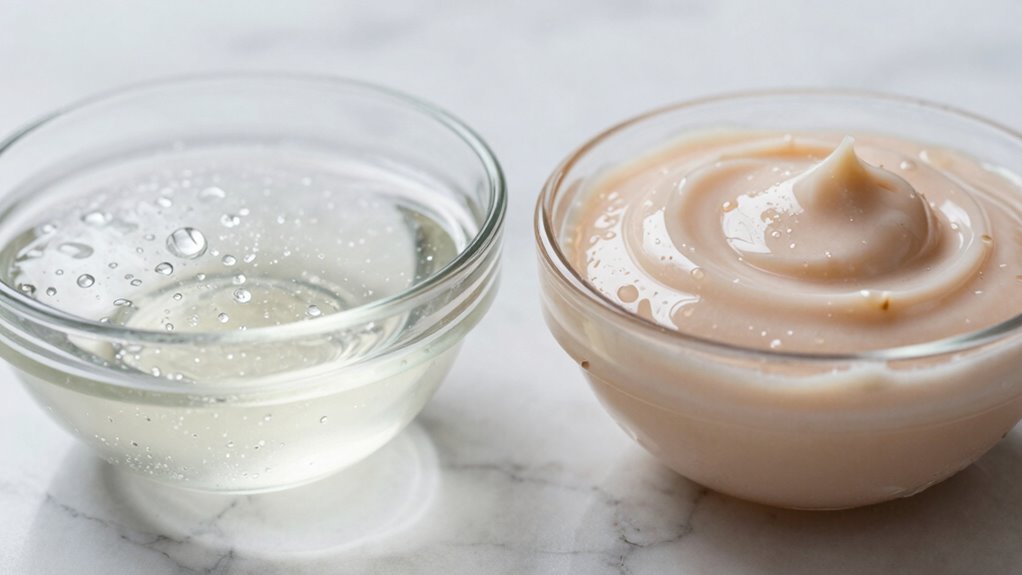
To select the right products, start by identifying your skin’s specific needs—are you more dehydrated or lacking moisture? Then, carefully check ingredient labels to find solutions that target those concerns. This approach guarantees you select effective products that truly benefit your skin.
Identify Skin Needs
Understanding your skin’s specific needs is essential before choosing the right hydrating or moisturizing products. Your skin type and environmental factors play a vital role in this process. To identify your needs:
- Determine your skin type (oily, dry, sensitive, or combination) to select suitable products.
- Consider environmental factors like climate, pollution, or indoor heating, which can influence your skin’s hydration levels.
- Observe how your skin reacts to different conditions—does it feel tight, greasy, or irritated? Noticing these cues helps pinpoint whether your skin needs more hydration or moisturization.
Check Ingredient Labels
Checking ingredient labels is essential to guarantee you’re selecting products that truly meet your skin’s needs. Always examine the ingredient list on the product packaging before buying. Look for key humectants like hyaluronic acid, glycerin, or aloe vera, which attract water to hydrate your skin. For moisturizers, seek ingredients like ceramides, shea butter, or oils that lock in moisture and strengthen the skin barrier. Avoid products with harsh alcohols, fragrances, or synthetic dyes that can irritate or dry out your skin. Remember, ingredient labels reveal what’s truly inside, so don’t be fooled by attractive packaging or marketing claims. Being vigilant helps you choose effective hydration and moisturization products tailored specifically to your skin’s needs.
Tips to Balance Hydration and Moisturization in Your Daily Skincare Routine
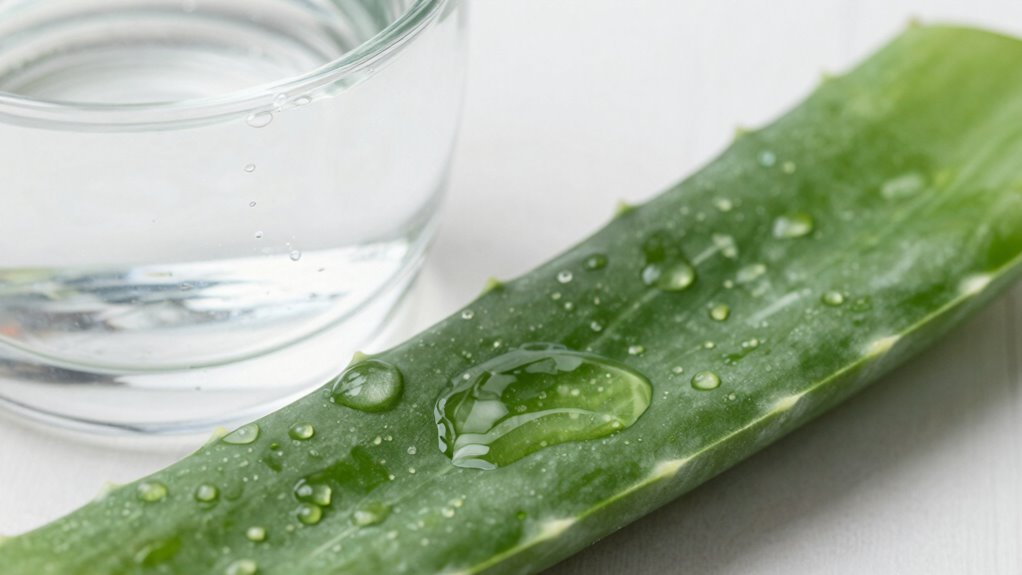
Balancing hydration and moisturization is essential for healthy skin, yet many people struggle to get it right. To achieve this, focus on these tips:
- Use lightweight serum formulations with hydrating ingredients like hyaluronic acid to boost moisture levels without feeling heavy.
- Incorporate facial oils suited for your skin type to lock in moisture and provide a nourishing barrier.
- Layer your products properly—apply serums first to hydrate, then follow with moisturizers or facial oils to seal in that hydration and add moisture.
Frequently Asked Questions
Can Hydration and Moisturization Be Achieved With the Same Products?
Yes, you can achieve both hydration and moisturization with some dual purpose products, as they often contain ingredient overlap designed to address both needs. Look for lightweight formulas with humectants like hyaluronic acid for hydration, and occlusives like petrolatum for sealing in moisture. These products simplify your routine by providing both benefits, helping your skin stay plump, soft, and well-hydrated without needing separate items.
How Do Climate Changes Affect Skin Hydration and Moisturization?
Climate changes can profoundly impact your skin’s hydration and moisturization. During periods of climate-induced dehydration, your skin loses moisture faster, making it feel dry and tight. You should adjust your skincare routine with seasonal shifts, using more hydrating products in winter and lightweight moisturizers in summer. These changes help maintain your skin’s balance, prevent irritation, and keep your skin supple regardless of the weather.
Are There Specific Ingredients to Look for in Hydrating vs. Moisturizing Products?
Ever wondered which ingredients boost your skin’s hydration or moisturization? For hydration, look for humectants like hyaluronic acid and glycerin—they quickly absorb and attract water. For moisturization, seek out occlusives like petrolatum and dimethicone, which create a barrier to lock in moisture. Want your skin to absorb nutrients better? Choose products with lightweight, easily absorbed ingredients. Isn’t it about making your skin feel comfortable and healthy?
How Often Should I Adjust My Skincare Routine for Hydration or Moisturization?
You should adjust your skincare routine as your seasonal skin needs change, typically every few months. In warmer months, focus on lightweight hydration, layering water-based products first, then sealing with moisturizers. During colder seasons, increase moisturizing products to combat dryness. Pay attention to your skin’s response and tweak your routine accordingly, ensuring you’re using the right layering techniques to optimize hydration and moisturization for your skin’s current needs.
Can Improper Hydration or Moisturization Cause Skin Aging?
Improper hydration or moisturization can indeed accelerate signs of dehydration, which often show up as dry, flaky skin, and may contribute to aging skin. When your skin isn’t properly hydrated, it loses elasticity and firmness, making wrinkles and fine lines more noticeable. Skipping these steps or using the wrong products can weaken your skin’s barrier, speeding up aging. So, keeping your skin well-hydrated and moisturized is essential for youthful, resilient skin.
Conclusion
Understanding the difference between hydration and moisturization is key to healthy skin. Think of hydration as giving your skin a drink, while moisturization seals in that water to keep your skin soft and protected. Surprisingly, some believe you only need one or the other, but research shows combining both yields the best results. Prioritize your skin’s unique needs, and you’ll see a glow that truly reflects your well-balanced routine.