


Sensitive skin isn’t a fixed skin type but a signal that your skin is reacting to irritants, weather, or stress. It shows up as redness, itching, or burning, indicating inflammation or irritation. Proper ingredient choices and gentle routines help soothe your skin over time. Recognizing these signals and understanding your triggers can prevent flare-ups. To learn how to manage your skin better and support its health, keep exploring these important insights.
Key Takeaways
- Sensitive skin indicates irritation or inflammation, not a permanent skin type, and can fluctuate over time.
- Recognizing sensitive skin as a signal helps identify triggers and adjust skincare routines accordingly.
- Flare-ups are often caused by environmental factors or harsh ingredients, signaling the need for gentler products.
- Proper care with soothing, non-irritating products can improve skin sensitivity and resilience over time.
- Monitoring reactions and triggers allows for better management and prevention of ongoing skin issues.
What Does Sensitive Skin Really Mean?
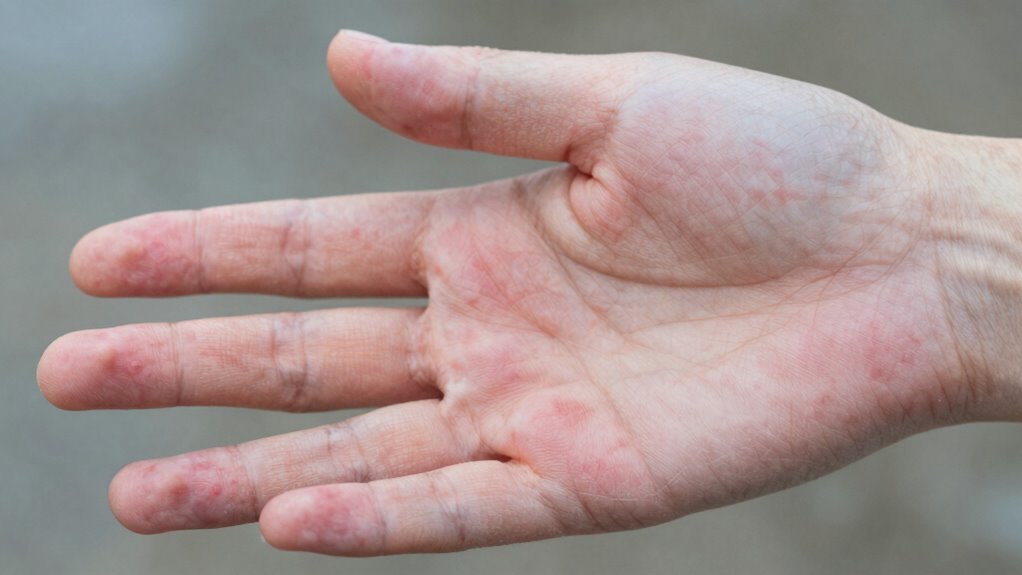
Many people believe that having sensitive skin means your skin reacts easily to products or environmental factors, but the truth is more nuanced. Sensitive skin isn’t a fixed skin type; it’s a signal that your skin is reacting to certain triggers. Your skincare routines and the ingredients you choose play a significant role in how your skin responds. Reading ingredient labels becomes essential because even seemingly gentle products can contain irritants. When you notice redness, itching, or burning, it’s often a sign that your skin is irritated or inflamed, not inherently sensitive. Understanding this helps you tailor your skincare routines to avoid triggers and select products that soothe rather than aggravate your skin. Recognizing sensitive skin as a signal empowers you to care for your skin more thoughtfully.
Is Sensitive Skin Permanent or Just a Flare-Up?
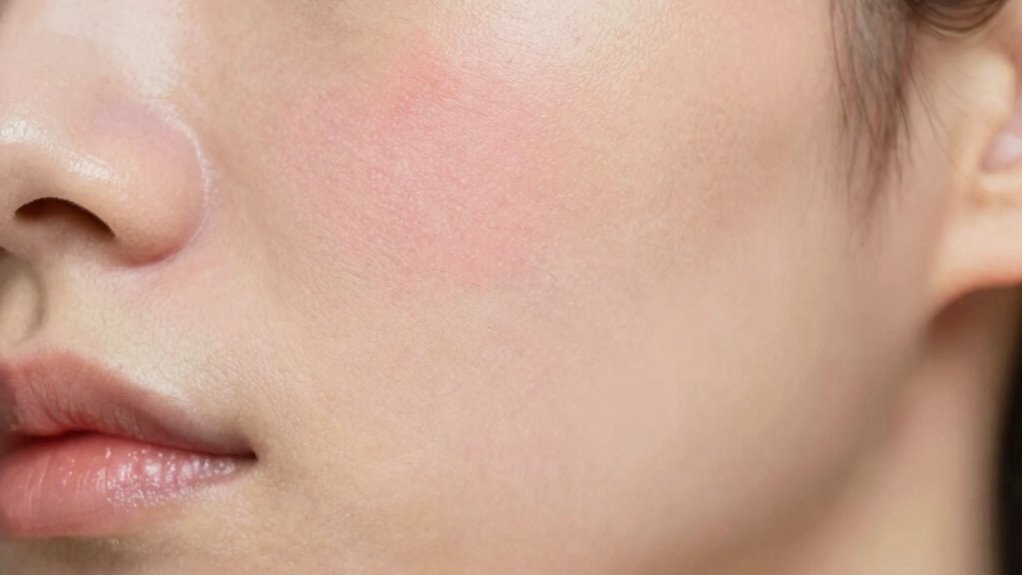
Sensitive skin isn’t necessarily a permanent condition; instead, it often results from temporary irritations or triggers that cause your skin to react. Flare-ups can happen due to environmental factors, harsh ingredients, or changes in your skincare routines. Recognizing whether your sensitivity is ongoing or occasional is key to managing it. To do this, pay close attention to your skin’s responses and read ingredient labels carefully. Some ingredients may trigger reactions, while others soothe. Understanding these differences helps you adapt your routines and prevent unnecessary flare-ups. Keeping a skincare journal to track what causes your skin to react can enhance your awareness of potential triggers. Additionally, calibration of your skincare approach can optimize your skin’s resilience and overall health. Incorporating gentle, non-irritating products can further support your skin’s recovery and reduce the frequency of flare-ups. Furthermore, understanding the principles of haute couture craftsmanship, such as attention to detail and luxurious fabrics, can inspire a more refined approach to choosing skincare products. Being aware of your skin’s unique sensitivities can guide you toward more effective and personalized skincare routines. Remember, sensitivities can improve over time with proper care, so it’s worth investigating whether your symptoms are temporary or persistent.
What Causes Sensitive Skin to Flare Up?
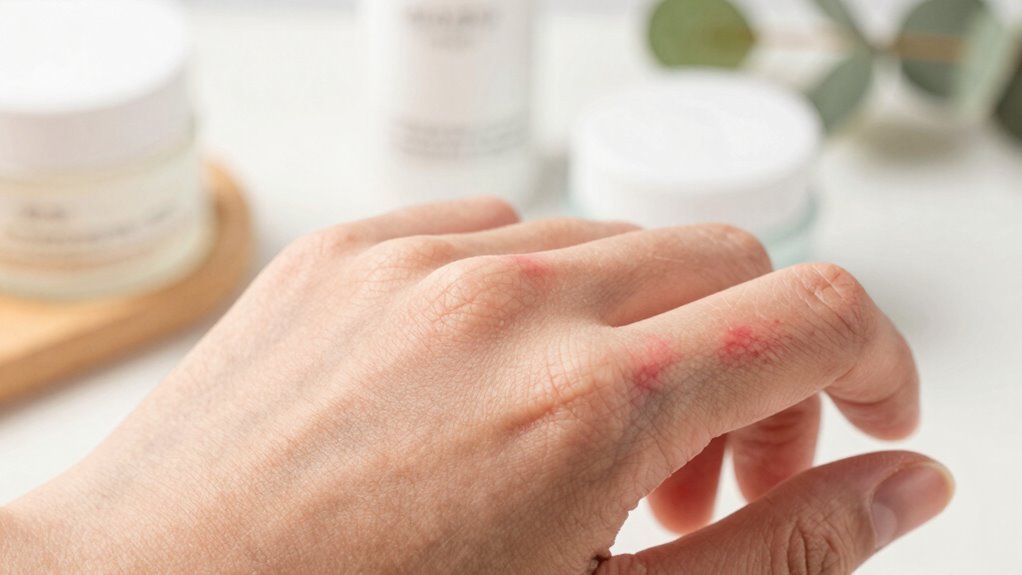
Your sensitive skin can flare up due to environmental triggers like wind or pollution, which irritate your skin. Using certain skincare ingredients may cause reactions, especially if your skin is already reactive. Additionally, stress and hormonal changes can weaken your skin’s resilience, making flare-ups more likely. Incorporating gentle, vetting skincare products can help reduce the risk of irritation and protect your skin barrier. Understanding skin barrier health and how it impacts sensitivity can further help in managing flare-ups effectively. Recognizing sensitive skin triggers can empower you to better avoid common irritants and maintain healthier skin. Being aware of skin sensitivity mechanisms can provide deeper insight into why your skin reacts and how to support its recovery. Exploring environmental sensitivities can also shed light on external factors that contribute to skin flare-ups.
Environmental Triggers Increase Sensitivity
Environmental factors can suddenly trigger flare-ups in sensitive skin, even if you’ve been managing it well. Changes in climate considerations, like cold, wind, or heat, can weaken your skin’s barrier, causing irritation. Humidity levels also play a role—dry air can dehydrate your skin, while pollution and airborne irritants can provoke reactions. Additionally, product sensitivities become more evident when exposed to environmental stressors, making your skin react more intensely. For example, switching to a new cleanser during winter might worsen irritation if your skin is already compromised by harsh weather. Recognizing skin barrier weaknesses caused by environmental stressors enables better management of flare-ups. Being mindful of these external influences, such as air quality, helps you recognize patterns and adapt your routine accordingly. Environmental triggers are a common cause of flare-ups, so understanding and minimizing exposure can considerably reduce sensitivity episodes. Paying attention to external factors and their impact on your skin is essential for long-term relief and skin health.
Skincare Ingredients Causing Reactions
Certain skincare ingredients can unexpectedly cause your skin to flare up, especially if you have a tendency toward sensitivity. Many product formulations include ingredients like fragrances, alcohol, preservatives, and certain acids that can irritate delicate skin. Even seemingly gentle ingredients, such as some botanical extracts, can trigger reactions if your skin is reactive. It’s crucial to scrutinize ingredient lists and avoid common irritants. Fragrance in skincare is a notorious culprit, as it can provoke inflammation and redness. Preservatives like parabens or formaldehyde-releasing agents also pose risks. Understanding which ingredients are known triggers helps you choose formulations better suited for sensitive skin. By paying careful attention to skincare ingredients, you reduce the chances of irritating your skin and causing flare-ups. Additionally, being aware of inflammation triggers can further help prevent unwanted reactions.
Stress and Hormones Impact Skin
Stress and hormonal fluctuations can directly trigger skin flare-ups, making sensitive skin even more reactive. When you experience stress, your body releases hormones like cortisol, which can inflame your skin and weaken its barrier. Hormonal fluctuations, such as those during your cycle or due to stress, can also cause redness, dryness, and irritation. Managing stress effectively is essential to reduce these flare-ups, so prioritizing stress management techniques like deep breathing, exercise, or meditation helps keep your skin calmer. Balancing your hormones through healthy lifestyle choices can also lessen sensitivity. Remember, sensitive skin signals your body’s response to internal changes, so paying attention to stress levels and hormonal shifts is key to maintaining healthier, less reactive skin.
How Can I Tell When My Sensitive Skin Is Irritated?
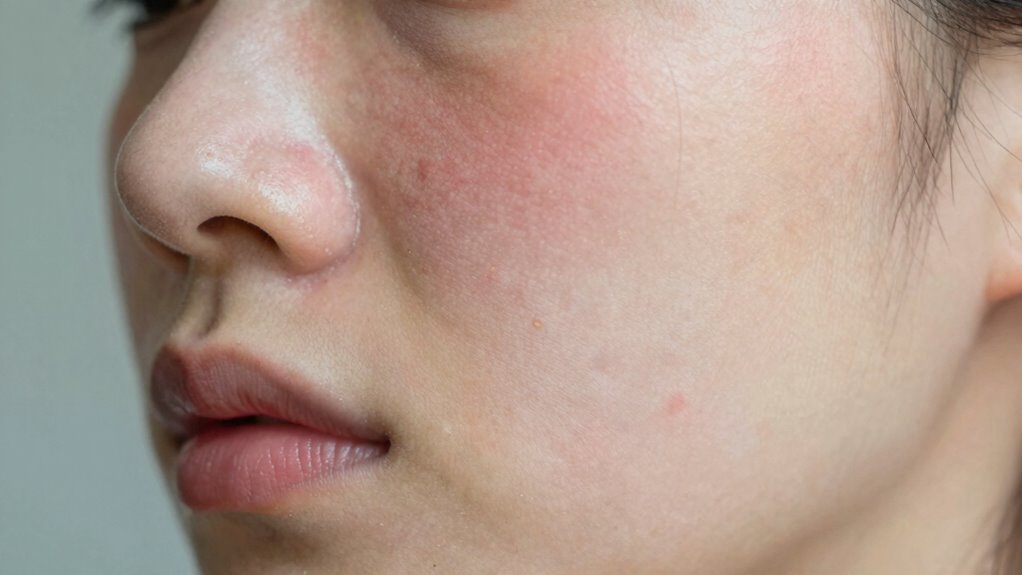
You’ll notice physical signs like redness, itching, or dryness when your skin gets irritated. Sometimes, emotional reactions like feeling more anxious or stressed can also signal your skin isn’t happy. Paying attention to both your body’s signals and your feelings helps you catch irritation early. Recognizing skin reactions can help you take prompt steps to soothe and protect your skin. Additionally, understanding the signs of skin irritation can guide you in choosing appropriate skincare products and avoiding potential triggers. Being aware of skin care practices can further support your skin’s health and prevent irritation from worsening. Incorporating gentle, proper cleaning routines can also reduce exposure to irritants in your environment.
Recognizing Physical Symptoms
How can you tell when your sensitive skin is irritated? You might notice several physical signs that indicate irritation. First, look for redness or inflammation, especially after using new products. Second, observe if your skin feels burning, stinging, or tight, which signals discomfort. Third, check for dry patches, flakiness, or small bumps that develop suddenly. To identify triggers, always read product labels carefully, paying close attention to ingredient lists. Some ingredients can provoke reactions even if they seem harmless. Recognizing these physical symptoms helps you catch irritation early and avoid worsening it. Being mindful of your skin’s reactions ensures you respond promptly and choose products suited to sensitive skin, reducing the risk of ongoing irritation.
Noticing Emotional Reactions
When your sensitive skin is irritated, you might notice emotional reactions that signal discomfort beyond physical symptoms. Irritation can trigger feelings of frustration, anxiety, or irritability, making you more sensitive to minor issues. These emotional reactions often occur alongside physical signs like redness or itching but can be overlooked if you focus only on skin symptoms. Pay attention to how you feel emotionally—if you notice increased stress or mood swings after applying certain skincare routines, it could indicate your skin is irritated. Adjusting your skincare routines to avoid harsh ingredients and incorporating calming products can help reduce both physical and emotional responses. Recognizing these emotional reactions helps you better understand when your skin needs extra care and attention.
What Are My Personal Triggers for Sensitive Skin?
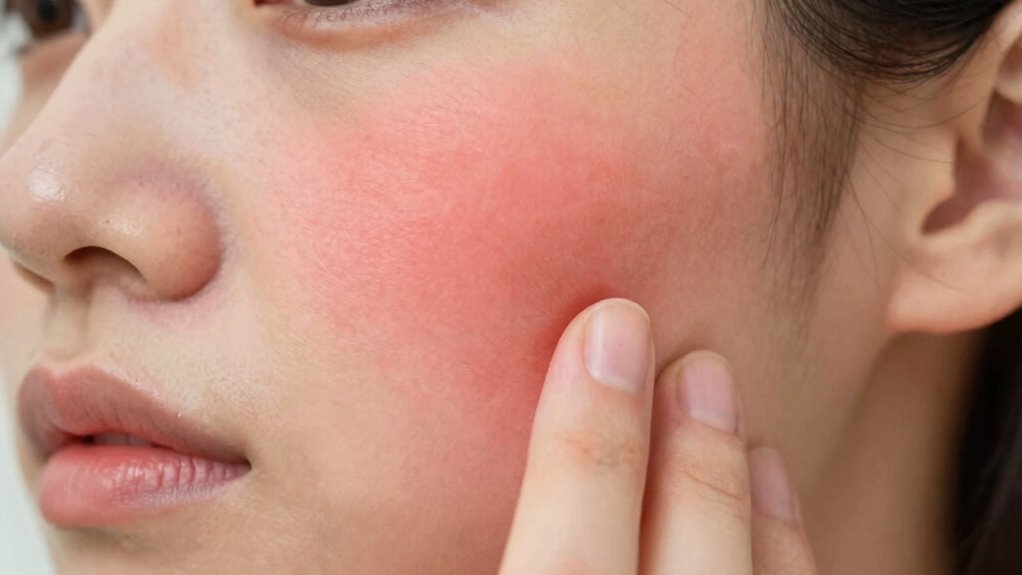
Identifying your personal triggers is essential for managing sensitive skin effectively. Once you know what sets off your reactions, you can adjust your lifestyle habits to protect your skin. Common personal triggers include:
Knowing your personal triggers helps you protect and soothe sensitive skin effectively.
- Harsh skincare products – Look for ingredients like alcohol or fragrances that irritate your skin.
- Environmental factors – Weather changes, pollution, or exposure to sun can worsen sensitivity.
- Diet and stress – Spicy foods, caffeine, or high stress levels can trigger skin reactions.
- Recognizing skin sensitivities is crucial for choosing appropriate skincare routines and understanding how AI tools can assist in tracking and managing your triggers effectively. Additionally, being aware of skin barrier health can help prevent unnecessary reactions and maintain overall skin resilience.
How Can I Use Gentle Skincare to Support My Skin?

Using gentle skincare is one of the most effective ways to support sensitive skin and reduce reactions. Start with gentle cleansing to remove dirt and makeup without stripping your skin’s natural barrier. Look for cleansers that are fragrance-free and free of harsh chemicals, and avoid scrubbing too hard. After cleansing, apply soothing moisturizers formulated for sensitive skin. These products help lock in hydration, calm irritation, and restore your skin’s barrier. Choose moisturizers with calming ingredients like ceramides, aloe vera, or oat extract. Be consistent with your routine, and avoid switching products often. Remember, gentle skincare isn’t about overdoing it but about choosing products that nourish and protect your skin without aggravating it. This approach supports your skin’s health and comfort over time.
When Should I See a Dermatologist About Sensitive Skin?

If your sensitive skin is causing persistent discomfort or worsening despite using gentle skincare, it’s time to see a dermatologist. A professional can provide a dermatologist consultation to identify underlying issues. Consider visiting a dermatologist if:
- Your symptoms don’t improve after a few weeks of proper skincare.
- You experience severe reactions like swelling, blistering, or pain.
- Your dermatologist recommends skin allergy testing to identify possible allergens triggering your sensitivity.
These steps help pinpoint the cause and tailor an effective treatment plan. Don’t ignore ongoing issues, as untreated sensitivities can lead to more serious skin problems. A dermatologist can offer targeted advice and perform tests to find the root cause, ensuring your skin gets the care it needs.
How Can I Strengthen My Sensitive Skin Over Time?
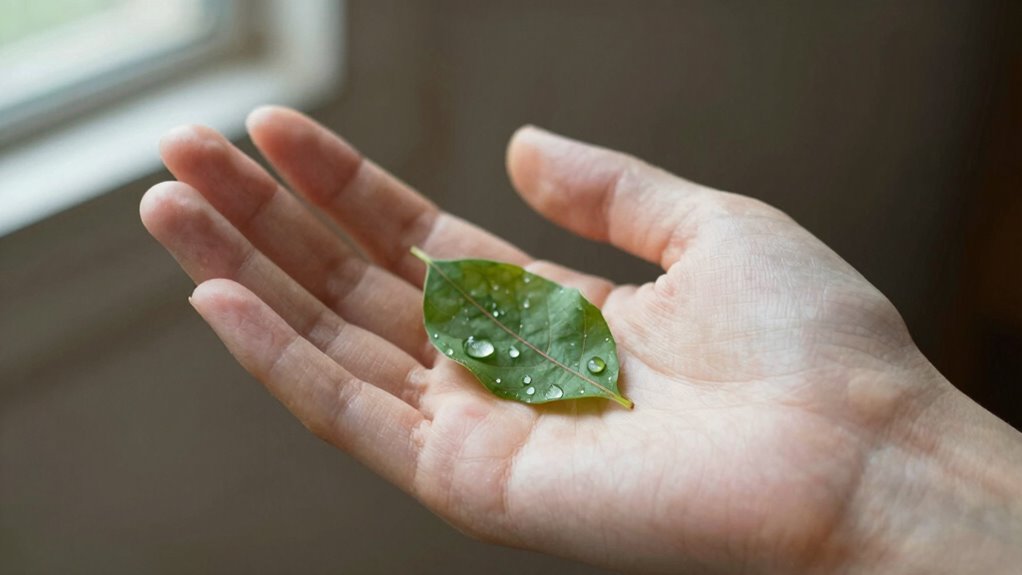
Building a consistent skincare routine is essential for gradually strengthening sensitive skin. Focus on mindful hydration by drinking plenty of water and using gentle, nourishing moisturizers to reinforce your skin’s barrier. Incorporate natural remedies like aloe vera or chamomile extracts, which soothe irritation and promote healing. Avoid harsh cleansers and abrasive products that can damage your skin’s protective layer. Instead, choose fragrance-free, hypoallergenic formulations tailored for sensitive skin. Consistency is key—stick to your routine daily to see gradual improvement. Over time, these practices help your skin adapt and become more resilient. Remember, strengthening sensitive skin isn’t about quick fixes but about nurturing it with gentle, effective treatments that support its natural defenses.
Changing My Mindset: Seeing Sensitive Skin as a Signal, Not a Label

When you view sensitive skin as a warning signal rather than a fixed label, you start to see it as your body’s way of communicating underlying issues. This mindset shift encourages emotional awareness and helps you respond thoughtfully. Instead of accepting sensitivity as a permanent trait, consider these steps:
- Recognize triggers and listen to your body’s signals.
- Reflect on emotional factors that may influence skin reactions.
- Adapt your routines based on what your skin and emotions reveal.
Frequently Asked Questions
Can Sensitive Skin Be Inherited or Genetic?
Yes, sensitive skin can be inherited. Your genetic predisposition plays a significant role, as hereditary factors influence how your skin reacts to irritants, weather, or skincare products. If your family members have sensitive skin, you’re more likely to experience it too. While environmental factors matter, your genetics set the foundation for sensitivity, making it important to choose gentle products and protect your skin from potential triggers.
Are There Specific Ingredients to Avoid for Sensitive Skin?
Think of your skin as a delicate garden that needs protection. You should avoid ingredients like fragrances, alcohol, and harsh preservatives because they can trigger sensitivities. These ingredient sensitivities act like weeds choking your plants, causing irritation. To keep your skin healthy, practice ingredient avoidance and choose gentle, fragrance-free products. By doing so, you nurture your skin’s garden, preventing flare-ups and allowing it to thrive naturally.
How Can Diet Affect Sensitive Skin Flare-Ups?
Your diet can markedly impact sensitive skin flare-ups. Diet triggers and food sensitivities may cause your skin to become red, itchy, or inflamed. By paying attention to what you eat, you can identify and avoid foods that worsen your symptoms. Incorporate anti-inflammatory foods like fruits and vegetables, and minimize processed foods or sugar. Staying mindful of your diet helps reduce flare-ups and keeps your skin calmer and healthier.
Is Sensitive Skin More Prone to Aging or Damage?
Sensitive skin is more prone to aging and damage because of your genetic predisposition and lower skin resilience. When your skin is sensitive, it struggles to protect itself from environmental stressors like UV rays and pollution, accelerating aging signs and damage. You should prioritize gentle skincare and sun protection, as these help boost resilience and reduce the risk of premature aging and harm to your delicate skin.
Can Lifestyle Changes Improve Sensitive Skin Over Time?
Think of your skin as a delicate garden that needs tending. Yes, lifestyle changes can nurture this garden, gradually calming sensitive skin. By adopting gentle skincare routines and shielding yourself from harsh environmental factors, you help your skin rebuild resilience. Over time, you’ll notice fewer flare-ups and irritation, like flowers blooming anew. Consistency is key—your efforts will transform your skin into a healthier, more resilient landscape.
Conclusion
Remember, sensitive skin isn’t a permanent label but a signal your skin sends you. Are you listening closely enough? By understanding your triggers, practicing gentle skincare, and seeking help when needed, you can improve your skin’s resilience over time. Don’t ignore the signs—use them as a guide to better skin health. Your skin’s messages are valuable; it’s time to decode and respond with care.