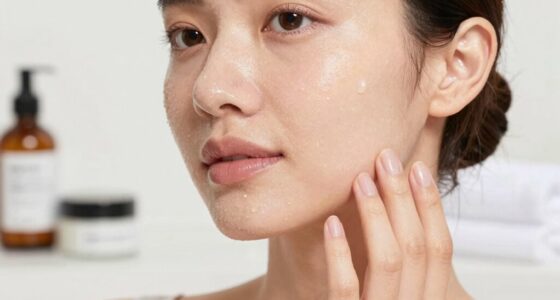
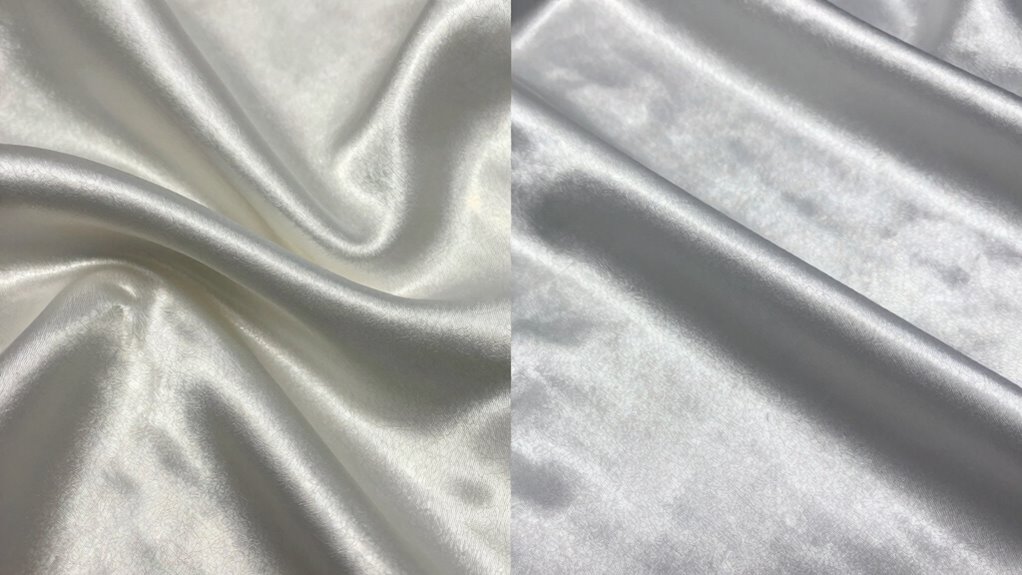

When choosing between silk and satin, the way the fabric feels against your skin matters more than just how it looks or what it’s called. Silk feels naturally soft, breathable, and cool, making it ideal for sensitive skin or hot climates. Satin, especially polyester versions, may look shiny but can feel slippery and less comfortable over time. Understanding tactile qualities helps you choose what’s truly comfortable—keep exploring to discover more about each fabric’s benefits.

Turn your quiet moments into listening time
- Thousands of audiobooks, podcasts and originals
- Listen on your phone, tablet or Echo — also offline
- Cancel anytime
Key Takeaways
- The tactile experience of silk’s natural softness and breathability often outweighs satin’s shiny appearance in comfort.
- Satin’s smooth, slippery texture may feel luxurious but can be less comfortable for extended wear or sleep.
- Personal sensory preferences determine whether the cool, silky feel of silk or the sleek feel of satin is more desirable.
- Durability and maintenance impact how the fabric feels over time, influencing long-term comfort.
- The true feel of the fabric influences overall satisfaction more than superficial visual qualities or marketing buzzwords.
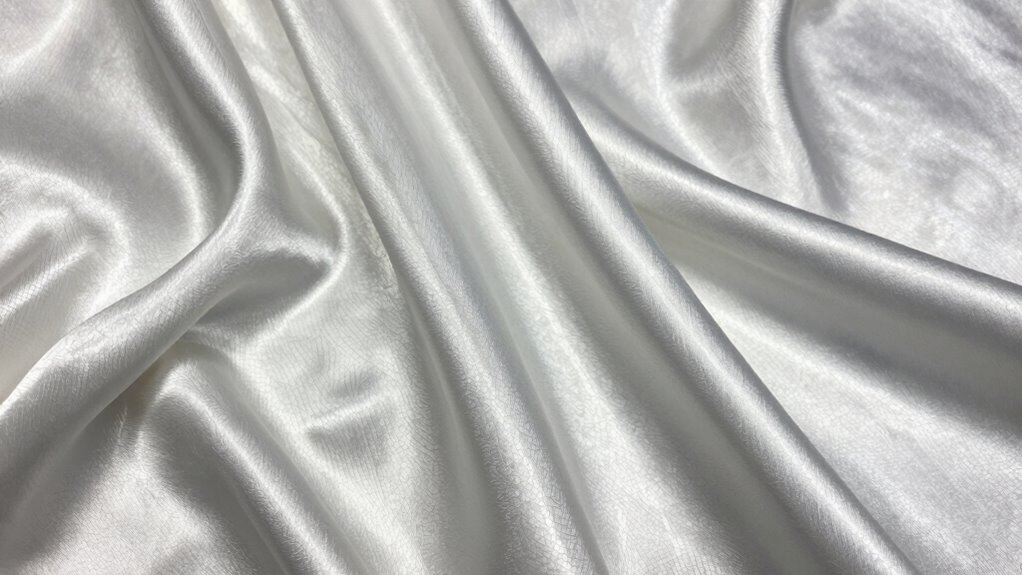
When choosing between silk and satin, it’s easy to get caught up in buzzwords and shiny finishes, but ultimately, how these fabrics feel against your skin matters most. Both fabrics have a luxurious appearance that can elevate any wardrobe or bedroom decor, but their tactile qualities are what truly set them apart. The decision often hinges on comfort and how long the fabric will last, especially if you’re investing in high-quality pieces. While satin might catch your eye with its glossy surface, silk offers a natural softness and breathability that satin can’t quite match. The aesthetic differences are noticeable—silk drapes elegantly and has a subtle sheen, but satin boasts a more reflective, mirror-like shine. Still, the way each fabric interacts with your skin often outweighs their visual appeal.
Fabric durability plays a vital role in determining which material is better suited for your needs. Silk, being a natural fiber, tends to be more delicate. It requires gentle handling, proper washing, and careful storage to prevent snags, tears, or loss of luster over time. Satin, particularly if made from synthetic fibers like polyester, tends to be more resilient. It can withstand more frequent washing and is less prone to wrinkling or damage, making it a practical choice for everyday wear or bedding that sees regular use. However, not all satin is created equal—real silk satin offers more durability than cheaper synthetic alternatives, which might degrade or lose their shine after multiple washes. Additionally, understanding the fiber composition of each fabric can help you make a more informed decision based on your needs and lifestyle. Choosing sustainable fabrics is also becoming an important consideration for many consumers seeking environmentally friendly options. The care instructions for each fabric can greatly influence their longevity and your overall satisfaction with your purchase.
Beyond durability, the feel of the fabric against your skin is what really matters. Silk naturally wicks moisture away and feels cool and smooth, making it ideal for sensitive skin or hot climates. Satin, depending on its composition, can feel equally smooth but may lack the breathability of silk. It often has a slick, slippery texture that some find luxurious, but others might find less comfortable for extended wear or sleep. Your comfort ultimately depends on your personal preference and how you prioritize sensory experience versus longevity. If you want something that feels exquisite and is gentle on your skin, silk is likely the better choice. But if you need a fabric that’s more durable, easier to maintain, and still visually stunning, satin can be an excellent alternative. In the end, feeling how the fabric interacts with your skin is what makes the difference, far more than the buzzword-like sheen or superficial qualities. Additionally, choosing fabrics made from natural fibers can also influence your overall comfort and sustainability choices. Being aware of fiber care can help prolong the life and appearance of your silk or satin pieces, ensuring you get the most out of your investment.
silk pillowcases for sensitive skin
As an affiliate, we earn on qualifying purchases.
As an affiliate, we earn on qualifying purchases.
Frequently Asked Questions
How Do Silk and Satin Differ in Breathability?
Silk generally breathes better than satin because of its natural fibers and smooth fabric texture, allowing air to flow more freely. Silk’s manufacturing process preserves its natural breathability, while satin, often made from polyester or acetate, tends to trap heat and moisture. If breathability is your priority, silk is the better choice, as its natural fibers promote airflow, keeping you cooler and more comfortable.
Which Material Is More Hypoallergenic for Sensitive Skin?
Silk is typically more hypoallergenic for sensitive skin, acting like a gentle shield that minimizes irritation. Its natural protein fibers resist dust mites and mold, making it a safer choice for skin sensitivity. Satin, often made from synthetic fibers, can sometimes trap allergens and irritate delicate skin. So, if you’re seeking a fabric that cares for your skin like a caring friend, silk’s your best bet.
Are There Eco-Friendly Options for Silk and Satin?
Yes, eco-friendly options for silk and satin exist. You can choose silk produced through eco-friendly farming practices that minimize water and chemical use. Look for brands emphasizing sustainable manufacturing, which reduces environmental impact during production. For satin, opt for recycled polyester or other sustainable fibers. By selecting these options, you support environmentally responsible farming and manufacturing, helping reduce pollution and conserve resources while enjoying luxurious fabrics.
How Do Durability and Longevity Compare Between the Two?
You’ll find that silk offers a luxury appeal with impressive durability and longevity when cared for properly, making it a worthwhile investment despite higher costs. Satin, especially synthetic types, might seem similar but typically doesn’t last as long and can wear out faster. If durability and longevity matter to you, silk’s premium feel and resilience make it a better choice, even considering its higher cost considerations.
What Are the Maintenance and Care Differences?
You should follow a gentle care routine for silk and satin, avoiding harsh detergents. Hand wash or use a delicate cycle with cold water, and air dry to prevent damage. When it comes to stain treatment, act quickly with a mild stain remover, but avoid scrubbing. Both fabrics need careful handling to maintain their softness and sheen, ensuring your investment stays beautiful and lasts longer.
As an affiliate, we earn on qualifying purchases.
Conclusion
Remember, it’s not just about the name on the label but how it feels against your skin. Whether you choose silk or satin, prioritize what makes you feel most comfortable and confident. After all, beauty is only skin deep if you’re not comfortable in your own skin. As the saying goes, “The proof of the pudding is in the eating”—so, trust your senses and pick what feels right for you, no buzzword needed.
natural silk fabric for clothing
As an affiliate, we earn on qualifying purchases.
As an affiliate, we earn on qualifying purchases.
As an affiliate, we earn on qualifying purchases.
Halloween Picks
halloween
As an affiliate, we earn on qualifying purchases.