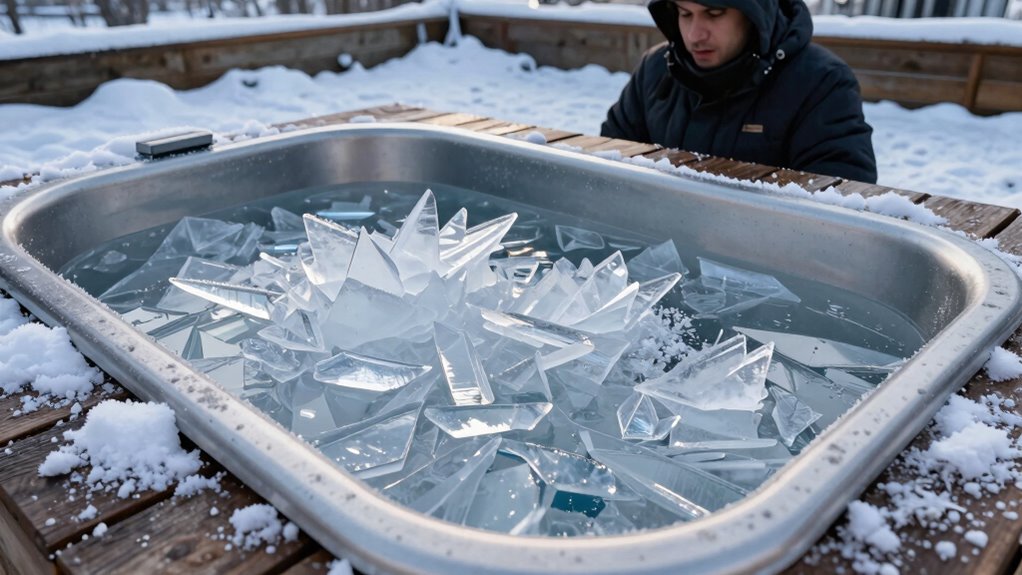

If you have heart problems, circulation issues, high blood pressure, or you’re pregnant, you should avoid ice baths. Cold exposure can cause your heart rate and blood pressure to spike sharply, posing serious risks. It can also impair circulation and reduce blood flow to essential organs. If you’re unsure whether it’s safe for you, it’s best to talk with a healthcare professional. Keep going to find out more about staying safe with cold exposure.
Key Takeaways
- Individuals with heart disease or hypertension should avoid ice baths due to increased cardiac stress and blood pressure fluctuations.
- People with circulatory or vascular conditions risk tissue damage and impaired circulation from cold-induced vasoconstriction.
- Pregnant women should refrain from cold immersion as it can reduce blood flow to the fetus and pose hypothermia risks.
- Those with mental health issues such as anxiety or mood disorders may experience symptom exacerbation during cold exposure.
- Anyone with underlying health conditions should consult healthcare professionals before attempting ice baths to ensure safety.
What Is Cold Exposure and Why Do People Do It?
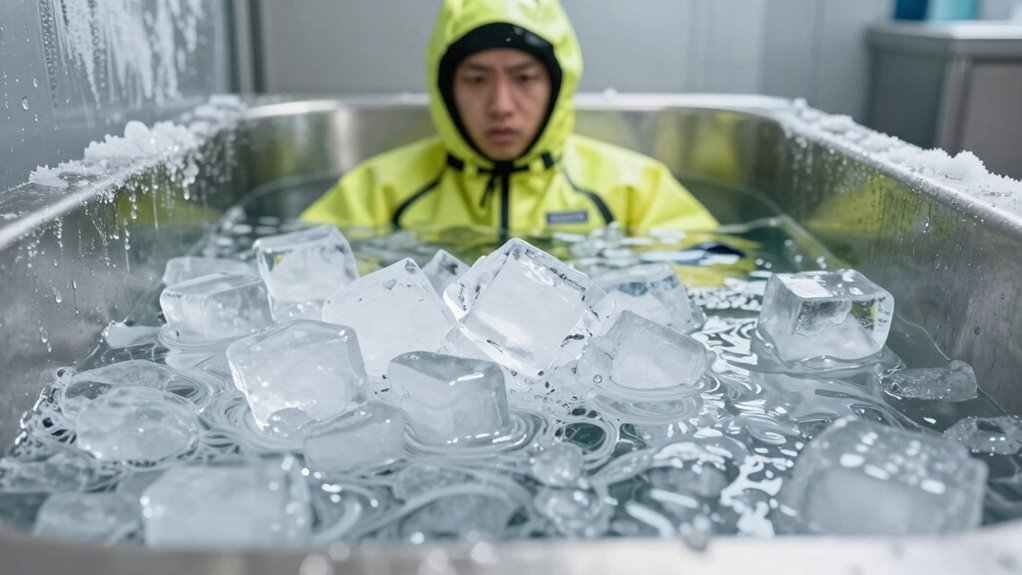
Have you ever wondered why people intentionally expose themselves to cold temperatures? Cold exposure is a practice that triggers your body’s natural cold adaptation, helping you become more resilient to low temperatures. When you endure cold environments, your body responds through a thermogenic response, generating heat to maintain your core temperature. This process involves activating brown fat and increasing metabolic activity, which can improve circulation and boost energy levels. Many pursue cold exposure for its potential health benefits, such as enhancing immune function and mental clarity. People also see it as a way to build mental toughness and resilience. While the reasons vary, the core idea remains: exposing yourself to cold stimulates your body’s ability to adapt and respond efficiently to environmental stressors. Additionally, consistent cold exposure can influence high metabolic rates, further supporting your body’s adaptation mechanisms. Some individuals may experience adverse reactions if they have underlying health conditions, emphasizing the importance of understanding cold exposure safety before engaging in such practices. Recognizing safety considerations can help prevent potential health risks and ensure a positive experience.
Who Can Benefit Most From Cold Exposure?
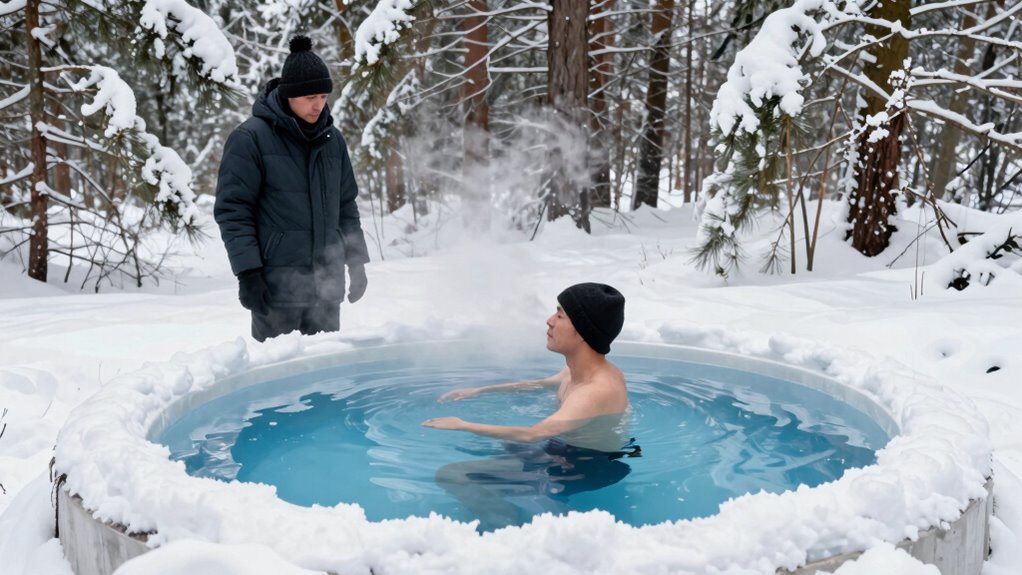
If you’re an active athlete, cold exposure can help speed up your recovery and reduce soreness. People managing chronic pain might also find relief through controlled cold practices. Additionally, cold exposure can boost your mental resilience, helping you stay calmer under pressure. Incorporating simple maintenance routines can ensure your cold exposure tools remain safe and effective, and understanding the science behind cold therapy can improve your results. Recognizing individual health considerations is essential to safely benefiting from cold exposure. Being aware of potential risks can help you avoid adverse effects and make informed decisions about your cold exposure routines. Understanding proper protocols can further optimize your safety and outcomes during cold exposure practices.
Active Athletes’ Recovery Benefits
Active athletes often find cold exposure beneficial for recovery, especially when they push their bodies to the limit. If you’re aiming to improve athletic recovery, building cold tolerance can help you reduce inflammation and muscle soreness faster. Cold exposure can be particularly effective after intense workouts or competitions. To understand its benefits better, consider this overview:
| Benefit | How It Helps | Ideal For |
|---|---|---|
| Reduces inflammation | Speeds up recovery process | Endurance athletes |
| Decreases soreness | Less muscle fatigue | Strength training enthusiasts |
| Enhances cold tolerance | Improves resilience to cold stress | Athletes in cold environments |
| Boosts athletic recovery | Accelerates healing | Pro athletes and active individuals |
Chronic Pain Management Potential
Building on cold exposure‘s role in athletic recovery, many people also find it helpful for managing chronic pain. If you experience cold intolerance or heightened skin sensitivity, cold therapy might be less suitable, as these conditions can increase discomfort or adverse reactions. Additionally, some individuals may have sensitivity to cold, which can lead to increased discomfort or adverse reactions during exposure. However, for those with tolerable cold sensitivity, ice baths can reduce inflammation and numb persistent pain, providing relief. Cold exposure constricts blood vessels, which helps decrease swelling and slows nerve signals that transmit pain. People with conditions like arthritis or nerve pain often benefit from controlled cold exposure, but it’s essential to start slowly and monitor your response. If cold intolerance is severe, or skin sensitivity causes significant discomfort, consult a healthcare professional before trying cold therapy for pain management. Additionally, understanding wave and wind techniques can improve the overall experience by creating calming audio environments that complement cold therapy routines.
Mental Resilience Enhancement
Cold exposure can markedly boost mental resilience, especially for individuals seeking to enhance their stress tolerance and emotional strength. The psychological effects of cold exposure include improved mood, increased focus, and a sense of accomplishment. It helps you develop better stress reduction strategies by challenging your mental limits and fostering a calmer mindset. Regular cold exposure trains your mind to stay composed during stressful situations, making you more adaptable to daily pressures. If you’re looking to build emotional resilience and manage anxiety more effectively, cold exposure offers a powerful tool. By pushing through discomfort, you’ll strengthen your mental fortitude and cultivate a more resilient outlook. This practice is particularly beneficial for those aiming to improve their psychological well-being and cope better with life’s challenges. Additionally, understanding the concept of Free Floating can help individuals better grasp how unmanaged stress impacts mental health and how cold exposure can serve as a form of stress regulation. Incorporating cold exposure into your routine can also complement preventive maintenance of mental health by building foundational resilience against future stressors. Recognizing the importance of filtration efficiency in other areas highlights how effective stress management techniques can contribute to overall well-being. Engaging in consistent cold exposure can also stimulate neuroplasticity, supporting long-term mental adaptability and recovery from stress-related impairments. Moreover, understanding how hormonal responses are affected by cold exposure can help optimize its benefits for mental health.
Should People With Heart Conditions Avoid Ice Baths?
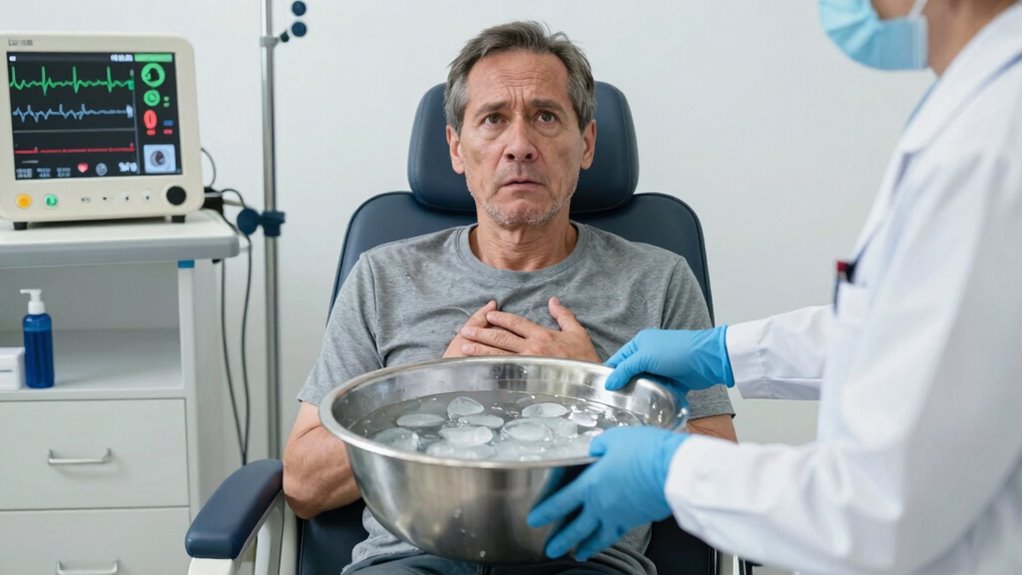
If you have a heart condition, ice baths can cause your heart rate to spike and blood pressure to fluctuate unexpectedly. These changes may put extra stress on your heart and increase the risk of complications. It’s crucial to take these factors into account before deciding whether ice baths are safe for you. Additionally, understanding Gold IRA Markets can help investors make informed decisions about their retirement portfolios. Proper load‑planning and safety precautions are essential to prevent adverse effects during cold exposure. Being aware of market volatility can also help you prepare for potential fluctuations that might impact your overall health and safety. Recognizing the signs of adverse reactions during cold exposure is vital for timely intervention and ensuring safety. Consulting with a healthcare professional experienced in cold therapy can provide personalized guidance tailored to your health status.
Heart Rate Response
Have you ever wondered how ice baths affect your heart rate? During cold shock, your body’s immediate response is an increase in heart rate as part of thermal regulation, aiming to maintain core temperature. This sudden surge can be risky if you have underlying heart conditions, as your heart already works harder to pump blood. The cold constricts blood vessels, prompting your heart to beat faster to circulate blood efficiently. For healthy individuals, this response is usually temporary and manageable. However, if your heart is compromised, the rapid heart rate during cold shock could strain your cardiovascular system, increasing the risk of arrhythmias or other complications. Being aware of these responses is essential to decide whether ice baths are safe for you.
Blood Pressure Fluctuations
Wondering how ice baths influence blood pressure? When you immerse yourself in cold water, your body initiates blood pressure regulation by triggering vasoconstriction effects. This narrowing of blood vessels causes a rise in blood pressure, which can be sudden and significant. For healthy individuals, this response is usually temporary, but if you have a heart condition, it might pose risks. The fluctuations in blood pressure could strain your heart or destabilize existing conditions. It’s important to recognize that cold exposure can lead to unpredictable blood pressure changes, especially if your cardiovascular system is compromised. If you’re concerned about blood pressure fluctuations due to ice baths, it’s best to consult your healthcare provider before engaging in cold exposure therapy. Blood pressure regulation is a complex process that can be affected by cold immersion, and understanding cardiovascular responses is crucial for safe practices.
Risk of Cardiac Stress
People with heart conditions should approach ice baths with caution, as cold exposure can markedly increase cardiac stress. The cold causes thermoregulation challenges, forcing your heart to work harder to maintain body temperature. This heightened effort can elevate heart rate and blood pressure, risking arrhythmias or other complications. Additionally, rapid cooling raises hypothermia risks, which can strain your cardiovascular system further. If you have a history of heart disease or hypertension, ice baths might trigger dangerous events, especially if your condition isn’t well-controlled. Always consult your healthcare provider before attempting cold exposure therapies. Recognizing these risks helps you avoid unnecessary cardiac stress and ensures your safety during cold exposure practices.
What Are the Risks for People With Circulatory or Vascular Conditions?
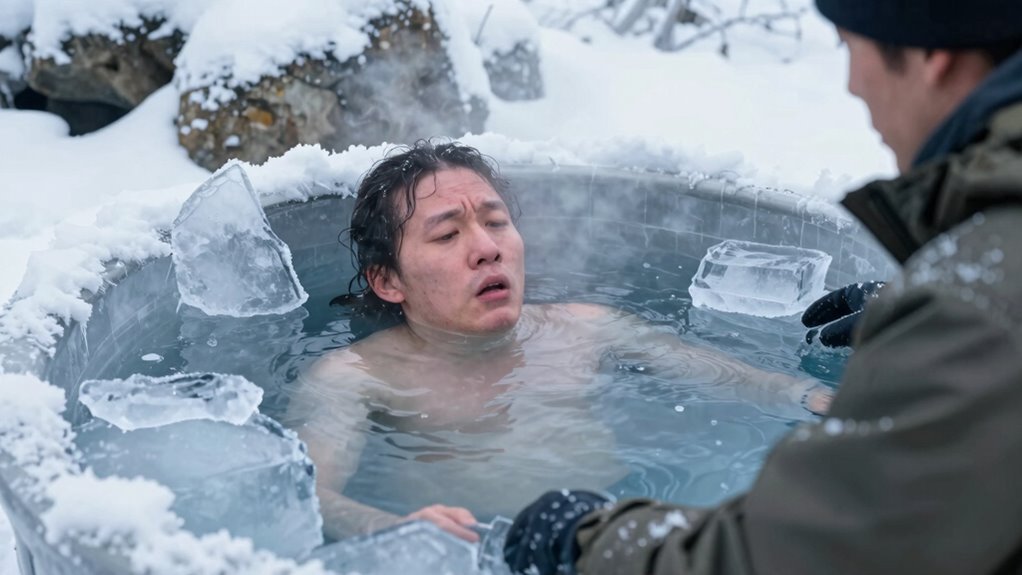
Individuals with circulatory or vascular conditions face heightened risks during cold exposure because their blood vessels may already be compromised. Cold can constrict blood flow further, risking serious issues with vascular health. You might experience increased circulation risks, such as sudden spikes in blood pressure or restricted blood flow to essential organs.
Cold exposure can worsen vascular issues and increase circulation risks.
Be cautious if you have these conditions. Common risks include:
- Worsening of existing vascular problems, like blood clots or aneurysms.
- Reduced circulation, leading to tissue damage or numbness.
- Elevated blood pressure, increasing strain on arteries and the heart.
If you have circulatory issues, consult your healthcare provider before cold exposure. Protect your vascular health by avoiding cold environments that could trigger adverse effects.
Is Cold Exposure Safe During Pregnancy?

During pregnancy, your body undergoes significant changes that can influence how it responds to cold exposure. Because of these changes, cold exposure may pose risks to pregnancy safety and fetal health. Sudden or prolonged exposure to cold can cause blood vessel constriction, reducing blood flow to crucial organs and the placenta. This decrease in circulation might affect fetal oxygen and nutrient supply. Additionally, extreme cold can lead to hypothermia, which is dangerous during pregnancy. It’s essential to consult your healthcare provider before considering cold exposure practices like ice baths. While brief, controlled cold exposure might be safe in some cases, the potential risks mean you should prioritize safety and avoid cold exposure if you’re unsure or have any pregnancy complications.
Can Cold Exposure Worsen Mental Health Conditions?
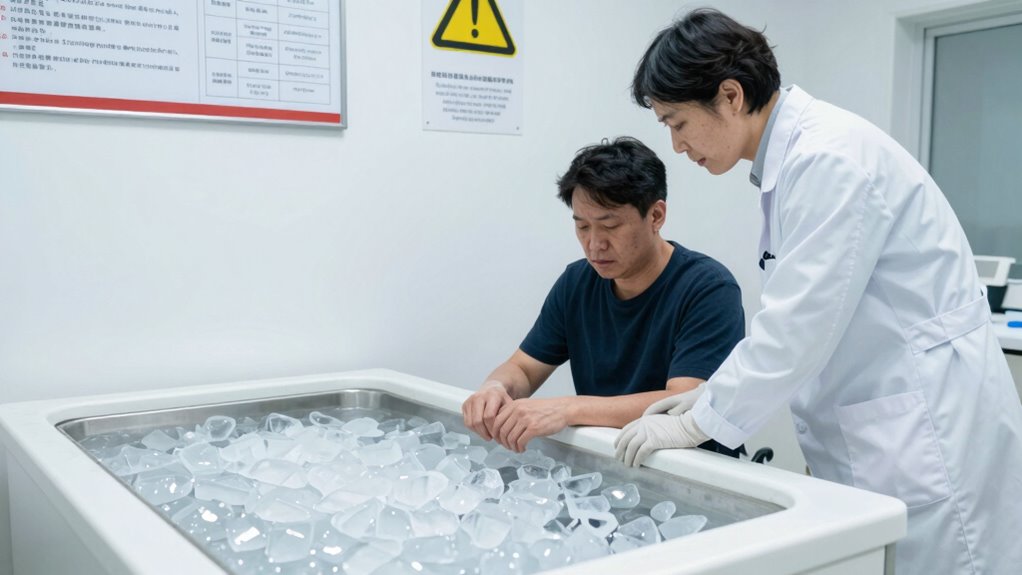
Cold exposure can substantially impact mental health conditions, sometimes making symptoms worse. If you have existing mental health issues, exposure risks become especially important to contemplate. Cold stress can trigger anxiety, agitation, or mood swings in vulnerable individuals. Be cautious, as sudden or intense cold exposure may exacerbate these symptoms. Here are three ways cold exposure might affect mental health:
- Increase in anxiety or panic attacks
- Disruption of sleep patterns
- Heightened stress response and emotional instability
If you’re prone to depression, bipolar disorder, or anxiety, cold exposure could worsen your condition. Always evaluate your mental health status before engaging in cold exposure routines, and consult a healthcare professional if you’re unsure about how it might impact your mental health.
How to Determine If Cold Exposure Is Safe for You and Alternatives to Consider
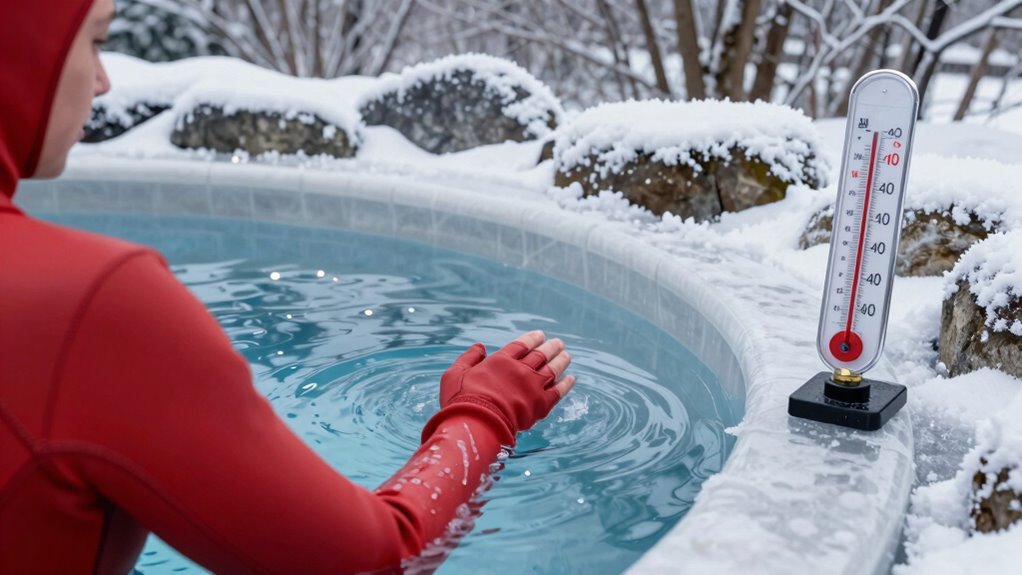
Before starting cold exposure practices, it’s essential to evaluate your personal health and circumstances to guarantee safety. Identify risk factors such as cardiovascular issues, respiratory conditions, or nerve problems that could make cold exposure dangerous. Consulting with a healthcare professional helps determine if you’re at increased risk. Always follow safety measures like limiting exposure time, gradually acclimating your body, and monitoring how you feel during the process. If cold exposure poses risks, consider alternatives like contrast therapy, warm baths, or gentle stretching to gain similar benefits without the dangers. Paying attention to your body’s signals and respecting your limits ensures you stay safe while exploring beneficial practices. Remember, not everyone reacts the same, so prioritize personalized safety over one-size-fits-all routines.
Frequently Asked Questions
Can Children Safely Participate in Ice Baths?
Children generally shouldn’t participate in ice baths due to safety concerns. Their bodies are less able to regulate temperature, increasing risks like hypothermia. For children, safety is a priority, and age restrictions are typically in place for cold exposure activities. If you’re considering ice baths for kids, consult a healthcare professional first. It’s best to avoid ice baths for children unless supervised and approved by a medical expert.
How Long Should I Stay in an Ice Bath?
You should stay in an ice bath for no longer than 10-15 minutes, as that’s the sweet spot where benefits outweigh risks. Follow duration guidelines and safety precautions to avoid hypothermia or skin damage. Keep an eye on how your body reacts; if you start feeling numb or dizzy, it’s time to hop out. Remember, patience is key—don’t push your limits too far for the sake of quick relief.
Are There Any Medications That Interact Poorly With Cold Exposure?
Certain medications can have adverse interactions with cold exposure, affecting your drug safety. For example, blood thinners like warfarin may increase bleeding risk in cold environments. Beta-blockers could impair your body’s ability to respond to cold, risking hypothermia. Always check with your healthcare provider about medication interactions before taking ice baths or exposing yourself to extreme cold, to verify your safety and avoid unexpected side effects.
How Does Cold Exposure Impact People With Autoimmune Diseases?
If you have autoimmune diseases, cold exposure can trigger flare-ups due to increased cold sensitivity. You might experience joint pain, fatigue, or other symptoms worsening after ice baths. It’s essential to listen to your body and consult your healthcare provider before trying cold therapies. Cold exposure can overstimulate your immune system, so proceed cautiously, especially if you notice heightened symptoms or discomfort.
What Signs Indicate I Should Stop Cold Exposure Immediately?
Like Icarus flying too close to the sun, you should stop cold exposure if you notice signs of hypothermia, such as intense shivering, numbness, or confusion. If you experience sudden chest pain, it’s a clear sign to end the session immediately. Don’t ignore these signals—your body’s warning system is telling you to step out and warm up before harm occurs. Safety always comes first.
Conclusion
If you have heart or circulatory issues, it’s best to avoid ice baths, as they can increase risks. Studies show that up to 50% of people with cardiovascular conditions experience adverse effects from cold exposure. Always listen to your body and consult a healthcare professional before trying cold therapy. Prioritizing safety guarantees you enjoy the benefits without unnecessary risks—cold exposure can be safe if done responsibly and with proper guidance.