
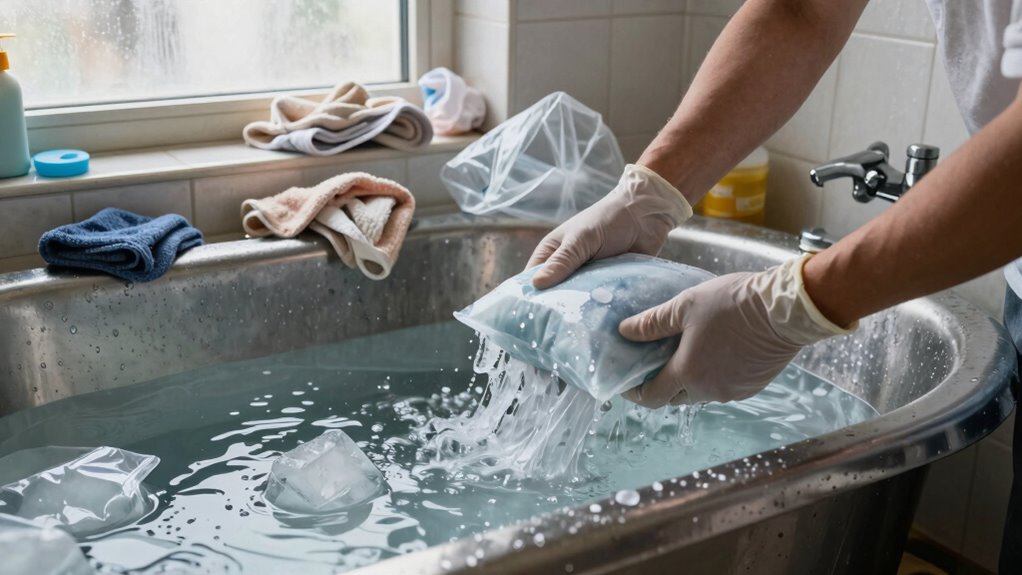

Jumping straight into an ice-cold bath without giving your body time to adjust is the biggest mistake that can make your sessions more uncomfortable and less effective. Sudden cold exposure triggers a stress response, which heightens discomfort and reduces endurance. Instead, you should ease into the cold gradually, allowing your body to adapt and building your mental resilience. Keep going to discover simple strategies that help you make cold therapy more comfortable and beneficial.

Turn your quiet moments into listening time
- Thousands of audiobooks, podcasts and originals
- Listen on your phone, tablet or Echo — also offline
- Cancel anytime
Key Takeaways
- Jumping straight into an ice-cold bath without gradual acclimation increases shock and discomfort.
- Neglecting to prepare the body gradually lessens cold tolerance and makes sessions more challenging.
- Failing to listen to body signals can lead to overexertion and reduced effectiveness.
- Skipping proper timing and duration reduces recovery benefits and prolongs discomfort.
- Not building mental resilience through incremental exposure makes cold sessions feel more difficult.
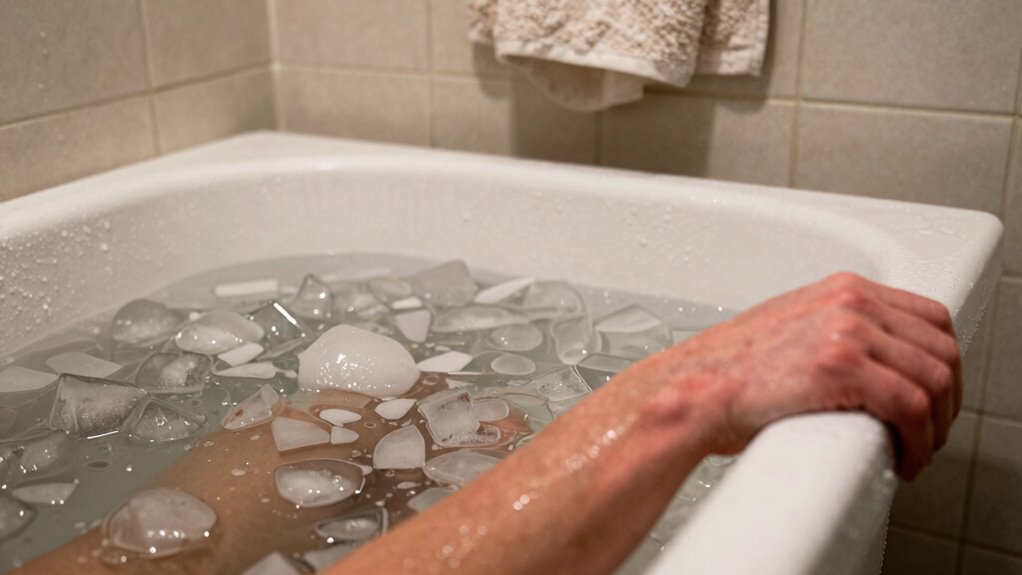
Have you ever thought an ice bath at home is a quick fix for muscle recovery? It’s a common assumption, but there’s a mistake many make that can make your sessions much harder than they need to be. The biggest error is starting with an ice-cold bath straight away, without gradually preparing your body. Jumping into frigid water without proper acclimation can shock your system, making the experience overwhelming and less effective. Instead, easing into the cold gradually allows your body to adjust, helping you reap the full benefits of muscle recovery and boosting your mental resilience.
Starting an ice bath cold can shock your system; gradual acclimation boosts recovery and mental resilience.
When you skip this step, you risk triggering a stress response that heightens your discomfort and shortens your tolerance for cold exposure. This not only makes the session unpleasant but also hampers your mental resilience—your ability to stay calm and focused under stress. Over time, this can diminish your confidence in handling challenging situations, both during recovery and in other areas of life. By easing into the cold, you give your nervous system time to adapt, reducing initial shock and making the experience more sustainable. This way, your body can better utilize the anti-inflammatory effects of cold therapy, which support muscle recovery after tough workouts. Additionally, understanding the importance of cold adaptation can help you develop a more effective and comfortable routine. Incorporating gradual exposure techniques can further enhance your adaptation process and overall comfort. Recognizing the role of proper timing and duration is also key to maximizing benefits without unnecessary strain. Being mindful of your body’s signals during cold exposure can help prevent overexertion and ensure a safer, more effective recovery session. Developing these habits can also foster a greater sense of mental resilience, making cold exposure a more positive experience overall.
As an affiliate, we earn on qualifying purchases.
Frequently Asked Questions
How Long Should I Ideally Stay in an Ice Bath?
You should aim for an ice bath duration of about 10 to 15 minutes. Cold immersion timing is essential; staying in too long can cause adverse effects like hypothermia, while too short might not provide enough recovery benefits. Listen to your body and exit if you start feeling numb or uncomfortable. Keeping your temperature around 50-59°F helps maximize benefits without risking your safety during the session.
What’s the Best Temperature for an At-Home Ice Bath?
Your at-home ice bath should be like a winter lake—cold but not unbearable. Aim for a ideal temperature between 50-59°F (10-15°C). This range allows you to enjoy benefits without risking hypothermia. Keep your ice bath duration around 10-15 minutes, and monitor your comfort. Too cold or too long, and you’ll make recovery harder instead of easier. Stay within this temperature and time for the best results.
Can I Add Anything to the Ice Bath for Better Recovery?
You can add ice bath additives like Epsom salts or essential oils for better recovery enhancement. Epsom salts help relax muscles and reduce soreness, while essential oils like lavender or eucalyptus can promote relaxation and reduce inflammation. Just make sure you use these additives in moderation to avoid skin irritation. Incorporating these into your ice bath can make your recovery sessions more effective and pleasant, aiding quicker muscle repair.
How Often Should I Take Ice Baths for Optimal Benefits?
Think of your recovery like tuning a musical instrument—you don’t want to overdo it. For ideal benefits, take ice baths 2-3 times a week, balancing cold exposure benefits without overstressing your body. Avoid hydrotherapy myths that suggest daily sessions are necessary; instead, listen to your body’s signals. This frequency helps reduce soreness and inflammation while preventing adaptation, so you get the most out of each cold plunge.
Are There Any Risks Associated With At-Home Ice Baths?
Yes, there are risks associated with at-home ice baths. You should prioritize ice bath safety by avoiding prolonged exposure and monitoring your body’s response. Cold water risks include hypothermia, frostbite, and shock, which can occur if you stay in the bath too long or use water that’s too cold. Always limit your session length, use a thermometer, and consult a healthcare professional if you have health issues to prevent these dangers.
As an affiliate, we earn on qualifying purchases.
Conclusion
Remember, the biggest mistake you can make is rushing into your ice bath without preparation. It’s like jumping into icy waters without checking the depth—you risk more than just discomfort. Embrace patience and proper technique, turning each session into a invigorating voyage rather than a treacherous plunge. When you respect the process, the icy waters become your ally, not your adversary. So, take your time—your body will thank you for the journey, not just the cold.
As an affiliate, we earn on qualifying purchases.
cold exposure training equipment
As an affiliate, we earn on qualifying purchases.
As an affiliate, we earn on qualifying purchases.
Halloween Picks
halloween
As an affiliate, we earn on qualifying purchases.