TL;DR

Turn your quiet moments into listening time
- Thousands of audiobooks, podcasts and originals
- Listen on your phone, tablet or Echo — also offline
- Cancel anytime
A crystal healing kit is a collection of stones sold for spiritual or wellness practices, often with a pouch or guide. Some people use the stones as prompts for meditation or reflection, but there is no reliable scientific evidence that crystals diagnose, prevent, or treat illness. Choose a kit with clear stone and treatment details, and follow mineral-specific safety and care guidance.
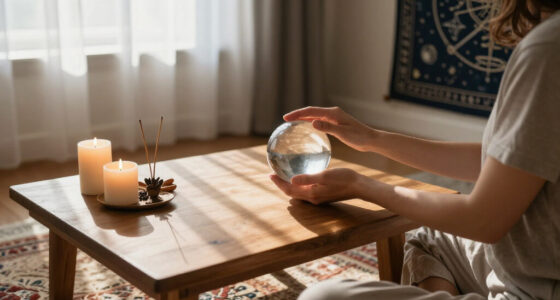
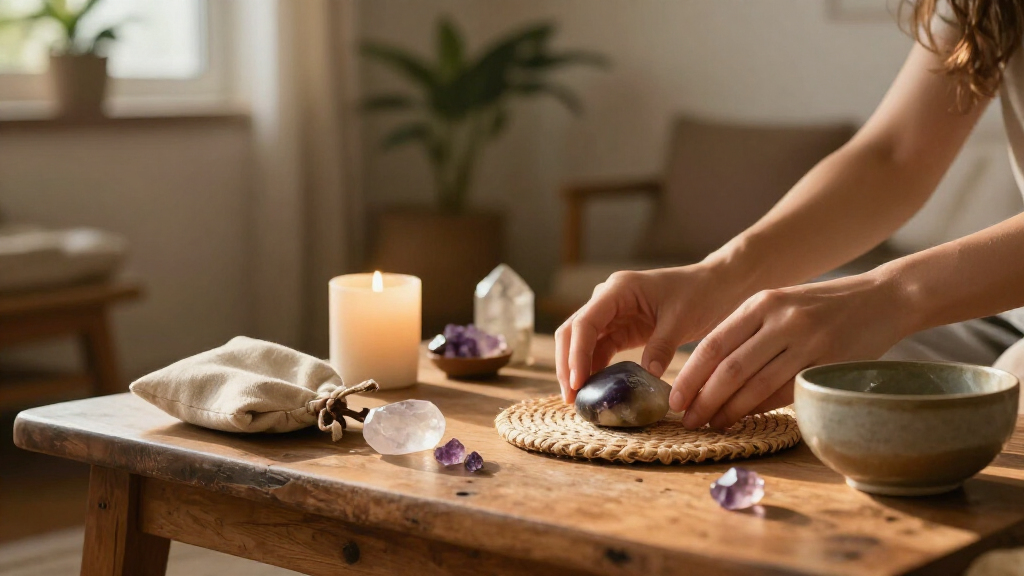
A small purple stone can feel like a quiet invitation to pause: cool in your palm, smooth at the edges, and easy to carry in a pocket. That personal meaning can matter to you, even though a crystal’s appearance or symbolism does not show that it can treat a health condition.
A crystal healing kit is a collection of stones sold for spiritual or wellness practices. Kits often come with a pouch, guidebook, or ritual prompts, but they have no shared contents standard. This guide explains what they are, what sellers may include, what research can and cannot support, and how to choose and care for a set with clear expectations.
You’ll also find practical questions to ask before you buy. For instance, if a listing promises a stone for every chakra, you can check what minerals are actually included, how the seller describes them, and whether the guide frames its advice as spiritual practice rather than medical treatment.
Crystal healing kits vary by seller; check the mineral names, sizes, quantities, and treatment details.
Crystals can serve as personal reminders during reflection, but there is no reliable evidence that they treat illness.
Compare workmanship, materials, and disclosures instead of treating price as proof of healing power.
Use mineral-specific care guidance; water, sunlight, salt, or heat can damage some stones.
Keep stones away from children and pets, and avoid dust, ingestion, or using unknown minerals in drinking water.
Know What You’re Buying Before You Choose a Kit
A crystal healing kit is a collection of stones sold for spiritual or wellness practices, often organized around a theme such as relaxation, meditation, or the seven chakras. Some sets also include a pouch, display card, or guidebook. Since sellers decide what goes into each box, two kits with the same label can contain different stones, sizes, and instructions.
Common stones include amethyst, clear quartz, rose quartz, citrine, black tourmaline, and selenite. A beginner kit might contain five polished stones in a drawstring bag, while another might include seven stones and a card describing a chakra framework. Those descriptions reflect a seller’s approach; they do not establish a shared standard or medical model.
Read the listing as you would a recipe: look for the ingredients, their amounts, and any substitutions. Check the mineral names, stone sizes, quantities, and treatment disclosures. If the seller simply says “healing crystals” without naming them, you have little basis to compare the kit or learn how to care for its contents.
For example, a set with three clearly named, well-described stones may give you more useful information than a larger box with vague labels. A collection of stones can still appeal to you because of its colors or symbolism. Just keep product descriptions and spiritual beliefs distinct from verified health claims.
Products Worth Considering

Philips Hue Bridge Pro Starter Kit with 4 A19 E26 Smart Bulbs

Arlo Pro Wireless Security Camera, 2K HDR, 6th Gen, 4-Camera Kit

Arlo Ultra 4K HDR Wireless Security Camera (3rd Gen), 3-Camera Kit with SmartHub
As an affiliate, we earn on qualifying purchases.
Use the Stones as Prompts, Not Medical Treatment
Crystal healing kits can support a personal ritual, but reliable scientific evidence does not show that crystals diagnose, prevent, or treat illness through a special healing energy. Some people hold a stone while meditating or use its color and symbolism to remind themselves to pause. That routine may feel calming or meaningful; it does not prove a direct therapeutic effect from the mineral.
Think of a stone as a bookmark in your day. A bookmark helps you return to a page, but it does not write the story for you. In the same way, carrying rose quartz might remind you to practice self-kindness, while the useful action is the pause and reflection you choose to take.
Imagine that you keep a smooth black stone beside your laptop. Each time you notice it, you take three slow breaths before answering a tense message. The stone may help you remember your intention, much as a note on your desk could. Your experience can be real and valuable without turning into proof that the stone changes your health.
Be wary of claims that a kit can cure anxiety, replace medication, or clear a disease. Do not use crystals instead of prescribed care or professional advice. If you enjoy the spiritual practice, treat it as a personal companion to appropriate care, and describe its benefits as your own experience rather than a guaranteed outcome.
Compare Kit Details Before You Spend Your Money
The best kit for you is the one whose contents and care instructions are clear and whose price makes sense for its materials and workmanship. A higher price does not prove stronger healing effects. It may reflect stone size, mineral type, cutting, packaging, branding, or the time spent assembling the box.
Use this quick comparison when you browse. For instance, a gift set with a polished display tray may suit someone who values presentation, while a modest set with named stones may be easier to research and maintain.
| What to compare | Useful listing details | Why it helps |
|---|---|---|
| Contents | Mineral names, number of stones, and approximate sizes | You can compare what you actually receive |
| Treatments | Clear notes on dyes, coatings, heat treatment, or synthetic material | Appearance alone may not reveal how a stone was made or altered |
| Guide | Care advice and a clear description of the seller’s spiritual tradition | You can distinguish personal practice from a universal rule |
| Price | Materials, workmanship, and packaging | Cost tells you about the offer, not healing power |
Ask questions if a seller advertises “authentic” stones but does not explain treatments or provide useful mineral names. Photos can help you see color and shape, but they may not reveal imitation or treatment. A seller’s specific answer is more helpful than a broad promise.
Choose a Beginner Set That Helps You Learn
A beginner-friendly crystal kit names its stones, explains what the seller included, and offers sensible care guidance. It should make it easy for you to explore your interest without asking you to accept dramatic health promises. If you are comparing two sets, start with the information provided rather than the size of the box or the confidence of the marketing.
Try these steps before you buy:
- Pick a theme you enjoy. You might prefer a general collection, a meditation set, or a chakra kit as a spiritual framework.
- Check every listed stone. Look for mineral names, quantities, sizes, and disclosure of dyes, coatings, or synthetic pieces.
- Read the care instructions. Confirm that they account for the minerals in the set instead of giving one rule for everything.
- Set a comfortable budget. Compare materials and workmanship; a high price does not demonstrate a stronger effect.
- Decide what role the stones will play. A pocket reminder, journal prompt, or display piece can be enough.
For instance, you might choose a small set with amethyst and clear quartz because you like their look and want a tactile reminder to write in your journal. That simple goal makes the purchase easier to judge: do you like the stones, can you identify them, and will their care fit your routine?
“Crystal healing kits” can also appear in gift boxes, social media posts, and online guides paired with meditation prompts or apps. Treat digital extras as optional tools. A well-designed prompt can help you reflect, but it does not verify a claim about a stone’s power.
Handle Stones Safely and Care for Each Mineral
Most polished stones are fine to handle, but you should avoid inhaling dust, grinding or cutting stones, licking them, or putting unknown minerals in drinking water. Some minerals or coatings can pose risks if they break down into dust or are swallowed. Keep small pieces out of reach of young children and pets, who may mistake a shiny stone for a toy or treat.
Care depends on the mineral. Water, sunlight, salt, and heat can damage some stones or their coatings, so a cleansing ritual that suits one piece may harm another. Selenite, for example, is a poor candidate for casual water washing; check reliable mineral-specific guidance before you soak any stone or leave it in bright sun.
If a seller’s kit includes a cleansing card that recommends salt water for every stone, pause and check the listed minerals. You can keep a spiritual practice while choosing a physical method that fits the material, such as gently dusting a stone with a soft, dry cloth when appropriate. Wash your hands after handling unfamiliar minerals, especially if a piece is rough, dusty, or chipped.
Sourcing deserves a little attention, too. Mining and supply chains can involve labor and environmental concerns, and seller disclosures vary. If origin matters to you, ask where the stones came from and what the supplier knows about labor or environmental standards. Specific information helps you compare sellers, though a claim on a product page may be difficult to verify independently.
Build a Simple Ritual That Fits Your Real Life
A useful crystal ritual can be as simple as placing a stone where it reminds you to take a deliberate pause. The value can come from the routine you create: choosing a moment, noticing what you feel, and making room for reflection. You do not need elaborate steps, expensive tools, or a promise that the ritual will change your health.
Try setting a polished stone beside your notebook. When you sit down after work, hold it for a moment, name one thing that went well, and write one concern you want to set aside until tomorrow. The stone becomes a small cue, like a bell at the start of a class. It marks a boundary in your day without claiming to cause a medical effect.
This approach can work well when you enjoy tactile objects and regular routines. It may not suit you if rituals feel burdensome, if a seller pressures you to buy more, or if the practice starts replacing care you need. Keep your own choice at the center. You can skip a step, change the prompt, or stop using the stones whenever you want.
Some kits offer journal questions, meditation instructions, or app-based content. Use these as optional ideas rather than rules. For example, if a guide suggests setting an intention, you might write “I will take a short walk at lunch” instead of expecting a crystal to deliver a specific result. The practice stays grounded in something you can actually do.
Frequently Asked Questions
What is usually inside a crystal healing kit?
Most kits include several stones, though the selection depends on the seller and theme. Some add a pouch, display card, guidebook, or ritual prompts. Check the listing for mineral names, quantities, sizes, and treatments.
Do crystal healing kits work?
There is no reliable scientific evidence that crystals diagnose, prevent, or treat illness through a special healing energy. Some people find a stone useful as a reminder to pause or meditate, and that routine may feel meaningful. Crystals should not replace medical care.
How can I tell whether a crystal is real?
Ask the seller for the mineral name and any treatment details, then compare that information with reputable mineral references. Photos alone may not show dyes, coatings, heat treatment, or imitation material. A detailed listing gives you more to work with than an “authentic” label by itself.
How should I cleanse or charge crystals?
Spiritual cleansing practices vary by tradition and personal belief. For physical cleaning, check each mineral first: water, salt, sunlight, or heat can damage some stones and coatings. A dry, soft cloth may suit some polished pieces, but follow reliable guidance for the specific mineral.
Are crystal healing kits safe around children and pets?
Many polished stones are fine to handle, but small pieces can be choking hazards, and swallowed stones can cause harm. Keep kits out of reach of young children and pets, avoid dust from cutting or grinding, and do not put unknown minerals in drinking water. Wash your hands after handling unfamiliar or dusty pieces.
Are expensive crystal kits better?
Not necessarily. Price can reflect stone type, size, workmanship, packaging, or branding, but it does not establish stronger healing effects. Compare the listed materials and disclosures, then decide whether the set is worth its price to you.
Conclusion
Choose a crystal kit for the stones, information, and personal practice it actually offers. Read the contents carefully, treat spiritual meanings as beliefs rather than medical facts, and check how each mineral should be handled and stored.
If a stone helps you pause, journal, or remember an intention, let it be a quiet prompt in your day. A smooth stone can sit in your palm; the next step is still yours to choose.