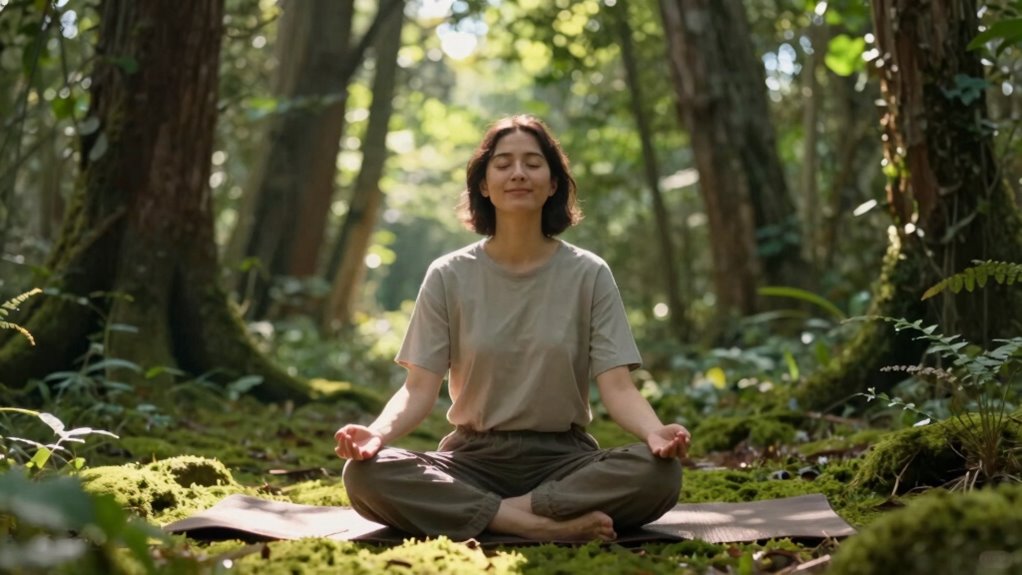
Deep relaxation feels different from just sitting still because it actively engages your nervous system, prompting physiological changes like a slower heart rate and reduced muscle tension. While sitting quietly might allow your mind to wander and your body to relax slightly, deep relaxation techniques focus your awareness on breathing, muscle tension, or visualization, which can shift your body from stress to calm. If you keep exploring, you’ll discover how specific practices create lasting calm and well-being.

Turn your quiet moments into listening time
- Thousands of audiobooks, podcasts and originals
- Listen on your phone, tablet or Echo — also offline
- Cancel anytime
Key Takeaways
- Deep relaxation actively engages the nervous system, promoting physiological shifts toward calm, unlike passive sitting which may leave stress responses unchanged.
- Techniques like focused breathing or visualization directly influence autonomic responses, creating a deeper sense of relaxation than stillness alone.
- Mindfulness practices enhance parasympathetic activation, leading to more profound calming effects than simply sitting quietly.
- Physiological markers such as reduced heart rate and cortisol levels are more effectively achieved through active relaxation methods.
- Recognizing nervous system responses helps tailor practices that produce genuine relaxation, unlike passive sitting that may not induce significant change.
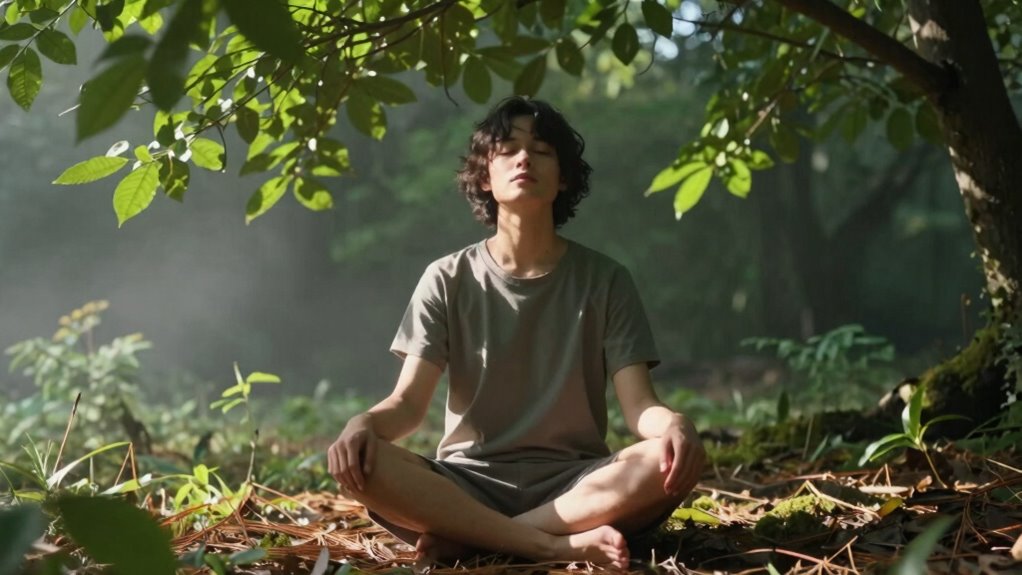
When it comes to calming your mind and body, many people wonder whether deep relaxation techniques or simply sitting still are more effective. The truth is, they often feel different because they engage your nervous system in distinct ways. Deep relaxation techniques, like progressive muscle relaxation or guided imagery, actively prompt your body to unwind. These practices often involve focused attention on breathing, muscle tension, or visualization, which helps shift your physiological responses from stress to calm. You become more aware of how your body responds during these exercises, and over time, this awareness can help you control your stress reactions more effectively.
Deep relaxation techniques actively engage your nervous system to promote a calmer, more restorative state.
On the other hand, just sitting still might seem passive, but it doesn’t necessarily produce the same physiological responses. Sitting quietly with no specific technique may allow your mind to wander or your body to relax slightly, but it doesn’t always create the deep, targeted shifts in your autonomic nervous system. Without intentional focus, your sympathetic nervous system—the part responsible for stress responses—may stay somewhat active, making it harder to reach a state of true calm. While stillness offers a moment of respite, it often lacks the deliberate engagement needed to significantly alter your physiological responses. Incorporating mindfulness techniques can enhance the calming effect by actively engaging your nervous system in a beneficial way. Engaging in these practices can also foster a greater sense of bodily awareness, which supports overall relaxation. Developing this awareness can be a powerful tool for managing stress in daily life.
That’s where mindfulness techniques come into play. When you practice mindfulness, you consciously observe your thoughts, feelings, and bodily sensations without judgment. This deliberate attention can influence your physiological responses, helping you activate the parasympathetic nervous system—the “rest and digest” response. Because mindfulness involves focused awareness, it’s more effective at creating a sense of calm compared to simply sitting still. You’re not just passively existing; you’re actively cultivating a state of presence that encourages your body to relax more deeply. Additionally, consistent practice can lead to lasting changes in how your nervous system responds to stress, making relaxation easier over time.
The reason deep relaxation feels different is because it targets the nervous system directly. Through specific techniques, you can slow your heart rate, reduce muscle tension, and lower cortisol levels—all signs of a physiological shift toward relaxation. Sitting still alone might not produce these changes unless paired with mindfulness or relaxation exercises. In essence, deep relaxation techniques intentionally guide your body through a series of physiological responses, helping you access a deeper, more restorative calm that simple stillness alone often can’t achieve. Recognizing the nervous system responses involved can help you choose the most effective approach for your relaxation needs.
As an affiliate, we earn on qualifying purchases.
Frequently Asked Questions
Can Deep Relaxation Be Achieved Without Meditation Techniques?
Yes, you can achieve deep relaxation without meditation techniques by engaging in mindfulness practices or breathing exercises. Focusing on your breath, paying attention to your senses, or practicing mindful awareness helps calm your mind and body. These methods activate your relaxation response, making you feel deeply relaxed. You don’t need formal meditation — simple mindfulness and controlled breathing can lead to profound relaxation and mental clarity.
How Long Does Deep Relaxation Typically Last?
Think of deep relaxation as a gentle river flowing through your mind. Its duration variability means it can last from a few minutes to over an hour, depending on your practice and environment. The relaxation duration varies because your body and mind respond differently each time. With consistent practice, you’ll notice the feeling lasts longer, making it easier to dip into that peaceful state whenever you need.
Is Deep Relaxation Suitable for Everyone?
Deep relaxation isn’t suitable for everyone, especially if you have certain health conditions like severe anxiety, PTSD, or cardiovascular issues. It’s effective for stress reduction and offers physical benefits like lowering blood pressure and easing muscle tension. However, you should consult your healthcare provider before trying deep relaxation techniques. If it’s appropriate for you, it can be a safe, effective way to improve your overall well-being and manage stress.
Does Deep Relaxation Require Special Equipment or Environment?
Deep relaxation doesn’t usually require special equipment, but relaxation tools like comfortable cushions or eye masks can enhance your experience. Ambient settings, such as soft lighting and calming sounds, help create a peaceful environment. You might prefer a quiet room or nature sounds for better results. Tailoring your environment with these elements allows you to deepen your relaxation effortlessly, making it more effective and enjoyable.
Can Deep Relaxation Improve Mental Health More Than Sitting Still?
Deep relaxation can boost your mental health more than just sitting still because it enhances the mind-body connection and promotes emotional release. When you deeply relax, you actively process and release stored emotions, reducing stress and anxiety. This focused state helps you gain insights, foster resilience, and improve overall well-being. Unlike passive sitting, deep relaxation engages your mind and body, creating a powerful, healing experience that supports mental health more effectively.
progressive muscle relaxation kit
As an affiliate, we earn on qualifying purchases.
As an affiliate, we earn on qualifying purchases.
Conclusion
When you experience deep relaxation, it’s like revealing a secret world inside you, far beyond just sitting still. It’s a profound state where your mind and body harmonize, creating a sensation so powerful it can feel as if you’ve tapped into the universe’s deepest secrets. Remember, sitting still is simple, but reaching true deep relaxation is an extraordinary journey that transforms your entire being. So don’t settle for less—embrace the depth and discover the magic within!
As an affiliate, we earn on qualifying purchases.
deep relaxation breathing exercises
As an affiliate, we earn on qualifying purchases.
As an affiliate, we earn on qualifying purchases.
Halloween Picks
halloween
As an affiliate, we earn on qualifying purchases.