


Ice baths can temporarily boost your mood by releasing endorphins and increasing alertness, helping you feel more centered and resilient. They may reduce stress and anxiety right after exposure, thanks to these natural chemicals. However, these effects vary based on your mindset, health, and how often you practice. Remember, the benefits aren’t guaranteed or long-lasting for everyone, so understanding your own responses and safety tips can make a difference—and there’s more to discover on this topic.

Turn your quiet moments into listening time
- Thousands of audiobooks, podcasts and originals
- Listen on your phone, tablet or Echo — also offline
- Cancel anytime
Key Takeaways
- Ice baths can temporarily boost mood through endorphin release and increased alertness, but effects vary individually.
- Cold exposure may reduce stress and anxiety temporarily, promoting feelings of well-being.
- Long-term mood improvements are uncertain; benefits depend on mindset, consistency, and overall health.
- Risks include cardiovascular strain and shock, especially for those with health conditions; gradual exposure is recommended.
- Cold baths are a complementary tool, not a substitute for comprehensive mental health strategies like exercise and social support.
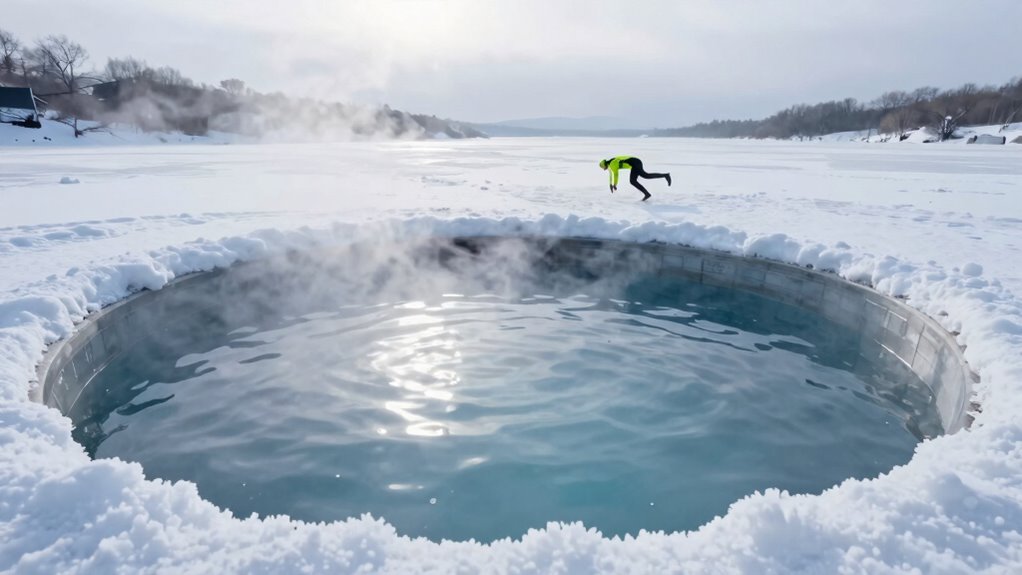
Many people find that exposing themselves to cold temperatures can have surprising effects on their mood. When you immerse yourself in cold water or step into icy conditions, your body reacts in ways that are both physical and psychological. One key response is the thermogenic response, where your body works hard to generate heat to maintain its core temperature. This process ramps up your metabolic rate, burning calories and signaling your body to stay alert. As a result, you may feel more energized and present, which can temporarily boost your mood.
Cold exposure boosts alertness and energy, temporarily uplifting mood through physical and psychological responses.
But it’s not just about physical reactions. Cold exposure also triggers the release of endorphins—your brain’s natural feel-good chemicals. These endorphins flood your system, creating a sense of euphoria or calmness that many people find addictive. That rush of positive feelings can help alleviate stress and even reduce symptoms of anxiety or depression, at least temporarily. Many individuals report feeling more centered and resilient after a cold plunge, which can improve their outlook for hours afterward.
However, it’s important to understand that these effects aren’t guaranteed or long-lasting for everyone. The thermogenic response varies depending on your body composition, acclimatization, and how long you’re exposed to the cold. Some people may experience a more pronounced increase in energy and mood, while others might not notice significant changes. Endorphin release is also transient; it peaks during or shortly after cold exposure but then diminishes. Relying solely on cold exposure as a mood booster can be misleading because the psychological benefits often depend on a variety of factors, including your mindset, overall health, and consistency. Additionally, individual differences in metabolic rate can influence how strongly someone responds to cold exposure, emphasizing the importance of personalized approaches.
Furthermore, cold exposure isn’t without risks. For some, especially those with cardiovascular issues or certain health conditions, sudden cold immersion can be dangerous. It can cause rapid heart rate, constriction of blood vessels, and even shock in extreme cases. It’s vital to approach cold exposure gradually and under guidance if you’re new to it. While many enthusiasts swear by ice baths for mood enhancement, scientific evidence remains mixed. Some studies suggest benefits, but others highlight that the mood improvements are largely short-term or placebo effects. Recognizing the importance of individual variability can help set realistic expectations and ensure safe practices.
In the end, cold exposure can be a powerful tool for mood regulation, thanks to its ability to stimulate the thermogenic response and endorphin release. Yet, it’s not a cure-all. Incorporating it thoughtfully, understanding its limitations, and listening to your body are essential. Remember that long-term mental health relies on a holistic approach that includes exercise, sleep, and social connections. Moreover, understanding the psychological factors involved can help maximize the benefits and foster a balanced mental state.
As an affiliate, we earn on qualifying purchases.
Frequently Asked Questions
How Quickly Can Mood Improvements Be Felt After Ice Baths?
You might notice mood improvements within minutes after an ice bath. The cold triggers a rapid thermogenic response, releasing endorphins that boost your mood quickly. It also modulates stress hormones like cortisol, helping you feel calmer and more centered. While some people experience immediate benefits, others might need multiple sessions. Overall, the mood boost is often felt almost instantly due to these physiological responses.
Are There Any Long-Term Mental Health Benefits From Cold Exposure?
Think of your mind as a garden that benefits from consistent care. Long-term cold exposure may foster mental resilience through thermoregulation adaptation and neurochemical shifts, helping you better handle stress. While immediate mood boosts fade quickly, regular ice baths could gradually strengthen your mental health over time. You might find that these adaptations promote lasting calmness and improved emotional regulation, much like a well-tended garden flourishes with steady nurturing.
Can Ice Baths Help With Anxiety or Depression?
Ice baths may offer some therapeutic potential for anxiety and depression by triggering physiological effects like releasing endorphins and reducing inflammation. You might experience short-term mood improvements, but evidence is limited on long-term benefits. While cold exposure can boost your mood temporarily, it shouldn’t replace traditional treatments. Use ice baths as a complementary approach, and consult a mental health professional for persistent symptoms.
What Are the Risks of Excessive Cold Exposure on Mental Health?
Exposing yourself to extreme cold risks more than just hypothermia risks; it can shatter your mental health stability. Overdoing it might worsen anxiety, deepen depression, or reinforce mental health stigma by making you feel isolated or judged. You could find yourself trapped in a cycle of icy despair, where the cold worsens emotional distress. Be cautious—excessive cold exposure can damage your mind just as much as your body.
How Does Cold Exposure Compare to Other Mood-Enhancing Activities?
Cold therapy offers unique benefits compared to other mood-enhancing activities. It can boost mental resilience by challenging your body and mind, helping you build stress tolerance. While activities like exercise or meditation also improve mood, cold exposure may trigger endorphin release and improve alertness more rapidly. However, it’s not a substitute for consistent mental health practices. Incorporate cold therapy thoughtfully, understanding it complements other mood-enhancement methods rather than replacing them.
As an affiliate, we earn on qualifying purchases.
Conclusion
So, as you stand at the icy crossroads, remember that ice baths might be a sprinkle of relief or just a fleeting frost on your mood. While they could boost your alertness or lift your spirits temporarily, don’t expect them to be a magic wand for lasting happiness. Like the delicate dance of winter’s breath, your mood shifts with many factors. Embrace the chill, but don’t rely solely on ice to brighten your days—your happiness is a fire, not just frost.
As an affiliate, we earn on qualifying purchases.
As an affiliate, we earn on qualifying purchases.
Halloween Picks
halloween
As an affiliate, we earn on qualifying purchases.