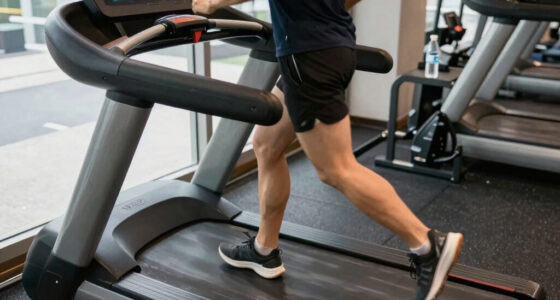
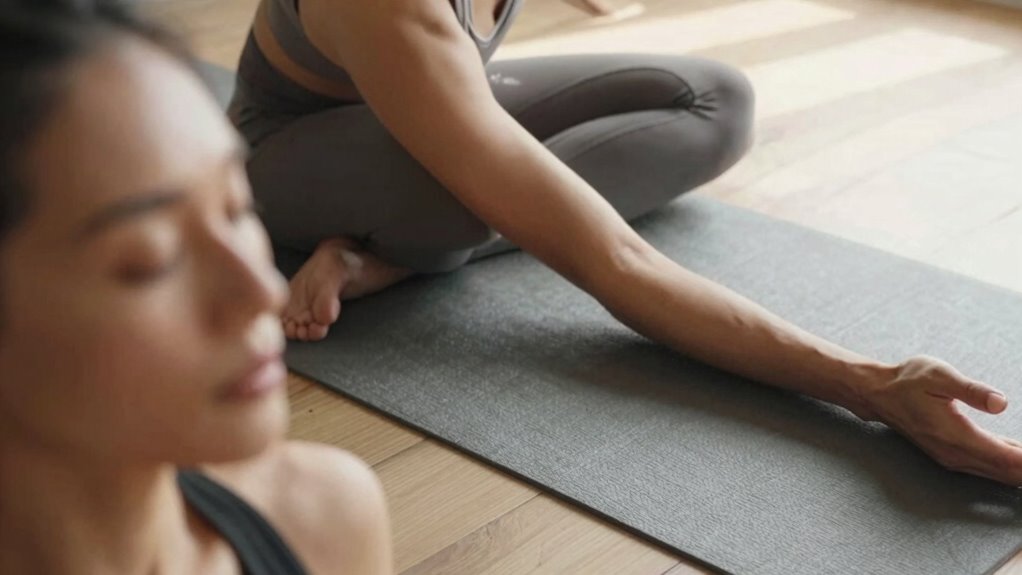

Muscle relaxation involves consciously releasing physical tension, like relaxing tight muscles or unclenching fists, often through techniques like deep breathing or progressive muscle relaxation. Mental relaxation focuses on calming your thoughts, worries, and mental chatter, using practices like mindfulness and visualization. Both work together, creating a cycle where relaxing your body can ease your mind, and vice versa. To discover how these methods can enhance your stress relief, keep exploring how they connect.
Listen free for 30 days with Audible
Thousands of audiobooks and originals — cancel anytime.
As an affiliate, we earn on qualifying purchases.
Key Takeaways
- Muscle relaxation focuses on consciously releasing physical tension in the body, while mental relaxation aims to calm thoughts and reduce mental chatter.
- Techniques like progressive muscle relaxation target physical signs of stress, whereas mindfulness and meditation address mental calmness.
- Physical tension can trigger mental stress, and mental stress can cause physical tightness, highlighting their interconnectedness.
- Muscle relaxation provides immediate physical relief, whereas mental relaxation promotes inner peace and mental clarity over time.
- Combining both approaches enhances overall stress reduction and promotes a holistic sense of well-being.
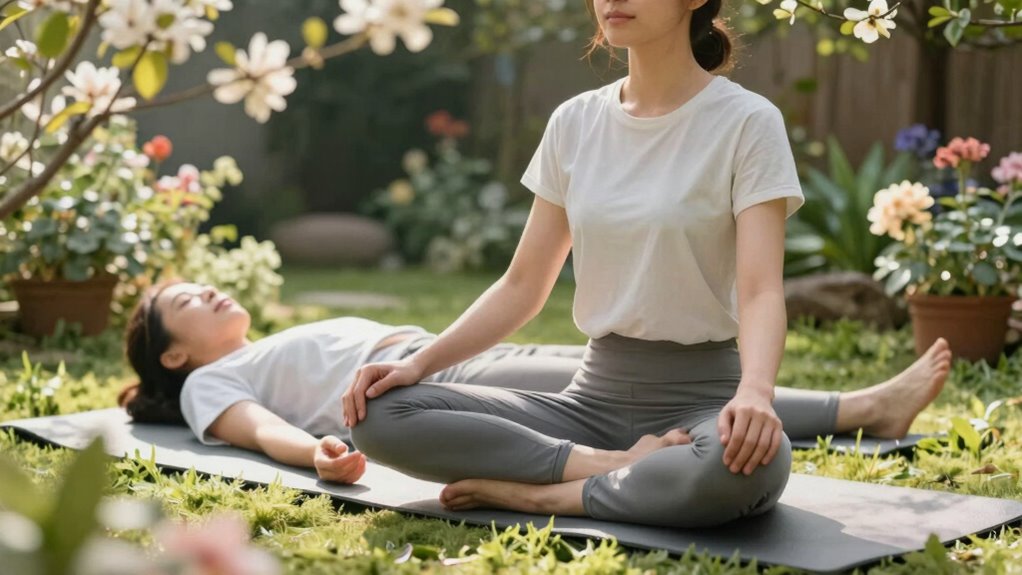
Understanding the difference between muscle relaxation and mental relaxation is key to effectively managing stress and improving overall well-being. When you’re feeling overwhelmed, your body responds with physical tension, often manifesting as tight muscles, clenched fists, or a stiff neck. Muscle relaxation involves consciously releasing this tension, which can help you feel calmer and more comfortable. This process is an essential part of stress management because it targets the physical signs of stress directly. By learning to relax your muscles, you interrupt the cycle of stress that often fuels anxiety and discomfort. Techniques like progressive muscle relaxation or deep breathing exercises are designed to help you identify areas of tension and consciously loosen them. Over time, practicing these methods makes muscle relaxation more automatic, enabling you to better handle stressful situations.
On the other hand, mental relaxation focuses on calming your mind. It addresses the thoughts, worries, or mental chatter that keep your stress levels elevated. Mental relaxation might involve mindfulness practices, meditation, or visualization, helping you detach from racing thoughts and cultivate a sense of peace. When your mind is relaxed, you’re less likely to ruminate on problems or feel overwhelmed by negative emotions. This mental calmness isn’t just about feeling good; it’s a fundamental part of holistic stress management. A relaxed mind can respond more thoughtfully to challenges, reducing the emotional toll of stressful events. Mental relaxation also improves your ability to concentrate, make decisions, and maintain emotional balance. Additionally, recognizing the interconnection between body and mind emphasizes the importance of addressing both aspects for comprehensive stress relief. Engaging in practices that combine body and mind techniques can further enhance your resilience against stress. This interconnectedness highlights how physical and mental relaxation can reinforce each other for more effective stress management. Incorporating integrated relaxation techniques can help deepen this connection and maximize your stress reduction efforts. Moreover, understanding the physiological effects of relaxation can motivate you to stick with these practices, as they promote overall health and wellness.
While muscle and mental relaxation are distinct, they’re deeply interconnected. Physical tension often fuels mental stress, creating a feedback loop that keeps you stuck in a cycle of discomfort. Conversely, mental tension can cause physical tightness, as anxious thoughts manifest physically. To truly manage stress effectively, you need to address both aspects. For example, engaging in deep breathing can relax your muscles and quiet your mind simultaneously. Recognizing this connection helps you develop a more integrated approach to relaxation, one that targets both your body and mind. In practice, combining techniques—such as practicing mindfulness while doing progressive muscle relaxation—can amplify the benefits. Over time, these strategies help you develop resilience against stress, making relaxation a natural response rather than a conscious effort. Ultimately, understanding and balancing both muscle and mental relaxation empowers you to lead a calmer, more centered life. Exploring these techniques in tandem can lead to a more holistic approach to stress reduction.
progressive muscle relaxation kit
As an affiliate, we earn on qualifying purchases.
As an affiliate, we earn on qualifying purchases.
Frequently Asked Questions
Can Muscle and Mental Relaxation Occur Simultaneously?
Yes, muscle and mental relaxation can happen at the same time. When you focus on reducing muscle tension through deep breathing or stretching, you often promote a sense of mind calmness too. Techniques like progressive muscle relaxation help you relax your body and quiet your mind simultaneously. By consciously releasing tension in your muscles, you create a calming effect that enhances overall relaxation, making it easier to achieve a peaceful, tranquil state.
Are Specific Exercises Better for Muscle Versus Mental Relaxation?
Yes, specific exercises target muscle tension or mental clarity better. For muscle relaxation, try progressive muscle relaxation or stretching to loosen tight muscles. For mental clarity, practice mindfulness or meditation to calm your mind. You might find combining these exercises helpful, but focusing on the one you need most will give you faster relief. Tailoring your routine guarantees you effectively relax your muscles or clear your mind, depending on your needs.
How Long Does It Take to Achieve Relaxation?
Surprisingly, relaxation doesn’t happen overnight—you’ll likely notice progress within minutes, but true calm takes consistent effort. You’ll want to monitor your progress and identify relaxation barriers that slow you down. Patience is key; rushing only heightens tension. Whether it’s muscle or mental relaxation, stay committed, track your improvements, and give yourself time. Eventually, relaxation becomes a natural part of your routine, even if it feels like a slow process.
Can Relaxation Techniques Help With Chronic Pain?
Yes, relaxation techniques like deep breathing and guided imagery can help manage chronic pain. By focusing on deep breaths, you activate your body’s relaxation response, reducing tension. Guided imagery allows you to visualize calming scenes, distracting your mind from pain and easing discomfort. Consistently practicing these techniques can improve your pain tolerance over time, helping you feel more in control and less overwhelmed by chronic pain.
Is Relaxation Effective for Managing Anxiety and Stress?
Imagine a gentle breeze calming a turbulent lake—that’s how relaxation techniques can ease your anxiety and stress. Yes, they’re effective for anxiety management, helping you slow your racing thoughts and find mental clarity. By practicing deep breathing, meditation, or progressive muscle relaxation regularly, you create a peaceful space within. These techniques empower you to handle stress better, reducing its grip and fostering a sense of calm and control in your daily life.
As an affiliate, we earn on qualifying purchases.
Conclusion
Understanding the difference between muscle and mental relaxation is like mastering the art of balancing Poseidon’s calm sea with the storm’s energy. When you relax your muscles, you’re calming the physical waves; when you ease your mind, you quiet the turbulent storm within. Both are essential for true peace. So, embrace this dual mastery, and you’ll find yourself steering through life’s tempests with the serenity of a tranquil ocean—steady, strong, and unstoppable.
As an affiliate, we earn on qualifying purchases.
As an affiliate, we earn on qualifying purchases.
NFL season / tailgating Picks
team gear
As an affiliate, we earn on qualifying purchases.