
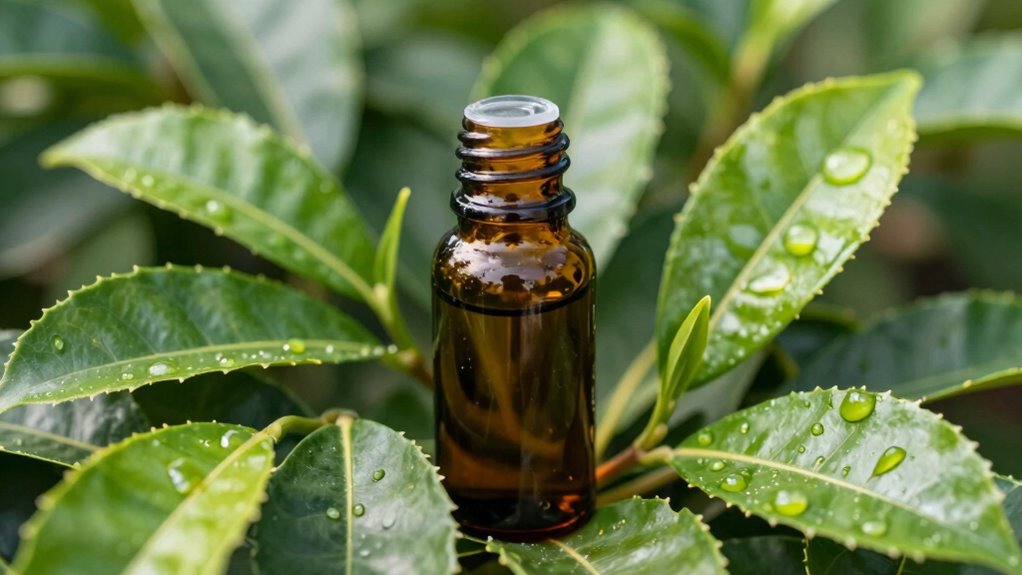

Even though tea tree oil is natural, it can still irritate your skin, especially if you’re sensitive or have existing conditions. It’s important to dilute the oil properly and do a patch test first, since direct application can cause redness, burning, or allergic reactions. Keep an eye on how your skin responds, and if problems occur, stop use immediately. If you want to understand how to use it safely, there’s more to evaluate that can help protect your skin.

Turn your quiet moments into listening time
- Thousands of audiobooks, podcasts and originals
- Listen on your phone, tablet or Echo — also offline
- Cancel anytime
Key Takeaways
- “Natural” substances like tea tree oil can still cause skin irritation, especially in sensitive individuals or when not properly diluted.
- Tea tree oil contains potent compounds that may trigger allergic reactions or inflammation despite its natural origin.
- Skin sensitivity varies, and previous tolerance does not guarantee safety; reactions can occur unexpectedly.
- Proper dilution and patch testing are essential to minimize irritation risk before widespread use.
- Consulting a healthcare professional helps ensure safe application, particularly for sensitive or compromised skin conditions.
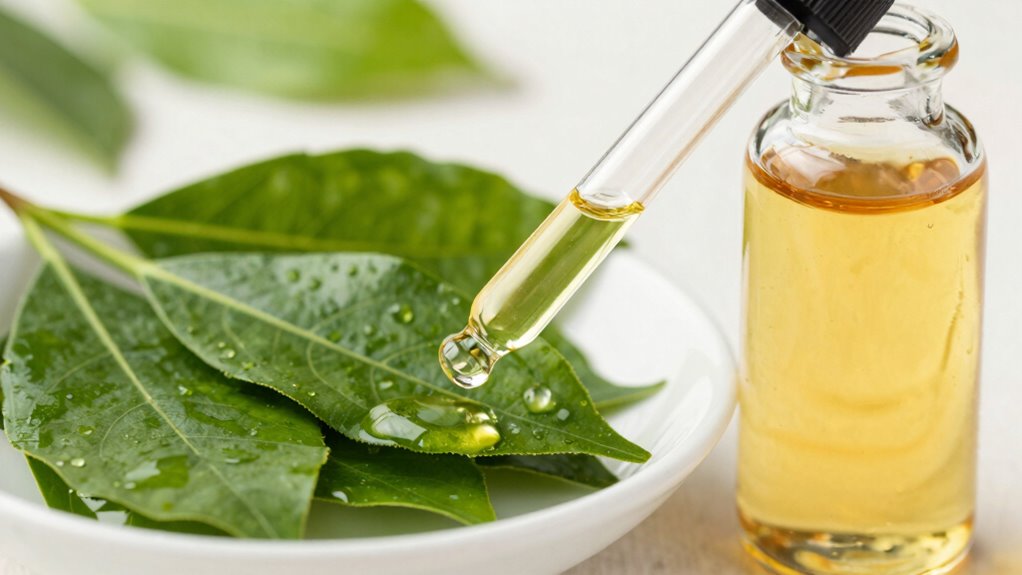
Tea tree oil is a powerful natural remedy derived from the leaves of the Melaleuca alternifolia plant, native to Australia. While many people turn to it for its antibacterial and antifungal properties, it’s essential to understand that “natural” doesn’t automatically mean safe for everyone. Your skin sensitivity can play a significant role in how your skin reacts to this potent essential oil. If you have sensitive skin, applying tea tree oil directly without proper dilution can lead to irritation, redness, or even allergic reactions. It’s vital to recognize that essential oil safety isn’t just about avoiding toxicity; it’s also about respecting your skin’s unique needs.
Many believe that because tea tree oil is natural, it’s inherently safe to use undiluted. However, essential oil safety guidelines recommend always diluting tea tree oil before applying it to the skin. This step helps minimize the risk of skin irritation, especially if you have sensitive or reactive skin. You should never assume that a quick application will be harmless—test a small patch first, and wait 24 hours to see if any adverse reaction occurs. If your skin feels itchy, burning, or becomes inflamed, wash the area immediately and discontinue use.
Even if you’ve used tea tree oil before without issues, changes in skin condition or other skin sensitivities can alter how your skin reacts. For some, even diluted tea tree oil can cause irritation, highlighting the importance of cautious application. Remember, essential oil safety isn’t just about preventing toxicity; it’s about understanding your skin’s tolerance levels. If you’re unsure, consult with a dermatologist or a qualified aromatherapist who can guide you on proper use and dilution ratios.
It’s also worth mentioning that essential oils, including tea tree oil, can interact with certain medications or skin conditions. Those with eczema, psoriasis, or other skin disorders should be especially careful and seek professional advice before using tea tree oil. Always perform a patch test before incorporating it into your routine. Apply a small amount of diluted oil to your forearm, wait 24 hours, and observe for any signs of adverse reactions. If irritation occurs, avoid using it on larger areas or consider alternative remedies.
As an affiliate, we earn on qualifying purchases.
Frequently Asked Questions
Can Tea Tree Oil Be Safely Used on Children?
Yes, you can use tea tree oil on children, but with caution. For pediatric safety, always dilute it properly before topical application. Avoid applying undiluted oil directly to your child’s skin, as it can cause irritation or allergic reactions. It’s best to do a patch test first and consult with a pediatrician to confirm safe use. Keep a close eye on your child’s reaction and discontinue if any discomfort occurs.
How Long Does It Take to See Results From Tea Tree Oil?
Within a few days of diligent application, you’ll likely see some subtle signs of improvement. Typically, visible improvements from tea tree oil can appear between 2 to 4 weeks, but it depends on your skin and the issue’s severity. Keep consistent with your application duration, and patience pays off. Remember, the effects may be slow but steady, so stay committed, and you’ll notice positive progress over time.
Is Tea Tree Oil Effective Against All Skin Types?
Tea tree oil can be effective for many skin types, but skin compatibility varies. If you have sensitive or dry skin, you might experience higher irritation potential, so always do a patch test first. People with oily or acne-prone skin often find it beneficial. However, regardless of your skin type, use diluted tea tree oil to minimize irritation potential and monitor your skin’s reaction for safe, effective use.
What Are the Signs of an Allergic Reaction?
If you’re allergic, you’ll notice rash symptoms like redness, itching, or bumps, and swelling signs around the area where you used tea tree oil. You might also experience discomfort or a burning sensation. If these signs appear, stop using the product immediately, wash the area with water, and consider consulting a healthcare professional. Recognizing these allergy symptoms early helps prevent more serious reactions.
Can Tea Tree Oil Be Diluted With Water for Application?
Like mixing paint, you can dilute tea tree oil with water for application, but it’s not the most effective method due to water’s incompatibility. Instead, use proper dilution methods, such as blending tea tree oil with a carrier oil like coconut or jojoba before applying to your skin. Water alone won’t evenly distribute the oil and may cause irritation or reduce its effectiveness. Always test a small patch first.
As an affiliate, we earn on qualifying purchases.
Conclusion
Remember, just because tea tree oil is labeled “natural,” doesn’t mean it’s gentle on your skin. It’s like a wolf in sheep’s clothing—beautiful on the outside but capable of causing harm. Always patch-test before diving in, and listen to your skin’s whispers. Nature’s gifts can be powerful, so treat this oil with respect, like a wild stallion—you might tame it, or it might leave a bruise if you’re not careful.
tea tree oil skin irritation relief
As an affiliate, we earn on qualifying purchases.
As an affiliate, we earn on qualifying purchases.
As an affiliate, we earn on qualifying purchases.
Fall Picks
fall essentials
As an affiliate, we earn on qualifying purchases.